

Frittmann Winery
Soltvadkert
Winery in Soltvadkert, Hungary
 Book with Pearl
The Read
Sandy-Soil Viticulture
Why go
Frittmann Winery is a strong Soltvadkert choice for travelers who want Hungarian wine context beyond the more familiar destination regions. Go for regional depth and a producer-led stop, not for guaranteed dining, scenery, or an easy online planning flow.
About Frittmann Winery
It's best to keep expectations focused on the venue name, the city, the casual dress code, and its recognition. Details about food, tours, pricing, shipping, or a specific tasting format should not be assumed.
If a particular experience matters to you, such as a guided tasting, a meal, bottle purchases, group arrangements, or shipping, confirm it directly before building a day around the stop. Frittmann Winery is best considered a Soltvadkert winery with a confirmed 2025 distinction and casual attire expectations.
Choose it for Soltvadkert context, not for assumed extras
Frittmann Winery can make sense for travelers specifically interested in Soltvadkert and in comparing winery options. It does not include a restaurant format, chef, menu, price structure, tour schedule, seating count, or detailed hospitality program, so those elements should not be assumed.
Because practical details are limited, plan conservatively. Dress is casual, but other visit logistics should be checked directly if they matter to your itinerary. For a wider day in Soltvadkert, consider other dining in the city generically rather than relying on Frittmann Winery to cover every part of the plan.
How to place it within a wider wine trip
The cleanest way to use Frittmann Winery is as a Soltvadkert reference point within a broader wine itinerary. If you are comparing producers, natural reference points include Eszterbauer Winery, Koch Winery, Mészáros Pál Winery, Vesztergombi Winery, and Vida Wines. Those comparisons can help you decide whether Soltvadkert should be the main focus of the route or one stop within a larger wine trip.
Avoid building the decision around claims about scenery, cuisine, bottle lists, shipping, membership programs, or a set tasting style.
Planning details
- Location
- Soltvadkert, Eötvös u. 5, 6230
- Website
- frittmann.hu
- Phone
- +36 30 311 4033
The take
The Take
The Vibe
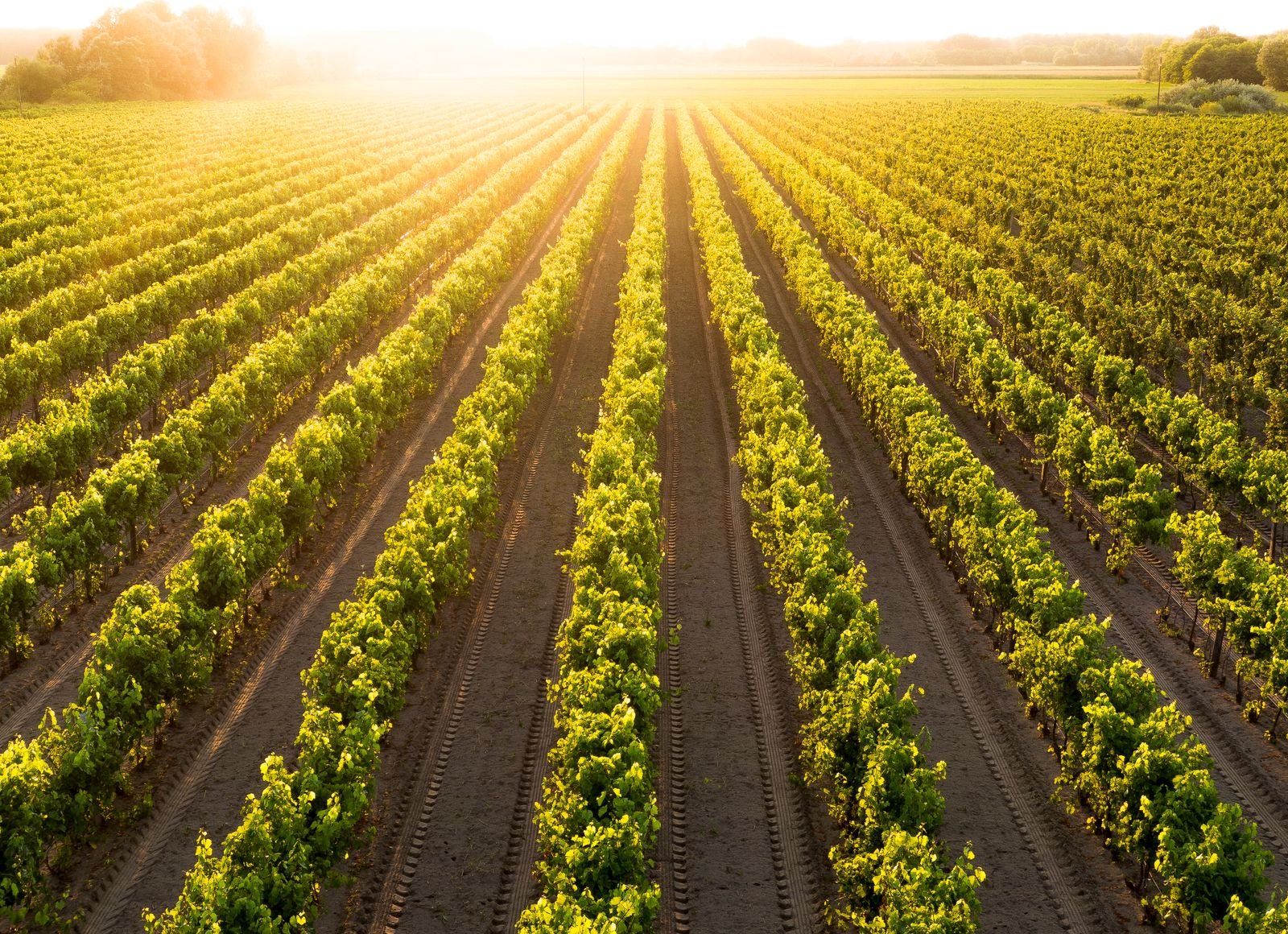
Frittmann Winery reads like a piece of regional history set against the sandy Kiskunság plain. The write-up foregrounds geological and viticultural continuity, loose sands that repelled phylloxera and a climate of long, hot summers, which gives the place a quietly storied, old‑world character. Overall the profile feels historic and sun‑baked: wine rooted in place, shaped by sand and time.
Best For
This is a venue made for anyone curious about terroir and regional winemaking. The Great Hungarian Plain’s distinctive soils and continuity of ungrafted vines make tastings especially informative for people seeking to learn how sand, heat, and history shape flavor. Its rating and terroir focus make it a good stop for self‑directed visitors and solo explorers who want a thoughtful tasting and a deeper understanding of Kunság rather than a purely social outing.
Venue details
Ambiance
Modern winery with tasting room and barrel aging facilities, offering a welcoming family atmosphere focused on fresh and fruity wines.
Tags
Vibe
Best For
Experience
View
At the Vineyard
- Appellation
- Kunság
- Varietals
- Irsai Olivér, Ezerjó, Cserszegi Fűszeres, Generosa, Cabernet Franc
- Tour Duration
- 60-90 minutes
- Visits
- By reservation
- Wine Styles
- Still White, Still Red, Still Rose, Sparkling
- Wine Club
- Not available
Know before you go
Know Before You Go
- Getting there
- Soltvadkert, Eötvös u. 5, 6230
Planning details
Location
Also consider
Also Consider
- Koch Winery, Notable alternative
- Eszterbauer Winery, Notable alternative
- Vesztergombi Winery, Notable alternative
- Mészáros Pál Winery, Notable alternative
- Vida Wines, Notable alternative
Winery context
How it compares with other winery options
Frittmann Winery is the Soltvadkert-centered choice in this set: pick it when the goal is to understand this specific town and its place in Hungarian wine. Koch Winery is the cleaner cross-shop if you want another producer comparison before committing, while Eszterbauer Winery, Vesztergombi Winery, Mészáros Pál Winery, and Vida Wines make more sense for travelers comparing Soltvadkert with the Szekszárd orbit.
On booking difficulty, Frittmann Winery should be treated as the harder, more planned-ahead option: do not build a tight day around a casual arrival. If ease matters more than the Soltvadkert address, start with Koch Winery as the closest conceptual alternative, then use Eszterbauer Winery or Vida Wines if the trip can stretch toward a broader regional tasting route.
For value, the deciding factor is not a posted price tier but what the visit is meant to achieve. Frittmann Winery is worth prioritizing when local context is the value. If the group wants a broader ambiance comparison or a more classic multi-estate wine-country day, Vesztergombi Winery and Mészáros Pál Winery are useful cross-shops because they shift the decision away from Soltvadkert specificity and toward a wider Hungarian winery itinerary.
Explore Soltvadkert
Around this place
Discover more on Pearl
Unlock the full Frittmann Winery guide in Pearl, including awards, comparisons, FAQs, planning details, and nearby places.
Compare Frittmann Winery
| Venue | Location | Awards |
|---|---|---|
| Frittmann Winery | Soltvadkert | No published awards |
| Koch Winery | Borota | No published awards |
| Eszterbauer Winery | Szekszárd | No published awards |
| Vesztergombi Winery | Szekszárd | No published awards |
| Mészáros Pál Winery | Szekszárd | No published awards |
| Vida Wines | Szekszárd | No published awards |
How Frittmann Winery Soltvadkert compares with similar nearby venues.
FAQ
Frequently Asked Questions
Is the wine club at Frittmann Winery worth joining?
Wine club details are not available, so there is no basis for evaluating membership. If a club or membership option is offered, assess it only after confirming the current terms directly.
What other wineries can I compare with Frittmann Winery?
For a broader wine comparison, consider Koch Winery and Eszterbauer Winery, then compare Vesztergombi Winery, Mészáros Pál Winery, and Vida Wines. Use them as reference points when deciding how Frittmann Winery and Soltvadkert fit into your route.
Do I need a reservation at Frittmann Winery?
Reservation requirements are not available.