
Pieropan
Soave
Winery in Soave, Italy
 Book with Pearl
The Read
Volcanic Garganega Precision
Price
$30–50tasting
Why go
A strong choice for a serious Soave-focused wine stop, especially for a celebration or business itinerary where provenance matters more than convenience. The main caution is access: treat this as a planned anchor, with Prà and Gini as more flexible Soave alternatives if timing does not work.
About Pieropan
Pieropan in Soave is a Pearl 2 Star Prestige (2025) venue with a smart casual dress code. Use it as a focused reference point when you are comparing Pieropan with names such as Prà and Gini, or when you want to consider it alongside Bertani, Distilleria Schiavo, and Romano Dal Forno.
For a visit centered on Soave, Pieropan is the location anchor; for a wider plan, Bertani, Distilleria Schiavo, Gini, Prà, and Romano Dal Forno can be considered separately depending on the route.
Choose it for a recognized Soave stop, not for assumed conveniences
The recommendation is yes if your priority is a recognized venue in Soave and you are comfortable confirming practical details in advance. Pieropan carries Pearl 2 Star Prestige (2025), which makes it a strong candidate for travelers giving special attention to Soave.
Pricing, visit format, and scheduling details should be confirmed directly, so the value decision should be based on purpose rather than assumptions. If the trip is specifically about Soave, Pieropan is a natural name to consider. If Soave is only one part of a larger route, compare the time commitment with other named options such as Bertani, Distilleria Schiavo, Gini, Prà, and Romano Dal Forno.
Use Soave as the base, then build around the visit
For planning, keep Soave as the location anchor and verify current details with the venue before finalizing the day. Pieropan is in Soave, has a smart casual dress code, and carries Pearl 2 Star Prestige (2025); other specifics should be checked directly rather than assumed.
Planning details
- Location
- Via Giacomo Matteotti, 37038 Soave VR
- Website
- pieropan.it
- Phone
- +39 045 619 0171
The take
The Take
The Vibe
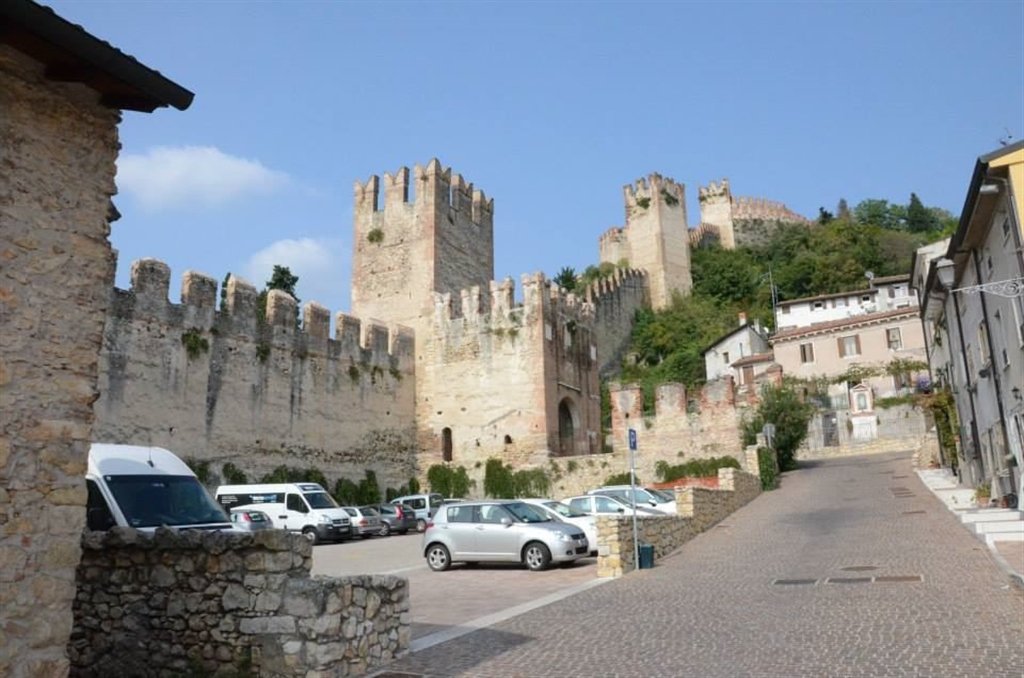
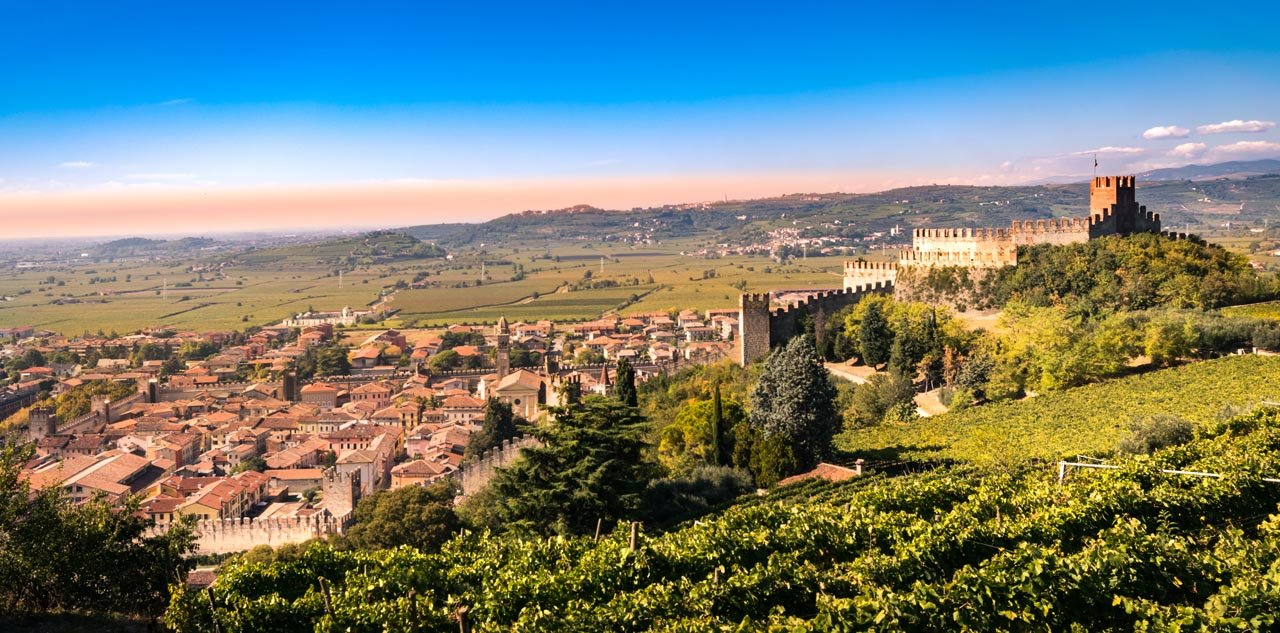
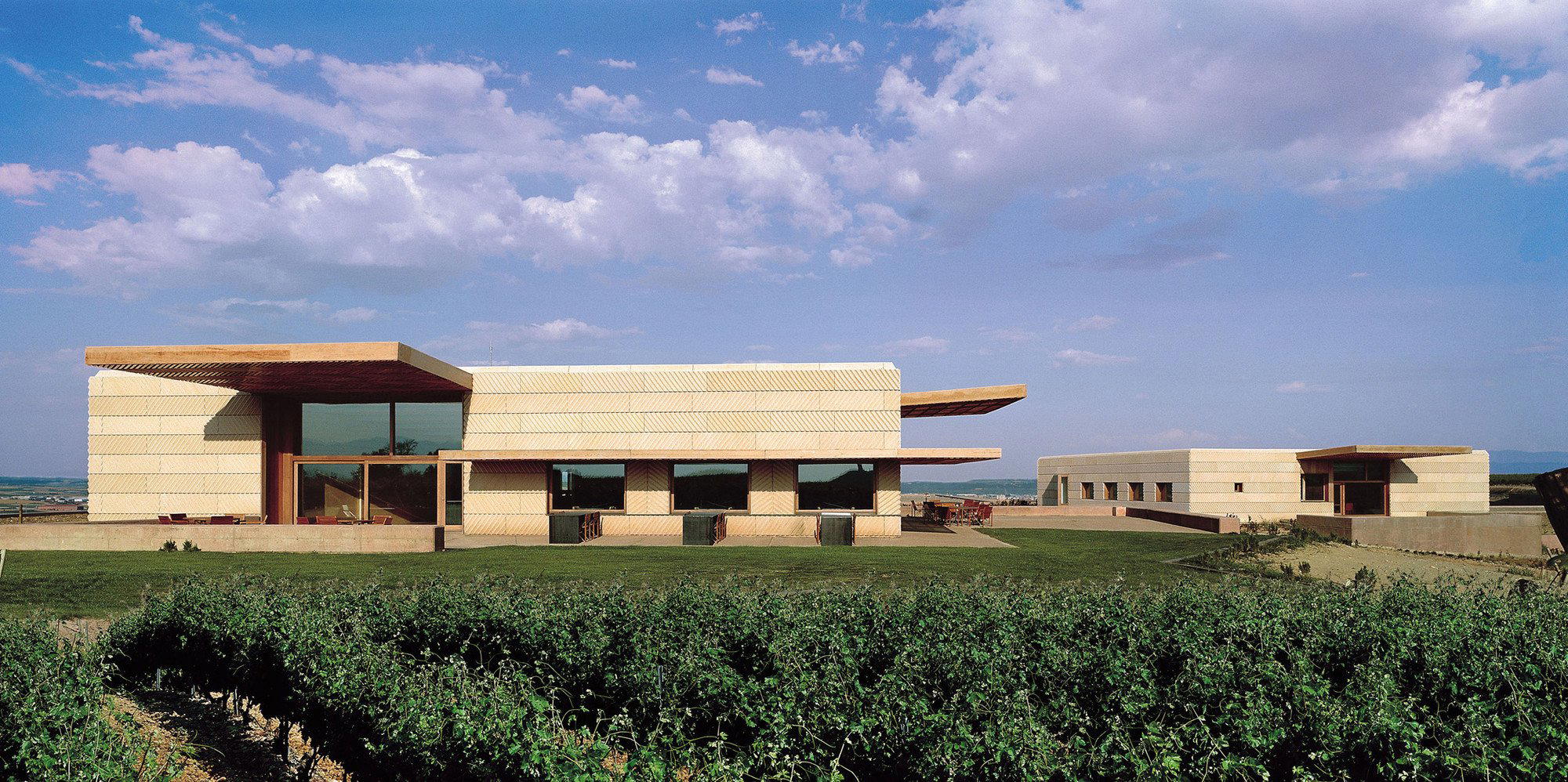
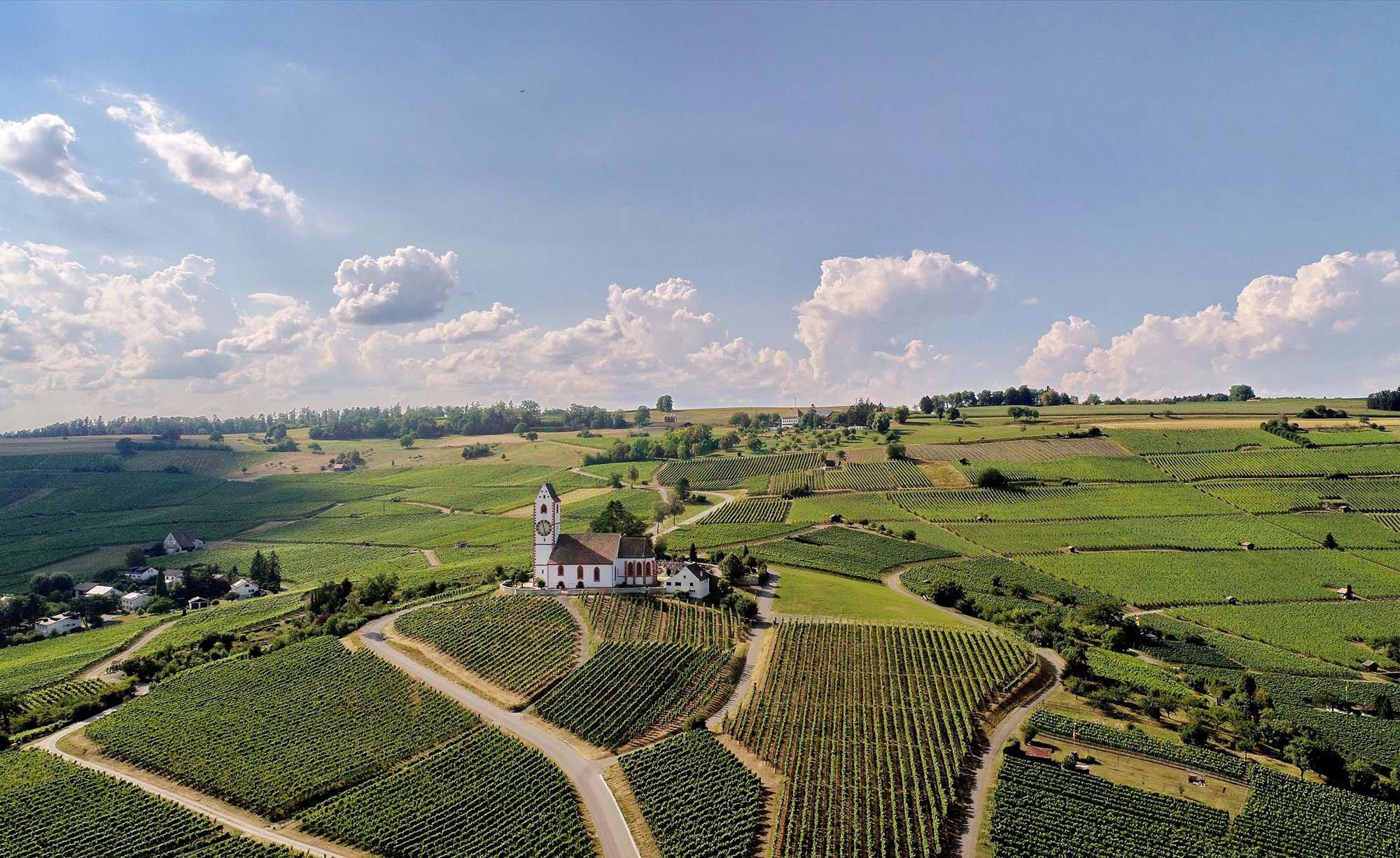
Pieropan sits within the historic Soave Classico hills, and the approach through a medieval town framed by castle walls gives the estate an unmistakably historic and refined presence. The winery’s profile is shaped as much by its geology as by its pedigree: ancient volcanic basalt and limestone soils drive a mineral, vertical expression in Garganega that feels precise rather than lush. With a recent Pearl 2 Star Prestige rating and influence among European sommeliers, the estate reads as sophisticated and quietly authoritative — a place where deep history and rigorous winemaking converge to reshape perceptions of Soave.
Best For
This is a place for people who come to learn as much as to drink: educators, sommeliers, and curious wine lovers benefit from the estate’s clear focus on terroir and Classico provenance. The dramatic medieval setting and hillside vineyards also make Pieropan well suited to a romantic getaway or a special-occasion visit, where the sense of place and the prestige of the bottlings enhance the moment. Visitors who value geology-driven wines and a measured, refined tasting experience get the most out of a stop here.
Tasting Tips
When selecting bottles, prioritize Pieropan’s Soave Classico expressions and any single-vineyard or Classico-designated Garganega bottlings — these most clearly communicate the estate’s basalt-and-limestone terroir. Look for prestige-designated cuvées noted in the description (the estate’s Pearl 2 Star Prestige rating signals standouts) and seek wines that show the vertical tension and mineral thread described here rather than broad, overt fruit. Ask staff about how the volcanic soils influence recent vintages to better understand differences by year and site.
Venue details
Ambiance
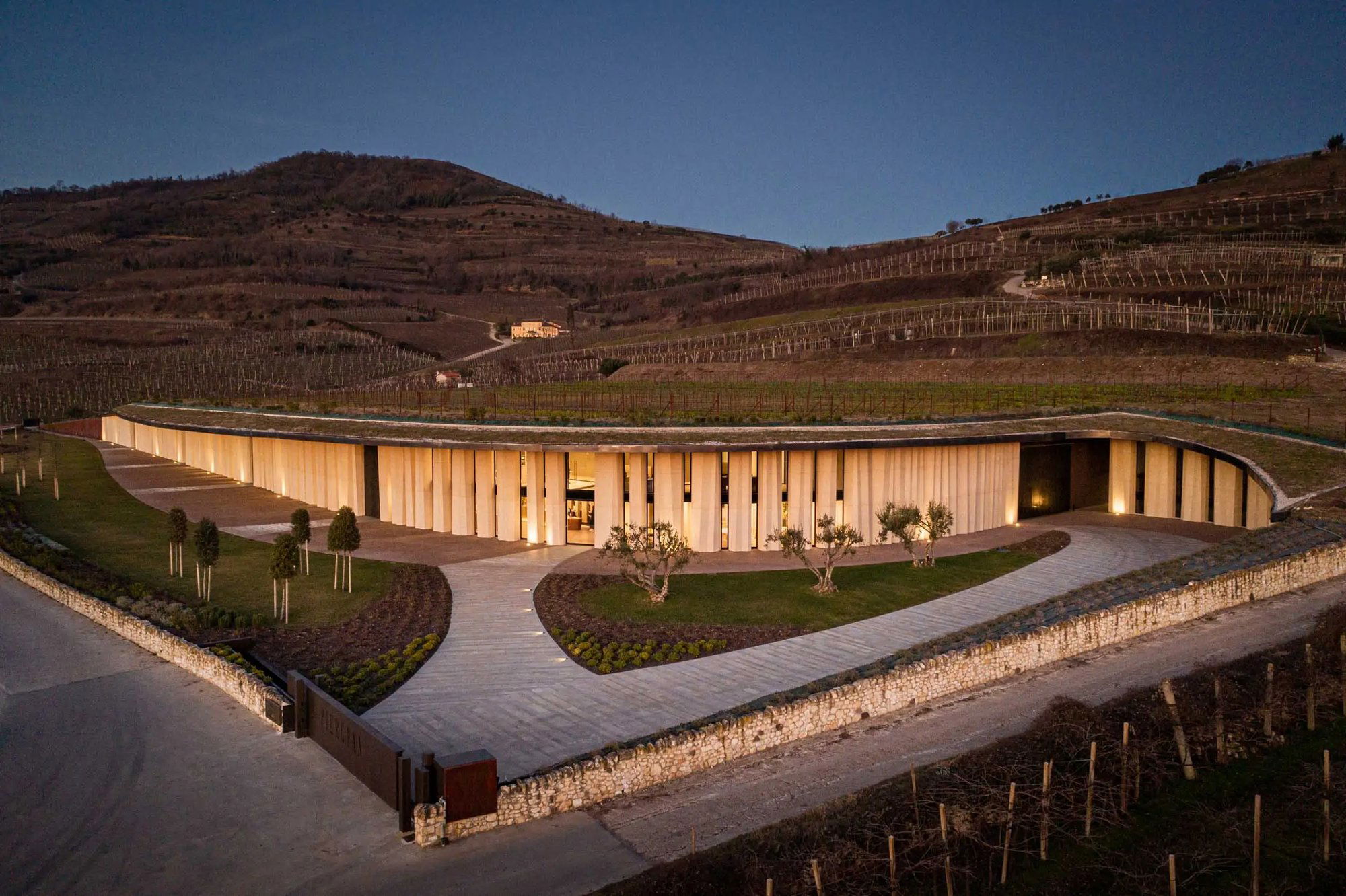
Refined and contemplative, with elegant modern design integrated into natural hillside setting; emphasis on terroir and wine quality over ostentation.
Tags
Vibe
Best For
Experience
Sourcing
View
At the Vineyard
- Appellation
- Soave Classico DOC
- Varietals
- Garganega, Trebbiano di Soave
- Tour Duration
- 90-120 minutes
- Tour Languages
- Italian, English
- Visits
- By reservation
- Farming
- Organic
- Wine Styles
- Still White
- Wine Club
- Not available
Know before you go
Know Before You Go
- Getting there
- Via Giacomo Matteotti, 37038 Soave VR
Planning details
Location
Recognition and awards

Also consider
If this is not available
Try Prà first if the goal is still a Soave wine day, then Gini if timing or group logistics need more flexibility. For a broader Veneto plan, compare against Bertani instead.
Winery context
How it compares in Soave
Pieropan is the pick for travelers who want a serious Soave anchor and are willing to plan around a difficult booking. Prà and Gini are the natural cross-shops for a Soave-focused day; choose them first if flexibility matters more than the prestige signal.
Romano Dal Forno and Bertani suit a broader Veneto itinerary better than a compact Soave day. They make more sense when the priority is a wider regional comparison rather than staying close to town.
Distilleria Schiavo is the alternative only if the group is open to moving from wine into spirits. For a special occasion centered on Soave wine, keep Pieropan as the first choice and use Prà or Gini as the practical fallback.
Explore Soave
Around this place
Discover more on Pearl
Unlock the full Pieropan guide in Pearl, including awards, comparisons, FAQs, planning details, and nearby places.
Compare Pieropan
| Venue | Location | Awards |
|---|---|---|
| Pieropan | Soave | 2026 Falstaff Winery Guide |
| Prà | Monteforte d'Alpone | 2026 Falstaff Winery Guide |
| Gini | Monteforte d'Alpone | 2026 Falstaff Winery Guide |
| Romano Dal Forno | Cellore d'Illasi | 2026 Falstaff Winery Guide |
| Bertani | Grezzana | 2026 Falstaff Winery Guide |
| Distilleria Schiavo | Costabissara | No published awards |
How Pieropan Soave compares with similar nearby venues.
FAQ
Frequently Asked Questions
How long should I plan for a visit to Pieropan?
Plan enough time for a proper stop in Soave, but confirm the current visit format and timing directly with Pieropan before you go. Pieropan is in Soave, has a smart casual dress code, and carries Pearl 2 Star Prestige (2025).
What practical details are for Pieropan?
Pieropan is in Soave, has a smart casual dress code, and carries Pearl 2 Star Prestige (2025). Other practical details should be confirmed directly with Pieropan.
When is the best time to visit Pieropan?
The best time depends on Pieropan's current availability and your Soave itinerary. Confirm timing directly with the venue before treating it as the anchor of the day.
Can Pieropan handle large groups?
If you are planning for a group, contact Pieropan directly and confirm what is possible before finalizing your plans.
How should I compare Pieropan with other venues?
Use the confirmed details as the baseline: Pieropan is in Soave, has a smart casual dress code, and carries Pearl 2 Star Prestige (2025). If you are comparing it with Prà, Gini, Bertani, Distilleria Schiavo, or Romano Dal Forno, verify each venue's current practical details directly.