

Yamazaki (Suntory)
Yamazaki, Shimamoto
Winery in Shimamoto, Japan
 Book with Pearl
The Read
Woodland Terroir Distilling
Price
$20–30tasting
Why go
Public venue details are withheld because Yamazaki is a whisky distillery, not a winery.
About Yamazaki (Suntory)
Yamazaki (Suntory) is a premium venue in Shimamoto with Pearl 5 Star Prestige recognition for 2025. Plan it as a Shimamoto stop, and check specific services, formats, prices, hours, menus, and visit options directly before you go.
The dress code is smart casual. That makes it suitable for a polished outing, but details such as seat count, tasting format, reservation rules, food service, beverage program specifics, and daytime versus evening operations should be checked directly with the venue.
Choose this for a confirmed prestige venue in Shimamoto
The strongest reason to prioritize Yamazaki (Suntory) is its Pearl 5 Star Prestige status in 2025. If that recognition matters for the occasion, it can serve as the central Shimamoto stop for the day.
If you are comparing it with other notable venues, consider Château Mercian Mariko Winery, Eigashima (White Oak), Hakushu (Suntory), Mars Shinshu Distillery, Shizuoka, or other dining in Shimamoto generically. Do not assume the same format, location, or visitor experience across those venues without checking current details directly.
How to plan the day around Shimamoto
Build your plan conservatively. Confirm current availability, timing, access, and any visit requirements directly before arranging the rest of the day. For broader local planning, you can also review Our full Shimamoto bars guide and other Shimamoto resources.
Verdict: prioritize Yamazaki (Suntory) if you want a Pearl 5 Star Prestige venue in Shimamoto and are comfortable checking the finer details before you go. Choose another option if you need specifics on format, hours, pricing, menus, or services before committing.
Planning details
- Location
- 5-chōme-2-1 Yamazaki, Shimamoto, Mishima District, Osaka 618-0001
- Website
- suntory.co.jp/factory/yamazaki
- Phone
- +81 75-962-1423
The take
The Take
The Vibe
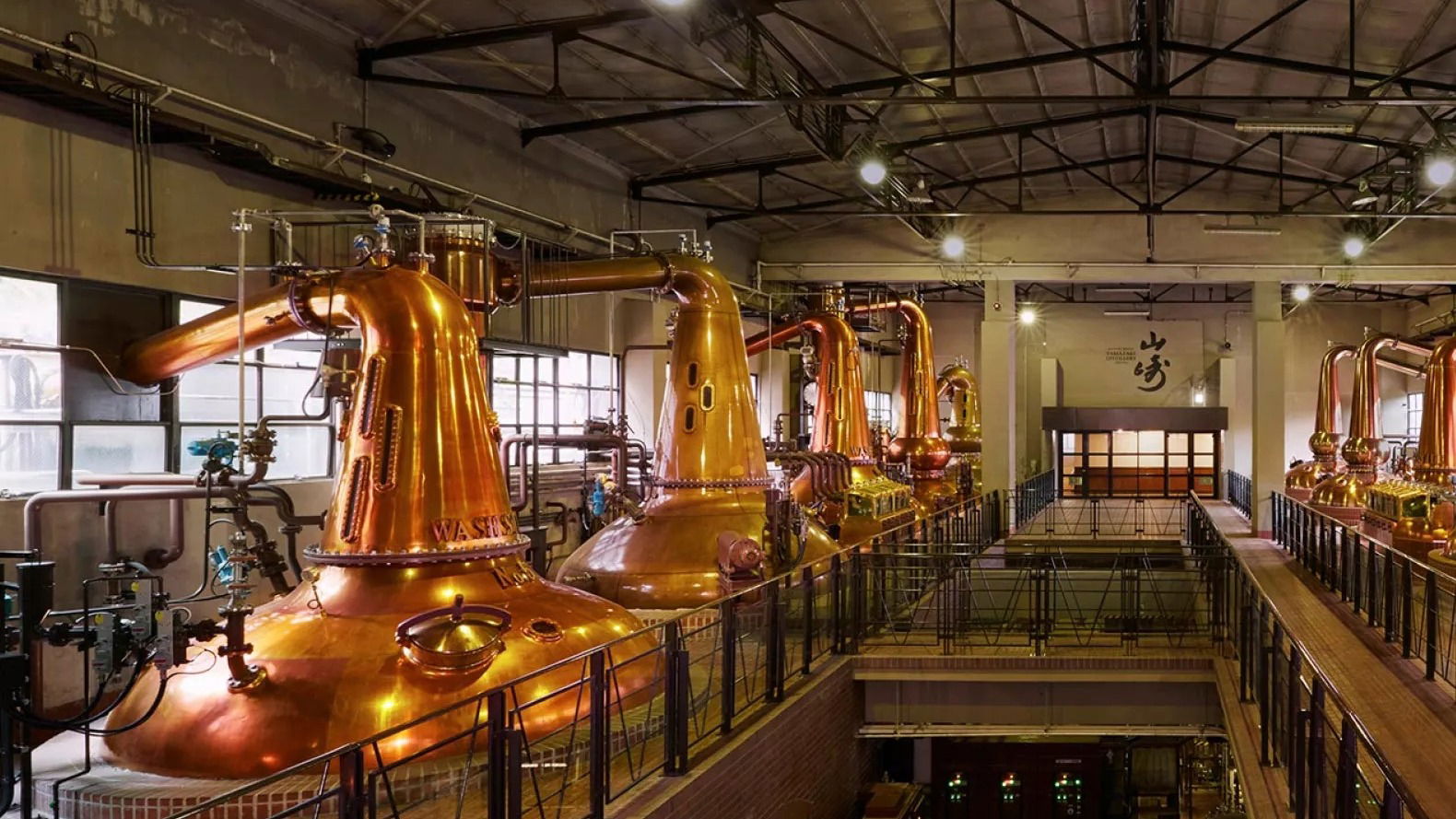
Yamazaki presents a measured, contemplative tone shaped as much by place as by craft. The distillery sits in a fog-prone valley where cedar-clad slopes and shifting river mist are treated as active ingredients in maturation, and its warehouses and long-running cooperage practices lend a classic, deliberate air. Visitors encounter a sophisticated, almost academic approach to whisky — a site that favors subtlety over flash and rewards attention to nuance: the interplay of mizunara, ex-bourbon, ex-sherry and wine casks, and the quiet authority of a single-site program that has been operating since 1923.
Best For
This is a destination for people who come for study as much as for sipping. Collectors, critics and curious solo visitors seeking an in-depth look at single-site malt production and cask-driven variation get the most from Yamazaki. The distillery’s historic pedigree and collectible, age-statement expressions also make it fitting for special-occasion visits where provenance and rarity matter. Because the story here centers on terroir, cooperage and internal blending ranges, it particularly suits travelers who value education, comparative tasting and the regional context that shapes Japanese single malt.
Tasting Tips
When exploring Yamazaki’s lineup, focus on how cask type shapes flavour. Seek out expressions that showcase mizunara oak for its sandalwood and incense notes, then compare those to ex-bourbon, ex-sherry and Bordeaux wine-cask matured releases to hear the contrasts. Prioritize age-statement bottlings if you want concentrated examples of the distillery’s long-range style. Ask about the cask library or any tasting flights that highlight different maturation regimens — the distillery’s core argument rests on its internal cask diversity, so comparative sips reveal the clearest picture of what makes Yamazaki distinctive.
Venue details
Ambiance
Serene and misty valley setting nestled between mountains with an atmospheric underground cellar featuring strong whisky aromas and elegant tasting rooms.
Tags
Vibe
Best For
Experience
View
At the Vineyard
- Appellation
- Yamazaki
- Tour Duration
- 60-90 minutes
- Tour Languages
- Japanese, English
- Visits
- By reservation
- Farming
- Sustainable
- Production
- Large producer
- Wine Club
- Available
Know before you go
Know Before You Go
- Getting there
- 5-chōme-2-1 Yamazaki, Shimamoto, Mishima District, Osaka 618-0001
Planning details
Location
5-chōme-2-1 Yamazaki, Shimamoto, Mishima District, Osaka 618-0001 · Directions
Also consider
Also Consider
- Eigashima (White Oak), Notable alternative
- Mars Shinshu Distillery, Notable alternative
- Shizuoka, Notable alternative
- Hakushu (Suntory), Notable alternative
- Château Mercian Mariko Winery, Notable alternative
Winery context
How it compares with Japan's other serious tasting stops
Yamazaki (Suntory) is the splurge-in-effort choice: choose it when brand recognition and a polished flagship setting matter more than flexibility. Eigashima (White Oak) is the better cross-shop for travelers who want a lower-key alternative in the Kansai orbit, while Mars Shinshu Distillery is better for people willing to travel for mountain setting and a more destination-led day.
Hakushu (Suntory) is the cleanest peer if the decision is specifically between Suntory sites: pick Yamazaki for the Osaka-Kyoto corridor, Hakushu for a nature-forward itinerary. Shizuoka is the stronger option for whisky fans who care more about production curiosity than the flagship name.
If the group includes wine drinkers, Château Mercian Mariko Winery makes more sense than forcing a whisky-only day. For a celebration, Yamazaki remains the clearer status pick; for value and easier planning, the alternatives are less punishing.
Explore Shimamoto
Around this place
Discover more on Pearl
Unlock the full Yamazaki (Suntory) guide in Pearl, including awards, comparisons, FAQs, planning details, and nearby places.
Compare Yamazaki (Suntory)
| Venue | Location | Awards |
|---|---|---|
| Yamazaki (Suntory) | Shimamoto | No published awards |
| Eigashima (White Oak) | Akashi | No published awards |
| Mars Shinshu Distillery | Miyada | No published awards |
| Shizuoka | Shizuoka | No published awards |
| Hakushu (Suntory) | Hokuto | No published awards |
| Château Mercian Mariko Winery | Nagano | 2025 World's 50 Best Vineyards · #462023 World's 50 Best Vineyards · #382021 World's 50 Best Vineyards · #332020 World's 50 Best Vineyards · #30 |

How Yamazaki (Suntory) Shimamoto compares with similar nearby venues.
FAQ
Frequently Asked Questions
What other venues can I compare with Yamazaki (Suntory)?
Yamazaki (Suntory) is in Shimamoto. For comparison research, Château Mercian Mariko Winery, Hakushu (Suntory), Eigashima (White Oak), Mars Shinshu Distillery, and Shizuoka may be useful names to check separately. Confirm each venue's current location, access, and visit details directly.
Do I need a reservation at Yamazaki (Suntory)?
What is Yamazaki (Suntory) known for here?
Yamazaki (Suntory) is a Pearl 5 Star Prestige 2025 venue in Shimamoto with a smart casual dress code. Check directly with the venue for current menus, services, formats, prices, and visit details.
Does Yamazaki (Suntory) offer memberships or special programs?
When is the best time to visit Yamazaki (Suntory)?
Check current hours and availability directly before planning your Shimamoto visit. The key details are its smart casual dress code and Pearl 5 Star Prestige recognition for 2025.