
Winery in Senftenberg, Austria
Wein-Gut Nigl
500ptsSchist-Ridge Kamptal Precision
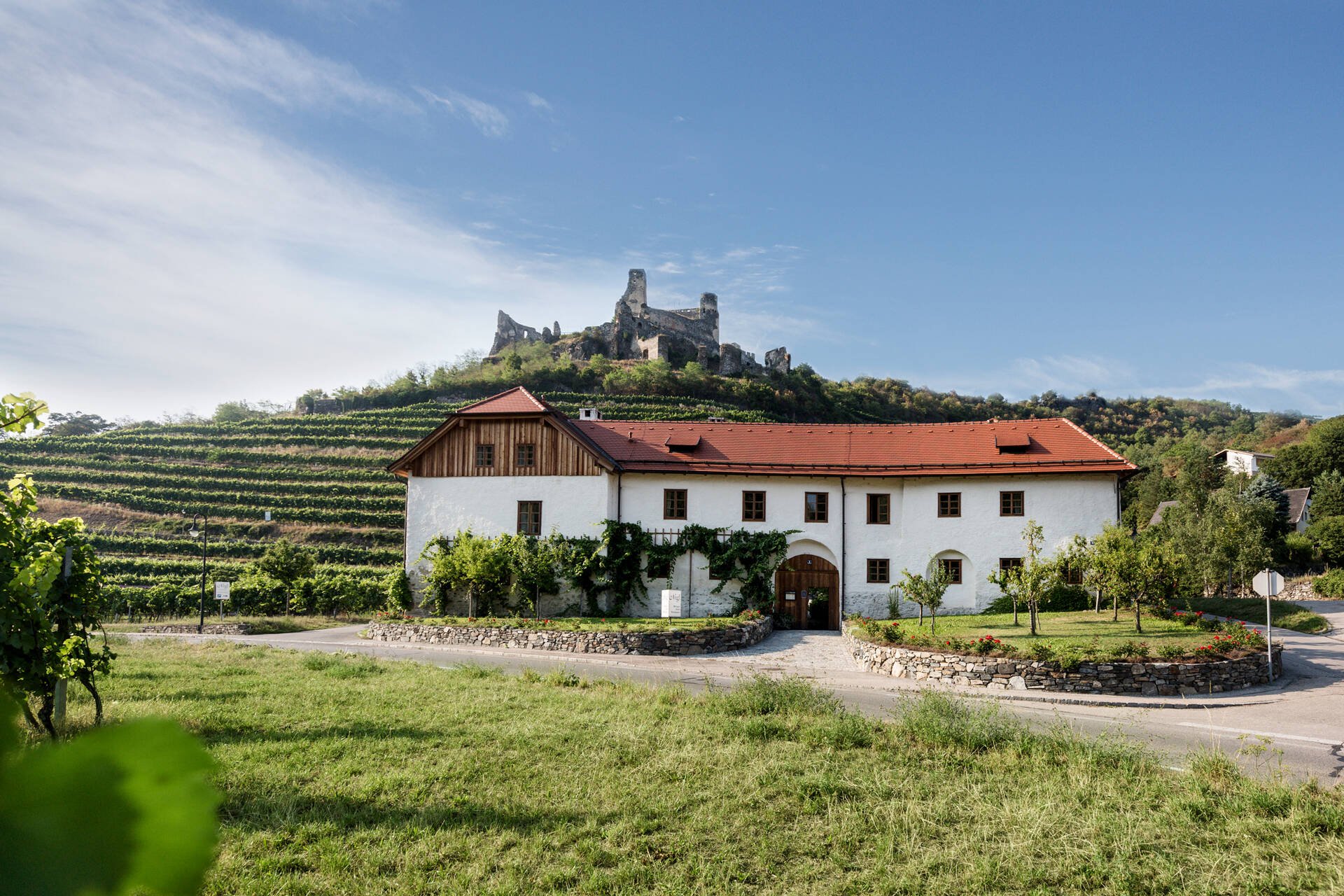
About Wein-Gut Nigl
Wein-Gut Nigl sits at Kirchenberg 1 in Senftenberg, in the Kamptal wine region of Lower Austria, where crystalline schist soils and the Danube's moderating influence shape wines of notable precision. The estate holds a Pearl 2 Star Prestige rating for 2025, placing it firmly among Austria's serious producer tier. Visitors seeking direct engagement with Kamptal's terroir character will find this address a credible reference point.
Kamptal's Schist Ridge and What It Produces
The village of Senftenberg sits on the eastern edge of the Kamptal wine region in Lower Austria, where the valley carved by the Kamp river creates a thermal corridor between the cooler forested hills to the north and the warmer Danube plain to the south. This gradient matters. Vineyards on the steep slopes above Senftenberg experience warm days and cool nights through the growing season, a diurnal swing that preserves acidity in white wines while allowing phenolic ripeness to develop. The underlying geology here is predominantly crystalline schist and gneiss, among the oldest rock formations in the region, and their mineral composition expresses itself in wines with a structural tension that separates Kamptal's leading sites from Austria's more volcanically influenced or loess-based appellations. Wein-Gut Nigl, at Kirchenberg 1, sits within this geological context, and that address is the starting point for understanding what the estate produces.
A Pearl in Lower Austria's Prestige Tier
In 2025, Wein-Gut Nigl received a Pearl 2 Star Prestige rating, a designation that places it within a select peer group of Austrian wine producers operating at the upper tier of critical recognition. The Pearl system, which evaluates consistency, typicity, and overall quality across a producer's range, uses its two-star prestige designation to signal estates where quality is not confined to a single flagship wine but runs across the portfolio. For Kamptal specifically, this matters: the region's most credible producers are generally expected to demonstrate that their terroir-driven approach holds across different site designations and price points, not just in premium single-vineyard releases. Wein-Gut Nigl's 2025 recognition places it alongside estates like Weingut Bründlmayer in Langenlois, which has long anchored Kamptal's international reputation for Grüner Veltliner and Riesling of serious provenance.
Across Austria more broadly, this tier of recognition is competitive. Producers in Wachau, such as Weingut Emmerich Knoll in Dürnstein, operate under the region's own Smaragd classification system and set a reference point for what Austria's prestige white wine tier looks like at the most established level. Nigl's positioning in Kamptal, with its own distinct terroir vocabulary, represents a parallel rather than subordinate tradition: schist-derived tension as opposed to Wachau's loess-and-primary-rock complexity.
The Terroir Case: What Kirchenberg's Elevation Delivers
The Kirchenberg itself, the hillside site that gives the estate its postal address, is representative of the kind of steep, south-facing slope that has defined Senftenberg's wine identity for generations. Steeper gradient means better drainage, which in turn means root systems that penetrate deeper into fractured schist to reach water and nutrients. This depth of root contact, in combination with the region's continental-influenced climate, produces grapes with concentrated flavour development and retained natural acidity, the combination that makes Kamptal Riesling and Grüner Veltliner age-worthy rather than simply refreshing.
Grüner Veltliner, Austria's signature white variety, responds particularly well to schist and gneiss soils in this part of Lower Austria. The mineral salinity that characterises these geological formations translates into wines with a peppery, herb-edged quality and a finish that is driven by texture rather than fruit weight alone. Riesling, the other anchor variety for Kamptal's serious producers, produces wines here that lean drier and more mineral-precise than their Alsatian counterparts, tracking closer to the bone-dry, high-acid style associated with Germany's Mosel and Nahe regions. Both varieties benefit from the schist's natural low fertility, which controls vine vigour and concentrates the crop.
Senftenberg in Regional Context
Senftenberg is a small settlement, not a wine tourism hub in the way that Krems or Langenlois are. This has consequences for how visitors approach Wein-Gut Nigl and the wider area. The village sits roughly an hour's drive from Vienna, making it a viable day trip from the capital for those with their own transport, though public access is limited. The Kamptal's wine route connects Senftenberg to larger wine towns to the south, and combining a visit with stops in Langenlois or Krems is the standard approach for visitors investing time in the region. For context on Senftenberg's full range of options, our full Senftenberg restaurants guide maps the area's broader visitor proposition.
The closest significant reference producer within Senftenberg itself is Weingut Familie Proidl, which works similar geological material and offers a useful comparison point for understanding how Senftenberg's specific terroir expresses itself across different producers and winemaking approaches. When assessing any single estate in a village this small, comparing across local peers is the most reliable method for isolating what is site-driven versus what reflects individual producer decisions.
Austria's Wider Prestige Producer Network
Austria's premium wine tier has become increasingly coherent over the past two decades, with the country's quality association (the Austrian Wine Marketing Board's DAC system) gradually clarifying regional identity across its major appellations. Kamptal DAC, the region's controlled designation, applies to Grüner Veltliner and Riesling specifically, providing a framework within which producers like Nigl can stake out a quality claim that is both geographically legible and variety-specific.
Beyond Kamptal, Austria's prestige producers span a wide geographic range. The Burgenland produces both the country's most discussed reds and its celebrated sweet wines: Weingut Kracher in Illmitz is the most internationally recognised name in the latter category, while Weingut Pittnauer in Gols represents a more recent generation working with natural approaches to red and orange wine. In Styria, Weingut Wohlmuth in Kitzeck demonstrates how the country's southernmost wine region produces a distinctly different flavour profile rooted in volcanic and slate soils. Near Vienna, Weingut Heinrich Hartl in Oberwaltersdorf represents the Thermenregion's emerging premium identity. Each of these operates within a national quality framework that Wein-Gut Nigl's Pearl 2 Star Prestige rating places it firmly alongside.
Austria's craft spirits producers are also increasingly visible internationally, with operations like the 1516 Brewing Company Distillery in Vienna, the 1310 Spirit of the Country Distillery in Sierning, and the A. Batch Distillery in Bergheim extending the country's reputation for precision and terroir sensitivity beyond wine. For visitors building a wider itinerary, the 1404 Manufacturing Distillery in Sankt Peter-Freienstein adds a cross-border dimension. Internationally, Aberlour in Aberlour and Weingut Scheiblhofer Distillery in Andau provide further reference points for premium producer craft across different categories, while Accendo Cellars in St. Helena illustrates how allocation-based prestige winery models operate outside Austria's cooperative tradition entirely.
Planning a Visit
Wein-Gut Nigl's address at Kirchenberg 1, 3541 Senftenberg places it within the village itself, on the hillside that defines its name. Phone and website details are not published in current records, so visitors should contact the estate directly through Austrian wine tourism directories or regional wine association channels to confirm tasting room availability and booking requirements before travelling. Senftenberg is a rural address, and arriving without confirmed access to the estate is a genuine risk, particularly outside the harvest period from September through October when producer availability at smaller family estates tends to peak. Spring and early summer, when new vintages are being presented, is a second reliable window, though individual estate schedules vary. Driving from Vienna via the A22 and then smaller regional roads is the practical approach; the journey is approximately one hour under normal conditions.
Frequently Asked Questions
What do visitors recommend trying at Wein-Gut Nigl?
Wein-Gut Nigl holds a Pearl 2 Star Prestige rating for 2025, which reflects quality across the producer's range rather than a single standout wine. In Kamptal, the region's anchor varieties are Grüner Veltliner and Riesling, and both are shaped here by schist and gneiss soils that produce wines with mineral precision and natural acidity. Visitors engaged with the region's terroir should consider tasting across site designations if possible, as the difference between valley-floor and steep-slope parcels in Senftenberg illustrates the geological argument more clearly than any single bottle.
What should I know about Wein-Gut Nigl before I go?
Senftenberg is a small village in the Kamptal region of Lower Austria, not a large wine tourism town, so visits to Wein-Gut Nigl require advance planning. The estate's Pearl 2 Star Prestige recognition for 2025 confirms its position within Austria's serious producer tier, but contact details and tasting availability are not published in current public records. Reach out through regional wine tourism channels before making the trip, and combine the visit with other Kamptal producers to make the journey from Vienna worthwhile.
Is Wein-Gut Nigl reservation-only?
Current records do not publish booking method, phone, or website information for Wein-Gut Nigl. Given the estate's Pearl 2 Star Prestige standing and its location in a small village rather than a high-traffic wine town, operating on an appointment or reservation basis would be consistent with how comparable Austrian prestige producers handle visitor access. Contacting the estate through the Kamptal wine region's official tourism resources or the Austrian Wine Marketing Board's producer directory is the recommended first step before planning a visit.
How does Wein-Gut Nigl's Pearl 2 Star Prestige rating compare to other Kamptal producers?
The Pearl 2 Star Prestige designation, awarded to Wein-Gut Nigl for 2025, sits within a recognition framework that evaluates consistency and typicity across a producer's full range. In Kamptal, where the most credible producers demonstrate that their terroir-driven approach holds across multiple site designations, this tier of rating signals a portfolio-wide standard rather than a single exceptional release. It places Nigl in a peer group alongside the region's most established names and reinforces Senftenberg's status as one of Kamptal's geologically distinctive production zones.
Related editorial
- Best Fine Dining Restaurants in ParisFrom three-Michelin-star icons to the next generation of Parisian chefs pushing boundaries, these are the restaurants that define fine dining in the world's culinary capital.
- Best Luxury Hotels in RomeFrom rooftop terraces overlooking ancient ruins to Michelin-starred hotel dining, these are the luxury hotels that make Rome unforgettable.
- Best Cocktail Bars in KyotoFrom sleek lounges to hidden speakeasies, Kyoto's cocktail scene blends Japanese precision with global influence in ways you won't find anywhere else.
Save or rate Wein-Gut Nigl on Pearl
Keep this venue in your Pearl passport, rate it after you visit, and track it alongside every other place you collect.