

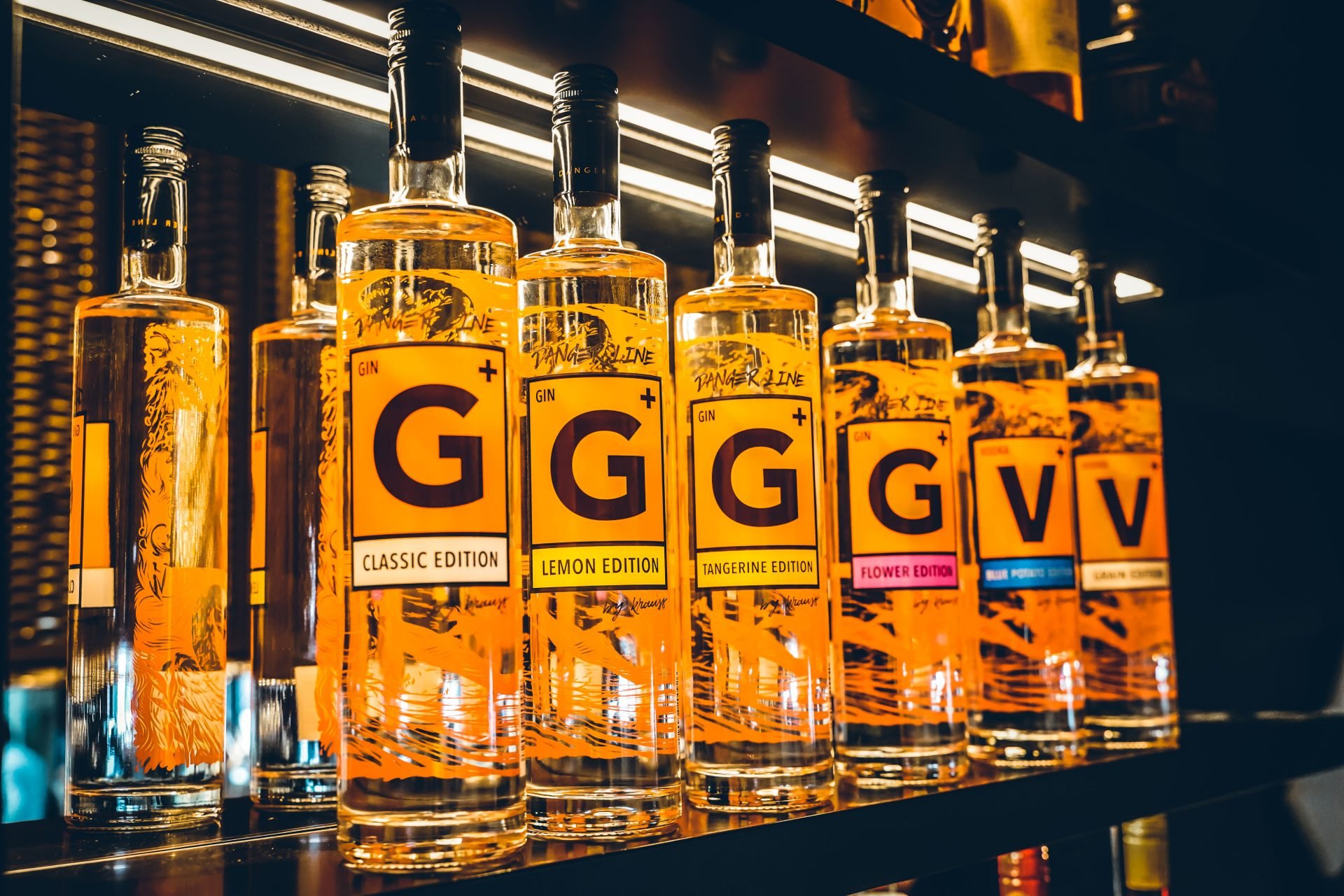
Destillerie Krauss
Schwanberg
Winery in Schwanberg, Austria
 Book with Pearl
The Read
Styrian Spirit Artistry
Why go
Destillerie Krauss is worth targeting if the brief is serious spirits in the Schwanberg area, not a food-led winery lunch. The appeal is focus and regional depth, but access is difficult enough that travelers should plan a backup from nearby distilleries or wineries rather than building the whole day around a single uncertain appointment.
About Destillerie Krauss
Destillerie Krauss is a Schwanberg venue with Pearl 2 Star Prestige (2025). Dress is casual. Confirm public-facing essentials for a visit directly before building an itinerary around it.
Do not rely on assumptions about food service, tasting format, prices, hours, or a broader hospitality program. For a visit in Schwanberg, confirm details directly and use our full Schwanberg wineries guide if wine tasting is the main brief.
Choose it for a Schwanberg stop with recognition
The clearest reason to put Destillerie Krauss on a Schwanberg itinerary is its Pearl 2 Star Prestige (2025). It is best approached as a specific venue stop rather than as a place where extras should be assumed.
If the group is comparing producers and wine-focused options more broadly, Weingut Wohlmuth and Weingut Erwin Sabathi are natural names to consider. For another distillery-oriented comparison, Feindestillerie Stelzl, Aeijst Gin Distillery, and Destillerie Weutz may also be useful reference points.
Plan the wider route if the slot does not land
If a visit to Destillerie Krauss does not fit your timing, broaden the plan with other comparison venues rather than forcing the date. Aeijst Gin Distillery, Destillerie Weutz, Feindestillerie Stelzl, Weingut Erwin Sabathi, and Weingut Wohlmuth are relevant names to keep in mind, depending on whether the day is built around distillery visits or wine-focused stops.
Quick reference: Destillerie Krauss is in Schwanberg, has Pearl 2 Star Prestige (2025), and has a casual dress code. Confirm any visit details directly before relying on them.
Planning details
- Location
- Aigen 52, 8543 St. Martin im Sulmtal
- Website
- distillery-krauss.com
- Phone
- +43 3465 20800
The take
The Take
The Vibe
Destillerie Krauss presents an understated, rural character rooted in the Styrian hills. The operation sits off main tourist routes on farm roads, embracing a quieter, small-scale approach to spirit production. The landscape—sloped terrain, diurnal temperature swings and agricultural surroundings—shapes concentrated, site-specific fruit used in the Austrian Obstbrand tradition. Rather than a showy visitor attraction, the distillery reads as a working craft site: focused, regional and quietly proud of its award-oriented, labour-intensive methods. The overall impression is a scenic, rustic hidden gem for people who value terroir-driven distillation over tourist-oriented presentation.
Best For
This is a go-to place for anyone interested in craft distilling, terroir-led spirits and educational visits about Austrian Obstbrand methods. Because the distillery operates within a small-batch, award-focused model and sits in a working agricultural valley, it suits enthusiasts, industry professionals and students seeking insight into how site and climate influence fruit for distillation. Expect a focus on production, provenance and specialist conversation rather than commercial retail theatre—ideal for organised educational visits or serious tastings that emphasise technique and regional expression.
Venue details
Ambiance
Rustic garage distillery atmosphere with focus on craftsmanship and purity.
Tags
Best For
Experience
Sourcing
View
At the Vineyard
- Appellation
- Styria
- Varietals
- plum, pear, apple, grape, raspberry
- Tour Duration
- 60-90 minutes
- Tour Languages
- German, English
- Visits
- By appointment only
- Production
- Small producer
- Wine Club
- Not available
Know before you go
Know Before You Go
- Getting there
- Aigen 52, 8543 St. Martin im Sulmtal
Planning details
Location
Also consider
Where to look if this is not available
If the booking does not work, try Feindestillerie Stelzl or Destillerie Weutz for a similar distillery direction. If the group wants gin specifically, Aeijst Gin Distillery is the cleaner cross-shop; if the day needs wine and easier meal planning, look at Weingut Wohlmuth or Weingut Erwin Sabathi.
Winery context
How it compares with nearby distilleries and wineries
Choose Destillerie Krauss when the priority is a spirits-led Schwanberg stop and the schedule can handle a difficult booking. Feindestillerie Stelzl and Destillerie Weutz are the closest comparison set by format, so they make more sense than a winery if the group is interested in distillation rather than vineyard context.
If the day needs wine, broader food compatibility, or a more familiar tasting rhythm, cross-shop Weingut Wohlmuth and Weingut Erwin Sabathi instead. Those are stronger fits for travelers who want the visit to sit naturally around lunch or a cellar-door route. For gin specifically, Aeijst Gin Distillery is the cleaner alternative.
On value, the decision is less about price and more about opportunity cost: a hard-to-secure appointment is worth chasing only if the category matters to the group. For mixed groups, the safer move is a winery; for spirits-focused travelers, keep Destillerie Krauss high on the list and hold Stelzl, Weutz, or Aeijst as backup options.
Explore Schwanberg
Around this place
Discover more on Pearl
Unlock the full Destillerie Krauss guide in Pearl, including awards, comparisons, FAQs, planning details, and nearby places.
Compare Destillerie Krauss
| Venue | Location | Awards |
|---|---|---|
| Destillerie Krauss | Schwanberg | No published awards |
| Feindestillerie Stelzl | St. Johann im Saggautal | No published awards |
| Weingut Wohlmuth | Kitzeck | 2026 Falstaff Winery Guide |
| Aeijst Gin Distillery | Sankt Nikolai im Sausal | No published awards |
| Destillerie Weutz | Sankt Nikolai im Sausal | No published awards |
| Weingut Erwin Sabathi | Leutschach | 2026 Falstaff Winery Guide |

How Destillerie Krauss Schwanberg compares with similar nearby venues.
FAQ
Frequently Asked Questions
When is the best time to visit Destillerie Krauss?
Treat Destillerie Krauss as a Schwanberg stop with Pearl 2 Star Prestige (2025), and confirm timing directly before planning around it.
Does Destillerie Krauss offer shipping?
Does Destillerie Krauss serve food?
Do not plan a meal around the venue unless you have confirmed details directly.
Does Destillerie Krauss offer memberships or clubs?
Base any membership decision on details confirmed directly with the venue.
What other venues are useful comparisons for Destillerie Krauss?
Weingut Wohlmuth and Weingut Erwin Sabathi are useful wine-focused names to consider when planning more broadly. For distillery-oriented comparisons, Aeijst Gin Distillery, Destillerie Weutz, and Feindestillerie Stelzl are also relevant.