
Château Duhart-Milon
Pauillac, Sauternes
Winery in Sauternes, France
 Book with Pearl
The Read
Médoc Classified-Growth Precision
Why go
A serious Pauillac choice for collectors and special occasions, not a casual Sauternes add-on. Château Duhart-Milon is worth pursuing when the visit is the anchor of the day, especially for a private or upgraded tasting; for easier logistics, compare Château Lynch-Bages, Château Pédesclaux, or Château Grand-Puy-Ducasse.
About Château Duhart-Milon
For planning, approach Château Duhart-Milon in Sauternes with a focused brief: oenologist Eric Kohler, smart casual dress, 3 Star Prestige recognition for 2025. Check current hours, visit formats, menus, prices, group capacity, shipping, other services directly with the venue before building them into an itinerary.
Book this if the appeal is Château Duhart-Milon itself and you are comfortable checking the practical details before committing. The safest planning approach is to keep the visit focused, dress smart casual, confirm any access, timing, purchasing, or hospitality questions through the venue's official channels.
A Sauternes planning note for Château Duhart-Milon
The main decision is whether Château Duhart-Milon fits the purpose of the day. If you are comparing it with other château venues, Château Grand-Puy-Ducasse, Château Grand-Puy-Lacoste, Château Haut-Bages-Libéral, Château Lynch-Bages, Château Pédesclaux are reasonable reference points for a broader itinerary, but do not assume the same services, access, or visitor setup without checking each venue directly.
For Château Duhart-Milon, plan around Eric Kohler as oenologist, smart casual dress, the venue's 3 Star Prestige recognition for 2025. Any more specific plan should be built only after confirming current arrangements with the venue.
Build the day around confirmed details
Do not build the itinerary around assumptions such as lunch, tastings, private formats, retail options, delivery, or event capacity. If the trip is focused on Sauternes, use our full Sauternes wineries guide for broader regional planning, then add our full Sauternes restaurants guide around meals and timing.
For readers comparing regional trips, keep Château Duhart-Milon in the plan only if its profile matches the occasion. Otherwise, compare it generally with other dining and venue options in Sauternes and confirm the practical details before setting the day around it.
Planning details
- Location
- 1 Rue Pierre Castéja, 33250 Pauillac
- Website
- lafite.com/fr
- Phone
- +33 5 56 59 03 60
The take
The Take
The Vibe
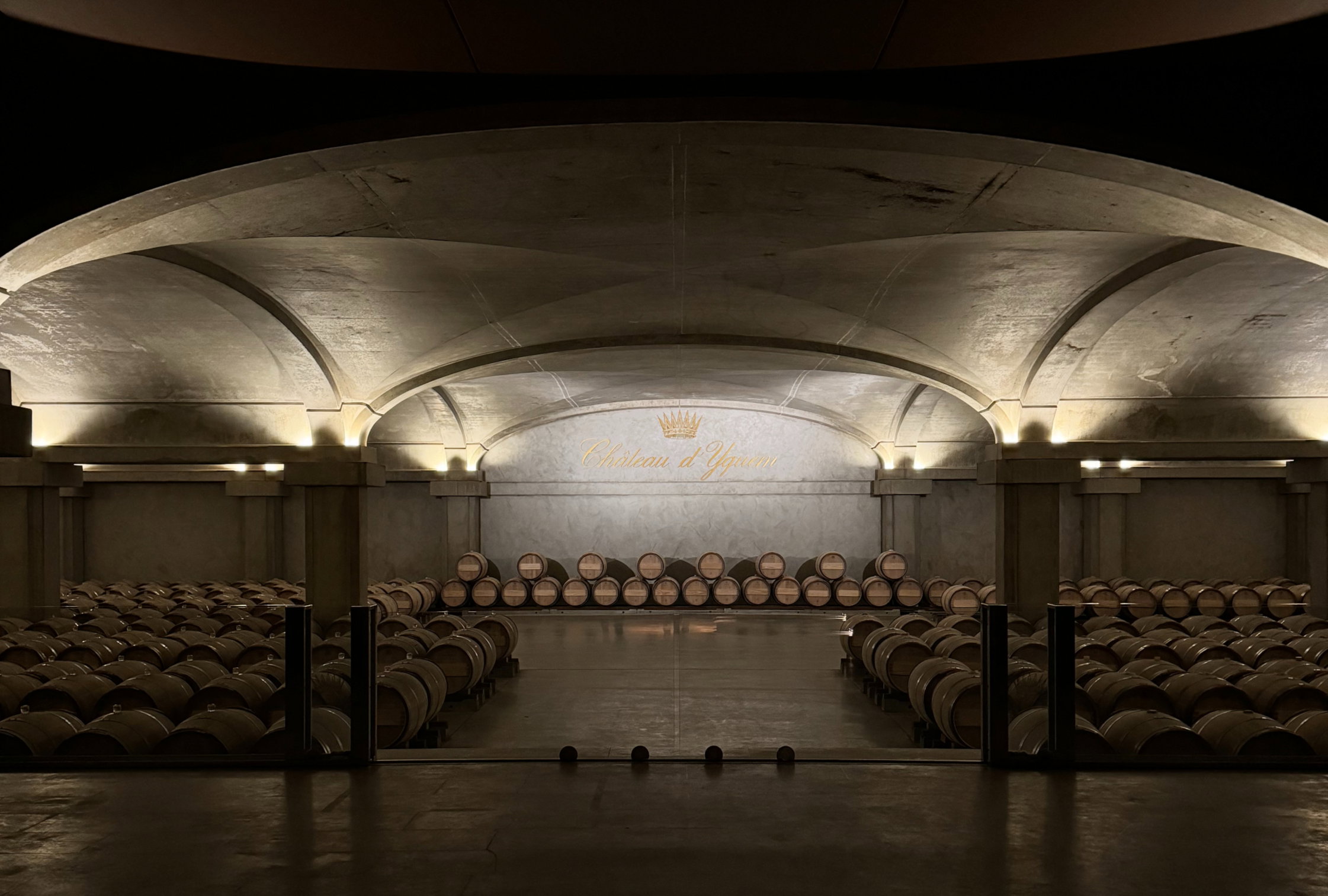
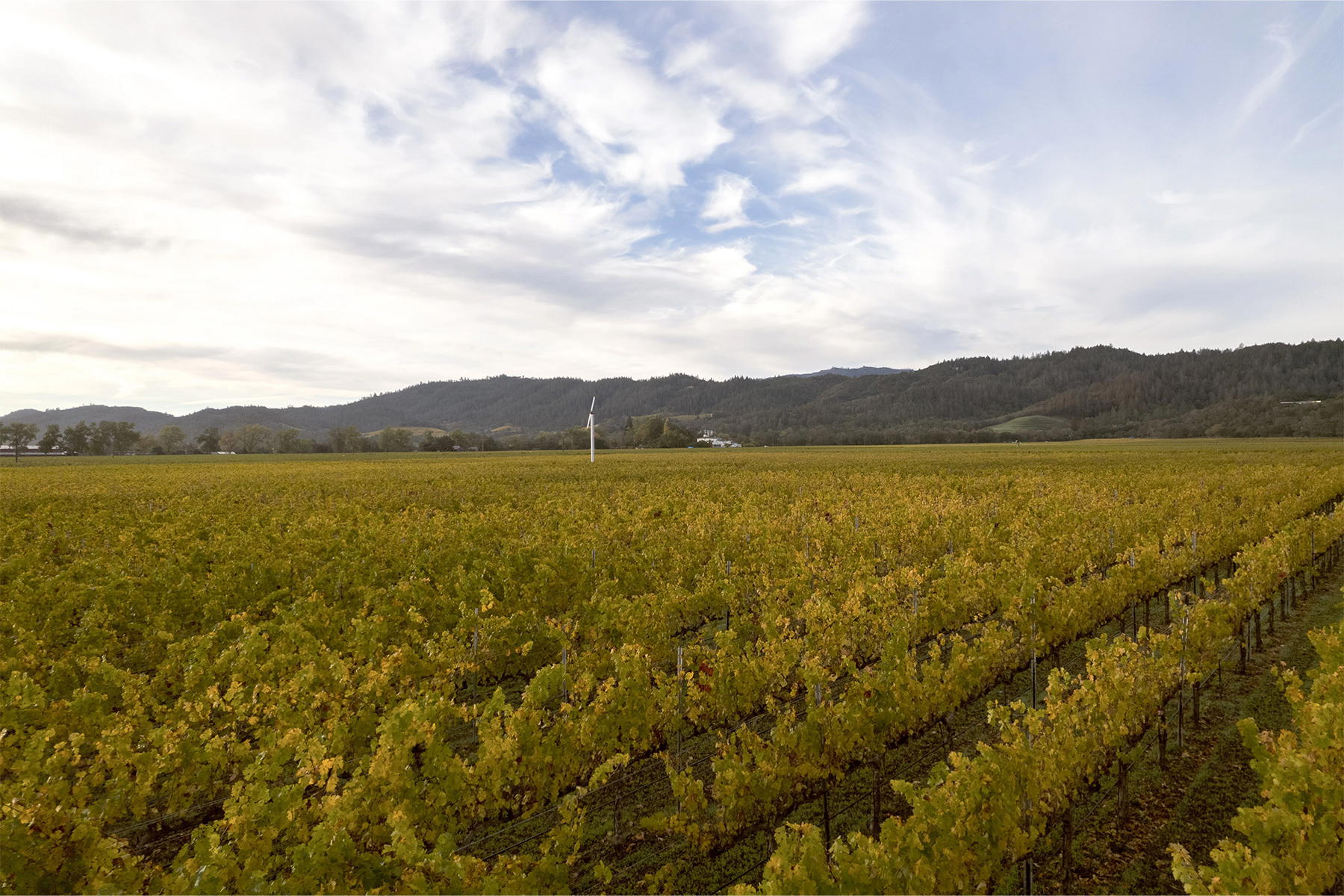
Château Duhart-Milon reads like a study in continuity and restraint. Its recorded history back to 1776 anchors the estate in a long Bordeaux lineage, and the wines reflect that provenance: structured, deliberate and built to reveal themselves over time. The narrative here is less about immediate flamboyance and more about terroir-driven precision — gravelly soils, river influence and careful élevage in older wood. Readers should expect a place that feels established and quietly authoritative, where patience and a measured technical approach produce wines that prize balance and clarity over sheer extraction.
Best For
This is a property best approached with intention: it suits anyone interested in wine education, cellar-building and the subtleties of Pauillac terroir. The estate’s emphasis on slow development and vintage-by-vintage nuance makes visits and tastings particularly rewarding for groups of collectors or enthusiasts who want to compare vintages and understand élevage decisions. It’s also naturally aligned with special occasions when a memorable, well-structured bottle is called for — moments that merit a wine with history and the capacity to age, rather than immediate, unabashed fruitiness.
Tasting Tips
When selecting bottles from Duhart-Milon, favour examples that have had some time in bottle or plan to cellar them: the estate’s wines are repeatedly described as needing time to show their full argument. Look for vintages that illustrate balance and terroir expression rather than aggressive new-oak signatures; the text highlights a move toward lower intervention and longer élevage in older wood. On a visit, focus on tasting across vintages if possible to trace how structure and freshness evolve; if buying, be prepared to steward purchases in your cellar for a few years.
Venue details
Ambiance
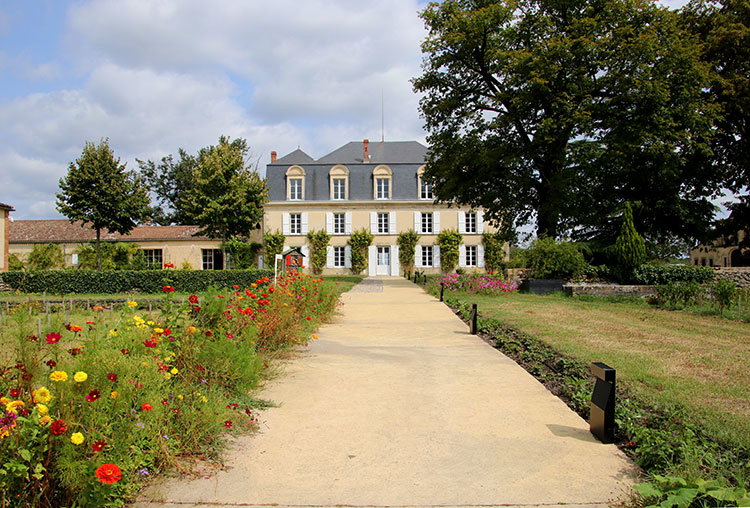
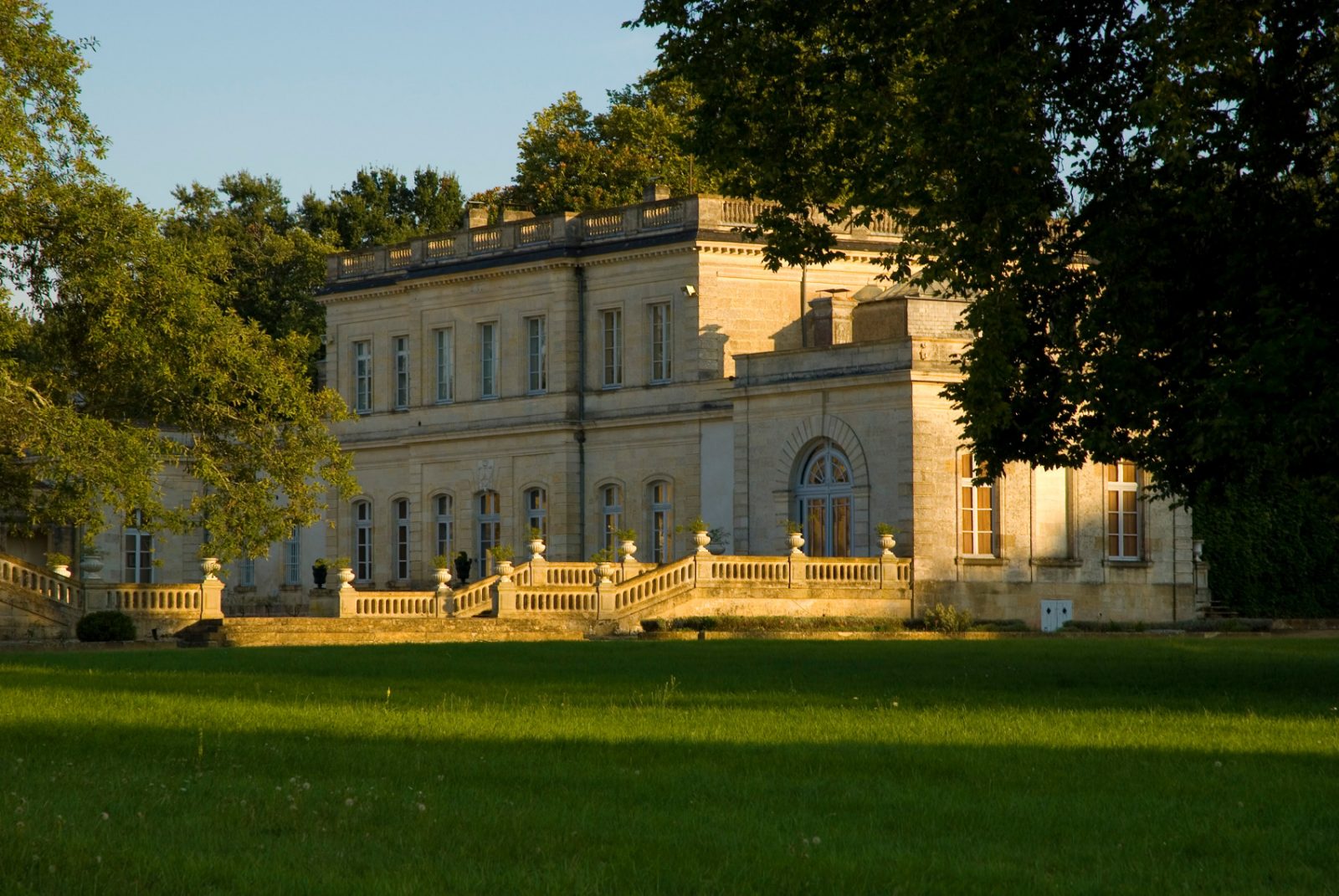
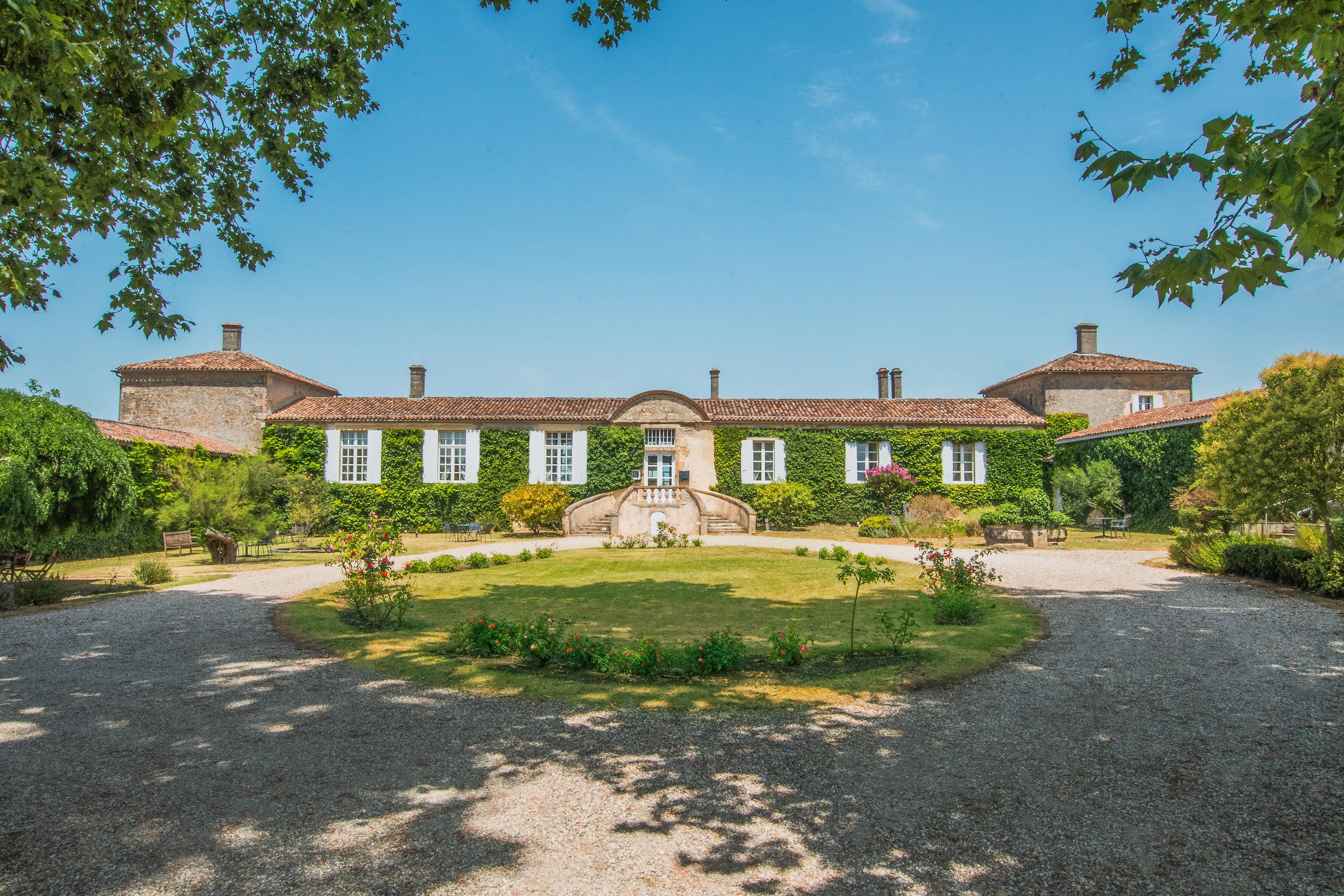
Austere and refined, with a focus on the vineyards rather than a traditional château; the atmosphere emphasizes precision, terroir-driven winemaking, and the muscular, structured character of Pauillac wines.
Tags
Vibe
Best For
Experience
Sourcing
View
At the Vineyard
- Appellation
- Pauillac AOC
- Varietals
- Cabernet Sauvignon, Merlot
- Wine Club
- Not available
Planning details
Location
Recognition and awards
Also consider
Where to look if this is full
If Château Duhart-Milon is unavailable, try Château Lynch-Bages first for the most dependable special-occasion alternative in the same broad Pauillac frame. For a group that cares about architecture and a more contemporary feel, Château Pédesclaux is the better substitute.
For a less rigid day, cross-shop Château Grand-Puy-Ducasse or Château Haut-Bages-Libéral. They make more sense when timing matters more than securing one specific château name.
Winery context
How it compares with nearby Pauillac peers
Choose Château Duhart-Milon when the priority is a focused classified-growth visit with collector appeal. Château Lynch-Bages is the safer pick for a polished visitor experience, while Château Pédesclaux is stronger for guests who want a more contemporary château setting.
For value and easier itinerary building, Château Grand-Puy-Ducasse and Château Haut-Bages-Libéral are better fallback targets if availability is tight. Château Grand-Puy-Lacoste is the cross-shop for readers who want another serious Pauillac name without making the day feel too visitor-center driven.
The private-tasting upgrade makes the strongest case here when the group is small and wine-literate. Larger or more casual groups should prioritize availability and flow over prestige, which makes Lynch-Bages or Pédesclaux the more practical first calls.
Explore Sauternes
Around this place
Discover more on Pearl
Unlock the full Château Duhart-Milon guide in Pearl, including awards, comparisons, FAQs, planning details, and nearby places.
Compare Château Duhart-Milon
| Venue | Location | Awards |
|---|---|---|
| Château Duhart-Milon | Sauternes | 2025 Pearl 3 Star Prestige |
| Château Grand-Puy-Ducasse | Pauillac | No published awards |
| Château Lynch-Bages | Pauillac | 2025 Pearl 4 Star Prestige |
| Château Pédesclaux | Pauillac | No published awards |
| Château Grand-Puy-Lacoste | Pauillac | 2025 Pearl 4 Star Prestige |
| Château Haut-Bages-Libéral | Pauillac | No published awards |
How Château Duhart-Milon compares with similar nearby venues.
FAQ
Frequently Asked Questions
What other venues can I compare with Château Duhart-Milon?
Useful comparison points include Château Grand-Puy-Ducasse, Château Grand-Puy-Lacoste, Château Haut-Bages-Libéral, Château Lynch-Bages, Château Pédesclaux. Compare them as separate venues and confirm current access, services, timing directly before planning a route.
Does Château Duhart-Milon serve food?
Plan meal arrangements separately, check food service directly with Château Duhart-Milon before relying on it for a dining stop. Use other Sauternes dining options if you need a restaurant stop.
Is there a membership program at Château Duhart-Milon?
If a membership program is important to your plans, ask Château Duhart-Milon directly before making a decision.
How long should I plan for a visit to Château Duhart-Milon?
Plan your visit length after confirming current access and timing with Château Duhart-Milon, leave flexibility in the schedule until those details are clear.
Can Château Duhart-Milon handle large groups?
Do not assume Château Duhart-Milon can accommodate a large party without direct confirmation from the venue.