Venetsanos Winery
Megalochori, Santorini
Winery in Santorini, Greece
 Book with Pearl
The Read
Caldera-Edge Assyrtiko
Why go
Prioritize Venetsanos Winery for an occasion-led Santorini tasting, especially if caldera atmosphere matters more than flexibility. It is a poor same-day gamble, so plan it as the anchor stop and keep SantoWines, Boutari, Hatzidakis, or Artemis Karamolegos as practical backups if timing or group size gets complicated.
About Venetsanos Winery
Venetsanos Winery is a Santorini winery with daily hours from 11 AM to 8 PM and a smart casual dress code. It is also recognized with Pearl 2 Star Prestige for 2025. Beyond those confirmed details, travelers should avoid assuming a specific tasting format, food offering, view, price, or group policy unless they confirm directly with the venue.
Use this page as a practical planning note rather than a full menu or experience preview. If Venetsanos Winery is part of a broader Santorini trip, compare timing with our full Santorini wineries guide, our full Santorini restaurants guide, and our full Santorini hotels guide.
Plan around the confirmed basics
The clearest planning fact is the schedule: Venetsanos Winery is listed as open daily from 11 AM to 8 PM. That window can work for a daytime or early-evening Santorini itinerary, but the page does not verify specific tasting lengths, reservation requirements, meal service, or special-event arrangements.
Dress smart casual and confirm current details directly before visiting, especially if the visit depends on timing, group size, or a particular experience. Pearl 2 Star Prestige recognition for 2025 makes it a notable Santorini stop, but the exact on-site format should not be assumed from that accolade alone.
Where it fits against other Santorini options
For another Santorini wine option, SantoWines (Santorini Coop), Hatzidakis Winery, Boutari Winery (Santorini), and Artemis Karamolegos Winery are natural names to compare while planning. The right choice depends on current availability, timing, and the type of visit each venue is offering when you travel.
Do not build an overpacked day on unconfirmed assumptions. Santorini plans are easier to manage when you leave room between stops and verify details in advance. Add our full Santorini experiences guide, our full Santorini bars guide, and Canava Santorini Distillery (1974) only if the day needs another option.
Planning details
- Location
- Caldera Megalochori, Santorini Island 847 00, Greece
- Website
- venetsanoswinery.com
- Phone
- +302286021100
The take
The Take
The Vibe
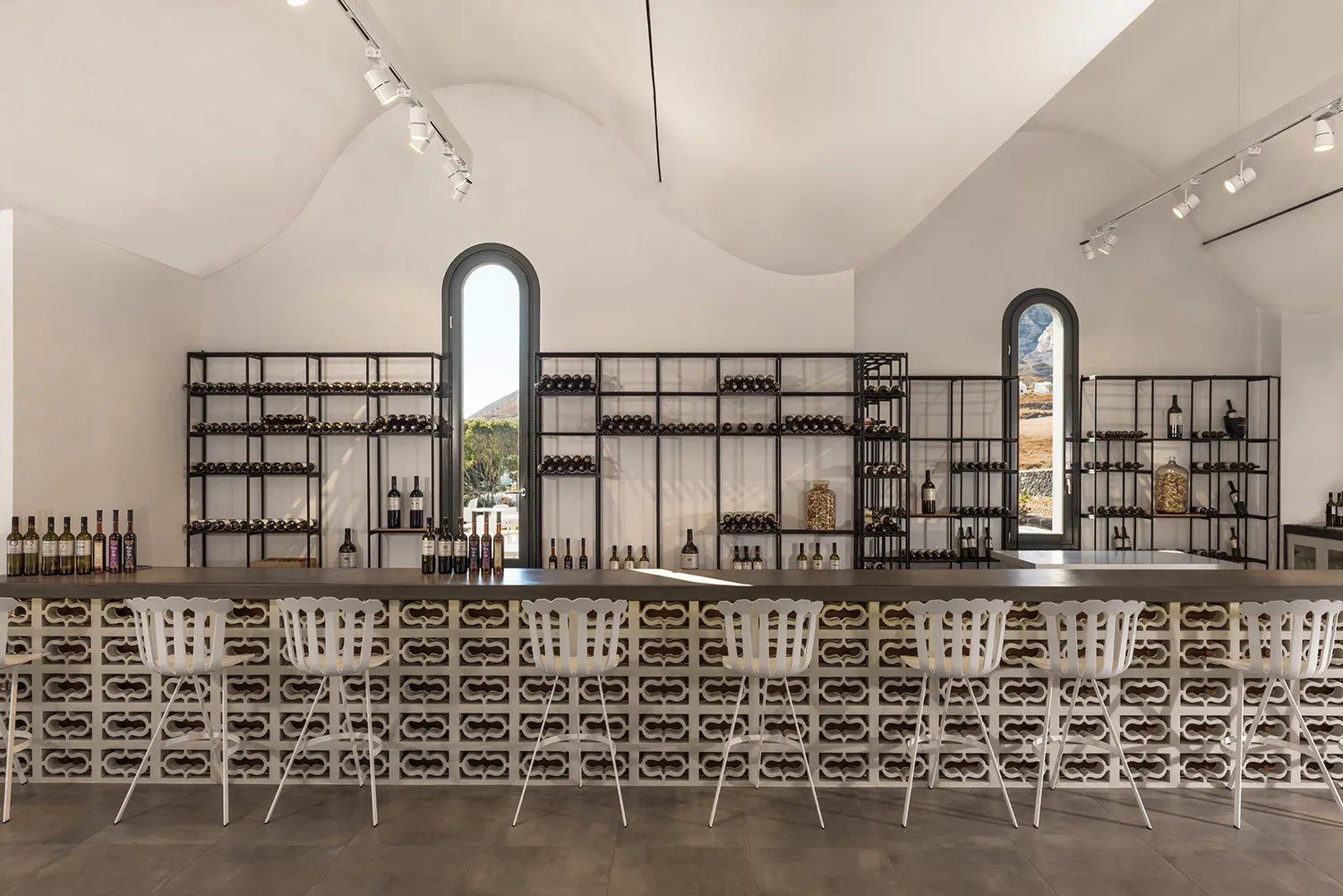
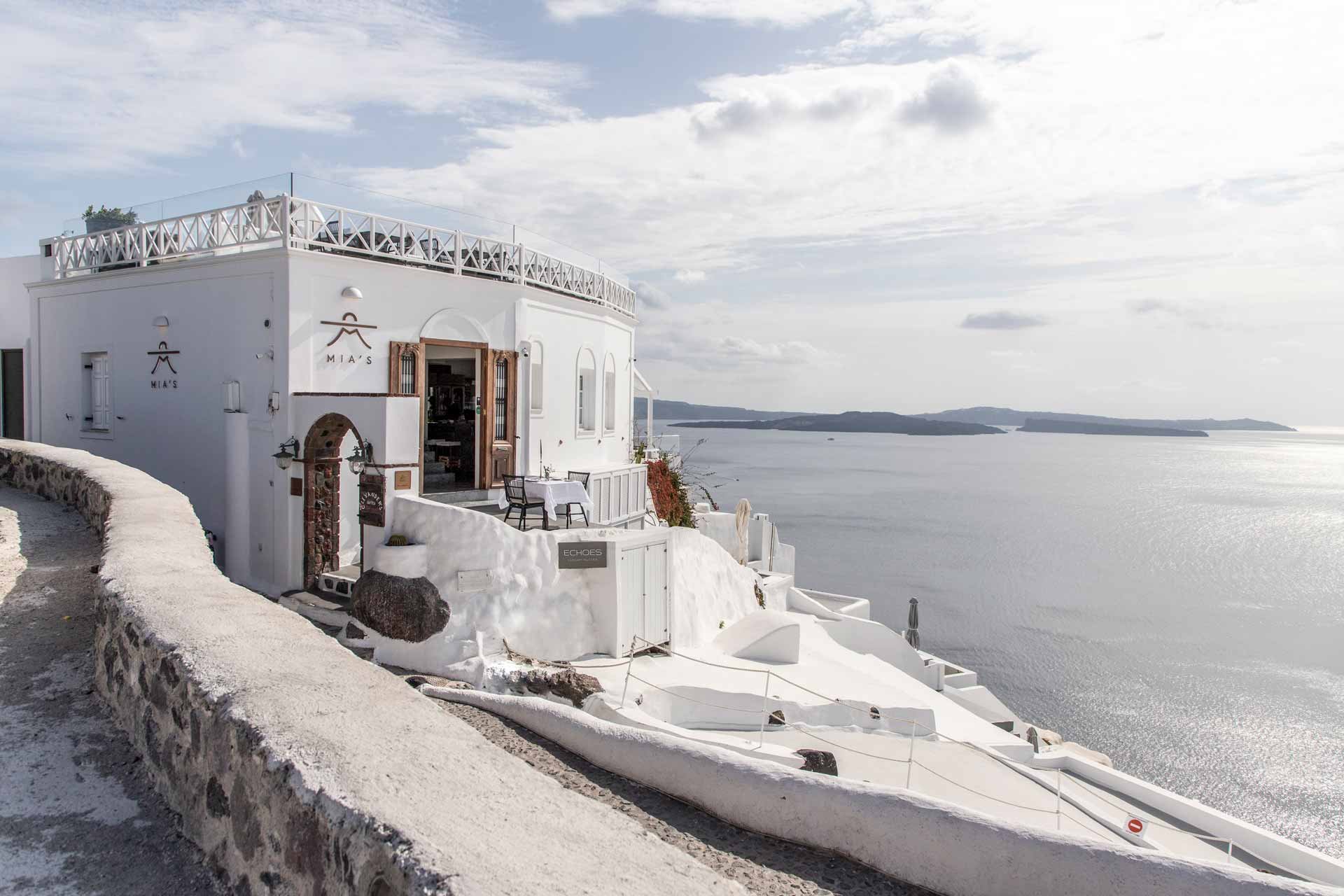
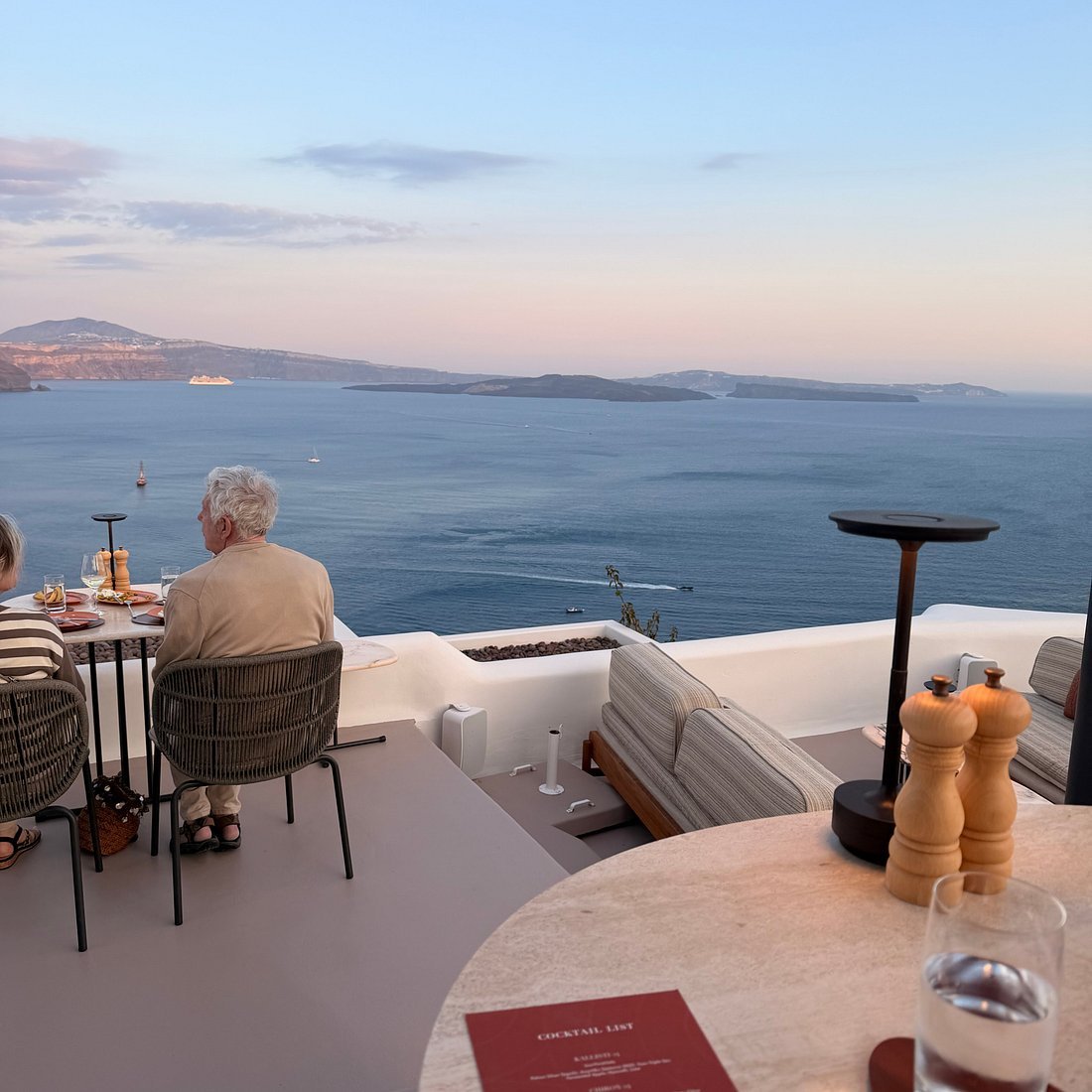
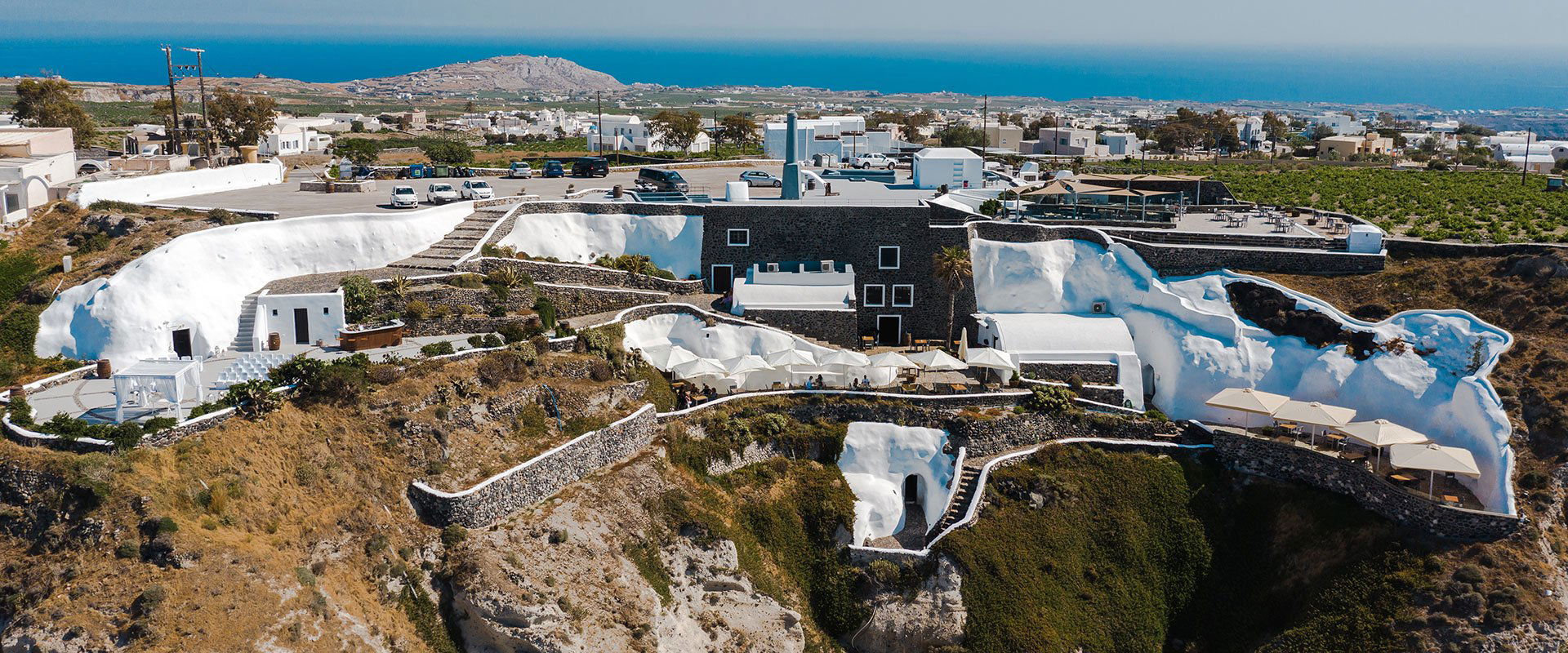
Venetsanos presents a composed, sophisticated character rooted in geological drama rather than ornate design. The write-up frames the winery as a prestige-minded estate where the caldera rim and pumice-rich soils are central to the experience: tasting here is as much about reading the landscape as it is about the glass. The terrace-facing vantage point and the island's traditional, basket-trained vines lend a quiet, contemplative quality to visits. Overall, Venetsanos feels like a serious, elegant stop for anyone wanting a clear, terroir-driven encounter with Santorini's signature Assyrtiko wines.
Best For
This estate is best for visitors focused on wine education and those seeking a scenic, thoughtful tasting rather than a purely social stop. The copy emphasizes the island's unique soils, ungrafted vines, and how those factors shape Assyrtiko, making Venetsanos especially useful for sommeliers, collectors, and curious wine lovers who want to understand why Santorini wines taste as they do. The caldera-facing terrace also makes it a strong choice for anyone planning a memorable, view-centric winery visit.
Tasting Tips
Ask to taste Assyrtiko bottlings and prioritize estate or ageworthy labels that illustrate Santorini’s high-acid, mineral-driven profile—the text highlights Assyrtiko’s capacity for textured, ageworthy wines. Request a tasting on the terrace to pair the wines with the caldera view and to better grasp the link between soil and flavor. If available, ask staff about the island’s ungrafted, basket-trained (kouloura) vines and how volcanic soils influence each wine; that context is central to the Venetsanos experience.
Venue details
Ambiance
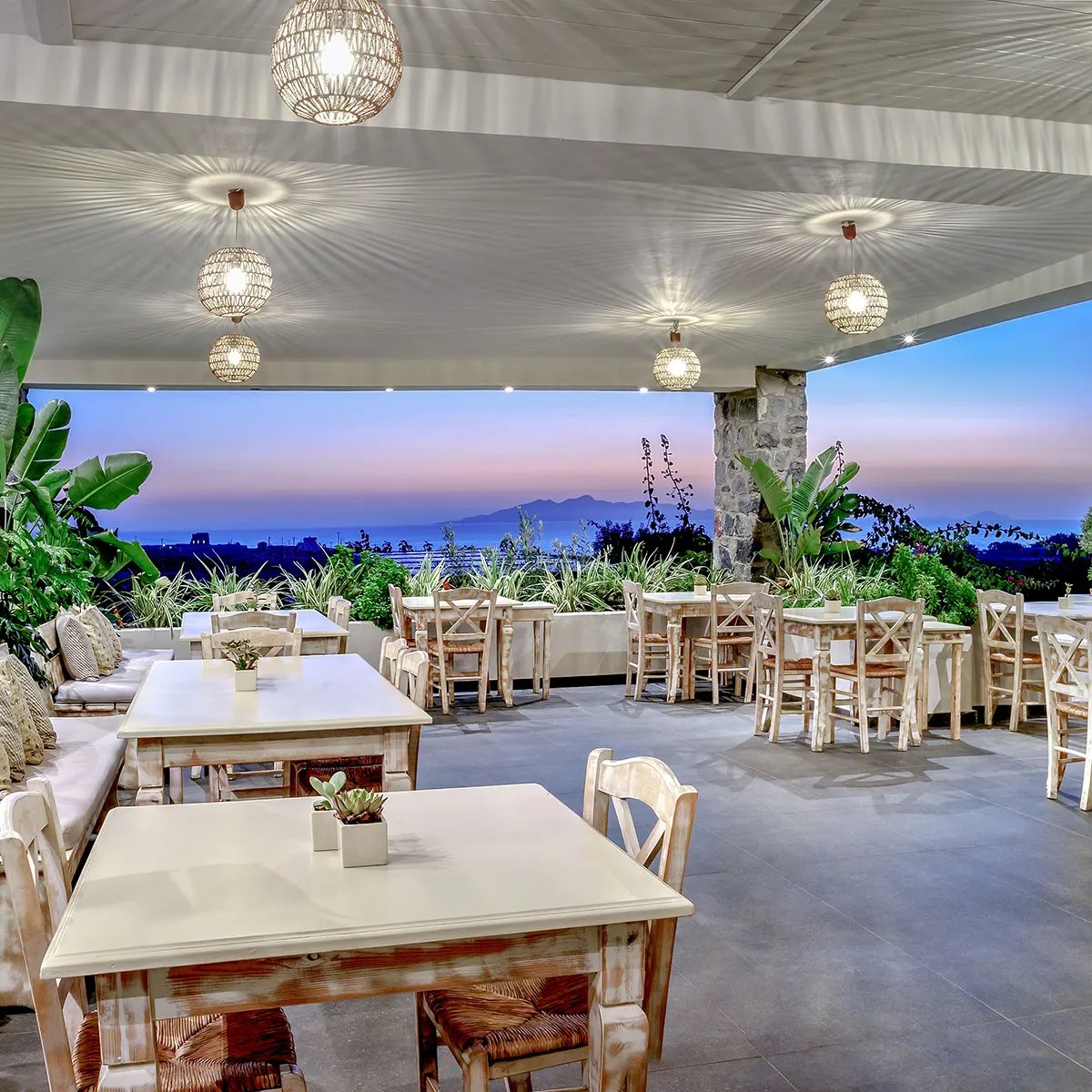
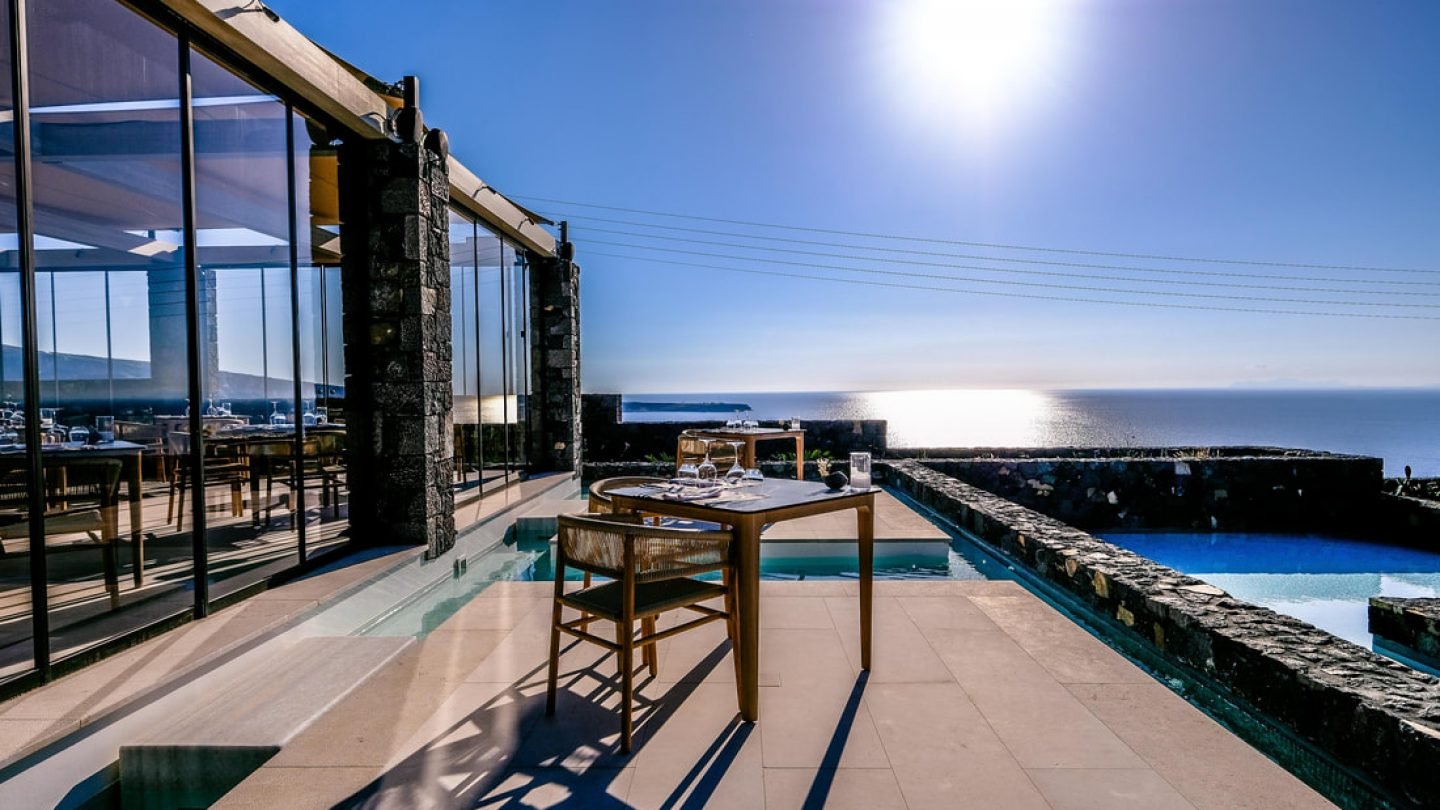
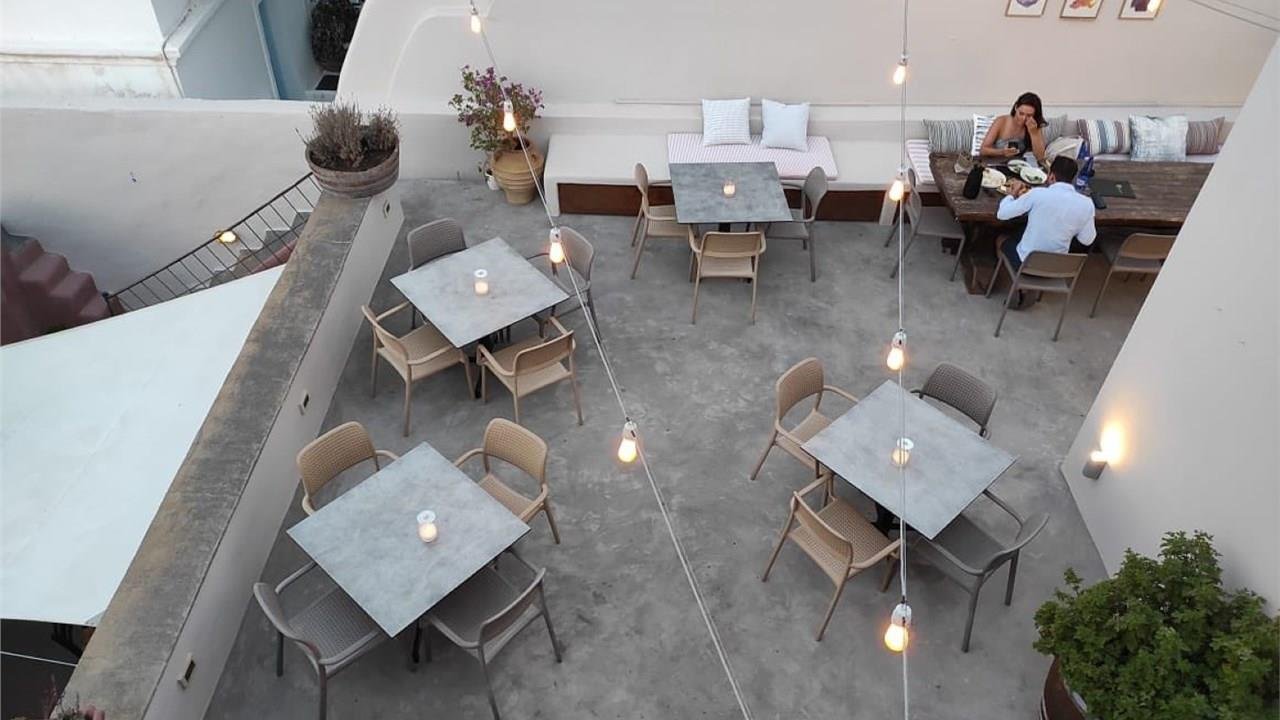
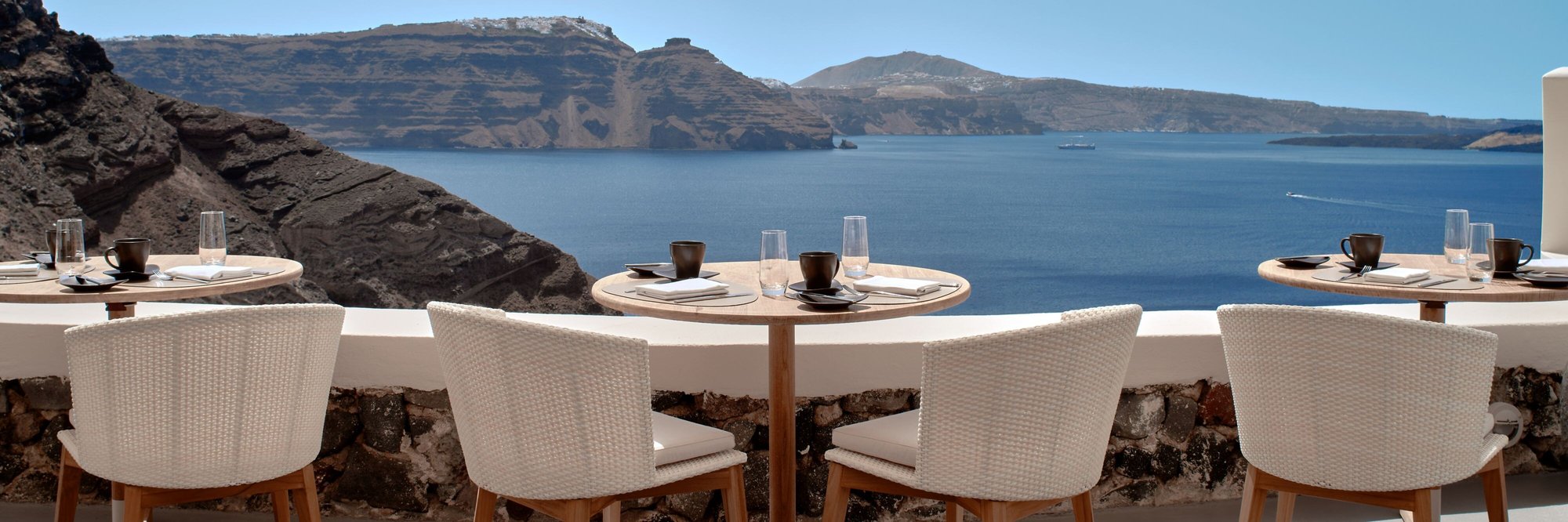
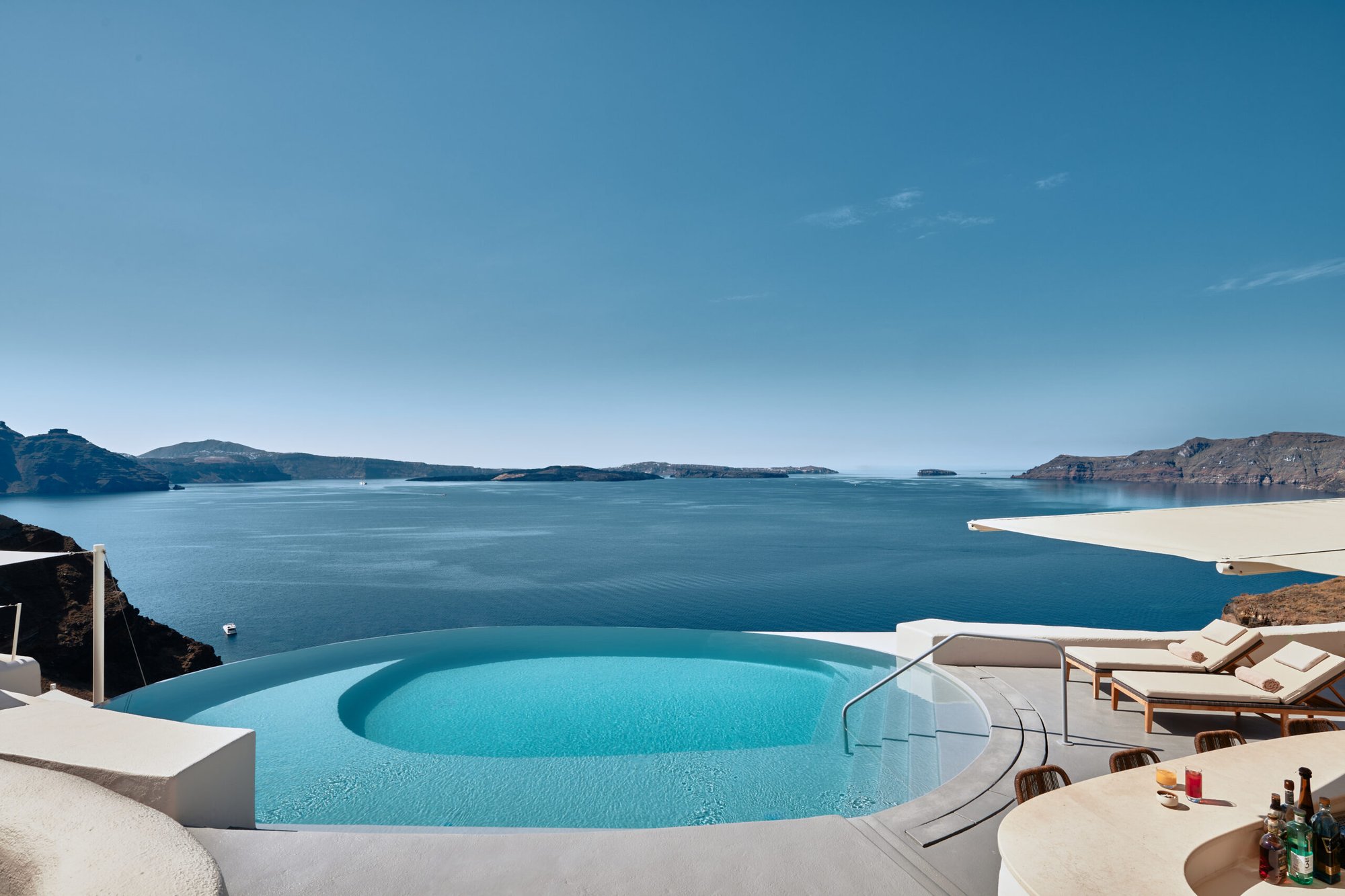
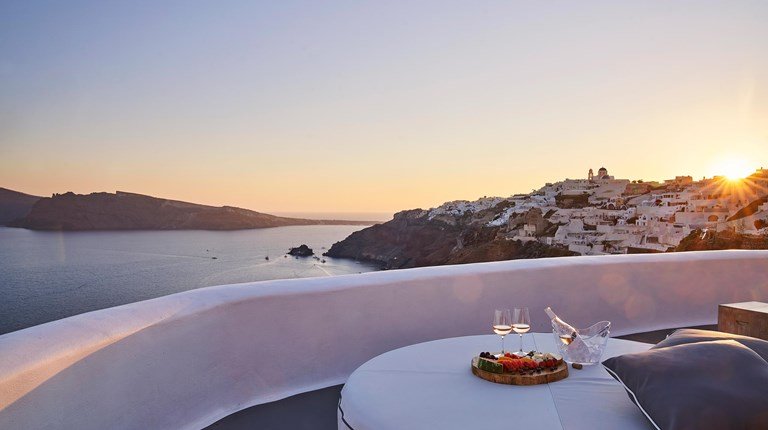
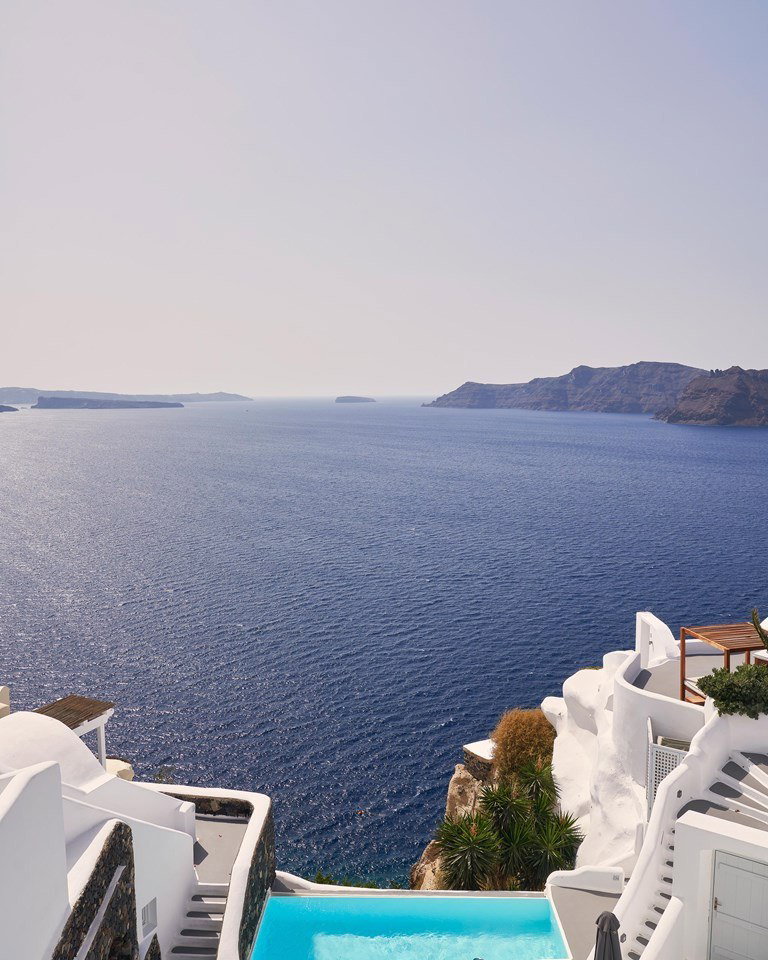
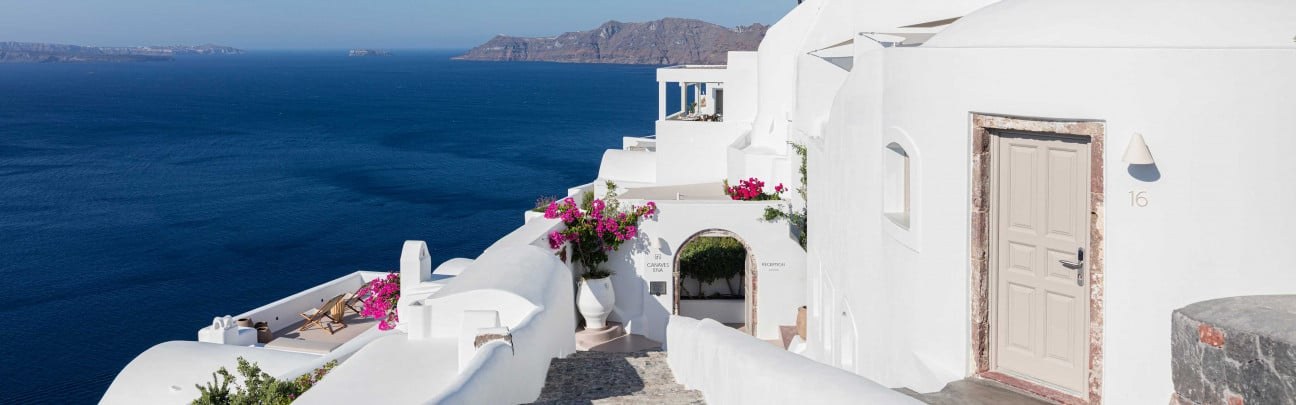
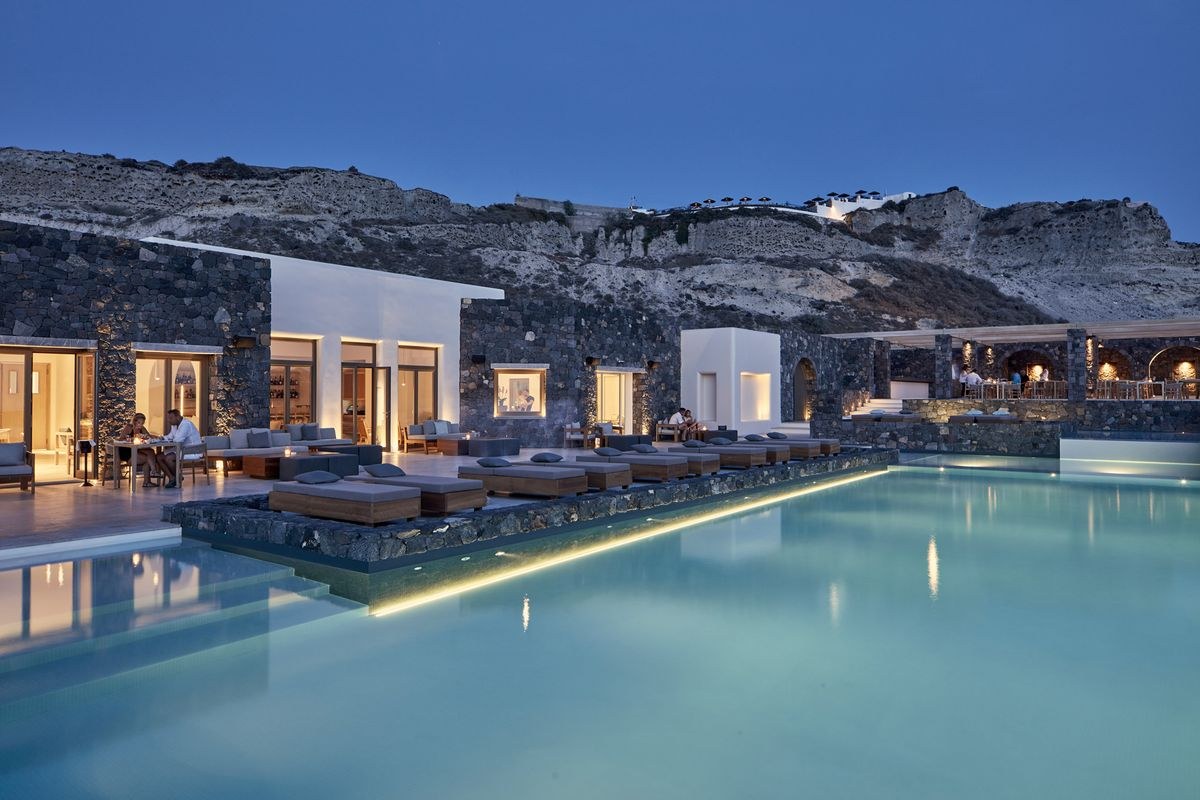
Romantic terrace overlooking the caldera with stunning volcanic cliff views, relaxed sunset atmosphere, and attentive service.
Tags
Vibe
Best For
Experience
View
At the Vineyard
- Appellation
- Santorini
- Varietals
- Assyrtiko, Nykteri, Mandilaria
- Tour Duration
- 20 minutes
- Wine Club
- Not available
Know before you go
Know Before You Go
- Getting there
- Caldera Megalochori, Santorini Island 847 00, Greece
Planning details
Location
Also consider
Where to go if this is full
If the priority is a similar Santorini wine day with less pressure on the exact slot, try SantoWines (Santorini Coop). If the group is more wine-focused and less set on caldera atmosphere, cross-shop Hatzidakis Winery.
Winery context
How it compares on Santorini
Choose Venetsanos Winery when ambiance and occasion value matter more than flexibility. Compared with SantoWines (Santorini Coop), it feels like the more targeted celebration pick, while SantoWines is the easier choice for travelers who want a broader, more familiar Santorini wine stop.
Hatzidakis Winery is the better cross-shop for wine-focused travelers who care less about a caldera setting and more about a quieter tasting agenda. Boutari Winery (Santorini) is the safer fallback for a structured visit if the first-choice slot does not work.
For mixed itineraries, Artemis Karamolegos Winery makes sense when the winery stop needs to connect neatly with food, while Canava Santorini Distillery (1974) is the better pivot for groups that want Santorini drinks culture without another wine tasting.
Around this place
Discover more on Pearl
Unlock the full Venetsanos Winery guide in Pearl, including awards, comparisons, FAQs, planning details, and nearby places.
Compare Venetsanos Winery
| Venue | Location | Awards |
|---|---|---|
| Venetsanos Winery | Santorini | No published awards |
| SantoWines (Santorini Coop) | Santorini | 2026 Falstaff Winery Guide |
| Hatzidakis Winery | Pyrgos Kallistis | 2026 Falstaff Winery Guide |
| Boutari Winery (Santorini) | Santorini | No published awards |
| Canava Santorini Distillery (1974) | Santorini | No published awards |
| Artemis Karamolegos Winery | Santorini | 2026 Falstaff Winery Guide |

How Venetsanos Winery Santorini compares with similar nearby venues.
FAQ
Frequently Asked Questions
How long should I plan for a visit to Venetsanos Winery?
The listing does not state a visit length. Venetsanos Winery is open daily from 11 AM to 8 PM, so choose a time that fits your Santorini itinerary and confirm the current format directly with the venue.
Can Venetsanos Winery handle large groups?
The details do not state a group policy. If you are planning for several guests, contact Venetsanos Winery directly before visiting. For comparison while planning, SantoWines (Santorini Coop) is another Santorini wine option to consider.
What is the flagship wine at Venetsanos Winery?
No specific flagship wine is here. Choose based on the winery's current offerings when you visit, or confirm details directly in advance. Hatzidakis Winery and Artemis Karamolegos Winery are other Santorini producers to compare while planning.
Does Venetsanos Winery serve food?
The details do not state whether food is served. Treat Venetsanos Winery as a winery stop and check directly for current offerings before planning it as a meal. If you want another Santorini stop, Canava Santorini Distillery (1974) is another option to consider.