
Winery in Santiago, Chile
Viña Ventisquero
750ptsAndean Terroir Precision
About Viña Ventisquero
Viña Ventisquero holds a Pearl 3 Star Prestige rating (2025), placing it among the most formally recognised wine operations based in Santiago's Las Condes district. The address at Av. Américo Vespucio 100 positions it within the city's commercial and cultural axis, making it a reference point for understanding how Chilean wine production connects to the capital. It sits in a peer set that includes Viña Aquitania and Viña Cousiño-Macul.
Where the Andes Shape the Bottle
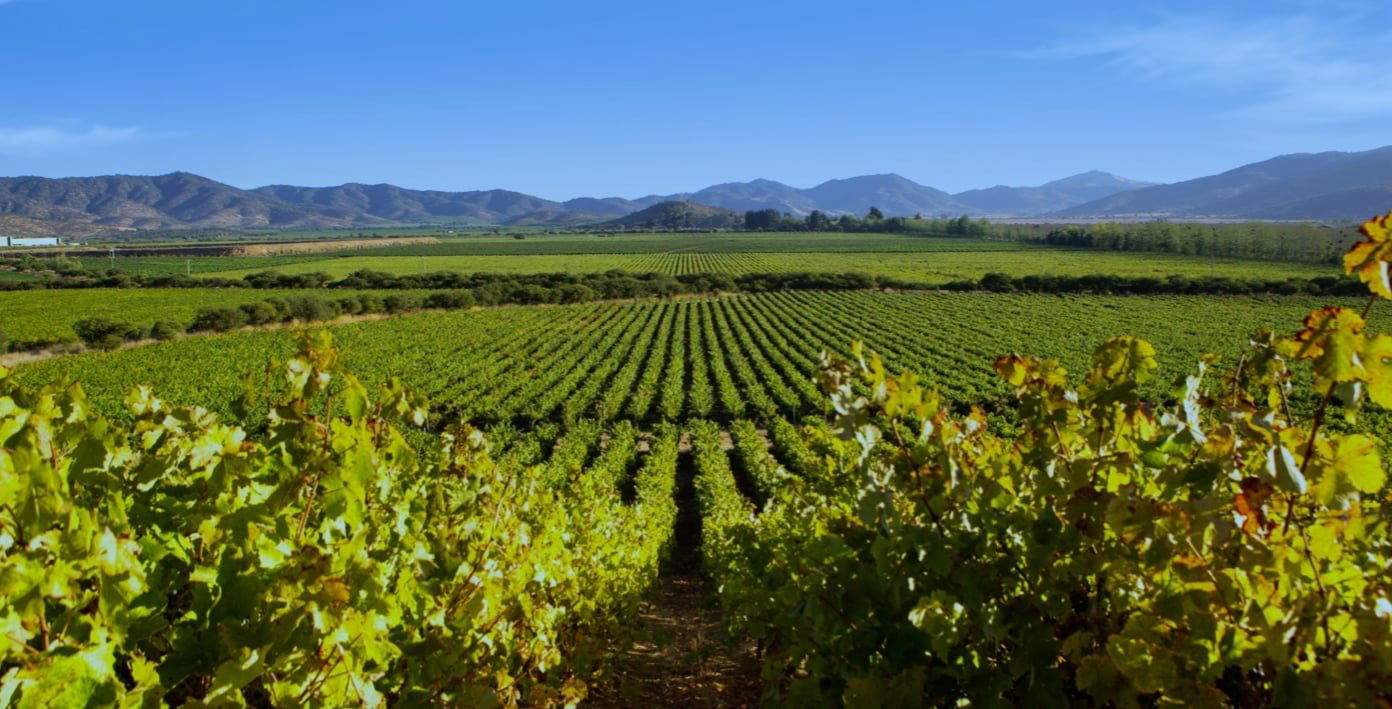
Stand at the edge of Santiago's eastern cordillera-facing zones and the logic of Chilean wine geography becomes immediate. The Andes do not function as a backdrop here; they function as a climate engine, pushing cold nocturnal air down into the valleys, compressing the diurnal range, and forcing vines to work with a precision that warmer, more stable climates rarely demand. Viña Ventisquero, registered at Av. Américo Vespucio 100 in Las Condes, operates within this structural reality. Its Pearl 3 Star Prestige award (2025) places it inside the upper recognition tier of Chilean producers, a bracket that demands consistent quality across a range rather than a single celebrated label.
Las Condes is not a wine-growing neighbourhood; it is a commercial and institutional district, and that address signals what this operation actually is at the capital level: an administrative and hospitality-facing presence attached to a production house whose vineyards extend into the country's most consequential growing zones. That split between city address and valley origin is common among Chile's more serious export-oriented producers, and it tells you something about scale and ambition before you taste anything.
The Chilean Premium Tier and Where Ventisquero Sits
Chile's wine industry has spent two decades negotiating a reputation problem. The country built global export volume on affordable Cabernet Sauvignon and Merlot, and the resulting price expectations made it difficult for producers working at a genuinely premium level to command the positioning their quality justified. That has shifted. A cohort of producers, through consistent critical attention and award accumulation, has established a distinct upper tier within the Chilean market.
Viña Ventisquero's Pearl 3 Star Prestige status in 2025 locates it within that upper cohort. For context, its Santiago-based peers recognised at similar formal levels include Viña Aquitania, which built its reputation on Cabernet-heavy Bordeaux-influenced blends, and Viña Cousiño-Macul, one of the oldest continuous wine operations in the country, whose historical depth gives it a different kind of authority. Viña Santa Carolina rounds out the Santiago-anchored set. Each house arrives at premium status through different routes — heritage, terroir specificity, export credibility — and Ventisquero's path runs through sourcing discipline and a geographic reach that spans multiple Chilean valleys.
Beyond Santiago, the wider Chilean wine conversation involves producers anchored in very different terroirs. Viña De Martino in Isla de Maipo has become a reference point for organic and biodynamic practice within the Maipo Valley, while Viña Casa Silva in San Fernando anchors the Colchagua Valley's identity in a different way. Further north, Viña Falernia in Vicuña operates in the Elqui Valley at altitudes and latitudes that produce a completely different flavour profile from anything coming out of the Central Valley. And in Panquehue, Viña Seña sits at the premium end of Aconcagua Valley production. Understanding Ventisquero means placing it within this full national geography rather than treating Santiago as the whole picture.
Terroir Logic: What the Geography Actually Means
Chile's wine production advantage comes from an unusual combination of natural factors: the Pacific Ocean to the west moderating temperatures through the Humboldt Current, the Andes to the east providing altitude-driven cooling and irrigation water from snowmelt, and the Atacama Desert to the north acting as a natural barrier against the phylloxera louse that devastated European viticulture in the nineteenth century. Chilean vines have never required grafting onto resistant rootstocks, a distinction with measurable consequences for the character of old-vine material.
The Ventisquero name itself is a Spanish term for glacier, a reference point that signals the winery's relationship to Andean geography and cold-influence viticulture. That framing matters when placing the wines stylistically. Cold-influence production across Chile's coastal and high-altitude zones tends to produce longer hang times, higher natural acidity, and more angular tannin structures than Central Valley floor production at lower elevation. These are not abstract wine-trade talking points; they translate into how the wines sit alongside food and how they develop with age.
For Chilean wine outside the grape-growing heartland but connected to the Andean corridor, Pisco Alto del Carmen Distillery in Huasco offers a different lens on what the northern Andean valleys produce when the grape is destined for distillation rather than table wine. The contrast is instructive for anyone building a serious understanding of Chilean viticulture as a whole.
How Ventisquero Compares to International Reference Points
Chilean premium wine increasingly positions itself against producers from other cool-climate or Southern Hemisphere benchmarks rather than competing only within a national price bracket. The relevant peer comparisons are spreading internationally. For Cabernet-dominant red production, Napa Valley houses such as Accendo Cellars in St. Helena represent the ultra-premium tier in the New World's most commercially visible market. For single-malt Scotch as a luxury category reference, Aberlour in Aberlour shows how a defined geographic identity builds credibility over time , a model Chilean wine producers in the premium segment are actively replicating through valley-specific and single-vineyard releases.
The Broader Santiago Wine Circuit
Santiago functions less as a wine-producing zone and more as the commercial nerve centre of an industry whose roots are in the valleys to the south, north, and east. Producers with Las Condes or other capital-district addresses typically operate visitor experiences, trade offices, or hospitality functions from the city while keeping their production and vine management in the regions. This makes Santiago a useful starting point for planning a serious Chilean wine visit: the logistics, the tastings calendars, and the export infrastructure are coordinated from here.
Other Chilean producers worth building into a regional itinerary include Viña MontGras in Palmilla, Viña Undurraga in Talagante, and Viña Valdivieso in Lontué, each anchored in a different part of the Central Valley corridor. Further south toward the Maule, El Gobernador (Miguel Torres Chile) in Curicó carries the credibility of the Torres family's investment in Chilean terroir since the 1970s, a period when very few international producers were betting on the country's long-term potential.
For a full picture of where wine fits within Santiago's food and drink offer, the EP Club Santiago guide maps the city's restaurants, bars, and tasting rooms across all neighbourhoods.
Planning Your Visit
Viña Ventisquero's registered address at Av. Américo Vespucio 100, Las Condes, is accessible from central Santiago by metro (the Las Condes area is served by Line 1 connections and local bus routes) and by taxi or rideshare from Providencia or the city centre in under twenty minutes in off-peak traffic. For vineyard visits, production tours, and tasting appointments, direct contact through the winery's official channels is the appropriate first step, as booking availability and visit formats at this level are not standardised to a walk-in model. The 2025 Pearl 3 Star Prestige recognition means demand for formal tastings and trade visits at this tier runs ahead of casual capacity, and advance planning is the sensible approach.
Frequently Asked Questions
What should I taste at Viña Ventisquero?
The Pearl 3 Star Prestige award (2025) signals that the winery's quality case is made across a range rather than a single bottle, which is the relevant filter when approaching a tasting here. In Chilean wine broadly, the most significant recent gains have come in cool-climate expressions: coastal Pinot Noir and Syrah from Casablanca and San Antonio, high-altitude Cabernet Sauvignon and Carménère from Andean-influenced sites, and Chardonnay from valleys where cold Pacific airflow drives acidity retention. Any structured tasting at a producer at this recognition level in Chile should prioritise expressions that demonstrate terroir differentiation across the range, rather than concentrating on entry-level or export-volume labels. Ask specifically about single-vineyard or defined-valley bottlings where available, as these carry the most precise geographic argument.
What should I know about Viña Ventisquero before I go?
The Las Condes address places the winery's Santiago presence in one of the capital's most commercially active districts, which affects the visit format. This is not a rural estate tasting room with views across vines; it is an urban contact point for a production operation whose vineyards are in the country's growing zones. Chile's wine tourism at the premium level generally requires advance booking, and producers holding formal awards recognition , Ventisquero carries its Pearl 3 Star Prestige from 2025 , typically structure visits around appointment-based formats rather than open-door access. Contact the winery directly to confirm current visit formats, tasting room availability, and pricing before making travel arrangements. If the goal is to combine a Ventisquero visit with broader Santiago wine tourism, build the itinerary around the valley-day-trip model that most serious wine visitors use from the capital.
Related editorial
- Best Fine Dining Restaurants in ParisFrom three-Michelin-star icons to the next generation of Parisian chefs pushing boundaries, these are the restaurants that define fine dining in the world's culinary capital.
- Best Luxury Hotels in RomeFrom rooftop terraces overlooking ancient ruins to Michelin-starred hotel dining, these are the luxury hotels that make Rome unforgettable.
- Best Cocktail Bars in KyotoFrom sleek lounges to hidden speakeasies, Kyoto's cocktail scene blends Japanese precision with global influence in ways you won't find anywhere else.
Save or rate Viña Ventisquero on Pearl
Keep this venue in your Pearl passport, rate it after you visit, and track it alongside every other place you collect.