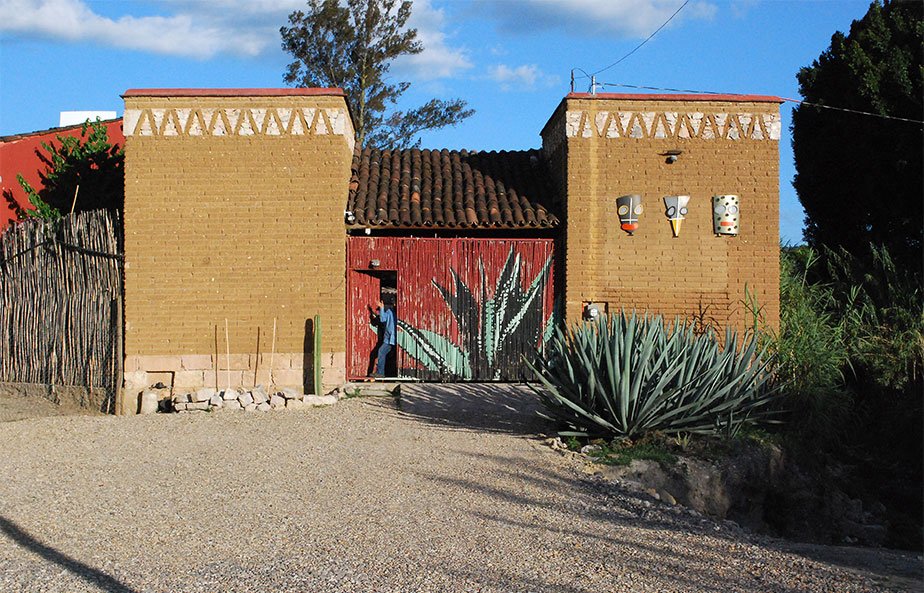
Winery in Santiago Matatlán, Mexico
Sombra
250ptsAgave-Origin Transparency

About Sombra
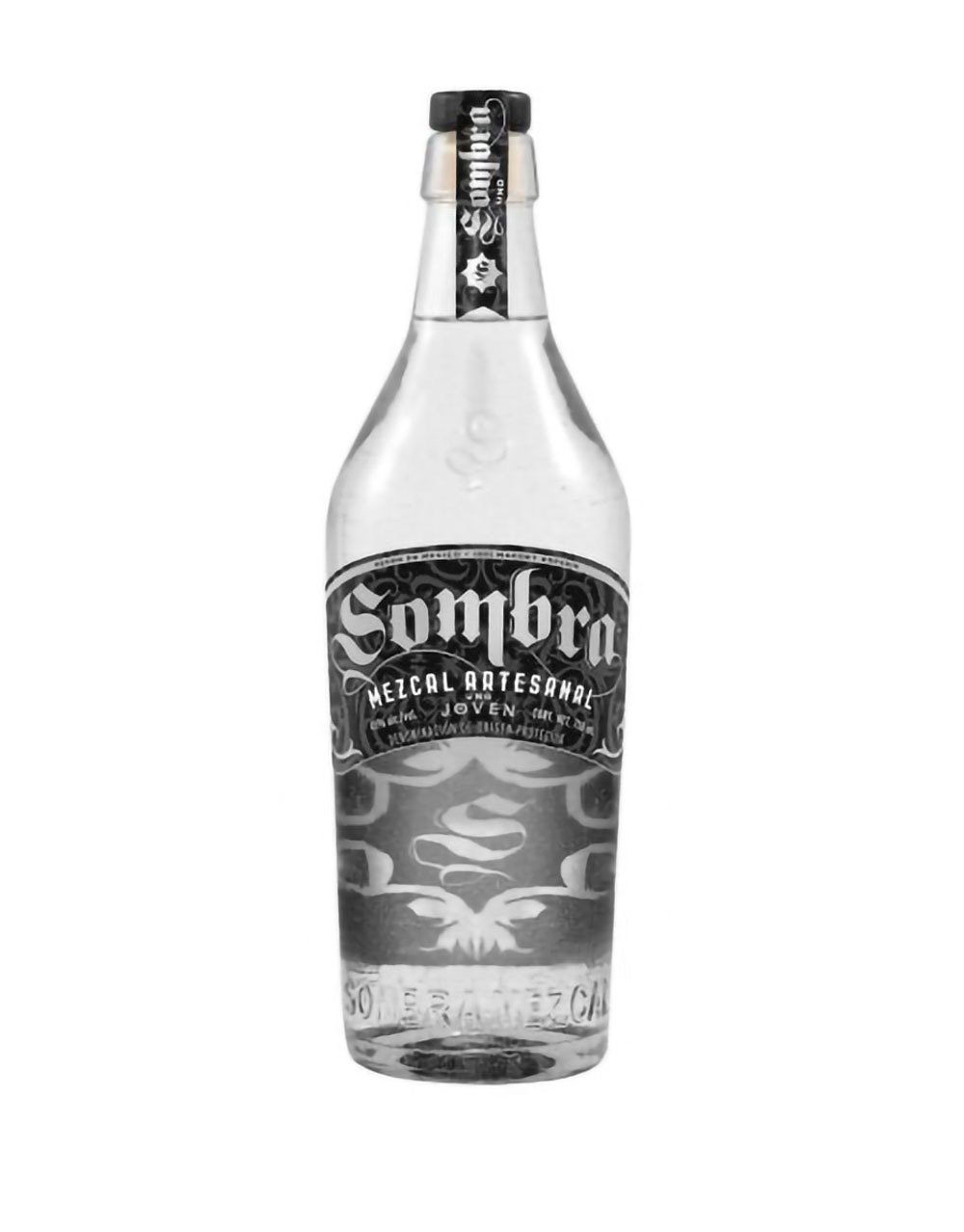
Sombra in Santiago Matatlán, Oaxaca is a craft mezcal distillery producing small-batch, 100% Espadín expressions. Signature bottles include Sombra Mezcal Joven and Sombra Agave de Oaxaca Mezcal (750ml). Founded in 2010 by Master Sommelier Richard Betts, Sombra pairs traditional palenque roasting and a solar-powered tahona with rainwater cooling to create spicy, fruity mezcal with a whisper of smoke. Recognized for its sustainability and community work, the distillery delivers tactile, mineral-driven aromas, warm agave sweetness, and a long, savory finish—an immersive taste of Oaxacan terroir for discerning travelers.
The Ritual of Mezcal in the Valley of Agave
Santiago Matatlán sits in the Central Valleys of Oaxaca, roughly an hour southeast of the state capital, and carries a designation it earns without much argument: the town produces more mezcal per square kilometre than anywhere else in Mexico. The palenques here are not boutique projects transplanted from a design studio; they are generational operations where the roasting pit, the tahona, and the copper still are physical inheritances passed through families over decades. To arrive in Santiago Matatlán is to understand that mezcal is not a category trend but a land practice, and the producers that have earned formal recognition here are placed by context, not marketing.
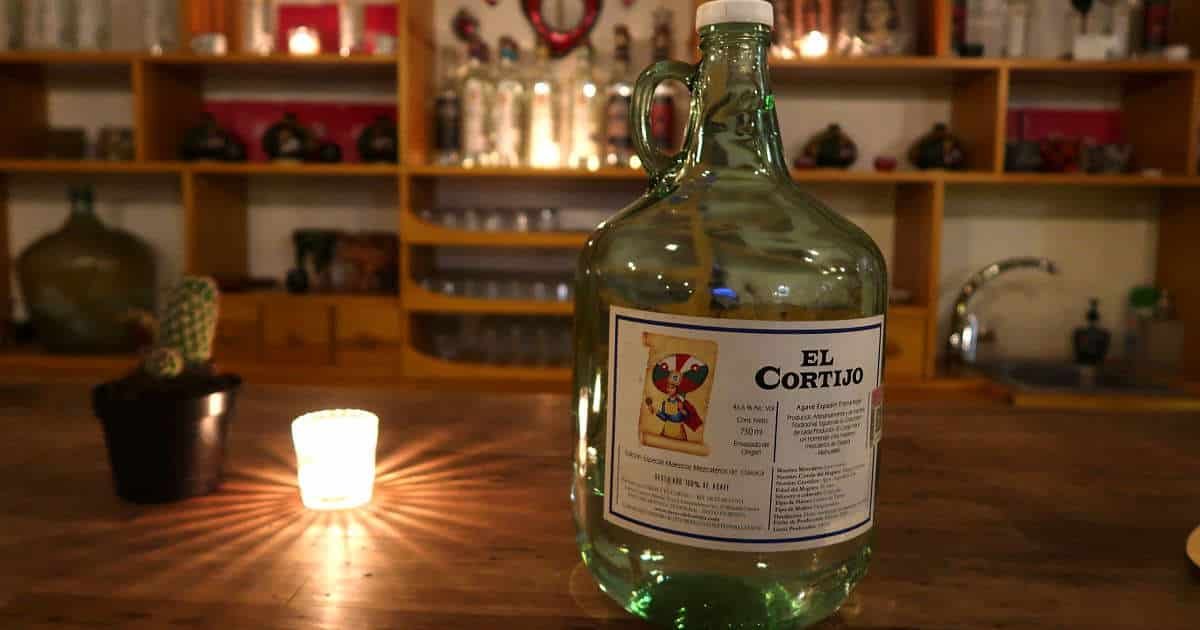
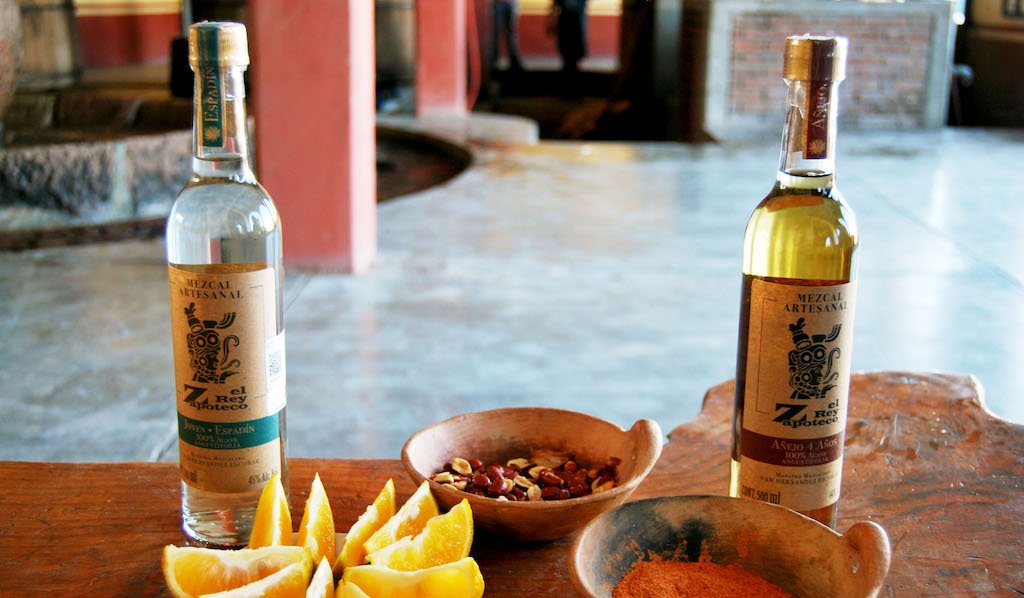
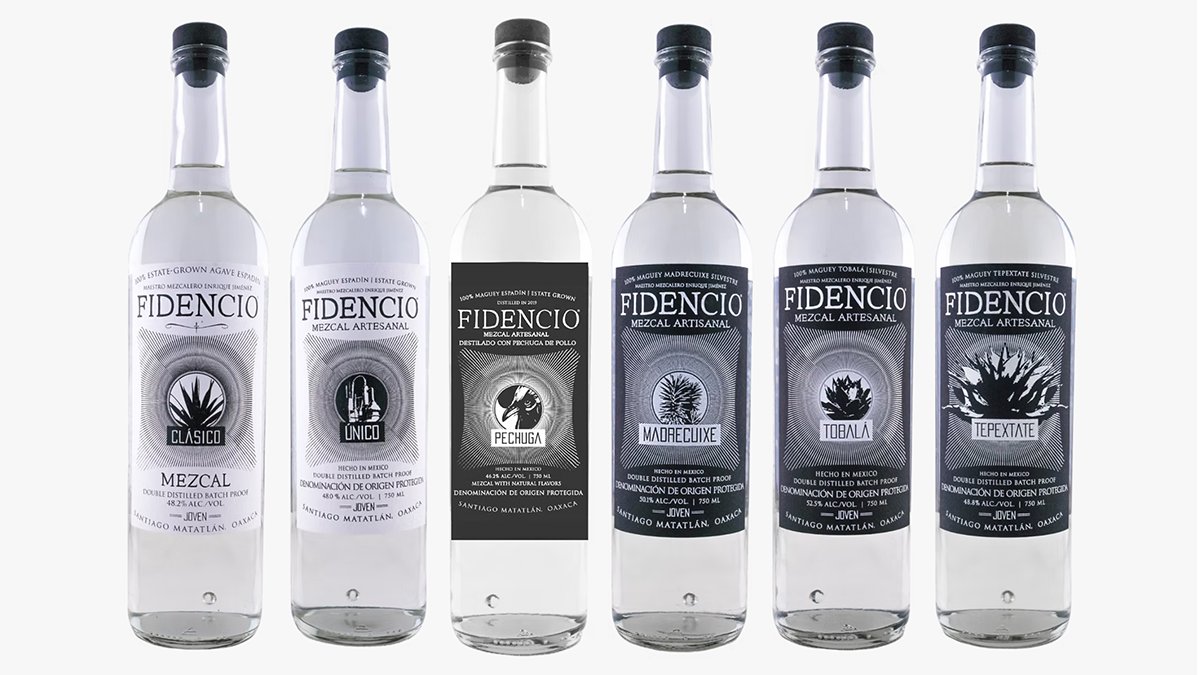
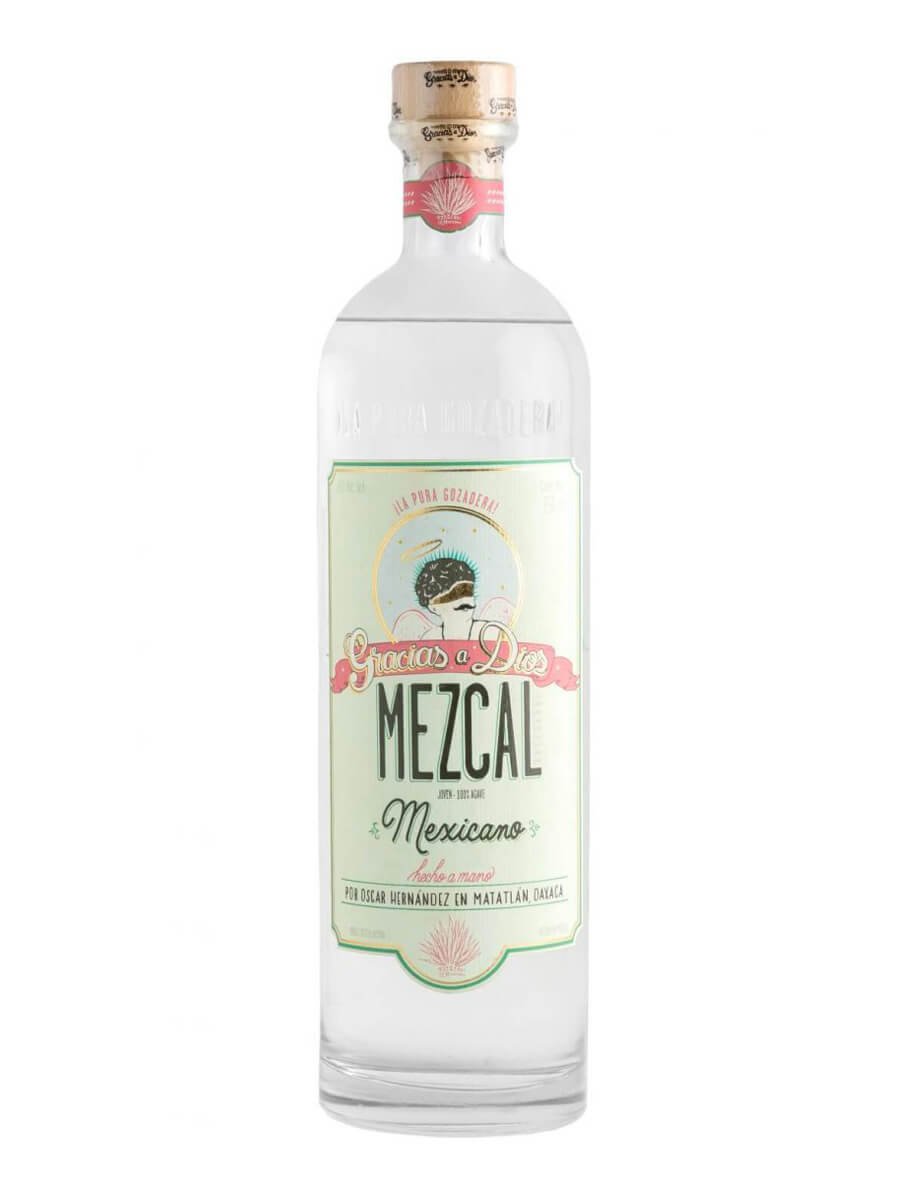
Sombra is one of those producers, and in 2025 it received a Pearl 1 Star Prestige award, a recognition that places it within a documented tier of producers across the mezcal-producing regions of Mexico. That credential matters in Santiago Matatlán because the town already carries strong competition from established names: Los Danzantes, El Cortijo (palenque), El Rey Zapoteco, Fidencio, and Gracias a Dios all operate within the same municipio. An award at this level does not come by default. It signals that Sombra has been placed by an external panel into a peer group that includes recognised prestige producers, not merely local participants.
How a Mezcal Tasting Works Here
The dining ritual framework that shapes how visitors engage with premium spirits producers in Oaxaca is different from the winery tasting room model of, say, Napa Valley, where a poured flight arrives with tasting notes already printed. In Santiago Matatlán, the rhythm of an encounter with a mezcal producer is slower, more instructional, and more conditional on geography. The elevation of the Central Valleys, the specific varietal of agave planted on that hillside, and the particular wood used in the roasting pit are not background details; they are the structure of the experience itself.
Visitors who engage seriously with the process at a palenque in this region tend to move through several stages: an orientation to the production site, a guided progression through the distillate at different stages, and a seated tasting that foregrounds the agave varietal rather than the brand. The ritual is not theatrical in the way that a cocktail bar might stage it. It is functional and grounded, and the pacing depends on the producer's willingness to teach rather than sell. The Pearl 1 Star Prestige recognition at Sombra suggests a level of engagement with outside evaluators that implies this kind of depth in the offering, though visitors should confirm logistics directly, as booking format and specific tasting structures are not published in the public record at this time.
Santiago Matatlán in the Broader Mexican Spirits Map
To calibrate what Santiago Matatlán represents within Mexico's spirits geography, it helps to compare it to the other major production towns. Jose Cuervo (La Rojeña) in Tequila and La Primavera (Don Julio) in Atotonilco El Alto operate in the Jalisco highlands, where blue agave monoculture and industrial-scale distillation define the production model. Casa Herradura in Amatitán and Cazadores Distillery in Arandas sit in that same Jalisco framework, where the scale of operation and brand infrastructure are very different from the palenque model.
Oaxaca's mezcal towns operate on a different logic. Producers like Banhez (UPADEC cooperative) in San Miguel Ejutla, Casa Cortés in La Compañía (Ejutla), and Don Amado (Arellanes family) in Santa Catarina Minas each operate within specific microclimates and family traditions that make direct comparison to industrial spirits counterproductive. The relevant comparison for Sombra is not against a large-format Jalisco operation but against the recognised prestige tier within the Oaxacan mezcal category, where varietal range, traditional production method, and external award recognition are the operative criteria. By that measure, Sombra's Pearl 1 Star Prestige in 2025 positions it within that recognised tier in the Central Valleys.
For further context on the international prestige spirits category, the production discipline at a heritage Scotch distillery like Aberlour in Aberlour or the allocation dynamics at a prestige Napa producer like Accendo Cellars in St. Helena illustrate how a recognised prestige award functions as a market signal rather than a description. The award positions the producer within a tier; the tasting experience determines whether that position holds for the individual visitor.
The Agave Varietal Question
The most important editorial point about mezcal production in Santiago Matatlán is not the producer name but the agave varietal. Espadín (Agave angustifolia) is the dominant varietal in the region, accounting for the large majority of production by volume, and it matures faster than wild varietals, making it commercially viable at scale. The premium tier of Oaxacan mezcal, however, is increasingly defined by tobalá, tepeztate, madrecuixe, and other wild or semi-cultivated varietals that take significantly longer to mature and produce much smaller yields per plant. These are the expressions that receive serious attention from international evaluators and that command allocation-based availability.
The Pearl 1 Star Prestige recognition for Sombra does not specify which expressions were evaluated, and the public record does not confirm the varietal range available at the time of any given visit. What the award does confirm is that an external evaluative body found the producer's output to meet a documented prestige standard in 2025. For visitors planning a tasting, the varietal composition of whatever is poured matters more than the brand positioning. The Central Valleys soil, the elevation, and the production method all register in the glass in ways that are more informative than any descriptor attached to a label.
Planning Your Visit to Santiago Matatlán
Santiago Matatlán is accessible from Oaxaca City by road, and most visitors to the mezcal-producing zone treat it as a half-day or full-day itinerary from the city, often combining two or three producers in sequence. The town's density of palenques makes that kind of multi-stop structure practical in a way that it is not in more geographically dispersed producing regions. That said, the producers who have earned recognition at the prestige level are not interchangeable with the roadside operations that cater primarily to casual tour groups; the depth of engagement is different, and the visit requires some preparation.
At the time of publication, Sombra does not have a published phone number, website, or publicly confirmed booking method. Visitors should approach the visit with flexibility and confirm access directly through local contacts or established tour operators who work specifically within the Santiago Matatlán producer network. The town's position as Mexico's highest-concentration mezcal municipality means there are operators who specialise in arranging access to recognised prestige producers, and that route is more reliable than arriving without prior arrangement. For a full picture of what Santiago Matatlán offers across its producer range, see our full Santiago Matatlán guide.
Frequently Asked Questions
- What is the signature bottle at Sombra?
- Sombra holds a Pearl 1 Star Prestige award (2025), placing it in the recognised prestige tier of mezcal producers in Santiago Matatlán. The specific expressions or agave varietals available are not confirmed in the public record. Visitors planning a tasting should contact the producer or a local specialist operator to confirm current availability before arrival.
- What is Sombra leading at?
- Within Santiago Matatlán, where mezcal production is the defining activity of the municipality, Sombra operates as a recognised prestige producer, confirmed by its Pearl 1 Star Prestige recognition in 2025. Its positioning sits within a peer set of awarded palenques in the Central Valleys rather than the large-volume commercial segment. Pricing and format details are not publicly confirmed.
- Is Sombra reservation-only?
- If you are visiting Santiago Matatlán specifically to engage with prestige-tier producers, advance planning is strongly recommended. Sombra does not have a published phone number or website at this time, which makes direct booking difficult without local intermediary support. Producers at this recognition level in Oaxaca typically prioritise visitors who arrive with prior arrangement through a trusted local contact or specialist tour operator.
- What is Sombra a strong choice for?
- Sombra is a documented prestige-tier mezcal producer in the highest-density mezcal municipality in Mexico, which makes it a considered choice for visitors who want to engage with the production tradition at a level that has been externally validated. The Pearl 1 Star Prestige award (2025) provides a concrete reference point within the broader field of Santiago Matatlán producers.
- What should I do before I arrive at Sombra?
- Because Sombra does not have a publicly confirmed booking channel, the preparation step is to engage a local specialist operator or contact in Santiago Matatlán who can facilitate access. Arriving without prior arrangement at prestige-recognised producers in this town is unreliable. Reviewing the broader Santiago Matatlán producer landscape through our full guide will help contextualise which producers to prioritise within the same day's itinerary.
- How does Sombra's Pearl 1 Star Prestige award compare to other recognised producers in Santiago Matatlán?
- The Pearl 1 Star Prestige (2025) places Sombra within a formally evaluated tier that separates it from the many roadside and volume-focused operations in the municipio. Santiago Matatlán contains producers across a wide range of quality levels; the award functions as an independent signal that Sombra's output meets a prestige standard recognised by the awarding body. Comparable recognised names in the same town include Los Danzantes and Gracias a Dios, both of which operate within the same prestige-adjacent category in the Central Valleys.
Related editorial
- Best Fine Dining Restaurants in ParisFrom three-Michelin-star icons to the next generation of Parisian chefs pushing boundaries, these are the restaurants that define fine dining in the world's culinary capital.
- Best Luxury Hotels in RomeFrom rooftop terraces overlooking ancient ruins to Michelin-starred hotel dining, these are the luxury hotels that make Rome unforgettable.
- Best Cocktail Bars in KyotoFrom sleek lounges to hidden speakeasies, Kyoto's cocktail scene blends Japanese precision with global influence in ways you won't find anywhere else.
Save or rate Sombra on Pearl
Keep this venue in your Pearl passport, rate it after you visit, and track it alongside every other place you collect.