

 Book with Pearl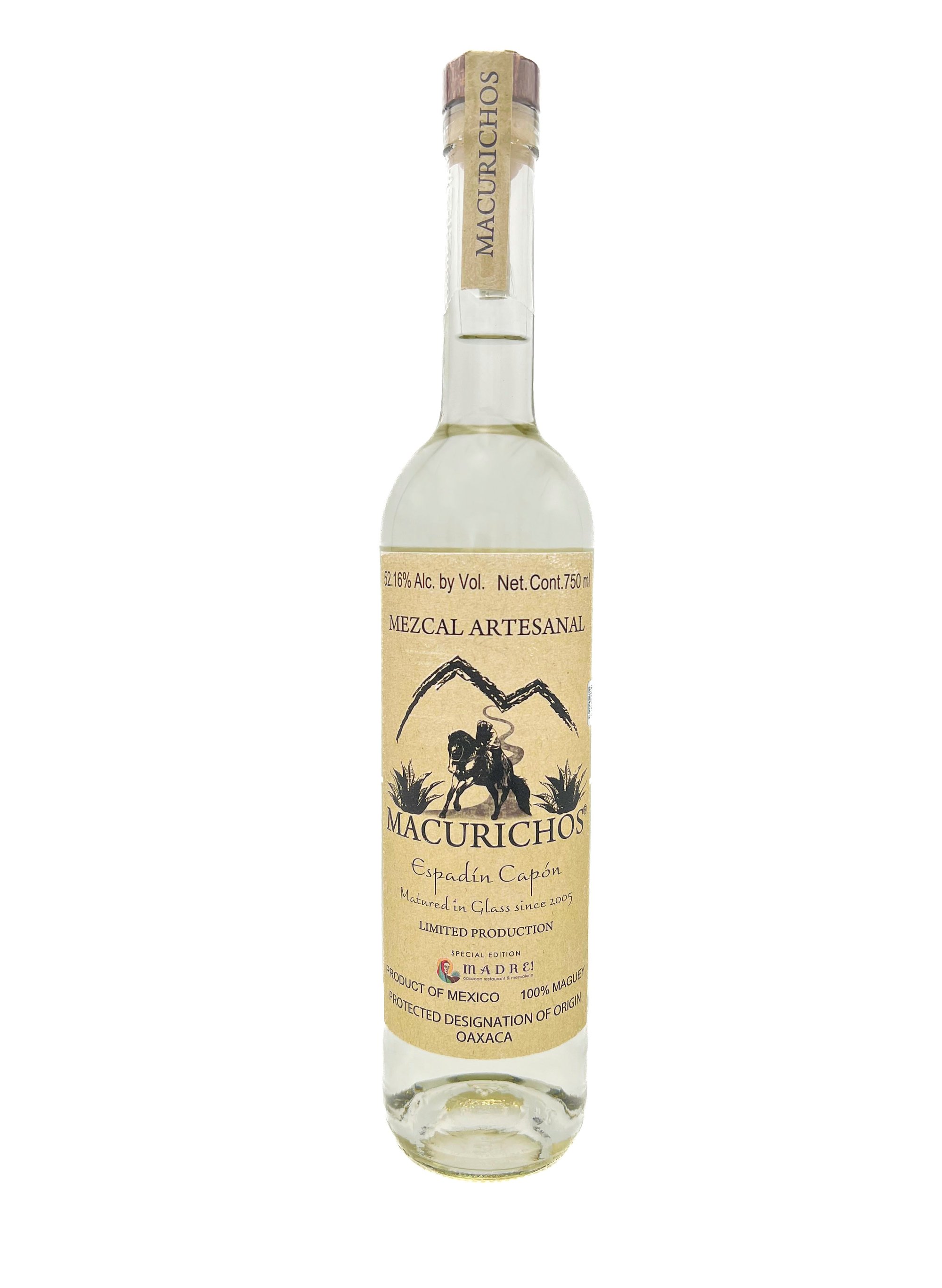
The Best Of Mexico City Oaxaca Dec 1 2026
A multi-day guided culinary tour across Mexico City and Oaxaca, organized by The Hungry Tourist, with markets, street food, fine dining, tequila, mezcal, and featured venues.
Santiago Matatlán
Winery in Santiago Matatlán, Mexico
Oaxacan Agave Artistry
Why go
Macurichos is a strong Santiago Matatlán choice for a tasting-led celebration or serious mezcal stop, especially if the goal is to connect the drink to its production setting. Plan it as an anchor visit rather than a casual add-on, and cross-shop nearby palenques if the group needs a broader route.
Macurichos is a Santiago Matatlán venue open daily from 10 AM to 6 PM and recognized with Pearl 1 Star Prestige for 2025. Plan it as a daytime stop, and check directly for menu, service format, pricing, reservations, and other visit-specific details before making it the centerpiece of a special occasion.
For guests comparing options in and around Santiago Matatlán, Macurichos can sit alongside names such as El Rey Zapoteco, El Cortijo (palenque), Gracias a Dios, and Fidencio as part of a broader itinerary. The essential hook here is simple: Macurichos is in Santiago Matatlán, is open daily from 10 AM to 6 PM, and holds Pearl 1 Star Prestige (2025). Check any visit-specific details directly before building a special occasion around it.
With hours from 10 AM to 6 PM every day, Macurichos is easiest to plan as a daytime Santiago Matatlán stop. If you are comparing it with other venues, keep the plan flexible and check practical details such as reservation needs, group capacity, food availability, or visit format.
Macurichos presents a rooted, production-first atmosphere that feels distinctly of place. Set in Santiago Matatlán’s smoky palenque corridor, the site emphasizes the tactile work of mezcal—crushing tahonas, open fermentation and pot distillation—while lifting its food programme to match. The air is often laced with agave smoke and local ingredients, and the overall personality reads as rustic and historically informed rather than polished urban tasting room. Recent recognition positions it as a destination in a town built around making rather than merely serving spirits, so the mood is both earnest and quietly elevated.
Macurichos suits travelers who come for education as much as for spirits: mezcal enthusiasts, culinary explorers and anyone interested in production-led tasting experiences. Located about 50 kilometres east of Oaxaca City, it works well as a day trip or a dedicated stop on a longer Oaxaca itinerary. Visitor experiences center on guided tours of production equipment and tasting rooms, so groups of curious drinkers, paired-food seekers and small tour parties find the balance of hands-on learning and elevated local cooking particularly rewarding.
When visiting, prioritize the pairing-forward parts of the programme: the write-up flags a formal pairing format that treats local dishes as equals to aged mezcal expressions. Ask staff to guide you through contrasts—aged espadín and more volatile tobaziche are singled out in the text—and order plates that showcase regional staples such as black beans with hierba santa, chiles de agua and mole negro. Combine a tasting of distinct mezcal expressions with these traditional preparations, and time a visit to include the production tour to deepen your appreciation of how the spirits and food interrelate.
An artisanal mezcal palenque atmosphere centered on ancestral production, clay pot stills, and family craftsmanship, with a strong sense of place in Santiago Matatlán.
Carr. Internacional Cristóbal Colón 5-Km 49, 70440 Santiago Matatlán, Oax., Mexico · Directions
If the group wants a broader tasting route, cross-shop El Rey Zapoteco or El Cortijo (palenque). If the priority is a more polished visitor experience, look at Gracias a Dios or Los Danzantes instead.
Choose Macurichos when the priority is a focused, production-context tasting in Santiago Matatlán. El Rey Zapoteco and El Cortijo (palenque) are better cross-shops for travelers building a multi-stop palenque day, especially if the group wants to compare different house styles without relying on one address to do everything.
Los Danzantes and Gracias a Dios make sense for visitors who want a more polished or visitor-friendly feel, while Macurichos is the stronger call for a narrower, spirits-first stop. If booking friction is the concern, keep Fidencio on the backup list and confirm logistics before committing the day's route.
Value comes down to what the group wants from the visit: Macurichos is worth the effort for mezcal-focused guests, but mixed-interest groups may get more from combining two nearby names rather than stretching a single tasting into the main event.
Unlock the full Macurichos guide in Pearl, including awards, comparisons, FAQs, planning details, and nearby places.
Macurichos sits in the serious-tasting lane for Santiago Matatlán. Compared with El Rey Zapoteco, El Cortijo (palenque), Los Danzantes, Gracias a Dios, and Fidencio, it is the right pick when the trip is organized around mezcal rather than a general food-and-drink outing.
Macurichos is in Santiago Matatlán and is open daily from 10 AM to 6 PM. Check booking requirements directly before you go.
For any group visit, contact Macurichos directly and use the daily 10 AM to 6 PM hours as the planning window.
Macurichos is in Santiago Matatlán, is open daily from 10 AM to 6 PM, and holds Pearl 1 Star Prestige (2025).
Plan within the daily 10 AM to 6 PM opening window and check any visit-specific timing directly.
Macurichos is open from 10 AM to 6 PM every day. Choose a time within that window and check details before visiting.
Contact Macurichos directly if shipping or off-site service is part of your plan.
Pearl events
Public events currently associated with this Pearl venue.
A multi-day guided culinary tour across Mexico City and Oaxaca, organized by The Hungry Tourist, with markets, street food, fine dining, tequila, mezcal, and featured venues.
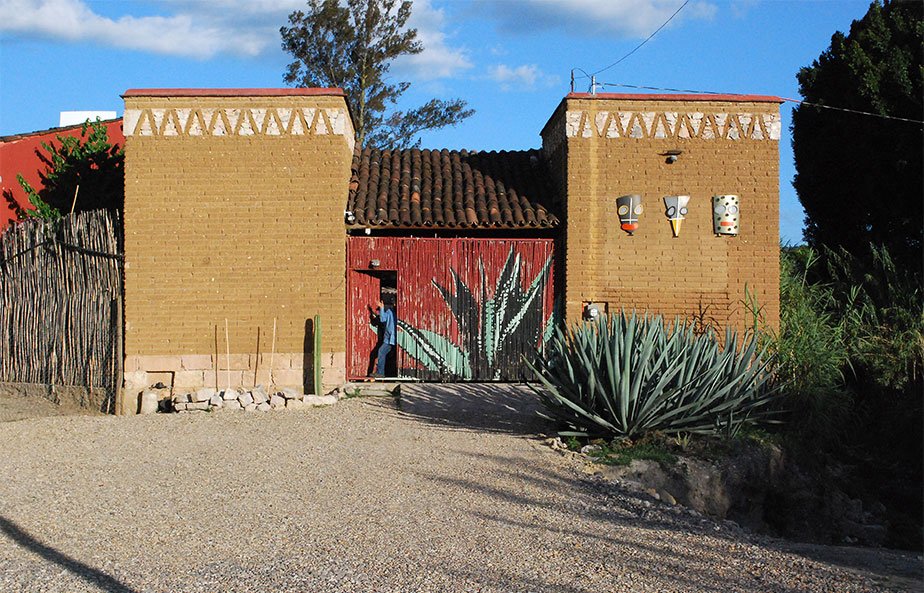 Los DanzantesSantiago MatatlánLos Danzantes is the higher-commitment Santiago Matatlán pick for travelers who want a serious mezcal-focused stop…
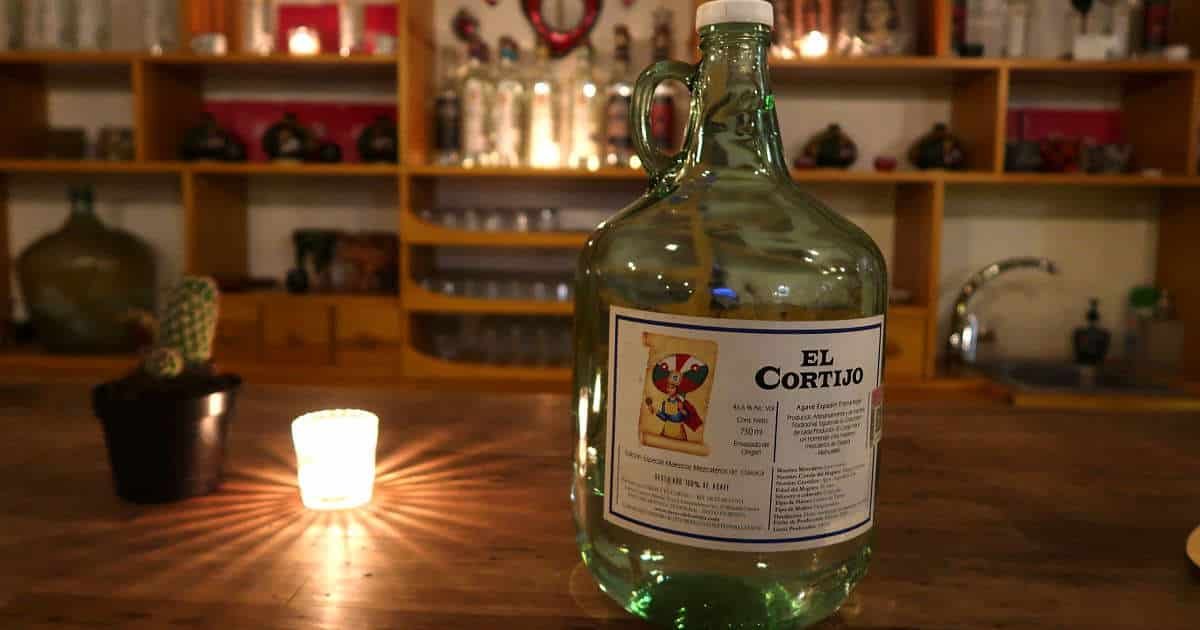 El Cortijo (palenque)Santiago MatatlánEl Cortijo (palenque) is a better fit for mezcal-focused travelers than for anyone looking for a full food-pairing or…
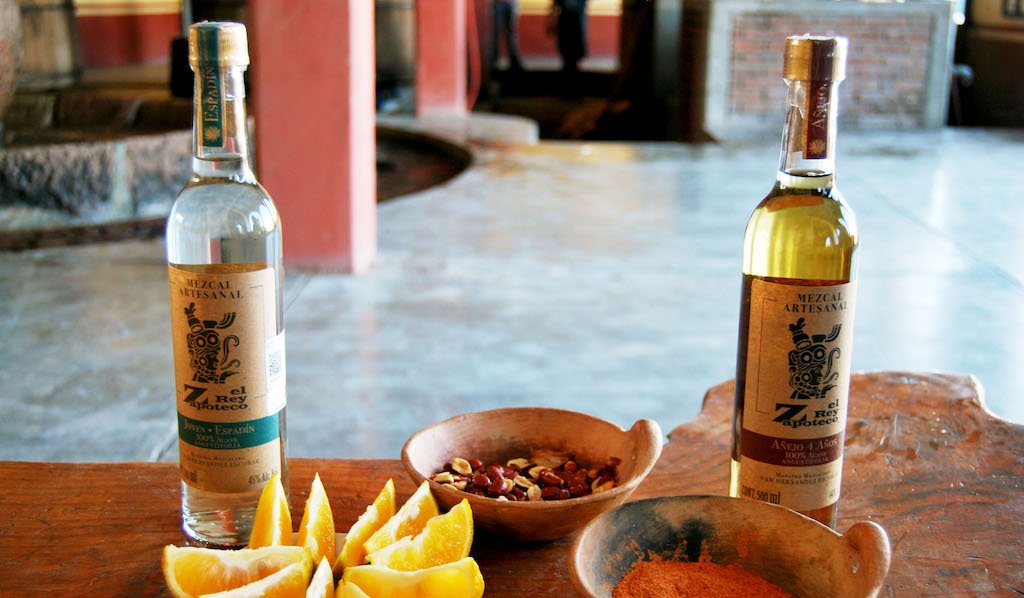 El Rey ZapotecoSantiago MatatlánBook El Rey Zapoteco when the tasting is the main event in Santiago Matatlán, not a casual filler stop. Its Pearl 2…
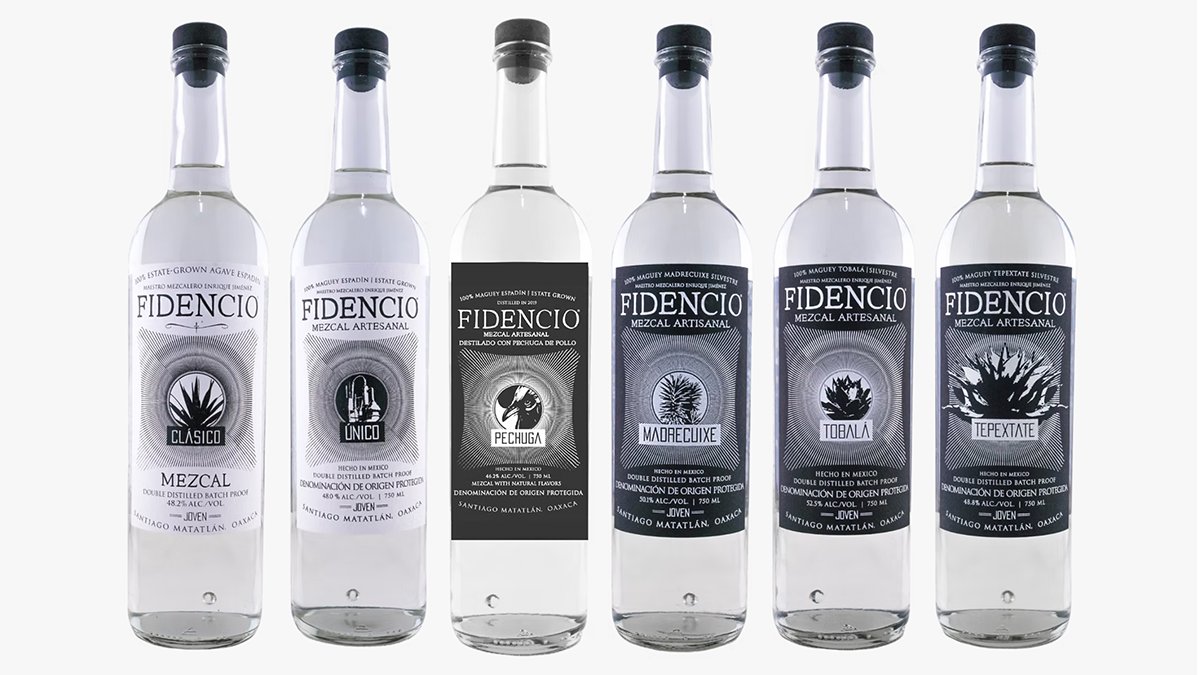 FidencioSantiago MatatlánFidencio is worth prioritizing if the visit is meant to be a serious Santiago Matatlán agave-country stop rather than…
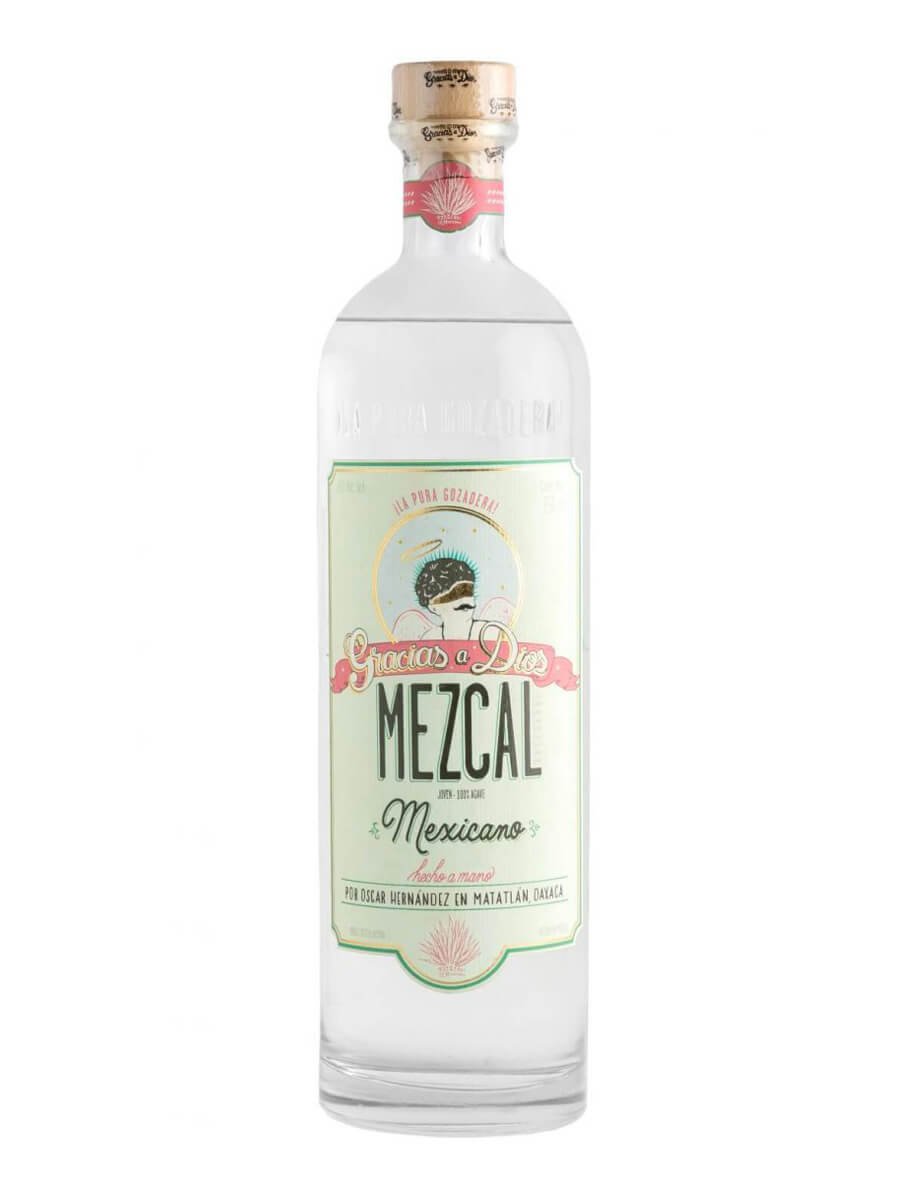 Gracias a DiosSantiago MatatlánGracias a Dios is a strong pick for a planned Santiago Matatlán agave-spirit stop, especially for a small celebration…