Los Danzantes
Santiago Matatlán
Winery in Santiago Matatlán, Mexico
 Book with Pearl
The Read
Agave Maturation Rigour
Why go
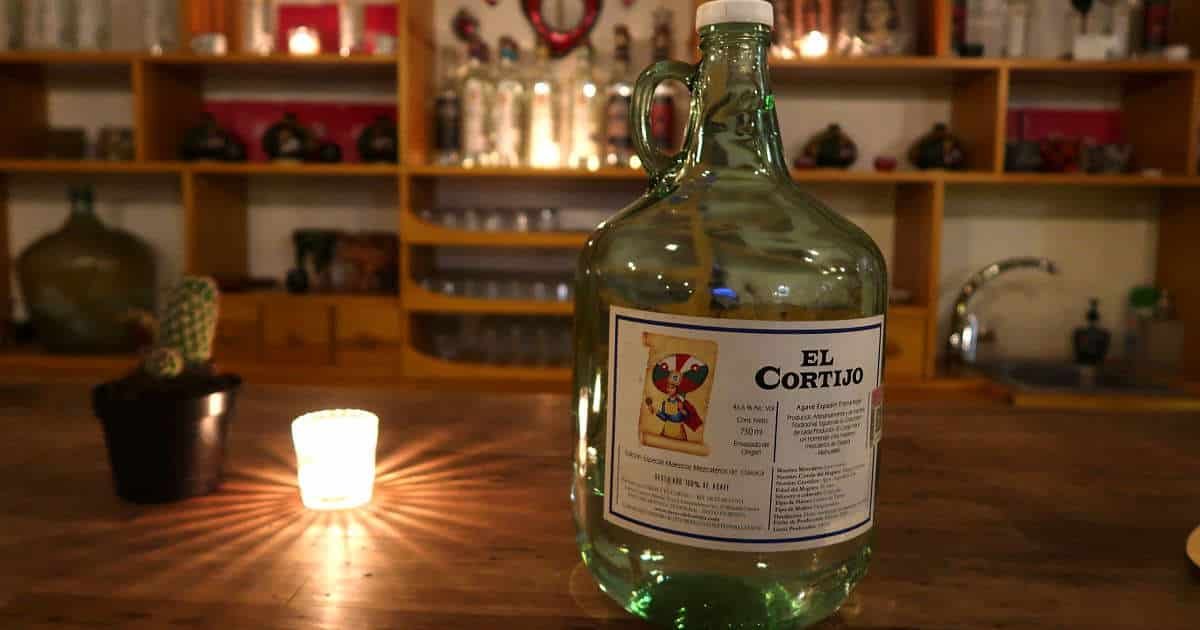
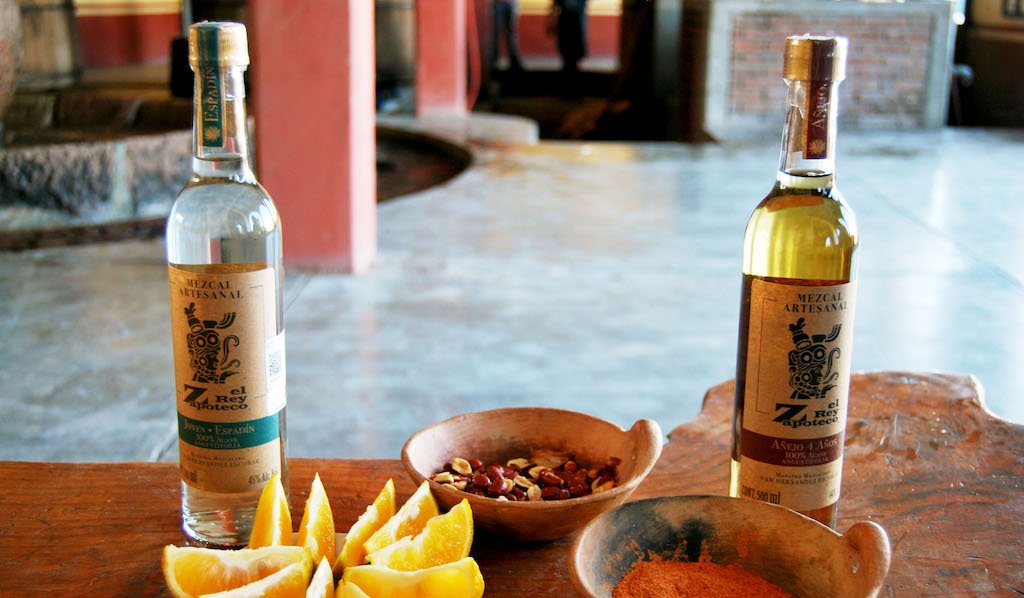
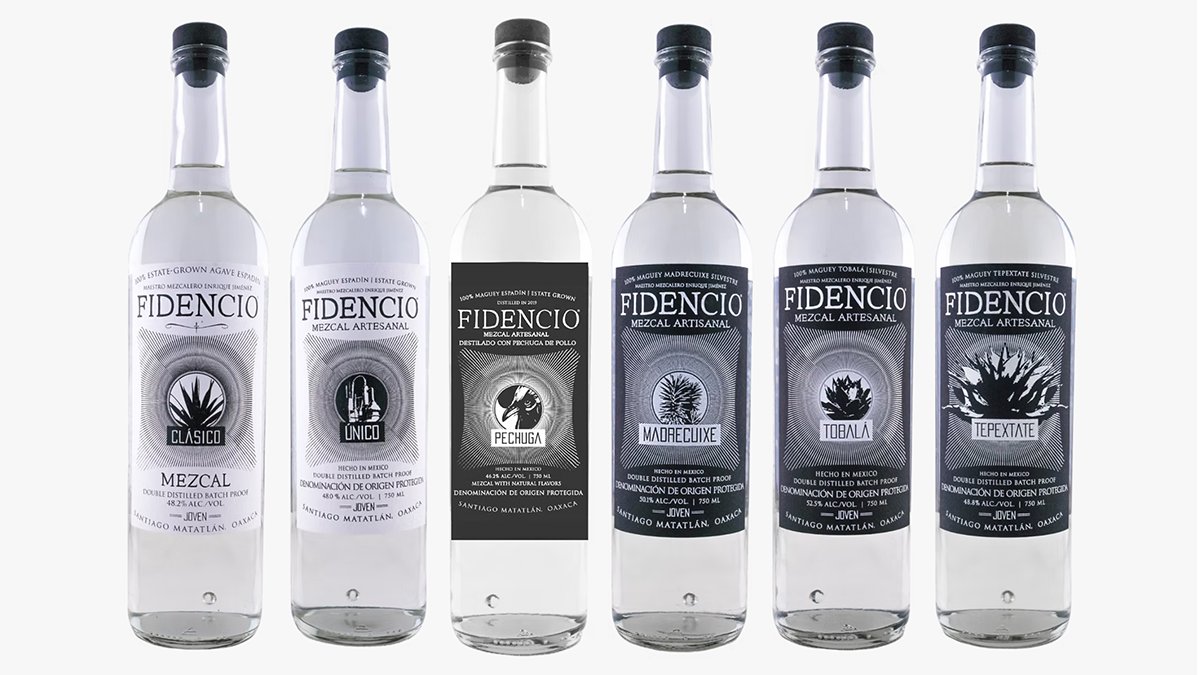
Los Danzantes is the higher-commitment Santiago Matatlán pick for travelers who want a serious mezcal-focused stop rather than a casual tasting-room add-on. It suits celebrations, hosted guests, and production-curious visitors; if access is difficult, cross-shop El Rey Zapoteco, Macurichos, Fidencio, El Cortijo (palenque), or Los Javis.
About Los Danzantes
Los Danzantes is a Santiago Matatlán venue with Pearl 3 Star Prestige (2025) recognition. Plan around its recognition rather than assuming a specific format, menu, service style, or visit length. If you are comparing options, El Rey Zapoteco, El Cortijo (palenque), Macurichos, Fidencio, and Los Javis are relevant names to consider alongside Los Danzantes.
A recognized Santiago Matatlán stop for careful planning
A primary reason to consider Los Danzantes is its Pearl 3 Star Prestige (2025) recognition. Specific details about format, food, drinks, pricing, hours, reservations, group capacity, or visitor experience should be confirmed directly with the venue. Research it directly before building a day around it.
If your schedule is tight, compare Los Danzantes with Macurichos, Fidencio, Los Javis, El Rey Zapoteco, or El Cortijo (palenque) and choose based on the most current information from each venue. If the priority is a Pearl-recognized stop in Santiago Matatlán, keep Los Danzantes on the shortlist.
Who should choose Los Danzantes
Choose Los Danzantes if Pearl 3 Star Prestige (2025) recognition is an important planning signal for your group. If your group mainly wants the easiest possible stop, compare current access details with other options before deciding. For a fuller Santiago Matatlán plan, use current local resources alongside direct confirmation from the venue.
Planning details
- Location
- Francisco I Madero, 70440 Santiago Matatlán, Oax.
- Website
- losdanzantes.com
- Phone
- +52 951 226 2820
The take
The Take
The Vibe
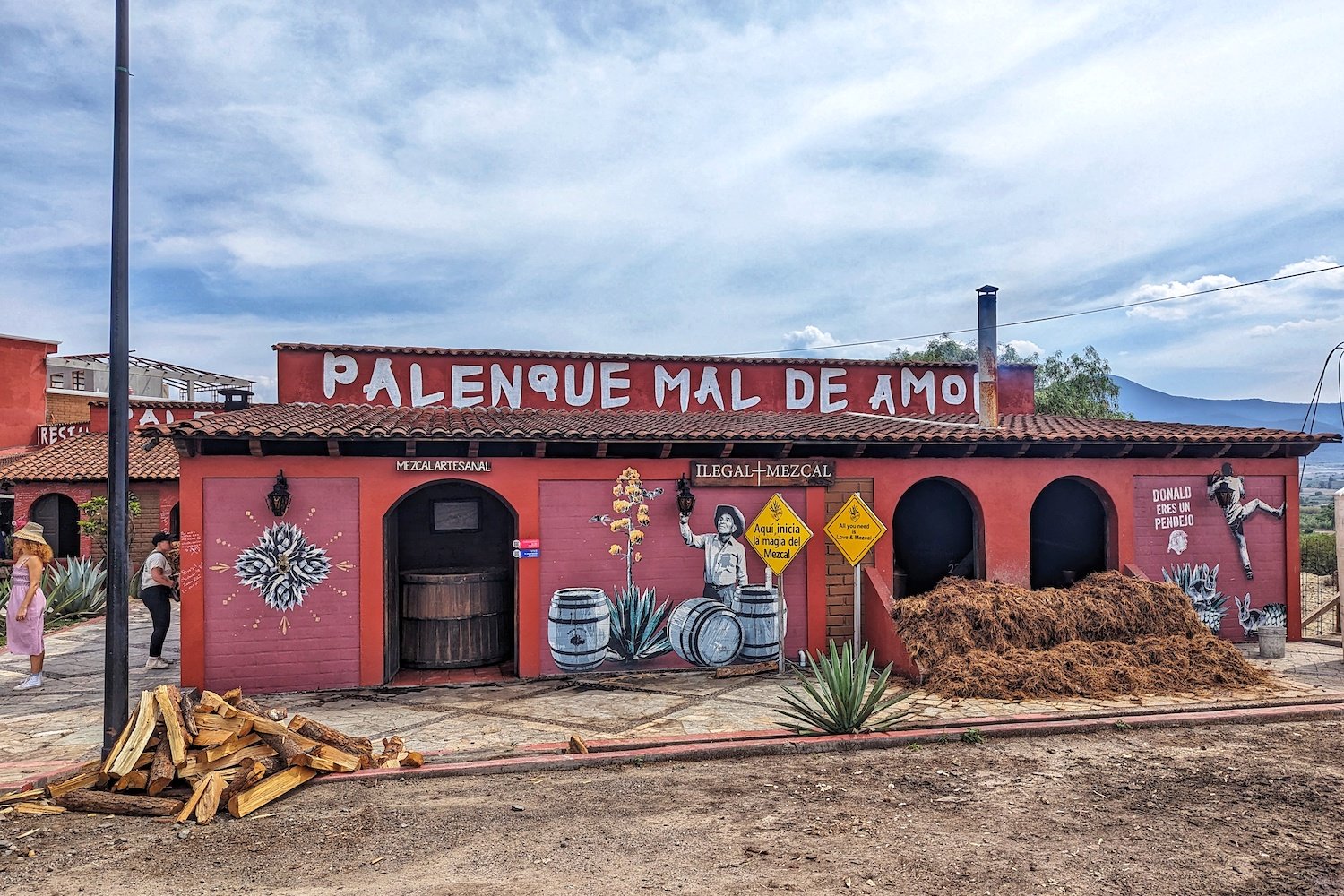
Los Danzantes reads like a working palenque at the heart of a town that lives and breathes mezcal. Agave fields press in along the highway and the faint smoke of underground pit roasting hangs in the dry air, giving the place an elemental, hands-on atmosphere. It sits within family compounds and village streets rather than feeling like a staged tourist spot, and a recent Pearl 3 Star Prestige nod places it among Santiago Matatlán’s more notable producers. The overall sense is rooted and authentic — a production-focused destination with local character rather than a curated hospitality showcase.
Best For
This is a destination for visitors who want to understand mezcal beyond the bottle. Because Los Danzantes is embedded in Santiago Matatlán’s working-distillery tradition, it suits travelers seeking education about production methods, resting and aging practices, and the local palenque logic. It’s not presented as a tourist installation but as part of a living community of makers, so it works best for curious guests who value behind-the-scenes context, comparative tasting of expressions, and conversations about decisions made after distillation.
Tasting Tips
When you visit, orient your questions around post-distillation choices rather than cocktail lists. The write-up emphasizes distinctions in how batches rest and in what vessels they are kept, so ask staff about which expressions are released joven/blanco versus those given extended resting or aging. Request tasting comparisons that highlight differences in vessel and resting time, and inquire about single-expression versus blended releases to hear how the producer’s decisions shape flavor. Avoid expecting a conventional tasting-room script; treat the visit as an educational look at process and expression.
Venue details
Ambiance
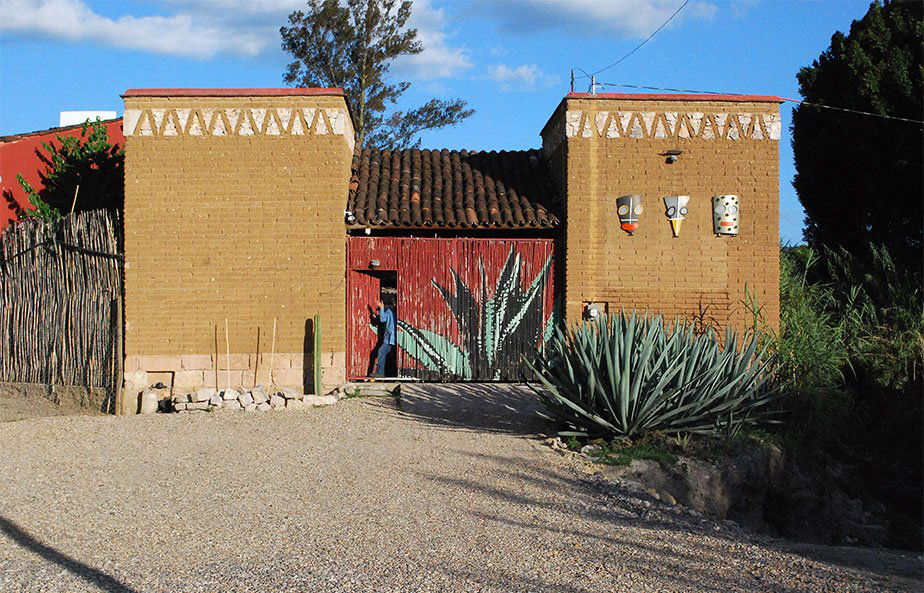
Traditional artisanal setting in mud brick building with rustic production atmosphere.
Tags
Vibe
Best For
Experience
Sourcing
At the Vineyard
- Appellation
- Oaxaca
- Varietals
- Espadín, Arroqueño, Sierra Negra, Tobalá
- Tour Duration
- 60-90 minutes
- Visits
- By appointment only
- Wine Club
- Not available
Know before you go
Know Before You Go
- Getting there
- Francisco I Madero, 70440 Santiago Matatlán, Oax.
Planning details
Location
Also consider
Where to go if this is hard to schedule
If Los Danzantes does not fit the day, try El Rey Zapoteco first for a Matatlán producer stop with a similar regional focus. For a second option, Macurichos is the cleaner choice for visitors prioritizing flexibility over a single anchor experience.
Winery context
How Los Danzantes compares in Santiago Matatlán
Choose Los Danzantes when the visit needs to feel more planned and occasion-ready. Compared with El Rey Zapoteco and El Cortijo (palenque), it is the stronger fit for travelers who want a polished mezcal producer as the anchor stop rather than a quick, flexible tasting.
If value and easier scheduling matter more than name recognition, start with Macurichos, Fidencio, or Los Javis. Those are better cross-shops for visitors trying to fit multiple palenques into one day without making the whole itinerary revolve around a single booking.
For ambiance, Los Danzantes is the choice for a more deliberate Matatlán stop. For a broader producer crawl, split attention across El Rey Zapoteco, Fidencio, and Los Javis, then keep Los Danzantes for the day when the group wants fewer stops and more focus.
Explore Santiago Matatlán
Around this place
Discover more on Pearl
Unlock the full Los Danzantes guide in Pearl, including awards, comparisons, FAQs, planning details, and nearby places.
Compare Los Danzantes
How it compares with nearby producers
Los Danzantes is the occasion-led pick among the listed Santiago Matatlán options. El Rey Zapoteco and El Cortijo (palenque) make more sense for a lower-friction palenque-style stop, while Los Danzantes is better when the producer itself is the centerpiece.
Macurichos, Fidencio, and Los Javis are the more practical backups if scheduling is the main constraint. Pick them for a wider Matatlán tasting day; pick Los Danzantes when the group wants a tighter, more deliberate visit.
FAQ
Frequently Asked Questions
Can Los Danzantes handle large groups?
Do not assume Los Danzantes can accommodate a large party without advance confirmation regarding group capacity. Its Pearl 3 Star Prestige (2025) recognition is a planning signal. For groups comparing options, El Cortijo (palenque) is another name to research directly.
What is about Los Danzantes?
Los Danzantes is located in Santiago Matatlán and holds Pearl 3 Star Prestige (2025) recognition. Confirm details such as format, menu, drinks, hours, pricing, and reservations directly with the venue before visiting.
What other venues can I compare with Los Danzantes?
The names to compare are El Rey Zapoteco, Macurichos, El Cortijo (palenque), Fidencio, and Los Javis. Compare each venue through its official channels for specific tasting, dining, or visit details before building an itinerary in Santiago Matatlán.