Fidencio
Santiago Matatlán
Winery in Santiago Matatlán, Mexico
 Book with Pearl
The Read
Palenque-Source Mezcal
Price
$30–50tasting
Why go
Fidencio is worth prioritizing if the visit is meant to be a serious Santiago Matatlán agave-country stop rather than a casual tasting. It suits special-occasion travelers who care about setting and route planning, but groups needing confirmed food, hours, or easy booking should cross-shop nearby palenques first.
About Fidencio
Should you visit Fidencio in Santiago Matatlán? Consider it if you are looking for a Pearl-recognized venue in Santiago Matatlán and are comfortable confirming practical details before you go. Fidencio has a casual dress code and holds Pearl 2 Star Prestige recognition for 2025.
Because details such as service format, hours, menu, pricing, reservations, and group capacity are not available, it is safest to plan conservatively. Treat Fidencio as a venue to check directly before arrival rather than a stop whose logistics can be assumed from third-party descriptions.
Book this as the serious Santiago Matatlán stop, not the filler visit
Fidencio's primary distinction is its 2025 Pearl 2 Star Prestige recognition. That makes it a meaningful name to consider in Santiago Matatlán, especially for travelers choosing only a small number of stops and wanting a venue with a clear distinction.
Practical information is limited. If your group needs timing, service details, food availability, or reservation requirements, contact Fidencio directly before committing. You can also compare the plan with Los Danzantes, Los Javis, El Rey Zapoteco, Macurichos, and El Cortijo (palenque) while keeping each venue's details separate and confirming current logistics independently.
Use the surrounding route to build a smarter day
For readers building a Santiago Matatlán plan, keep Fidencio on the shortlist as a Pearl 2 Star Prestige venue and avoid assuming details. Its casual dress code keeps the wardrobe requirement simple, but the rest of the visit should be confirmed through the venue before travel.
If the day includes more than one stop, use other venue options generically as backups, and compare details before setting the route. El Rey Zapoteco, El Cortijo (palenque), Los Danzantes, Los Javis, and Macurichos are natural names to consider alongside Fidencio, but current availability, service style, and visitor requirements should be checked directly.
Planning details
- Location
- Carr. Internacional km 48, 70440 Santiago Matatlán, Oax.
- Website
- delamigofidencio.com
- Phone
- +52 951 188 1162
The take
The Take
The Vibe
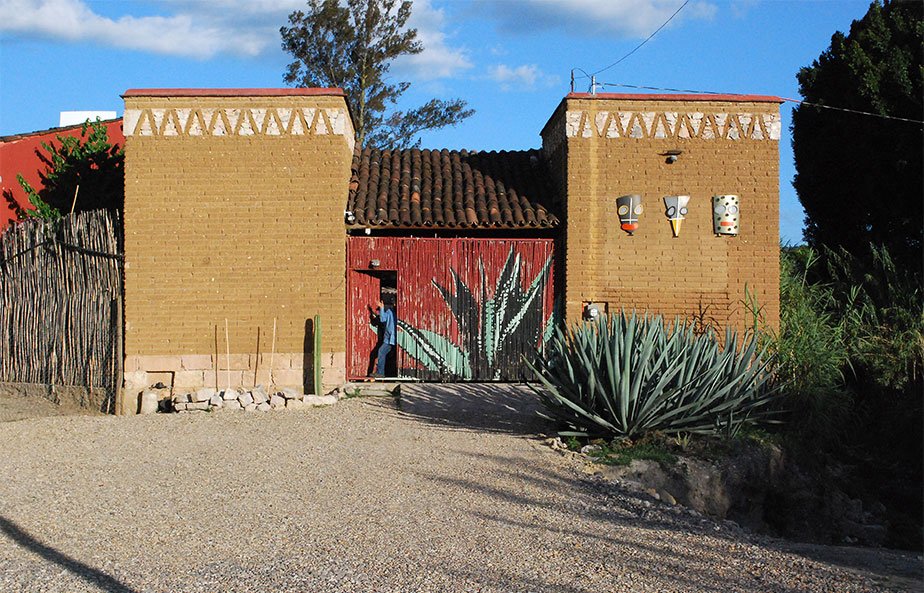
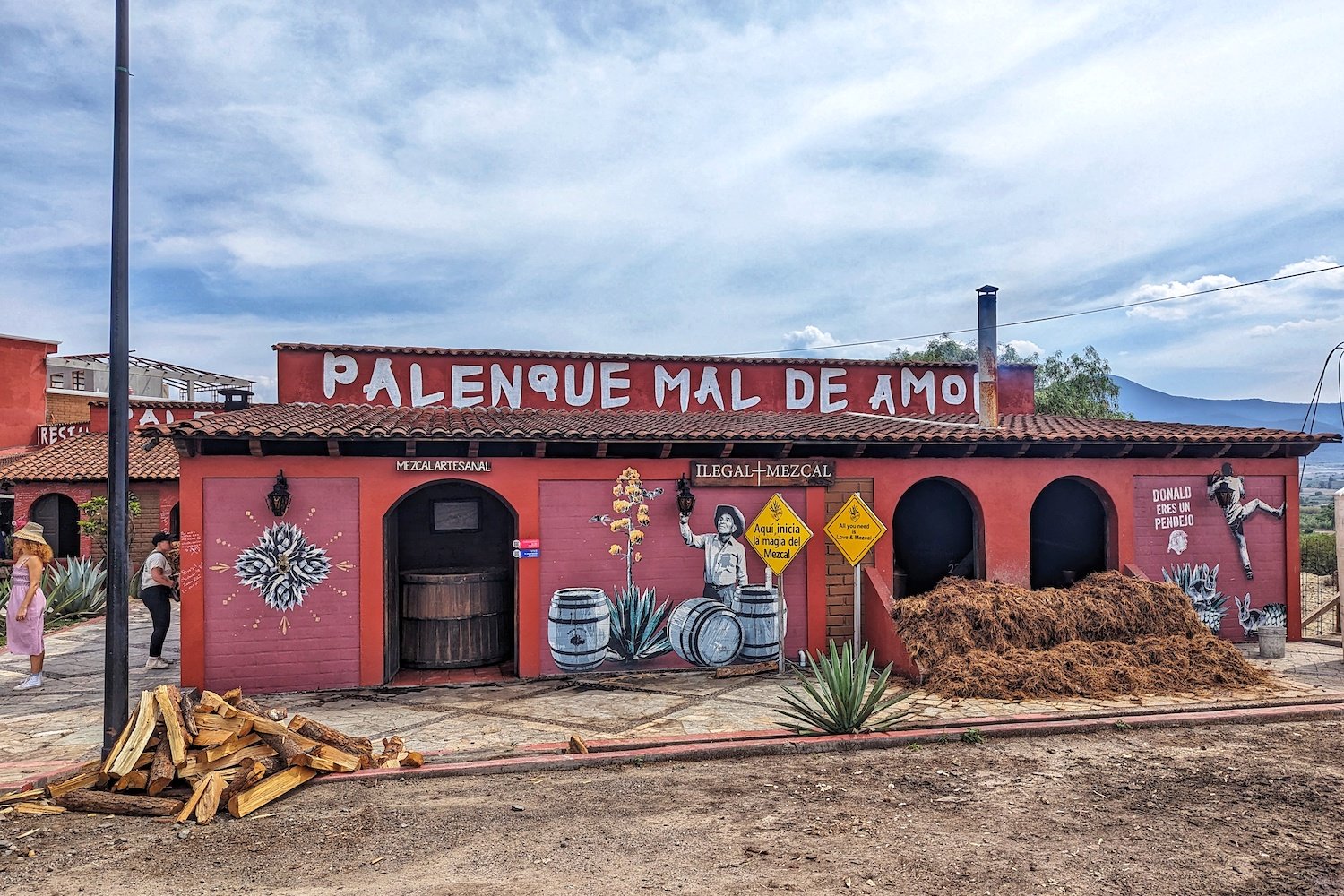
Fidencio presents as a scenic, grounded producer where landscape defines craft. The estate sits in the broad, dry valley of Santiago Matatlán at roughly 1,600 metres, and the surrounding rows of mature agave create a visual rhythm of deliberate patience. The setting is both rural and storied: a community whose mezcal identity predates modern markets, with the distant ridgelines of the Sierra Norte and Sierras Sur framing the operation. Recent recognition — a 2025 Pearl 2 Star Prestige designation — underscores a serious, quality-driven approach, giving the site a quietly sophisticated air amid its rustic context.
Best For
Fidencio is best for visitors who come to learn and to observe the agricultural logic behind mezcal. The drive along Carretera Internacional functions as part of the experience, with roadside agave fields serving as an open-air primer on varieties and maturation timelines. Serious solo visitors and students of mezcal will appreciate explanations about altitude and plant maturity — Espadín often taking seven to twelve years, rarer species much longer — and the operation’s role within the dense cluster of producers that make Santiago Matatlán a regional center for production.
Tasting Tips
Use Fidencio’s Pearl 2 Star Prestige designation as a practical filter when choosing which producers to visit; the write-up explicitly calls it a navigation tool for the serious visitor. Note the physical marker given in the description — the operation is located at km 48 on the Carretera Internacional through Santiago Matatlán — and expect to spend time looking at agave in the field: the text emphasizes mature rosettes and the slow accumulation of sugar that feeds each distillation run. Those seeking education should focus on the landscape and production context described.
Venue details
Ambiance
Artisanal distillery environment with traditional production methods using clay pots, copper stills, and wood-fired alembic equipment reflecting over 100 years of family heritage.
Tags
Vibe
Best For
Experience
Sourcing
At the Vineyard
- Appellation
- Valles Centrales
- Varietals
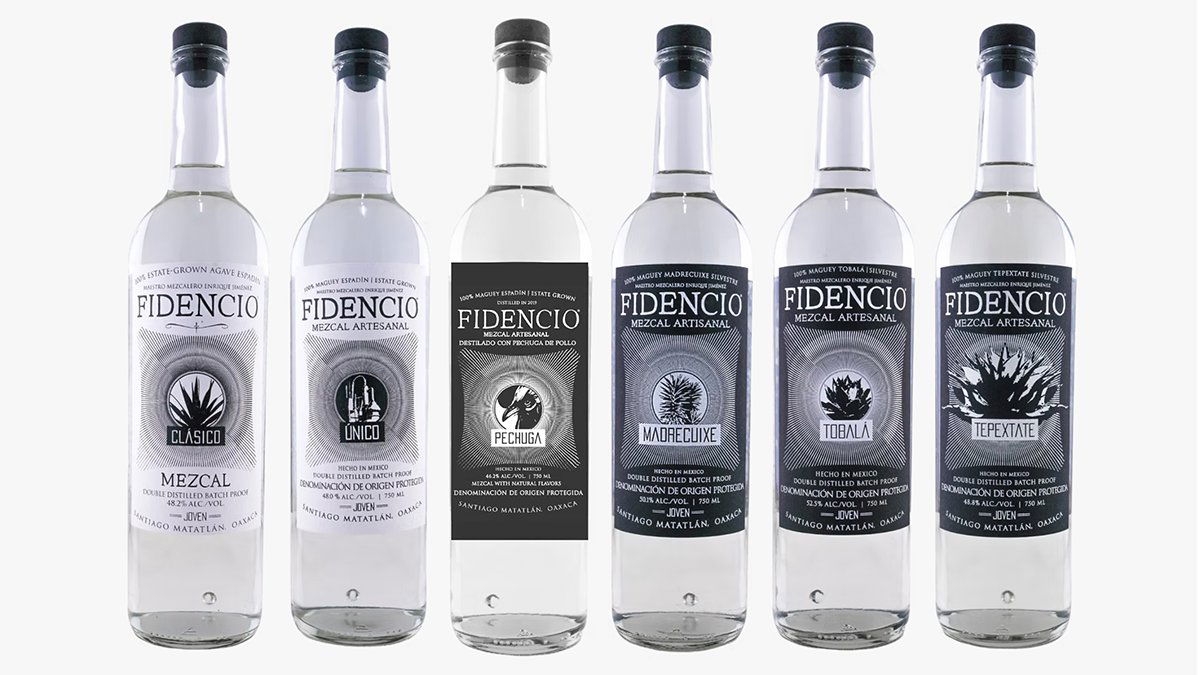
- Espadín, Maguey Mexicano, Madrecuixe, Tobala
- Visits
- By appointment only
- Farming
- Biodynamic
- Shipping
- Available
- Wine Club
- Not available
Know before you go
Know Before You Go
- Getting there
- Carr. Internacional km 48, 70440 Santiago Matatlán, Oax.
Planning details
Location
Carr. Internacional km 48, 70440 Santiago Matatlán, Oax. · Directions
Also consider
If Fidencio is hard to plan
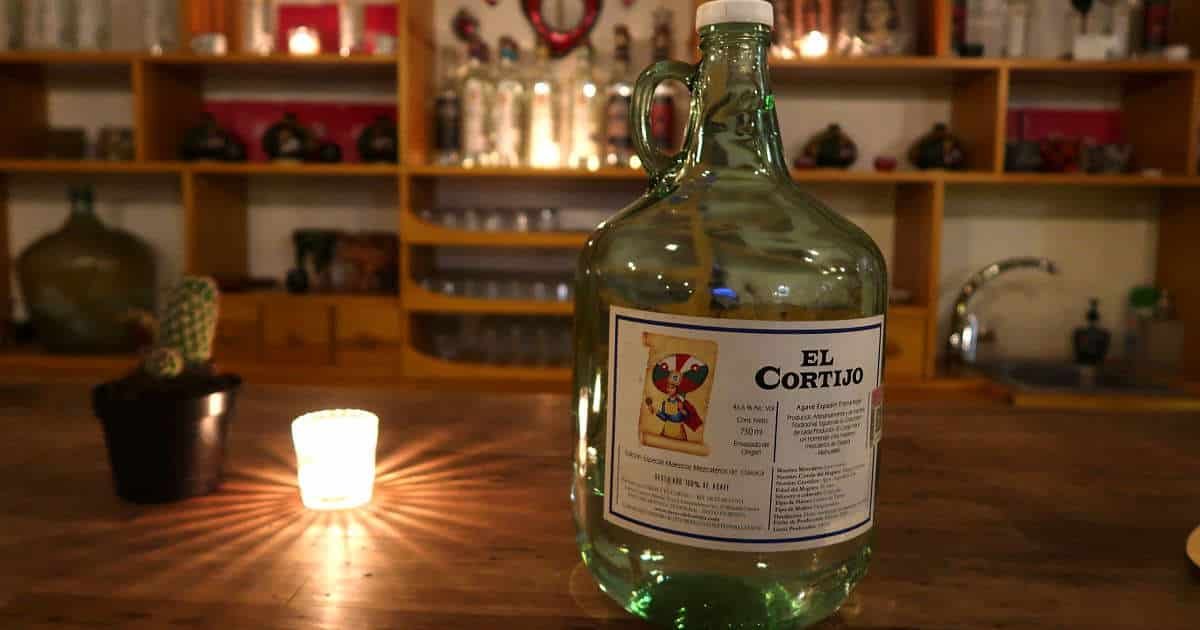
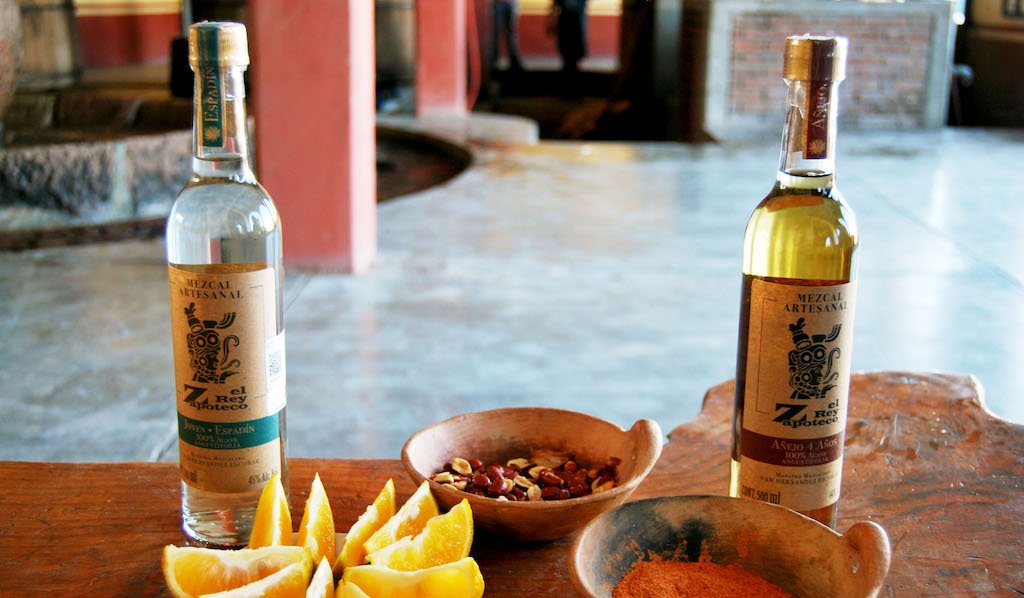
Try El Rey Zapoteco first if the goal is to stay in Santiago Matatlán without overcomplicating the day. Add El Cortijo (palenque) if the group wants another production-focused stop rather than a broader regional detour.
Winery context
How Fidencio compares in Santiago Matatlán
Choose Fidencio when the setting is part of the reason for going. Against Los Danzantes and Los Javis, it reads as the higher-commitment pick: better for a planned celebration or serious mezcal route, less convenient for travelers who want every detail confirmed before the day starts.
El Rey Zapoteco and Macurichos are the smarter cross-shops if the priority is keeping the itinerary flexible. If the group is trying to compare production settings rather than just taste, add El Cortijo (palenque) to the same day plan.
For value, the deciding factor is not a published tasting price here; it is how much effort the visit deserves in the schedule. Fidencio is the one to protect time for. The others are better as contingency options if the day needs easier logistics or more room for multiple stops.
Explore Santiago Matatlán
Around this place
Discover more on Pearl
Unlock the full Fidencio guide in Pearl, including awards, comparisons, FAQs, planning details, and nearby places.
Compare Fidencio
| Venue | Location | Awards |
|---|---|---|
| Fidencio | Santiago Matatlán | No published awards |
| Los Danzantes | Santiago Matatlán | No published awards |
| Los Javis | Santiago Matatlán | No published awards |
| El Rey Zapoteco | Santiago Matatlán | No published awards |
| Macurichos | Santiago Matatlán | No published awards |
| El Cortijo (palenque) | Santiago Matatlán | No published awards |
How Fidencio Santiago Matatlán compares with similar nearby venues.
FAQ
Frequently Asked Questions
What other venues can I compare with Fidencio?
Compare Fidencio with Los Danzantes, Los Javis, El Rey Zapoteco, Macurichos, or El Cortijo (palenque). Keep Fidencio's location to Santiago Matatlán and confirm current visit details directly before planning the day around it.
When is the best time to visit Fidencio?
Hours or best visiting window are not available. Plan around Santiago Matatlán, then confirm timing directly with Fidencio before you go. Its primary distinction is its 2025 Pearl 2 Star Prestige recognition.
Can Fidencio handle large groups?
Group capacity is not available. If you are planning for several people, contact Fidencio directly before arrival, especially if you are comparing the day with Los Javis or Macurichos.
Are membership or club details for Fidencio?
Membership or club information is not available. Base your decision on details from Fidencio rather than assuming a club, membership program, or bottle-pickup format.
Are specific drinks or bottles for Fidencio?
Flagship bottle or drink information is not available. Its primary distinction is Fidencio's 2025 Pearl 2 Star Prestige recognition; compare it with El Rey Zapoteco if you want another venue to consider for the same route.
Do I need a reservation at Fidencio?
Does Fidencio serve food?
Food service is not available. Plan separately for any meal needs, and check Fidencio's official channels for current details before relying on food being available.