El Buho
Santiago Matatlán
Winery in Santiago Matatlán, Mexico
 Book with Pearl
The Read
Artisanal Agave Craft
Why go
El Buho is worth prioritizing if the goal is a serious agave-focused stop in Santiago Matatlán, especially given its Pearl 1 Star Prestige recognition in 2025. Do not treat it as a meal-first booking; plan food separately and use this as the drinks anchor for the day.
About El Buho
El Buho is a venue in Santiago Matatlán with Pearl 1 Star Prestige recognition for 2025. That recognition is a clear reason to note it, and it gives the listing a meaningful anchor for travelers who are sorting through options in and around Santiago Matatlán. Beyond the award signal and location, keep your plans flexible until you have current details from the venue about the experience, atmosphere, and what to expect on site.
Do not build an itinerary around assumptions about cuisine, service format, hours, prices, group capacity, reservations, or any specific food or beverage offering. Those are the kinds of details that can materially shape a visit, especially when travel time, limited schedules, or group logistics are involved. If any of those details matter for your visit, confirm them directly through the venue before you go, and leave unanswered points open rather than implied.
Book it for the recognition, then confirm the practical details
El Buho may be worth considering if you are researching recognized venues in Santiago Matatlán. The strongest reason to place it on a shortlist is its Pearl 1 Star Prestige recognition in 2025, rather than any claim about a menu, drinks program, or visit format. In practical terms, the recognition can help explain why the venue deserves attention, but it should not be stretched into a substitute for current, visit-specific information.
For wider planning, compare El Buho with other dining in Santiago Matatlán generically, and confirm current details directly before committing time in your itinerary. A measured approach is especially useful here: keep the recognition in view, avoid filling gaps with assumptions, and make any final plan only after the practical questions that matter to your visit have been answered by the venue itself.
Planning details
- Location
- Santiago Matatlán, Mexico
The take
The Take
The Vibe
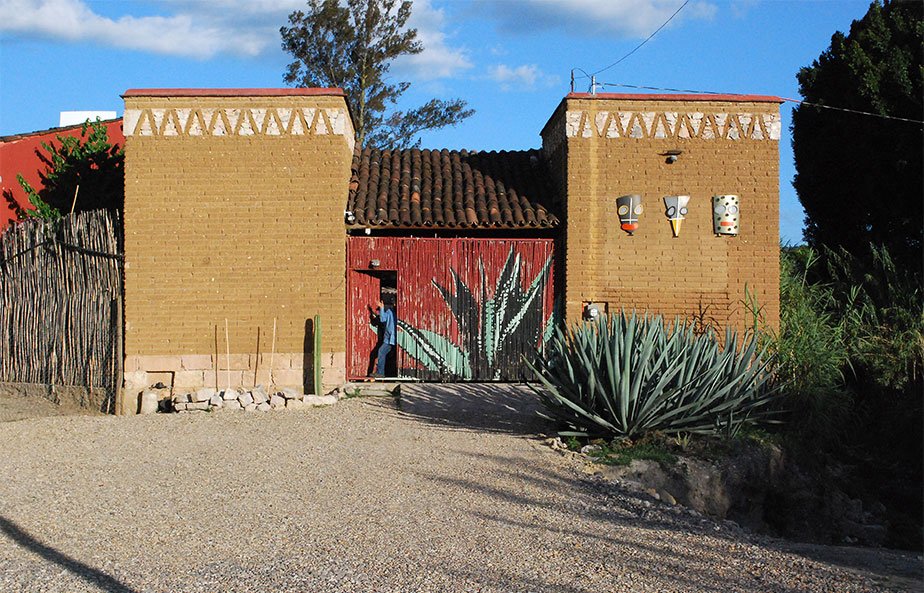
El Buho is rooted in the production culture of Santiago Matatlán, a place long associated with mezcal-making. The writing places the producer firmly within a generational tradition of family palenques and a terroir-driven approach—thin rocky soils, wide diurnal swings and sporadic rainfall—that shapes intensely flavored agave. The tone conveys a working, historic character rather than a slick visitor attraction: this is a site where artisanal craft and place matter first. Visitors can expect an environment defined by production knowledge and regional authenticity rather than polished hospitality theater.
Best For
El Buho best serves people who come to learn and source rather than merely consume. The description highlights buyers and curious visitors from Japan, Scandinavia and the U.S. who travel to Santiago Matatlán to understand mezcal and its geographic specificity. If your visit is motivated by education—studying agave varieties, regional production methods, or sourcing direct from producers—El Buho fits that purpose. It is less about nightlife or dining and more about immersive, terroir-focused exploration of mezcal history and craft.
Tasting Tips
When engaging with El Buho or its bottlings, prioritize provenance and production details. The profile stresses the valley’s specific growing conditions and a production context recognized by a Pearl 1 Star Prestige award in 2025, so ask about agave species, maturation times and traditional palenque methods to understand what distinguishes each expression. For buyers or collectors, request documentation of production practices and any award notations; for curious visitors, frame questions around terroir and how local climate and soils concentrate agave sugars over years rather than months.
Venue details
Ambiance
Traditional, artisanal mezcal production with a sustainability-forward narrative and a family-distillery setting in Santiago Matatlán.
Tags
Vibe
Best For
Sourcing
At the Vineyard
- Varietals
- Espadín, Cuishe
- Visits
- Walk-ins welcome
- Farming
- Sustainable
- Production
- Small producer
- Founded
- 2010
- Wine Club
- Not available
Planning details
Location
Santiago Matatlán, Mexico
Explore Santiago Matatlán
Around this place
Discover more on Pearl
Unlock the full El Buho guide in Pearl, including awards, comparisons, FAQs, planning details, and nearby places.
FAQ
Frequently Asked Questions
What is El Buho known for?
El Buho in Santiago Matatlán is known for holding Pearl 1 Star Prestige recognition for 2025. For cuisine, drinks, menu format, or service style, check directly with the venue.
How long should I plan for a visit to El Buho?
Does El Buho offer shipping?
If shipping is important, ask the venue directly before planning around it.
What other venues are near El Buho?
Use Santiago Matatlán as the location reference and research other dining in the area separately.
Can El Buho handle large groups?
Do I need a reservation at El Buho?
Because El Buho has Pearl 1 Star Prestige recognition for 2025, it is sensible to check directly with the venue before visiting.