
Winery in Santa Ynez, United States
Kita Wines
250ptsTribal Terroir Elegance
About Kita Wines
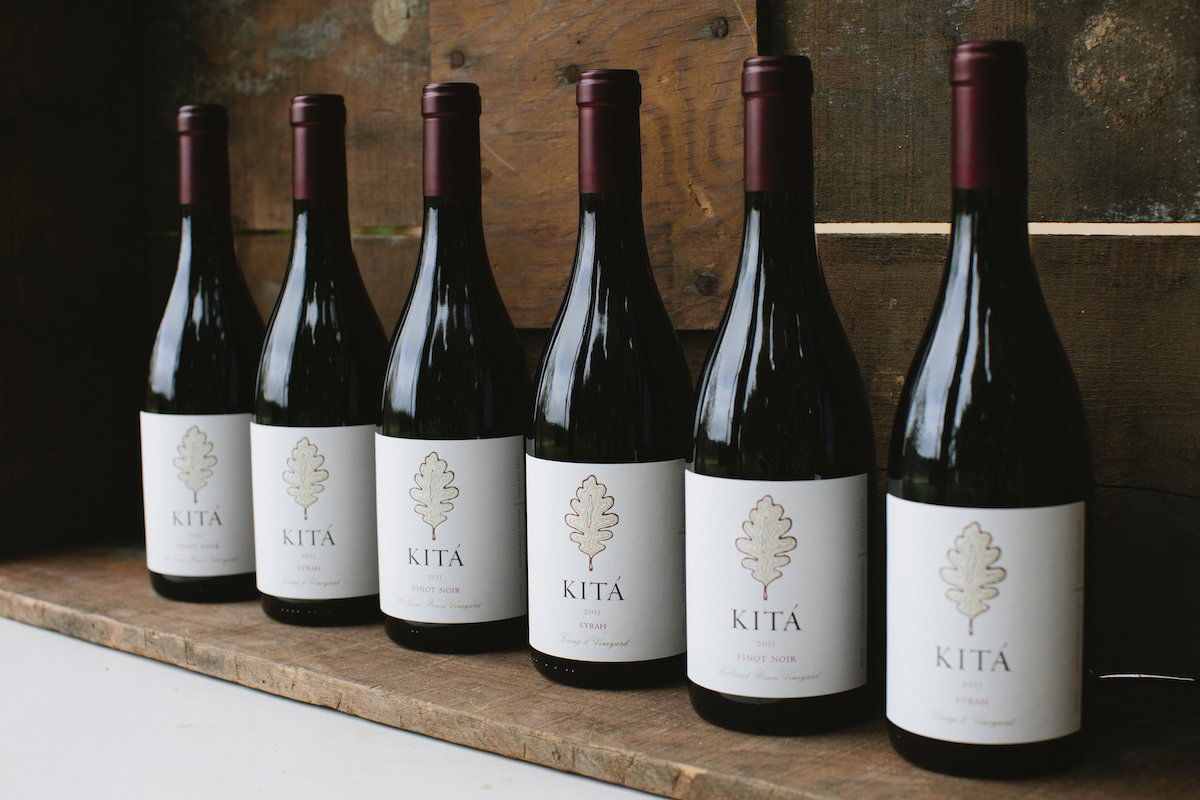
Kita Wines in Santa Ynez Valley, California, was a tribally owned boutique estate winery led by winemaker Tara Gomez. Known for terroir-driven Chardonnay, Pinot Noir and the Kalaš Camp 4 Vineyard 2014 Bordeaux-style blend, Kita produced roughly 2,000 cases annually with sustainable practices and a nod to ancestral stewardship. The brand earned industry recognition, including VinePair’s Next Wave Award, and press in Food & Wine and Bon Appétit. Bottles like the Kalaš vintage retail near $48.99, offering layered fruit, coastal minerality and graceful oak influence. Though production ceased in 2023, Kita Wines remains an important chapter in Santa Ynez wine history and a collectible presence for discerning collectors.
Kita Wines opened in 2010 in the Santa Ynez Valley as the first tribally owned and operated estate winery in the United States. From the first sentence it was clear this was a wine project rooted in place: Camp 4 Vineyard, the tribally owned estate originally planted by Fess Parker, provided the backbone for Chardonnay, Pinot Noir and Bordeaux-style blends crafted to reflect coastal breezes, varied microclimates and well-drained soils. Visitors who experienced Kita Wines in its tasting room at the Lompoc Wine Ghetto remember focused flights that juxtaposed bright Santa Ynez acidity with rounded barrel textures and a storytelling cadence that foregrounded Chumash stewardship of the land. In search queries like “Kita Wines Santa Ynez Valley winery” or “Santa Ynez Valley wine tasting,” the winery’s name appears attached to both cultural significance and carefully made, terroir-driven wines.
Winemaker Tara Gomez, a tribal member with enology training from California State University Fresno and harvest experience abroad, led Kita Wines’ production team and translated cultural values into winemaking choices. The vintner’s approach emphasized sustainable viticulture, minimal intervention fermentation where appropriate, and aging programs that sought balance rather than overt oak dominance. The winery’s profile rose through earned recognition—features in Food & Wine and Bon Appétit and a VinePair Next Wave Award in 2021 that recognized equity and sustainability efforts—while the Santa Ynez Band of Chumash Indians maintained ownership and governance. Kita Wines combined boutique production (about 2,000 cases per year) with the gravitas of being a historically significant, indigenous-run enterprise.
Signature releases anchored the portfolio. The Kalaš Camp 4 Vineyard 2014 Bordeaux-style red blended fruit from the estate and nearby sites to craft a structured, layered wine that collectors prize; tasting notes typically describe dark cherry, cocoa, savory herb lift and measured oak integration from barrel aging. Estate Chardonnay bottlings expressed coastal acidity, pear and citrus notes with textural weight indicative of careful lees management; Pinot Noir from Camp 4 and sourced Santa Barbara sites showed red-fruit clarity, floral lift and fine tannins. Limited releases and club-allocated bottles were part of the brand’s distribution strategy, creating scarcity for certain vintages. While specific barrel regimes and exact aging months were not fully documented in public sources, available tasting commentary and retail pricing suggest a premium, cellar-forward approach aligned with small-lot fermentation and barrel selection.
The physical experience of Kita Wines centered on its tasting room in the Lompoc Wine Ghetto and its connection to Camp 4 Vineyard in the Santa Ynez Valley. The Lompoc facility served as the production hub and public-facing cellar space where guests could sample flights and learn about indigenous land stewardship, sustainable farming, and the story behind each bottling. Architectural and design details emphasized respect for place and heritage, and the production facility enabled hands-on winemaking and small-batch attention. That said, the Santa Ynez Band of Chumash Indians decided to cease wine production and close tasting-room operations in early 2023; public visits and regular tastings are no longer available, though bottles and past vintages turn up through select retailers and secondary markets for collectors and curious travelers.
For travelers planning a Santa Ynez Valley itinerary, the story of Kita Wines is best encountered through regional wine trails, museum and cultural programming, and by tracking cellar releases through auction and specialty retailers. Because the winery closed operations in spring 2023, advance booking for tastings at Kita Wines is not possible; instead, visitors should contact Santa Ynez tourism channels or licensed retailers for availability of remaining stock. Those researching “Is Kita Wines still open?” or “where to buy Kalaš Camp 4 Vineyard 2014” will find that the winery’s legacy releases remain sought after by collectors and that the estate’s stewardship story is often highlighted in regional guides.
Kita Wines occupies an important place in Santa Ynez Valley wine history: a compact, award-recognized estate that married rigorous winemaking with Indigenous land care. For collectors, wine students and culturally minded travelers, following Kitá’s (Kita Wines’) bottles offers a way to taste a terroir-driven expression of the valley and to honor a distinctive chapter in American wine. Explore regional listings, specialty shops and auction platforms to locate releases and to learn how the Santa Ynez Band of Chumash Indians continues to steward ancestral lands beyond the winery’s operational years.
Related editorial
- Best Fine Dining Restaurants in ParisFrom three-Michelin-star icons to the next generation of Parisian chefs pushing boundaries, these are the restaurants that define fine dining in the world's culinary capital.
- Best Luxury Hotels in RomeFrom rooftop terraces overlooking ancient ruins to Michelin-starred hotel dining, these are the luxury hotels that make Rome unforgettable.
- Best Cocktail Bars in KyotoFrom sleek lounges to hidden speakeasies, Kyoto's cocktail scene blends Japanese precision with global influence in ways you won't find anywhere else.
Save or rate Kita Wines on Pearl
Keep this venue in your Pearl passport, rate it after you visit, and track it alongside every other place you collect.