
Gainey Vineyard
Santa Ynez Valley, Santa Ynez
Winery in Santa Ynez, United States
 Book with Pearl
The Read
Santa Ynez Valley Estate Precision
Price
$30–50tasting
Why go
A strong pick for a polished Santa Ynez winery outing, especially when the occasion calls for an established estate rather than a casual tasting-room crawl. Gainey Vineyard's first vintage dates to 1978, with Jeff LeBard leading winemaking, so the appeal is continuity and regional credibility more than novelty.
About Gainey Vineyard
Gainey Vineyard is a Santa Ynez venue with 3 Star Prestige recognition for 2025. For detailed planning, confirm visit details directly. The dress code is casual, and Jeff LeBard is the chef/owner associated with the venue.
A Santa Ynez choice for an itinerary
Choose Gainey Vineyard when you want a Santa Ynez stop with a 3 Star Prestige distinction. Beyond that recognition, specific details such as visit format, food service, pricing, hours, group capacity, and reservation requirements are best confirmed directly with the venue. Confirm the current experience directly before using it as the anchor for a special occasion or a tightly timed day.
For a broader Santa Ynez day, compare Gainey Vineyard with other named options such as Sunstone Winery, Rideau Vineyard, Brave and Maiden Estate, and Artiste Winery and Tasting Studio. G.H. Mumm can also be useful as a broader point of comparison, depending on the kind of visit you are considering. For planning the rest of the trip, the useful companion page is Our full Santa Ynez restaurants guide.
Who should choose it, and who should cross-shop
Choose Gainey Vineyard if you are looking for a Santa Ynez venue with casual dress expectations and recognition. Cross-shop if you need a specific format, such as a particular visit structure, food offering, private-event setup, or group arrangement, as these details require direct confirmation.
Artiste Winery and Tasting Studio, Brave and Maiden Estate, Rideau Vineyard, and Sunstone Winery are natural names to consider when comparing possible stops in and around the area. The best choice depends on the experience you want, so confirm the current offering, timing, and any booking requirements directly with each venue before making plans.
Planning details
- Location
- 3950 CA-246, Santa Ynez, CA 93460
- Website
- gaineyvineyard.com
- Phone
- +1 805-688-0558
The take
The Take
The Vibe
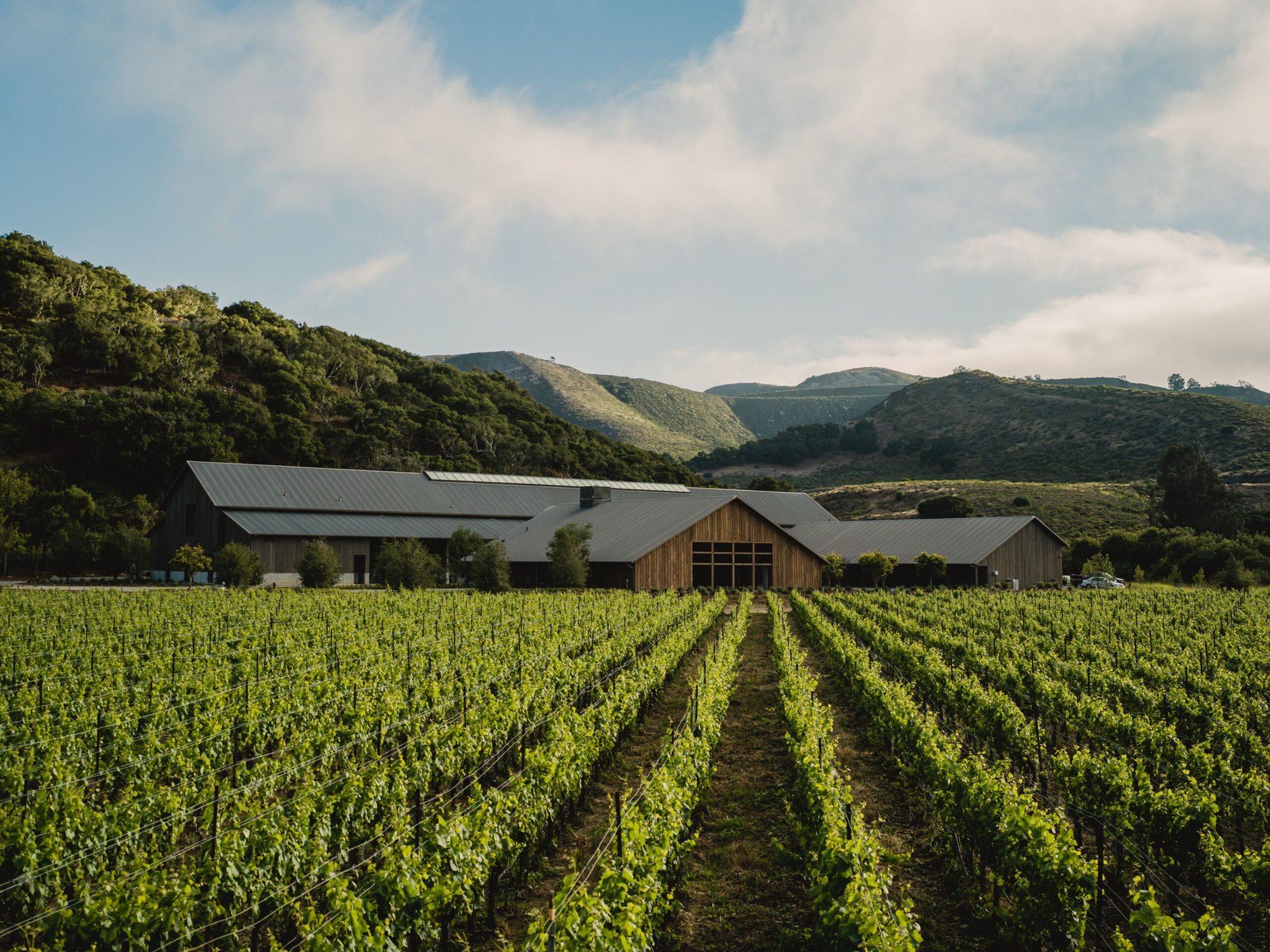
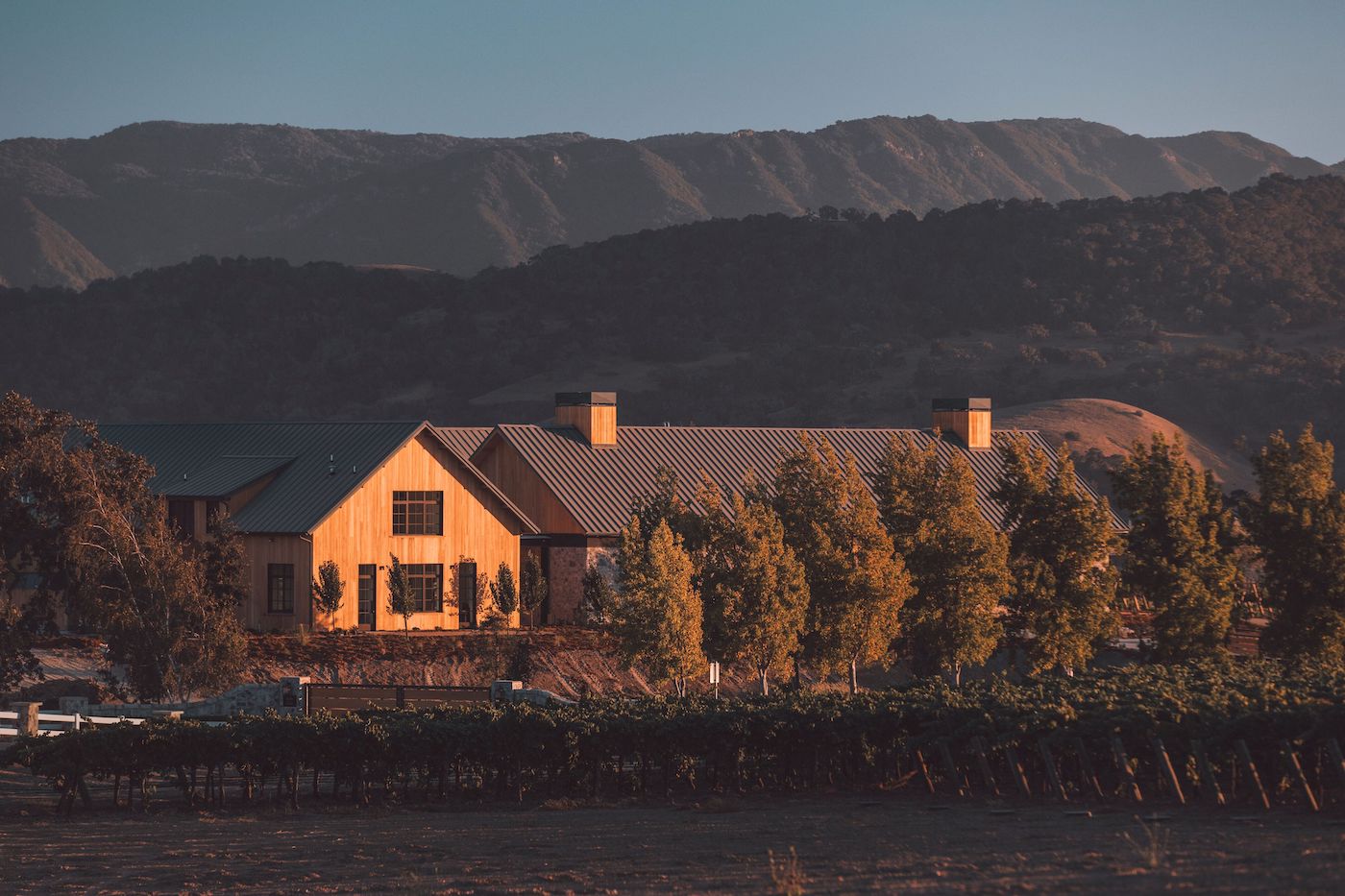
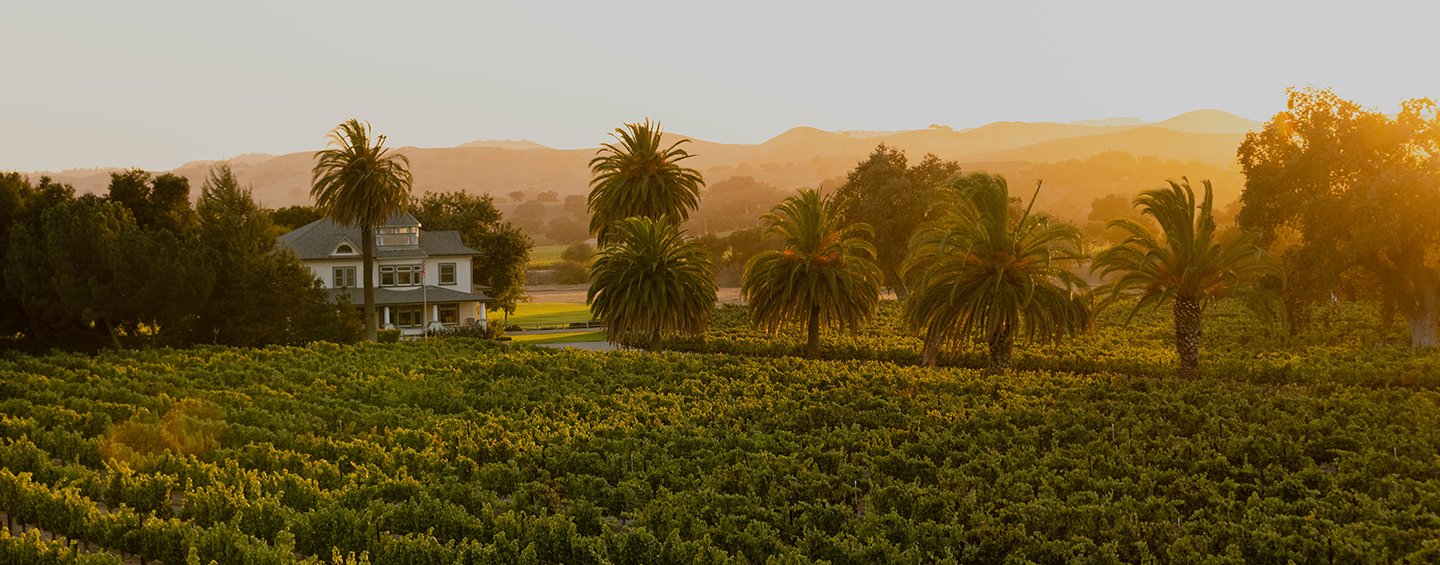
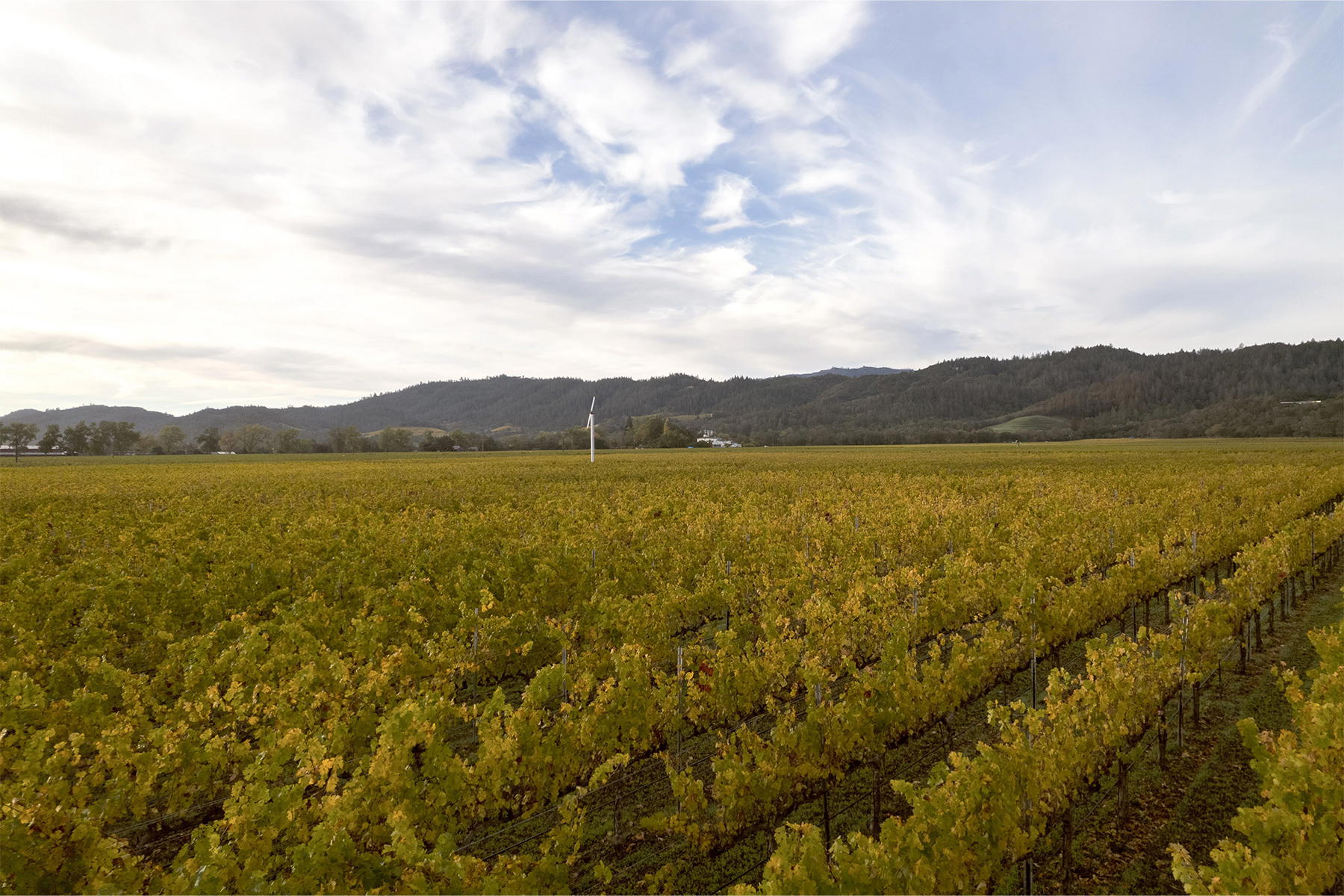
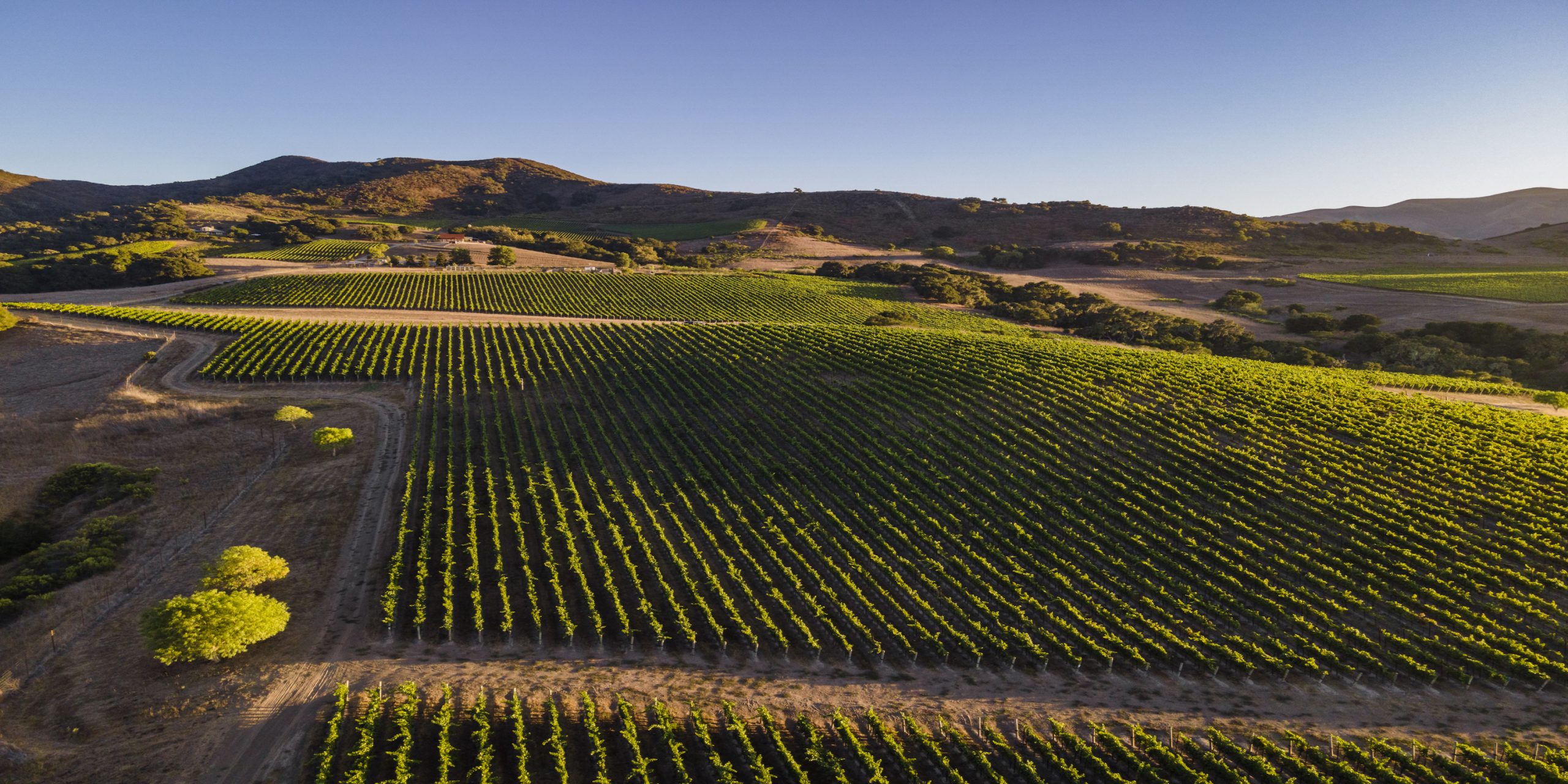
Gainey Vineyard reads as an emblematic Central Coast estate: long-established, quietly authoritative and visually rooted in the valley’s agricultural landscape. The property carries institutional weight—its first vintage in 1978 and a recent Pearl 3 Star Prestige rating speak to longevity and critical seriousness—while the low, late-afternoon light and open ranchland keep the experience calm and pastoral. Visitors encounter a refined, historic winery that still feels tied to place; the combination of scenic views, measured prestige and a relaxed rural setting gives Gainey a sophisticated, iconic and serene character.
Best For
Gainey is best for visitors who come to the Santa Ynez Valley to understand its history and terroir—serious wine lovers, tasting itineraries and anyone following the Highway 246 corridor. The estate functions well as a stop on a scenic drive and as a destination for people seeking an emblematic Central Coast tasting that pairs vineyard context with established winemaking pedigree. Its institutional history and critical recognition make it suitable for wine-focused outings and educational visits where context and provenance matter as much as what’s in the glass.
Tasting Tips
When you visit, ask about the estate’s history and how its vineyards inform the wines—those topics are foregrounded in the property’s profile and critical reputation. Mention the Pearl 3 Star Prestige rating (2025) to staff if you want context on current bottlings. Time your visit for late afternoon if you want the warm, flattened light described along Highway 246 and unobstructed views of the Santa Ynez Mountains and surrounding vineyard blocks. Focus on terroir-driven pours and any wines the tasting host highlights as representative of the estate’s long-standing style.
Venue details
Ambiance
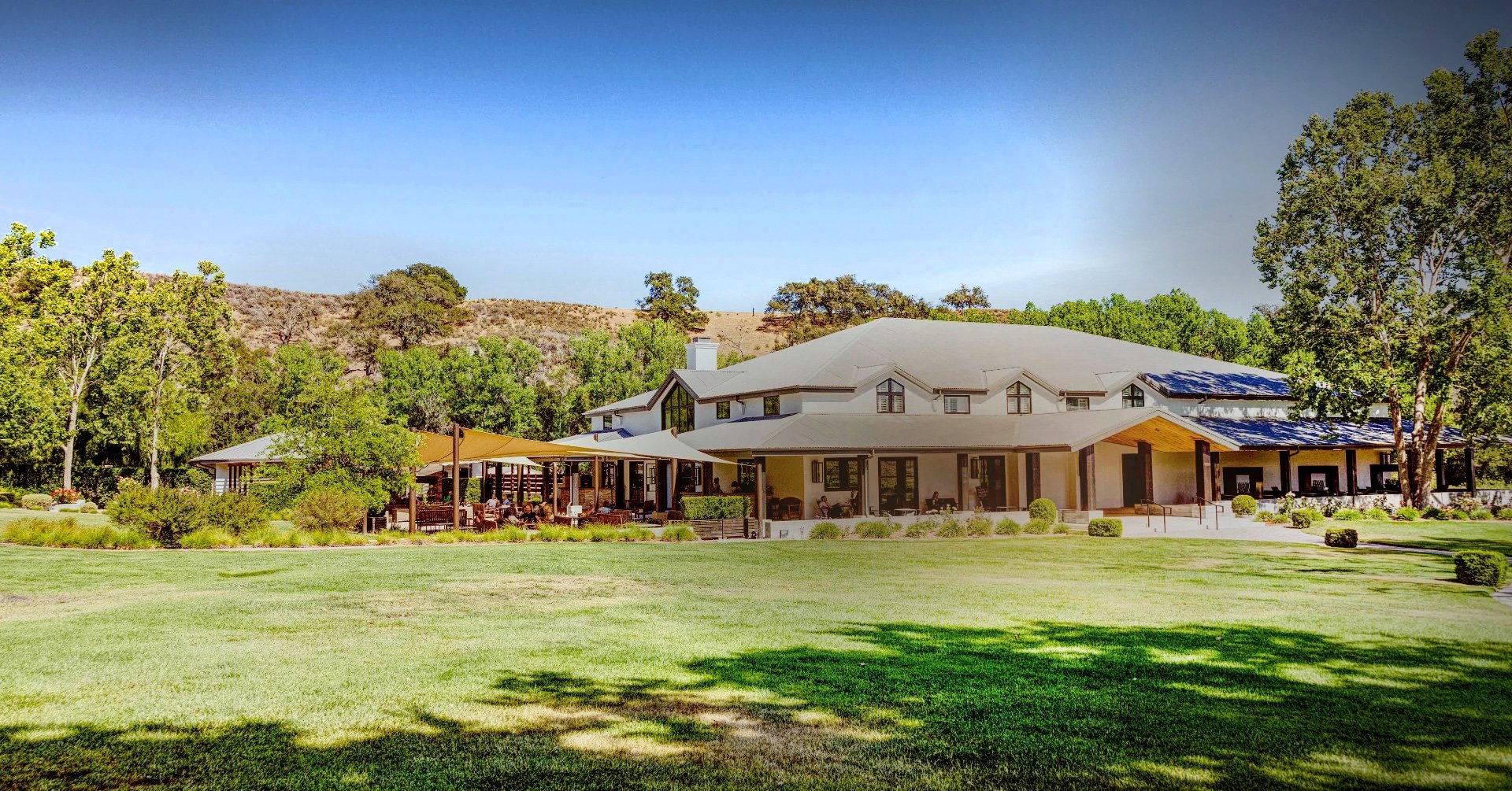
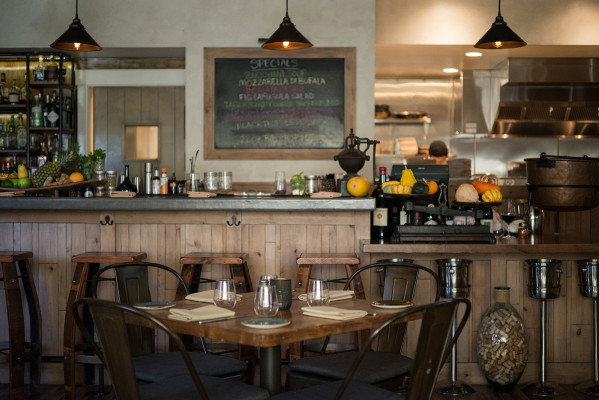
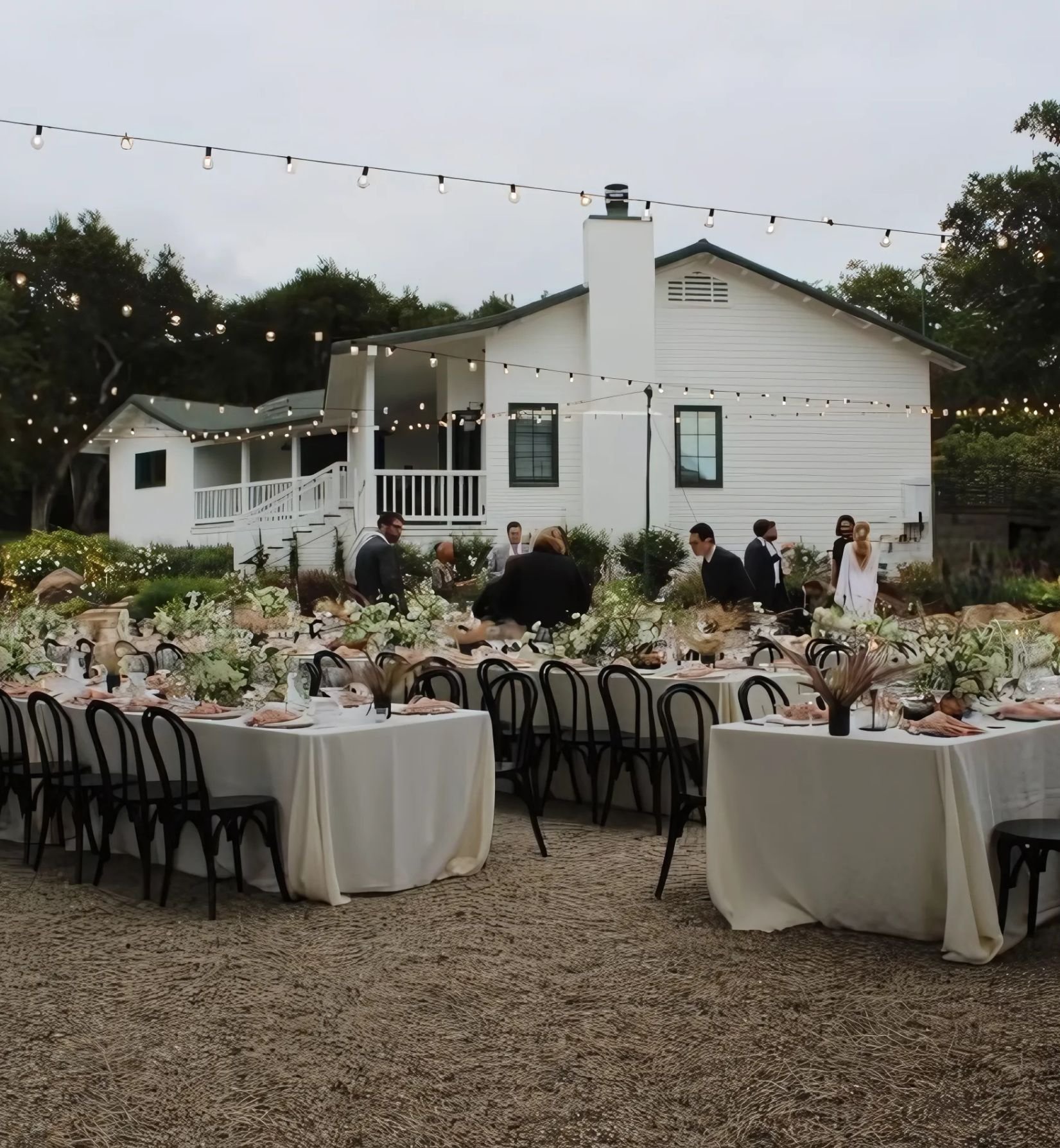
Warm and welcoming with Spanish-style tasting room featuring saltillo-tile floors, elkhorn chandeliers, and fireplaces; outdoor patio surrounded by vineyards and oak trees with natural lighting and café lights for evening events.
Tags
Vibe
Best For
Experience
Sourcing
View
At the Vineyard
- Appellation
- Santa Ynez Valley, Sta. Rita Hills
- Varietals
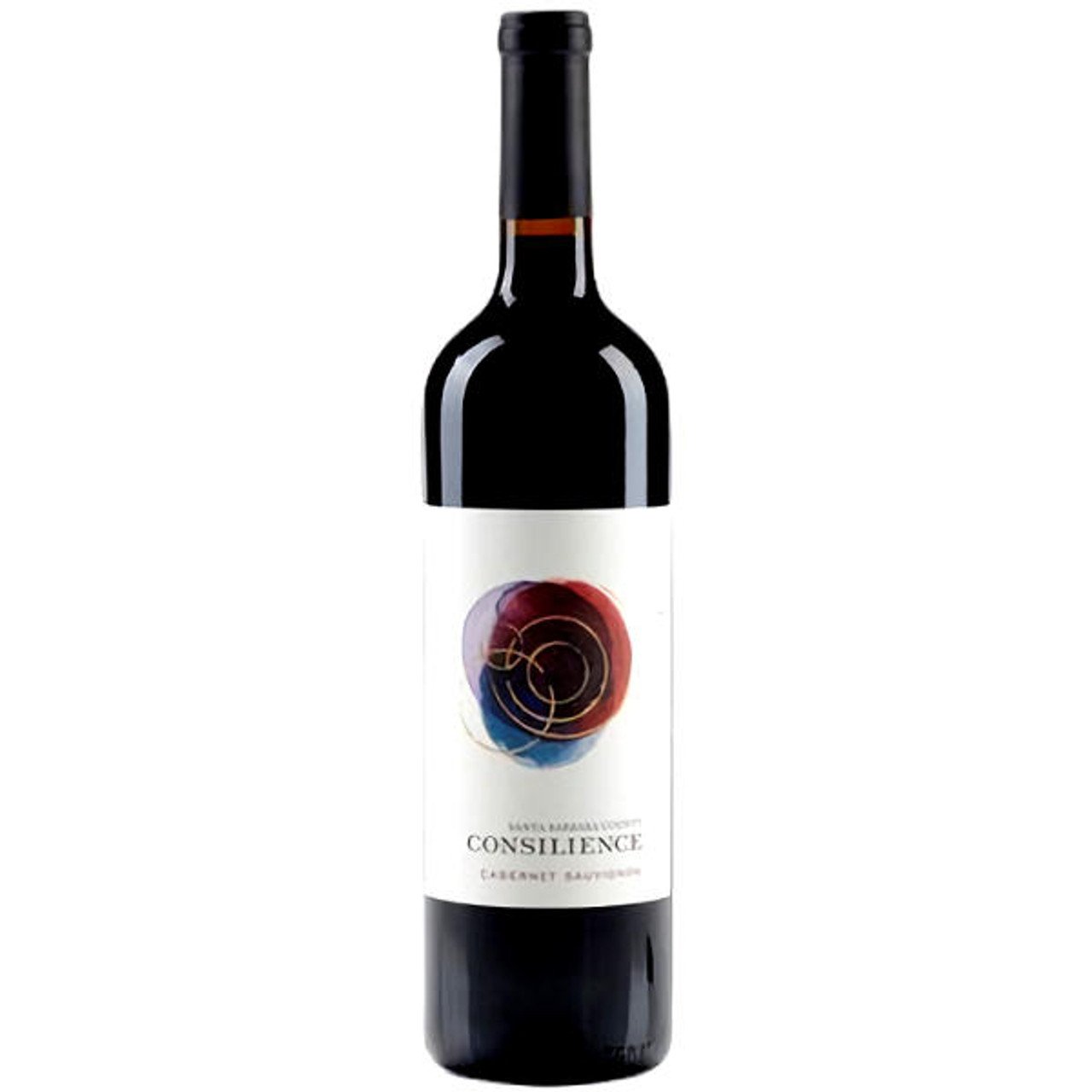
- Pinot Noir, Chardonnay, Syrah, Cabernet Sauvignon, Merlot
- Tour Duration
- 1-2 hours
- Tour Languages
- English
- Visits
- Walk-ins welcome
- Farming
- Sustainable
- Wine Styles
- Still Red, Still White
- Food Pairing
- Offered
- Shipping
- Available
- Wine Club
- Available
Know before you go
Know Before You Go
- Getting there
- 3950 CA-246, Santa Ynez, CA 93460
Planning details
Location
Recognition and awards
Also consider
Also Consider
- G.H. Mumm, Notable alternative
- Artiste Winery and Tasting Studio, Notable alternative
- Brave and Maiden Estate, Notable alternative
- Sunstone Winery, Notable alternative
- Rideau Vineyard, Notable alternative
Winery context
How it compares in Santa Ynez
Brave and Maiden Estate is the better comparison for visitors who want a more design-forward estate experience, while Gainey Vineyard is the safer choice for a classic Santa Ynez stop with longer continuity. For a special occasion, choose Brave and Maiden if the setting is the deciding factor; choose Gainey if producer history and a less trend-led feel matter more.
Sunstone Winery is the stronger pick for guests who want a more visually driven, destination-style visit. Gainey is better for a tasting itinerary that needs structure without turning into a photo-first outing. Artiste Winery and Tasting Studio is the cross-shop for a more creative tasting-room mood rather than an estate-led visit.
Rideau Vineyard and G.H. Mumm make more sense for readers prioritizing a different atmosphere or a label-led comparison. If the goal is a balanced Santa Ynez celebration stop, Gainey belongs high on the list; if the goal is maximum ambiance or a more unconventional format, cross-shop Sunstone or Artiste first.
Explore Santa Ynez
Around this place
Discover more on Pearl
Unlock the full Gainey Vineyard guide in Pearl, including awards, comparisons, FAQs, planning details, and nearby places.
Compare Gainey Vineyard
| Venue | Location | Awards |
|---|---|---|
| Gainey Vineyard | Santa Ynez | 2025 Pearl 3 Star Prestige |
| G.H. Mumm | Santa Ynez | 2025 Pearl 3 Star Prestige |
| Artiste Winery and Tasting Studio | Los Olivos | 2025 Pearl 3 Star Prestige |
| Brave and Maiden Estate | Santa Ynez | 2025 Pearl 3 Star Prestige |
| Sunstone Winery | Santa Ynez | 2025 Pearl 2 Star Prestige |
| Rideau Vineyard | Solvang | No published awards |
How Gainey Vineyard Santa Ynez compares with similar nearby venues.
FAQ
Frequently Asked Questions
Do I need a reservation at Gainey Vineyard?
What other venues should I compare with Gainey Vineyard?
For comparison, consider Sunstone Winery, Rideau Vineyard, Brave and Maiden Estate, Artiste Winery and Tasting Studio, and G.H. Mumm. Confirm each venue's location, hours, and current visit format directly before making plans.
When is the best time to visit Gainey Vineyard?
Does Gainey Vineyard have membership options?
If membership is available, evaluate it based on the current terms from Gainey Vineyard and how often you expect to use the benefits.
Does Gainey Vineyard serve food?
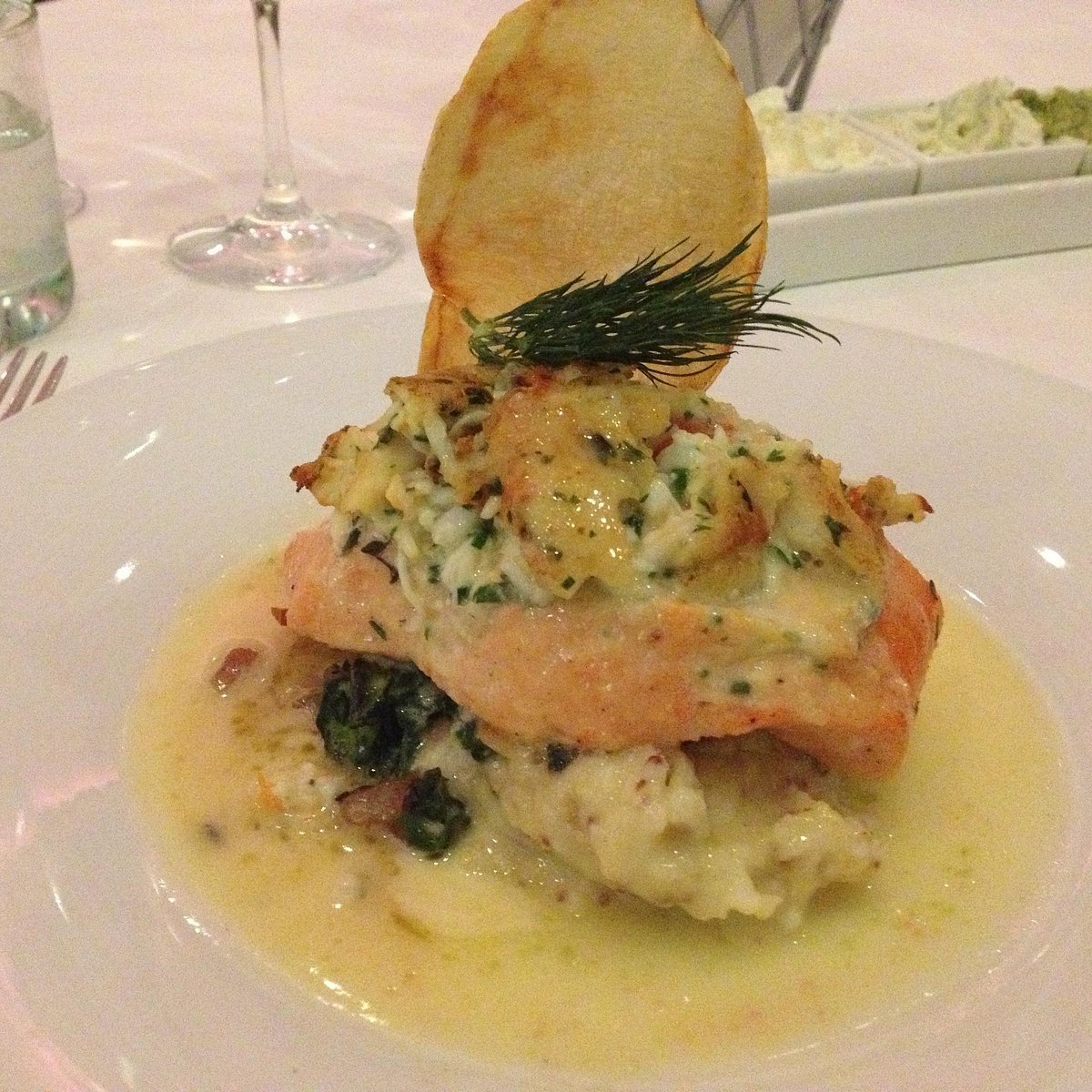
Treat Gainey Vineyard as a Santa Ynez stop unless the venue directly confirms current dining or pairing options.
Does Gainey Vineyard offer shipping?
Can Gainey Vineyard handle large groups?
Contact Gainey Vineyard directly for group capacity and private-visit details before planning a large group visit.