

Cinzano
Santa Vittoria d'Alba
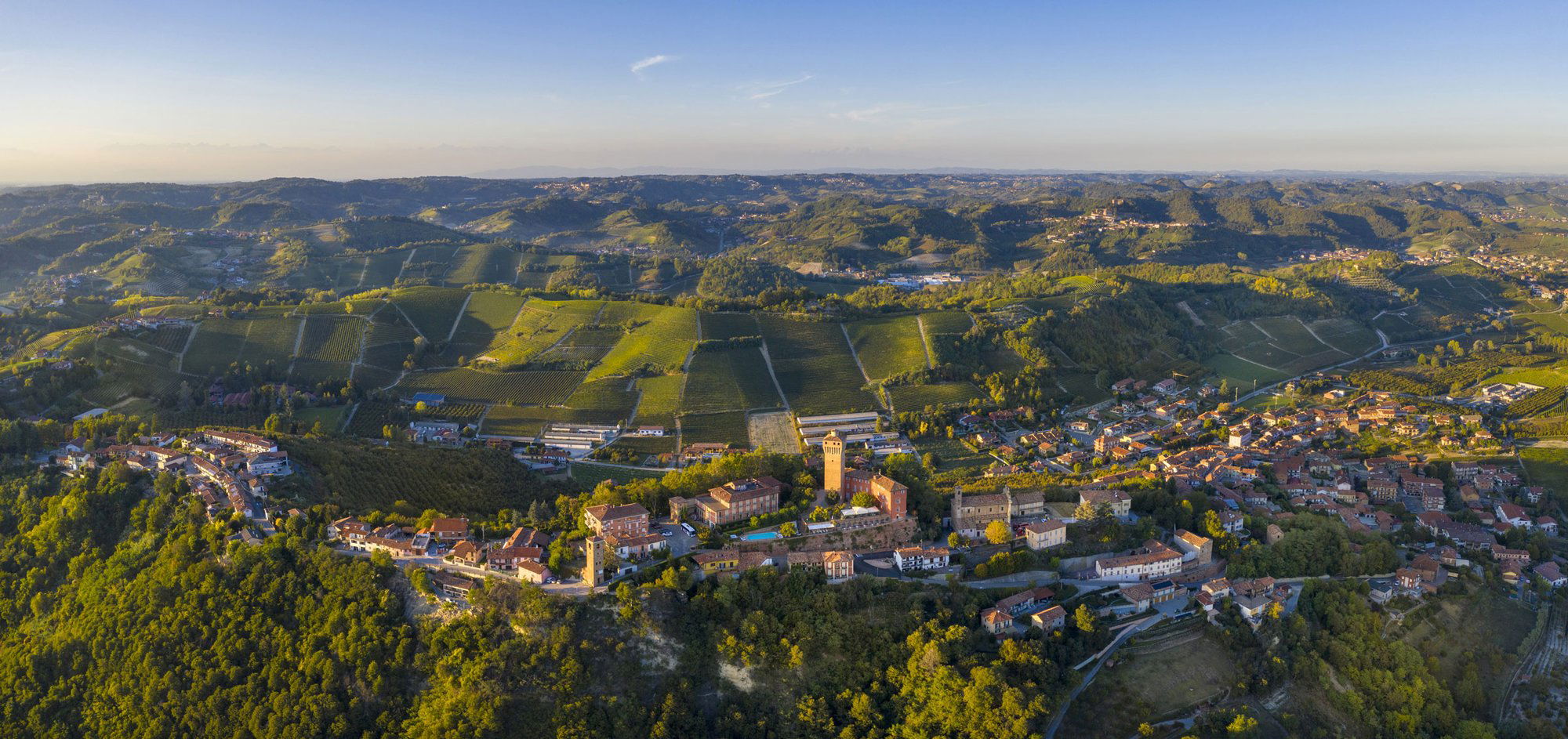
Winery in Santa Vittoria d'Alba, Italy
 Book with Pearl
The Read
Piedmont Vermouth Legacy
Why go
Cinzano is a sensible Santa Vittoria d'Alba pick if the brief is a polished drinks stop with heritage-brand appeal rather than a technical grower tasting. Treat it as part of a wider Langhe itinerary, especially for celebrations or client travel where ease and name recognition matter.
About Cinzano
Cinzano is in Santa Vittoria d'Alba and has confirmed Pearl 1 Star Prestige recognition for 2025. That is the central point, and it is worth treating it as a useful signal rather than a complete description. Beyond that confirmed recognition and location, the data does not establish specific details such as cuisine, visitor format, hours, pricing, booking policy, menu, bottles, tours, or services. In other words, the listing can help place Cinzano on a preliminary map of places to consider, but it should not be read as evidence of a particular experience, hospitality model, tasting structure, or product range.
Use this page as a cautious planning note rather than a detailed venue profile. The absence of operational detail matters because practical questions often shape whether a stop belongs in an itinerary: when a venue is open, whether advance booking is needed, what visitors can actually do there, and how the visit fits with nearby plans. If you are building a wider itinerary, compare Cinzano with other confirmed names such as Brovia, Ceretto, Distilleria Montanaro, Distilleria Sibona, and Oddero, while checking each venue's own current information before making plans. That comparison should be based on up-to-date direct sources, not assumptions drawn from the recognition alone.
Choose this when the confirmed recognition is enough to start your shortlist
The grounded reason to keep Cinzano on the list is its Pearl 1 Star Prestige recognition in Santa Vittoria d'Alba. For some planners, that may be enough to justify further research, especially when the goal is to identify recognized names before narrowing the route. Still, the recognition is only a starting point. The data does not include details here for the kind of visit, service style, product focus, pricing, hours, or booking requirements, so any final decision should be based on current official information from the venue. Treat Cinzano as a candidate to verify carefully, not as a fully documented recommendation ready to schedule without further checking.
Planning details
- Location
- 12069 Santa Vittoria d'Alba, Province of Cuneo, Italy
The take
The Take
The Vibe
Cinzano feels deliberately measured and terroir-focused. Perched on a ridge above the Tanaro valley in one of Piedmont’s most scrutinised wine districts, the venue foregrounds soil, slope and provenance rather than flash. The language of the place is geological and agricultural: calcareous Tortonian soils, disciplined vine rows and cooler air pooling in the folds of the hills. That emphasis creates a sophisticated, classic atmosphere that privileges depth and authenticity—visitors encounter a quiet seriousness about product and place rather than theatrical hospitality.
Best For
Cinzano is best for visitors seeking a concentrated wine-country experience, particularly daytime meals that linger. The guide highlights long, local-ingredient lunches and an institutional focus on provenance and cellar holdings, making the venue well suited to those who want to explore regional wines and terroir in a relaxed, unhurried setting. It is a natural stop for people interested in learning about Langhe soils and producers or for diners who plan to spend time pairing bottles with seasonal, place-driven courses.
Tasting Tips
Focus on the cellar and the region when ordering: the description notes cellars stocked with producers whose identities are tied to the hills, so prioritise wines that emphasise local provenance. Allow time for a long lunch—Piedmont’s dining rhythm here is unhurried—and ask staff about soil, subzones and producer stories to deepen the tasting. Keep requests broad rather than prescriptive (for example, ask for recommendations that showcase the ridge’s calcareous soils) so you can be guided toward bottles that reflect the hilltop address and its terroir.
Venue details
Ambiance
Historic production-site atmosphere tied to a centuries-old Italian vermouth and sparkling-wine brand, with a modern industrial facility feel.
Tags
Vibe
Best For
Experience
At the Vineyard
- Varietals
- sparkling, fortified, red
- Visits
- By reservation
- Production
- Large producer
- Wine Styles
- Sparkling, Fortified
- Founded
- 1757
- Wine Club
- Not available
Know before you go
Know Before You Go
- Getting there
- 12069 Santa Vittoria d'Alba, Province of Cuneo, Italy
Planning details
Location
12069 Santa Vittoria d'Alba, Province of Cuneo, Italy · Directions
Also consider
Where to Go If This Is Not the Right Fit
If the brief is Piedmont wine rather than brand-led drinks context, cross-shop Oddero or Ceretto. If the group is more interested in spirits, Distilleria Sibona is the more direct alternative.
Winery context
How It Compares
Choose Cinzano when the priority is a brand-led drinks stop in Santa Vittoria d'Alba. Oddero, Ceretto, and Brovia are stronger cross-shops for readers focused on Piedmont wine context rather than a broader aperitivo or spirits-adjacent experience.
For spirits-leaning itineraries, compare it with Distilleria Sibona and Distilleria Montanaro. Those are better fits if the decision is specifically about distillery character; Cinzano makes more sense when the occasion benefits from wider name recognition and a less niche framing.
Value depends on what the group wants from the stop. For a celebration with mixed drinkers, Cinzano is the safer choice. For wine-focused guests, Oddero, Ceretto, or Brovia will usually feel more targeted. For a spirits-first day, Sibona or Montanaro should sit higher on the list.
Explore Santa Vittoria d'Alba
Around this place
Discover more on Pearl
Unlock the full Cinzano guide in Pearl, including awards, comparisons, FAQs, planning details, and nearby places.
Compare Cinzano
| Venue | Location | Awards |
|---|---|---|
| Cinzano | Santa Vittoria d'Alba | No published awards |
| Oddero | La Morra | 2026 Falstaff Winery Guide |
| Distilleria Sibona | Piobesi d'Alba | No published awards |
| Distilleria Montanaro | Alba | No published awards |
| Ceretto | Alba | 2026 Falstaff Winery Guide2025 World's 50 Best Vineyards · #192024 World's 50 Best Vineyards · #202023 World's 50 Best Vineyards · #292020 World's 50 Best Vineyards · #21 |
| Brovia | Castiglione Falletto | 2026 Falstaff Winery Guide |


How Cinzano Santa Vittoria d'Alba compares with similar nearby venues.
FAQ
Frequently Asked Questions
Is there a club or membership at Cinzano?
The data does not include any club, membership, or similar program for Cinzano. For broader comparison, you may also look at Oddero and Ceretto. Check each venue's official channels for the latest details.