
Winery in Santa Maria, United States
Costa de Oro Winery
500ptsCool-Climate Precision
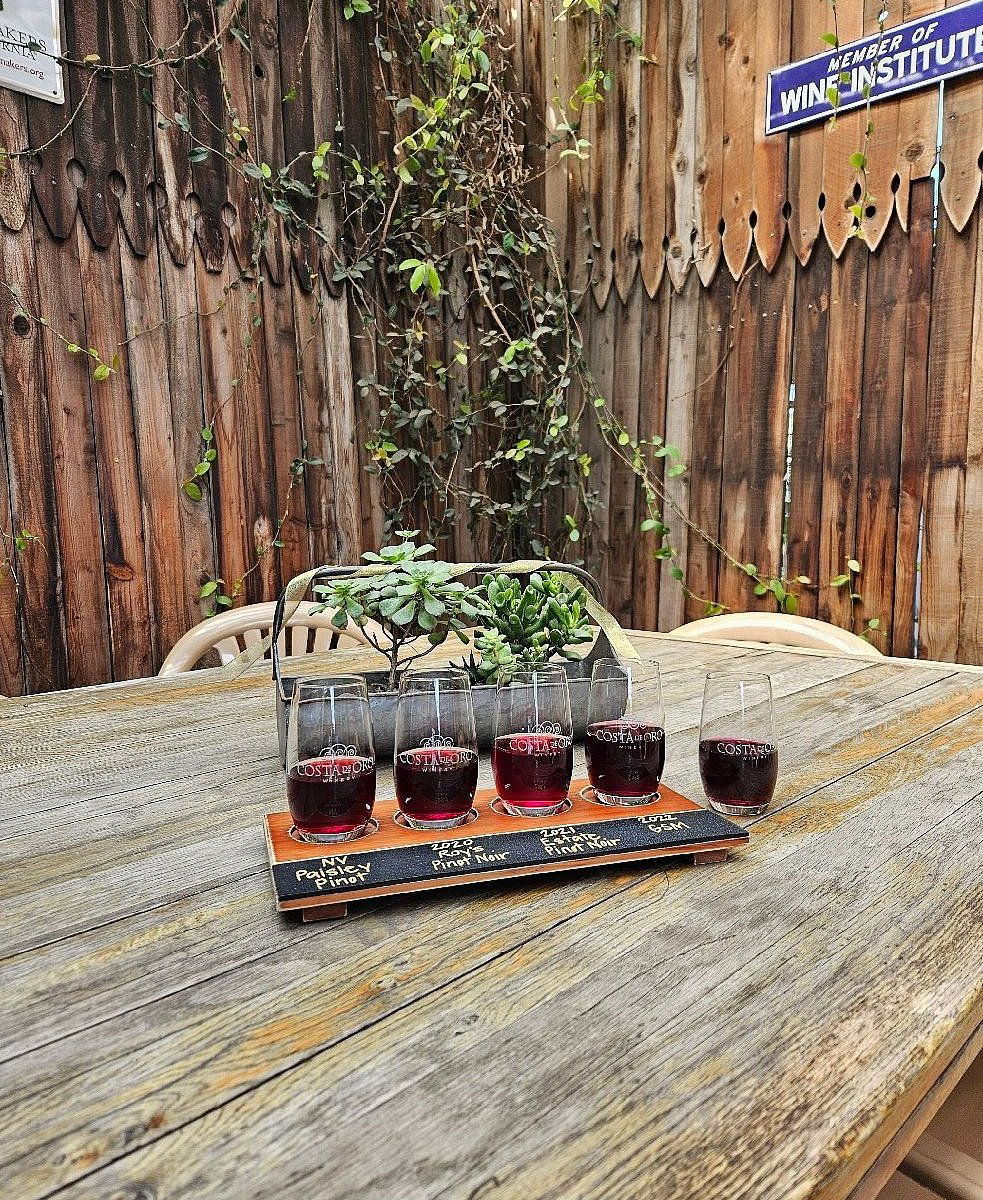
About Costa de Oro Winery
Costa de Oro Winery holds a Pearl 2 Star Prestige rating from EP Club (2025), placing it among Santa Maria Valley's recognized producers. Located on Nicholson Avenue in Santa Maria, the winery operates within one of California's most consequential cool-climate appellations, where marine influence from the Pacific shapes grape maturation across a long, measured growing season.
Santa Maria Valley and the Case for Cool-Climate Precision
The Santa Barbara County wine corridor runs roughly east to west rather than the north-south orientation typical of California appellations, a geographical accident that funnels Pacific fog and wind directly into the inland valleys. Santa Maria sits at the northernmost end of that corridor, and the effect on viticulture is pronounced: growing seasons stretch longer here than in warmer California regions, acids stay higher, and ripening arrives more gradually. That slower accumulation of sugar and phenolics is exactly what distinguishes Santa Maria Valley fruit from warmer Central Coast neighbors, and it is the foundation on which the area's serious producers build their reputations. Costa de Oro Winery, located at 1331 Nicholson Avenue, operates within this appellation context and earned a Pearl 2 Star Prestige rating from EP Club in 2025, a recognition that places it in a tier requiring demonstrated, consistent quality rather than occasional excellence.
Santa Maria's wine identity has historically been anchored to Pinot Noir and Chardonnay, grape varieties that perform poorly in heat and demand exactly the kind of cool, fog-moderated growing conditions the valley provides. Producers here are measured against a peer set that includes some of California's most referenced cool-climate addresses. Bien Nacido Estate functions as both a benchmark vineyard source and a reference point for the appellation's ceiling. Presqu'ile Winery has drawn significant attention for estate-grown Pinot and Chardonnay. Cambria Estate Winery represents a larger-scale interpretation of the same terroir, while Foxen Vineyard and Winery and Rancho Sisquoc Winery bring decades of appellation history that shape how the region is perceived by serious collectors. Costa de Oro operates within this constellation, and EP Club's 2025 assessment positions it as a producer worth tracking within that competitive set.
What the Tasting Room Visit Communicates
Wineries on California's Central Coast divide into two broad categories: those that have invested in destination hospitality infrastructure, and those where the tasting room functions as a direct, unhurried window into the production program. Santa Maria, compared to the more heavily trafficked tasting corridors of Napa or Paso Robles, tends toward the latter. The pace is deliberate. The conversation, when it happens, stays close to the wines rather than drifting into merchandise or event programming. That format suits producers whose point of difference lives in the glass rather than in the staging around it.
At an address on Nicholson Avenue, Costa de Oro sits within a part of Santa Maria where the agricultural character of the valley is still visible, a setting that signals working winery priorities over tourism-first presentation. Visitors approaching this tier of Santa Maria producer should calibrate expectations accordingly: the experience is likely to reward attention to what is poured rather than elaborate theatrical ritual. For the reader accustomed to Accendo Cellars in St. Helena or Alpha Omega Winery in Rutherford, where Napa hospitality infrastructure shapes the entire visit, a Santa Maria tasting room represents a different register, closer to the working end of the production spectrum.
The cool-climate emphasis that defines this appellation tends to produce wines with a structural quality that shows differently in the glass than warmer-region California wines. Acidity carries through, tannins (where present in Pinot) resolve with a finer grain, and the mid-palate weight tends to be more restrained. These are wines that reward attention rather than quick impression, which means a tasting format that allows the pours to open over time tends to surface more of what is actually there. Producers who understand this, and who give visitors the space and time to arrive at the wines rather than simply cycling through them, tend to receive stronger word-of-mouth within serious wine circles.
Positioning Within the Broader California Scene
California's premium wine geography has become more granular in the past decade. Collectors who once organized their interest around broad appellations now track specific valleys, vineyard blocks, and winemaking approaches with the same attention previously reserved for Burgundy. Santa Maria Valley has benefited from that shift, with producers here increasingly recognized not as peripheral players in a Napa-dominated story, but as the primary source for a specific style of California wine that Napa's warmer floors cannot replicate.
The comparison set for a Pearl 2 Star Prestige-rated Santa Maria producer extends across California's coast. Adelaida Vineyards in Paso Robles represents one interpretation of Central Coast terroir, working in a warmer, limestone-rich environment south of Santa Maria. Andrew Murray Vineyards in Los Olivos works the Santa Ynez corridor with Rhône varieties, a different emphasis entirely. Further north, Adelsheim Vineyard in Newberg provides a Pacific Northwest reference point for how cool-climate Pinot Noir development compares across the American West Coast. Each of these producers operates under distinct appellation conditions, and placing Costa de Oro against them illustrates how specific the Santa Maria Valley style actually is.
For collectors building a broader understanding of American cool-climate wine, the Santa Maria appellation offers a necessary reference point. Internationally, the conversation extends even further: Alexander Valley Vineyards in Geyserville shows the warmer California Cabernet-anchored tradition, while producers like Alban Vineyards in Arroyo Grande demonstrate how Rhône varieties translate to California's warmer pockets. The contrast with established Old World houses, whether in Burgundy or further afield at addresses like Aberlour in Aberlour or Achaia Clauss in Patras, underscores that Santa Maria Valley's case for cool-climate precision rests on genuine appellation character rather than proximity to a famous address.
Planning a Visit
Santa Maria is accessible from Los Angeles in roughly two and a half hours by road, making it viable as a day trip for Southern California visitors, though the appellation rewards an overnight stay that allows time across multiple producers. The town itself is not a hospitality destination in the way that Napa or Healdsburg are; the wine, not the surrounding infrastructure, provides the primary draw. Visitors planning to cover Costa de Oro alongside peers such as Foxen, Presqu'ile, or Cambria should allow a full day to move between addresses without rushing pours. The cooler months from late spring through early autumn tend to align leading with harvest activity in the valley, though Santa Maria's climate is moderate enough that the tasting room experience remains consistent across seasons. For a fuller picture of what Santa Maria's food and wine corridor offers, our full Santa Maria restaurants guide covers the broader scene.
Frequently Asked Questions
- What's the atmosphere like at Costa de Oro Winery?
- Costa de Oro operates in Santa Maria's working-winery register rather than the destination-hospitality tier. The address on Nicholson Avenue sits within the agricultural fabric of the valley, and the tasting experience is oriented toward the wines rather than event programming. EP Club's Pearl 2 Star Prestige rating (2025) reflects a producer operating at a recognized quality level within one of California's most consequential cool-climate appellations.
- What's the signature bottle at Costa de Oro Winery?
- Specific current releases are not listed in the available EP Club database record. Santa Maria Valley's appellation identity centers on Pinot Noir and Chardonnay, the grape varieties that cool Pacific airflow from the west makes particularly suited to this corridor. Any producer operating at Pearl 2 Star Prestige level in this appellation is likely to draw from that cool-climate tradition, but verifying the current lineup directly with the winery is advisable before visiting.
- What's Costa de Oro Winery leading at?
- EP Club's 2025 Pearl 2 Star Prestige award places Costa de Oro within the recognized upper tier of Santa Maria Valley producers, a peer set that includes established appellation names working with cool-climate varieties. The winery's address in Santa Maria positions it within the northernmost and most marine-influenced part of the Santa Barbara County wine corridor, the area of California most consistently associated with restrained, acid-forward Pinot Noir and Chardonnay production.
Related editorial
- Best Fine Dining Restaurants in ParisFrom three-Michelin-star icons to the next generation of Parisian chefs pushing boundaries, these are the restaurants that define fine dining in the world's culinary capital.
- Best Luxury Hotels in RomeFrom rooftop terraces overlooking ancient ruins to Michelin-starred hotel dining, these are the luxury hotels that make Rome unforgettable.
- Best Cocktail Bars in KyotoFrom sleek lounges to hidden speakeasies, Kyoto's cocktail scene blends Japanese precision with global influence in ways you won't find anywhere else.
Save or rate Costa de Oro Winery on Pearl
Keep this venue in your Pearl passport, rate it after you visit, and track it alongside every other place you collect.