    Winery in Santa Cruz, United States

    Viña Apaltagua

    250pts

    Pacific-Margin Terroir Precision

    Viña Apaltagua, Winery in Santa Cruz

    About Viña Apaltagua

    Viña Apaltagua earned a Pearl 1 Star Prestige in 2025, placing it among a selective group of California wineries recognised for terroir-driven production. Based in Santa Cruz, the winery operates within a coastal wine culture that prizes climate precision over volume. For visitors planning a tasting itinerary in the region, Apaltagua carries credentials worth investigating before the list fills.

    Where Coastal Climate Meets the Glass

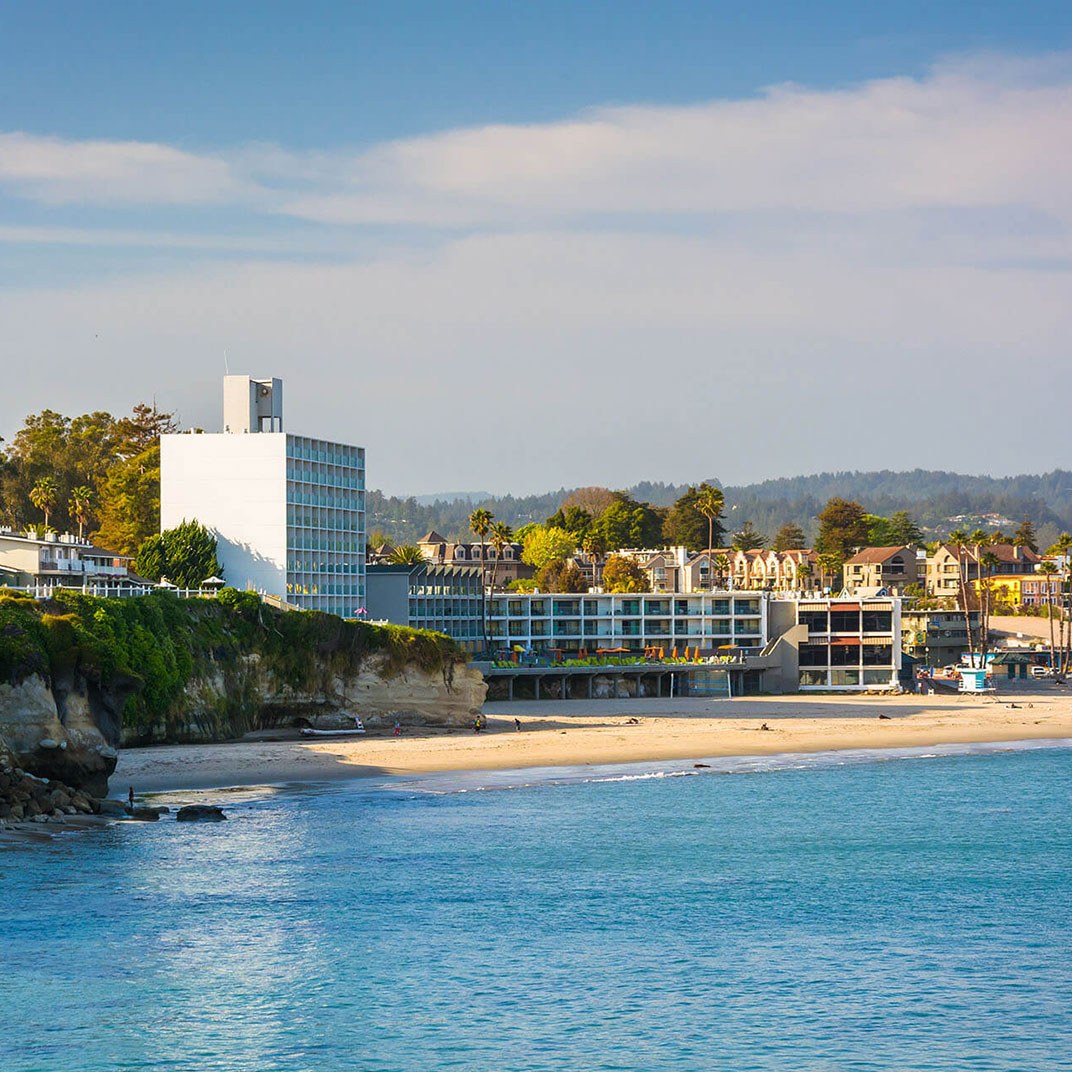
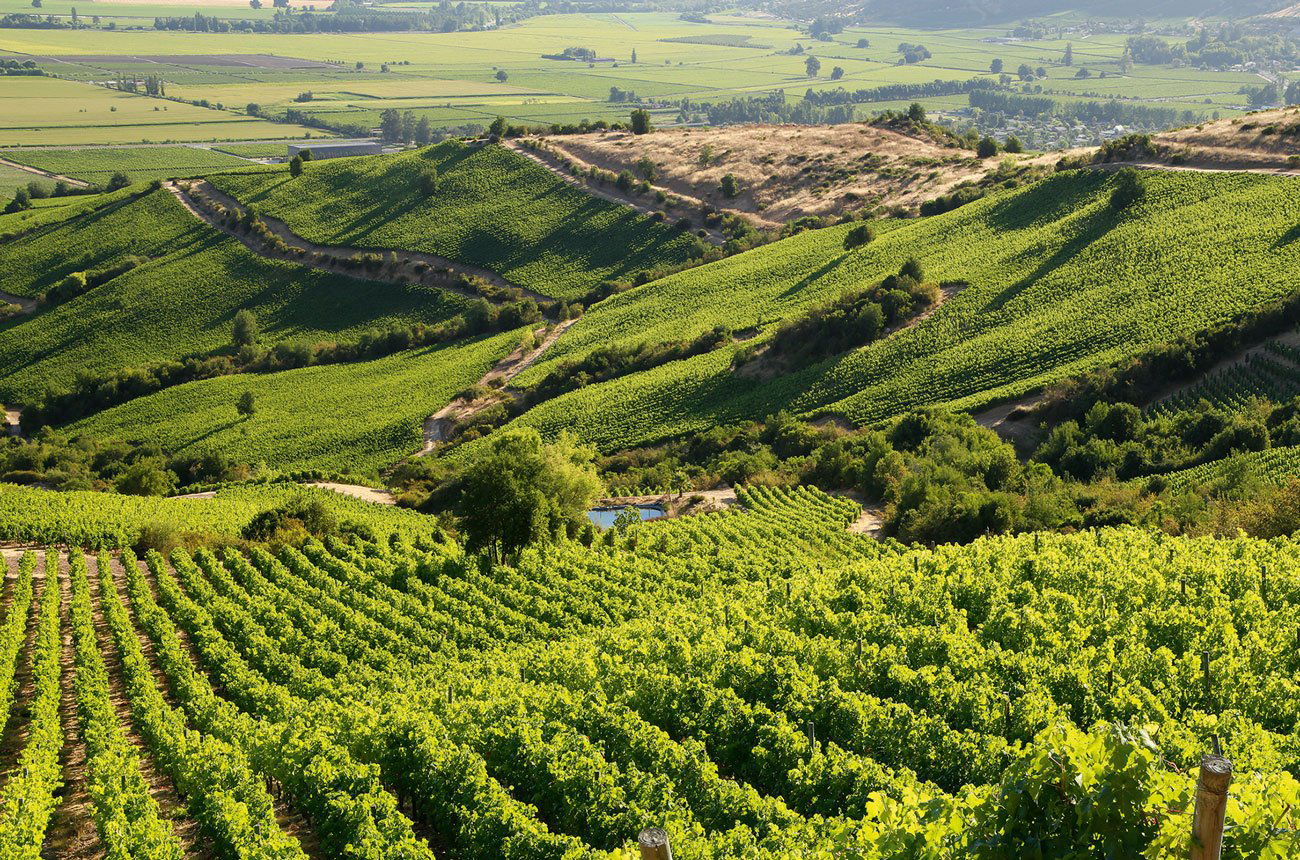
    Santa Cruz sits at the edge of where California's wine geography gets genuinely interesting. The Pacific pushes cold air inland through the mountains each afternoon, dropping temperatures in ways that compress ripening windows and concentrate acid retention in ways that warmer valleys to the east rarely achieve. Wineries operating here are not working with the same raw material as a Napa floor producer or a Paso Robles heat-seeker. The diurnal swings, the fog patterns, the granite-laced hillside soils: these are the variables that make Santa Cruz a different argument about what California wine can be. Viña Apaltagua operates inside that argument, and its 2025 Pearl 1 Star Prestige award signals that independent assessment has taken notice.

    The Pearl Prestige rating system evaluates producers on a combination of terroir expression, consistency, and the degree to which a winery's output reflects the specificity of its place rather than a generic house style. A 1 Star Prestige designation in 2025 puts Viña Apaltagua in a tier that separates it from the region's large commercial operations without placing it in the rarefied allocation-only category occupied by a handful of California cult producers. It is a recognition tier that tends to correlate with intentional, place-focused winemaking rather than volume ambition.

    The Santa Cruz Winery Tier: Where Apaltagua Sits

    To understand what Apaltagua's recognition means, it helps to map the Santa Cruz wine scene by the kind of producer that succeeds here. The region has historically attracted winemakers willing to trade volume for precision. The soils shift dramatically across short distances — from limestone-influenced ridge sites to clay-heavy valley floors — and producers who pay close attention to those distinctions tend to produce wines with a specificity that separates them from California's more homogeneous commercial tier.

    Comparison producers at the premium end of Santa Cruz and the broader California coastal category include operations like Viña Viu Manent, Clos Apalta (Casa Lapostolle), and Viña Montes, each of which operates within a framework where terroir clarity is the primary editorial point. Apaltagua's 2025 award places it in a peer conversation with producers of that orientation, where the critical question is not how large the output is but how faithfully the wine expresses the specific patch of ground it came from.

    Further afield, the California producers that draw the most sustained critical attention for terroir-driven work include Accendo Cellars in St. Helena, Alpha Omega Winery in Rutherford, and Artesa Vineyards and Winery in Napa. On the Central Coast, the conversation around site-specific expression runs through producers like Adelaida Vineyards in Paso Robles, Alban Vineyards in Arroyo Grande, Andrew Murray Vineyards in Los Olivos, and Au Bon Climat in Santa Barbara. Understanding how Apaltagua positions against these peers requires tasting through the range, which makes a visit or allocation inquiry the practical starting point.

    Reading Terroir Through the Award

    Pearl Prestige awards in the 2025 cycle were not distributed widely. The 1 Star tier specifically reflects a producer whose wines demonstrate consistent connection between site conditions and what appears in the bottle. In Santa Cruz terms, that means the cold-climate acid structure that defines the region's leading work, the tension between fruit weight and freshness that makes coastal California wines age more interestingly than their inland counterparts, and the kind of vineyard-to-bottle coherence that critics use to separate genuine terroir expression from well-managed house style.

    The broader precedent here is instructive. Regions like Oregon's Willamette Valley, where producers such as Adelsheim Vineyard in Newberg built reputations on climate-driven restraint, demonstrate what happens when winemakers commit to letting site conditions lead rather than correcting toward a market-friendly flavour profile. Alexander Valley Vineyards in Geyserville represents a different California argument, one based on warmer site conditions and varietal breadth. Apaltagua's Santa Cruz positioning is closer to the former category: a cool-climate operation where the climate imposes discipline on the fruit and the winemaker's role is to get out of the way.

    Planning a Visit

    Santa Cruz wine country does not operate like Napa, where tasting rooms line a central corridor and walk-ins are routine. The producers most worth visiting here tend to require advance contact, and the 2025 Pearl recognition for Apaltagua means interest has increased. Visitors building a Santa Cruz itinerary should plan tasting stops several weeks ahead, particularly for weekend dates in the spring and fall harvest windows when the roads into the mountains are busy and producer time is limited. For a broader picture of what the region offers across categories, the full Santa Cruz restaurants and venue guide maps the food and drink scene beyond the winery circuit.

    Parallel tasting itineraries that extend the coastal California comparison might reasonably include international reference points. Aberlour in Aberlour and Achaia Clauss in Patras represent entirely different production traditions, useful as palate calibration for understanding how climate and soil express themselves differently across hemispheres. The comparison sharpens what makes California coastal wines specific.

    What the Recognition Points Toward

    A single Pearl 1 Star Prestige designation in a producer's record does several things simultaneously. It confirms that external critical assessment has found consistency across at least one evaluation cycle. It positions the winery above the general commercial tier without placing it in an allocation-scarcity category that makes access difficult for new visitors. And it signals that the winery is operating with enough intentionality around terroir to attract the attention of a credentialing body that evaluates those specific qualities.

    For a visitor weighing how to allocate tasting time across Santa Cruz's crowded wine calendar, that combination of accessibility and recognition is a meaningful filter. The region has enough producers that curation is necessary, and award signals are one of the more reliable ways to identify which cellars are worth the drive up into the hills.

    Frequently Asked Questions

    What is Viña Apaltagua known for?
    Viña Apaltagua is recognised within the Santa Cruz wine scene as a producer with a 2025 Pearl 1 Star Prestige designation, which places it in a tier associated with consistent terroir-driven production. The winery operates in a coastal California context where cold-climate conditions and site specificity are the defining quality markers. The award suggests the wines express regional character rather than a neutral commercial profile.
    What do visitors recommend trying at Viña Apaltagua?
    Without confirmed tasting room programming in the current database, the most reliable starting point is contacting the winery directly to understand which wines from the 2025 Pearl-awarded range are available for tasting. The Santa Cruz wine region as a whole is known for cool-climate acid-driven styles, and producers at the 1 Star Prestige level tend to offer wines that reflect those regional characteristics most clearly. For the broader Santa Cruz context, the Santa Cruz venue guide provides additional planning resources.
    How far ahead should I plan for Viña Apaltagua?
    Santa Cruz wine country generally rewards advance planning, particularly for producers who have received recent critical recognition. A 2025 Pearl 1 Star Prestige award tends to increase visitor interest, and weekends in the spring and autumn seasons fill quickly. Reaching out several weeks before your intended visit is advisable; the winery's current contact details and booking process are leading confirmed through direct inquiry given that website and phone information is not currently listed in public directories.
    How does Viña Apaltagua's Pearl 1 Star Prestige award compare to other regional wine credentials?
    The Pearl Prestige system evaluates producers specifically on terroir expression and consistency, making a 1 Star designation a meaningful signal for visitors who prioritise place-driven wines over brand-name recognition. Within California's coastal wine tier, this kind of recognition places Apaltagua in a peer set that includes producers evaluated by similar criteria across Napa, Paso Robles, and the Santa Barbara corridor. It is a different credential from Michelin or Wine Spectator scoring, but one that aligns with the priorities of a region like Santa Cruz, where the most serious producers measure success by how precisely their wines reflect their specific patch of ground.
    Keep this place

    Save or rate Viña Apaltagua on Pearl

    Keep this venue in your Pearl passport, rate it after you visit, and track it alongside every other place you collect.