

Winery in Sant Sadurní d'Anoia, Spain
Recaredo
500Pearl PointsSerious Cava Stop
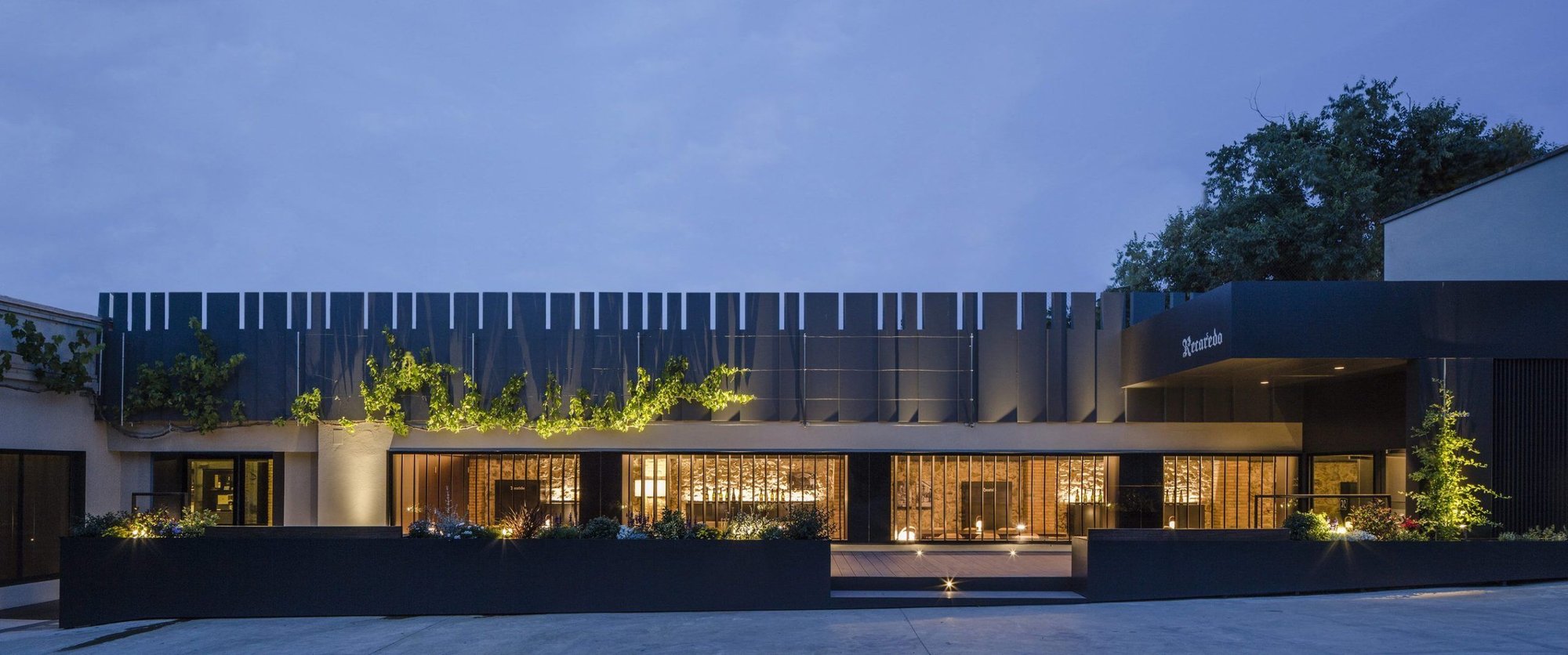
About Recaredo
Recaredo is worth prioritising for a serious sparkling-wine stop in Sant Sadurní d'Anoia, especially for a date, anniversary, or small hosting moment where the wine itself is the point. Cross-shop Gramona and Raventós i Blanc for similarly focused producer visits; choose Freixenet or Codorníu if group logistics and easier access matter more.
For Recaredo in Sant Sadurní d'Anoia, the verified guide data is intentionally limited. The confirmed essentials are its location in Sant Sadurní d'Anoia, a smart-casual dress code, Pearl 2 Star Prestige recognition for 2025. Treat any more specific planning detail, menus, visit formats, capacity, pricing, hours, or food service as something to confirm directly before building an itinerary around it.
The practical read is simple: Recaredo is best approached as a premium stop that requires current confirmation rather than assumptions. It can be considered alongside Codorníu, Freixenet, Gramona, Juvé & Camps, Raventós i Blanc, but the available verified data here does not establish differences in format, scale, service, or visitor experience between them.
Choose it for a confirmed premium listing, not for unverified specifics
Recaredo carries Pearl 2 Star Prestige (2025), which is the clearest confirmed quality signal in this entry. Beyond that, the listing does not verify details such as food service, group capacity, reservations, visit structure, beverage programs, or price. If those details matter, check directly with the venue before committing.
Because the verified information does not establish lunch, dinner, tasting formats, or group arrangements, do not treat Recaredo as a default meal venue or a guaranteed fit for a large party. Build plans around the confirmed facts first: Sant Sadurní d'Anoia, smart-casual dress, Pearl 2 Star Prestige (2025).
How to cross-shop comparison names
If you are comparing Recaredo with other names, keep the comparison high-level unless you have current information from the venues themselves. Codorníu, Freixenet, Gramona, Juvé & Camps, Raventós i Blanc are the relevant names to consider alongside Recaredo, but this guide does not verify specific differences in access, pricing, capacity, service style, or on-site offerings.
For a clean decision, shortlist the venues that fit your date, timing, group needs after confirming details directly. Recaredo stands out in this entry because its confirmed profile includes Sant Sadurní d'Anoia, smart-casual dress, Pearl 2 Star Prestige (2025); everything more operational should be checked with the venue before you go.
Frequently Asked Questions
Does Recaredo serve food?
Food service is not verified in the available guide data. Treat Recaredo as a venue to confirm directly rather than assuming it can serve as a meal booking.
What other venues should I compare with Recaredo?
Codorníu, Freixenet, Gramona, Juvé & Camps, Raventós i Blanc are the relevant comparison names. This guide does not verify specific differences in format, pricing, capacity, or services between them.
Can Recaredo handle large groups?
Group capacity is not verified in the available guide data. If you are planning for a larger party, confirm directly with Recaredo before making it the anchor of the outing.
What should I wear to Recaredo?
The verified dress code is smart casual. That is the clearest practical preparation detail in the current guide data.
Are purchase, shipping, or delivery options verified for Recaredo?
No. Purchase, shipping, delivery details are not verified in the available guide data. Check directly with Recaredo before planning around those services.
When is the best time to visit Recaredo?
Best timing is not verified in the available guide data. Confirm current availability, hours, any booking requirements directly with the venue before you go.
Location
Carrer de Tamarit, 10, 08770 Sant Sadurní d'Anoia, Barcelona
Sant Sadurní d'Anoia, Spain
Compare Recaredo
| Venue | Location | Awards |
|---|---|---|
| Recaredo | Sant Sadurní d'Anoia | Pearl 2 Star Prestige (2025) |
| Gramona | Sant Sadurní d'Anoia | , |
| Juvé & Camps | Sant Sadurní d'Anoia | , |
| Freixenet | Sant Sadurní d'Anoia | , |
| Raventós i Blanc | Sant Sadurní d'Anoia | , |
| Codorníu | Sant Sadurní d'Anoia | , |
How Recaredo Sant Sadurní d'Anoia compares with similar nearby venues.
If Recaredo does not line up
Try Gramona or Raventós i Blanc first if the goal is another serious sparkling-wine producer near Sant Sadurní d'Anoia. For larger groups or a simpler visitor plan, move to Freixenet or Codorníu.
How Recaredo compares in Sant Sadurní d'Anoia
Recaredo is the pick for a more focused sparkling-wine visit, while Gramona and Raventós i Blanc are the closest alternatives for readers who want another serious producer rather than a large visitor-oriented house. If the occasion is a date or small celebration, this smaller-feeling lane is the better match than a high-throughput tour.
Juvé & Camps is the safer middle ground if the group wants a familiar Sant Sadurní name without leaning fully into the bigger-house experience. Freixenet and Codorníu are better backups when ease, scale, visitor infrastructure matter more than producer intimacy.
For value, the smarter move is not to chase every major name in one day. Anchor the itinerary with Recaredo if access lines up, then add Gramona or Raventós i Blanc for a more wine-led comparison, or Freixenet or Codorníu if the party includes casual drinkers who want a simpler visit.
Explore Sant Sadurní d'Anoia
Save or rate Recaredo on Pearl
Keep this venue in your Pearl passport, rate it after you visit, and track it alongside every other place you collect.