

Tosba
San Cristóbal Lachirioag
Winery in San Cristóbal Lachirioag, Mexico
 Book with Pearl
The Read
High-Altitude Zapotec Distillation
Why go
Tosba is worth prioritizing if the setting is part of the reason for going: San Cristóbal Lachirioag makes this a deliberate Oaxaca detour, not an easy corridor stop. It suits small groups and special-occasion planning better than casual drop-ins, especially when compared with more accessible peers around Matatlán.
About Tosba
Should you visit Tosba in San Cristóbal Lachirioag? Consider it if you are specifically interested in this venue and are comfortable confirming practical details before you go.
Do not assume a particular tasting format, beverage program, booking process, or length of visit.
Planning a visit
Tosba is located in San Cristóbal Lachirioag. Build your expectations around its recognition and location, then check practical visitor details directly before arranging your trip.
If you are comparing options for a broader trip, El Rey de Matatlán, Real Matlatl, Mezcal Benevá, Los Amantes Distillery, and Ilegal (Palenque Mal de Amor) are relevant names to consider separately. Tosba is the fit when San Cristóbal Lachirioag itself is part of the plan and you have confirmed the practical details in advance.
Who should prioritize it
It is less suitable for travelers who need set hours, pricing, reservation requirements, or a published visitor format before deciding.
For trip planning around San Cristóbal Lachirioag, use broader local resources as support, including restaurants. The practical takeaway is simple: choose Tosba when its recognition and San Cristóbal Lachirioag location are enough to justify checking the latest details directly.
Planning details
- Location
- Domicilio Conocido, 68830 San Cristobal Lachrioag, Oax.
- Website
- mezcaltosba.com
- Phone
- +52 951 501 3543
The take
The Take
The Vibe
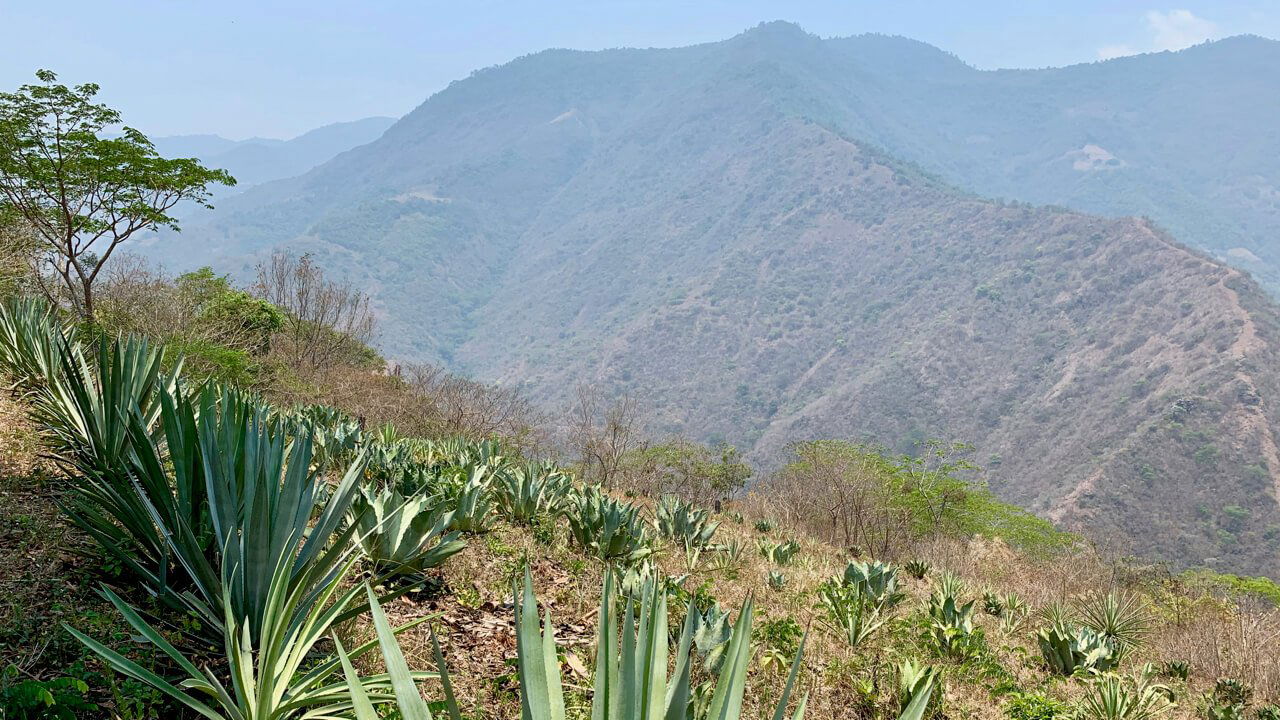
Tosba sits in the high Sierra Juárez, and the tone is quietly intense. The setting (pine and oak forests, ridge-top villages and mountain springs) frames a production philosophy that values time and place: slow fermentation at altitude, long-lived agave plants and Zapotec agricultural traditions. Visitors who reach Tosba encounter an austere, elemental atmosphere where elevation and microclimate are as present in the glass as smoke or fruit.
Best For
Tosba is best for people focused on spirits education, terroir-driven tasting and adventurous travelers willing to prioritize access over convenience. It appeals to researchers and enthusiasts who want to trace how altitude, water source and agave variety alter fermentation and flavor profiles. Because production here is framed around generational, Zapotec practices and cooler, slower ferments, the venue serves solo explorers and small groups looking for a deep, contextual experience rather than a mainstream mezcal route or nightlife stop.
Tasting Tips
When tasting at Tosba, frame questions around provenance: ask which agave species and which water sources were used, and how altitude and slower fermentation shaped the expression. Expect drier, more mineral-forward mezcal from highland fibrous agave and cooler ferments.
Venue details
Ambiance
rustic valley setting surrounded by subtropical forest with a focus on traditional craftsmanship and natural elements.
Tags
Vibe
Best For
Experience
Sourcing
View
At the Vineyard
- Appellation
- Sierra Norte de Oaxaca
- Varietals
- espadilla, tobalá, tepextate, warash, arroqueño
- Tour Duration
- 60-90 minutes
- Tour Languages
- Spanish
- Visits
- By appointment only
- Farming
- Sustainable
- Wine Club
- Not available
Know before you go
Know Before You Go
- Getting there
- Domicilio Conocido, 68830 San Cristobal Lachrioag, Oax.
Planning details
Location
Also consider
Where to look if Tosba is too hard to plan
Choose El Rey de Matatlán if the group needs an easier Oaxaca itinerary with less travel risk. Choose Los Amantes Distillery if the priority is a smoother distillery visit over a remote setting.
Winery context
How Tosba compares with Oaxaca peers
Tosba is the more setting-led choice: harder to plan around, but more compelling if the rural San Cristóbal Lachirioag location is part of the appeal. El Rey de Matatlán and Real Matlatl are better fits for travelers who want a more accessible Oaxaca tasting route with less travel friction.
For a polished distillery-style stop, Los Amantes Distillery and Ilegal (Palenque Mal de Amor) are the safer cross-shops. They make more sense if the group wants a smoother hospitality experience and fewer logistics. Tosba makes more sense when the priority is atmosphere, remoteness, and a visit that feels built around place.
If value means convenience, Mezcal Benevá is the easier recommendation. If value means a rarer-feeling stop for a serious Oaxaca spirits itinerary, Tosba is the stronger play, provided the group accepts the planning burden.
Explore San Cristóbal Lachirioag
Around this place
Discover more on Pearl
Unlock the full Tosba guide in Pearl, including awards, comparisons, FAQs, planning details, and nearby places.
Compare Tosba
| Venue | Location | Awards |
|---|---|---|
| Tosba | San Cristóbal Lachirioag | No published awards |
| El Rey de Matatlán | Tlacolula de Matamoros | No published awards |
| Real Matlatl | Santiago Matatlán | No published awards |
| Los Amantes Distillery | Tlacolula de Matamoros | No published awards |
| Ilegal (Palenque Mal de Amor) | Santiago Matatlán | No published awards |
| Mezcal Benevá | Macuilxóchitl de Artigas Carranza | No published awards |
How Tosba San Cristóbal Lachirioag compares with similar nearby venues.
FAQ
Frequently Asked Questions
What other venues should I compare with Tosba?
Relevant comparison names to consider separately are El Rey de Matatlán, Real Matlatl, Los Amantes Distillery, Ilegal (Palenque Mal de Amor), and Mezcal Benevá.
Do I need a reservation at Tosba?
Contact Tosba directly before visiting San Cristóbal Lachirioag to check whether reservations are required.