Château TrotteVieille
Saint-Emilion, Saint-Émilion
Winery in Saint-Émilion, France
 Book with Pearl
The Read
Limestone Plateau Classé
Why go
Château TrotteVieille is a serious Saint-Emilion choice for collectors and special-occasion wine trips, not the easy option for a casual tasting day. Prioritise it if rarity and prestige matter more than flexible visitor infrastructure, and compare it with Château Pavie Macquin, Château Troplong Mondot, and Château Clos Fourtet before locking the itinerary.
About Château TrotteVieille
Château TrotteVieille is a Saint-Emilion venue with a smart-casual dress code and Pearl 3 Star Prestige recognition for 2025. It is a prestige-marked name in Saint-Emilion, and visitors who have a reason to engage with the venue should dress in a polished but not overly formal way. For practical planning, check visit format, booking requirements, prices, services, hours, and specific on-site options directly with the venue, especially if you are arranging a tightly scheduled Saint-Emilion day.
For travellers deciding whether to include it, the most reliable reason to shortlist Château TrotteVieille is its recognition. The Pearl 3 Star Prestige status gives it a clear place in research for those comparing notable Saint-Emilion venues. Treat practical visit planning as something to check directly with the venue before building a day around it. In other words, it can be useful as a research anchor, but it should not be treated as a fixed stop until the basics of access, timing, and services have been checked.
Worth it for prestige-focused research, less useful for casual visit plans
The value case is simple: Château TrotteVieille carries Pearl 3 Star Prestige recognition in Saint-Emilion. If you are comparing notable Saint-Emilion names, it can sit naturally in the same research set as Château Pavie Macquin, Château Troplong Mondot, and Château Clos Fourtet. That comparison is most useful at the level of reputation and positioning, not as a promise of a particular visitor experience. For someone mapping the landscape of Saint-Emilion, the recognition helps explain why the venue may appear on a serious shortlist.
For casual plans, be more cautious. Saint-Emilion itineraries often depend on precise timing and on knowing whether a venue can actually be visited in the way a traveller expects. Before treating it as a fixed stop, confirm the practical details directly and leave room in the itinerary for other Saint-Emilion plans if needed. A flexible approach is the safest one: keep Château TrotteVieille in mind for its prestige signal, but avoid making it the hinge of the day without direct confirmation.
How to use it in a Saint-Emilion itinerary
Use Château TrotteVieille as a prestige-marked Saint-Emilion reference point, then fill in the rest of the trip with options from the broader Saint-Emilion wineries guide, Saint-Emilion restaurants, and Saint-Emilion hotels. This is the most practical way to include it without overstating the planning picture. It can help frame the quality level you are researching, while the rest of the itinerary can be built from venues and services where the visit details are clearer.
If dress matters for the day, smart casual is the right baseline. That gives a useful guide for planning clothing if Château TrotteVieille is part of your research or if you are making direct arrangements with the venue. For everything operational, including appointment availability, services, and timing, check the venue's official channels before committing. Château TrotteVieille is a prestige-recognised Saint-Emilion name, but the practical shape of a visit should be established directly rather than inferred.
Planning details
- Location
- Trotte-Vieille, 33330 Saint-Émilion
- Website
- borie-manoux.com
- Phone
- +33 5 57 24 71 34
The take
The Take
The Vibe
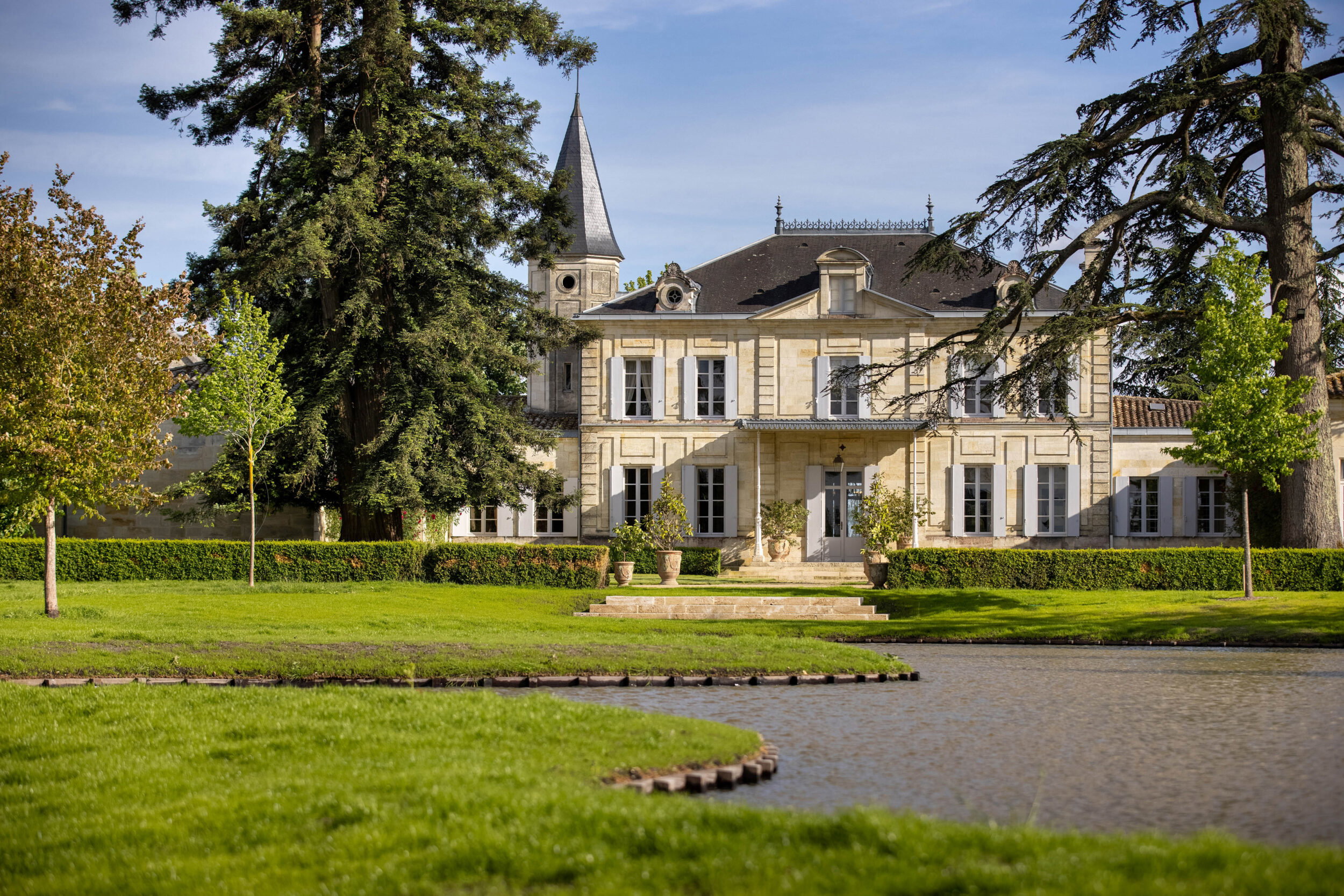
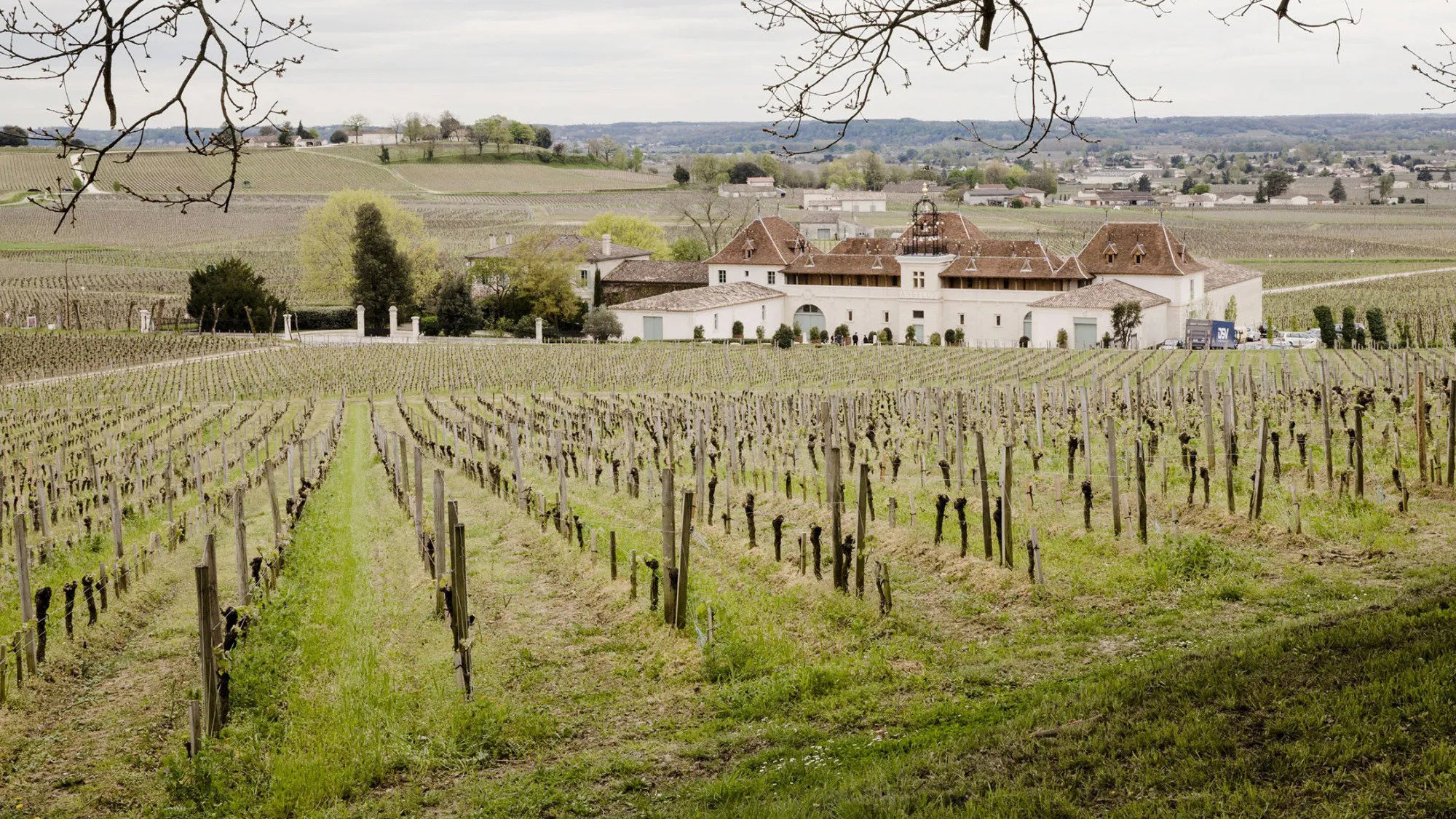
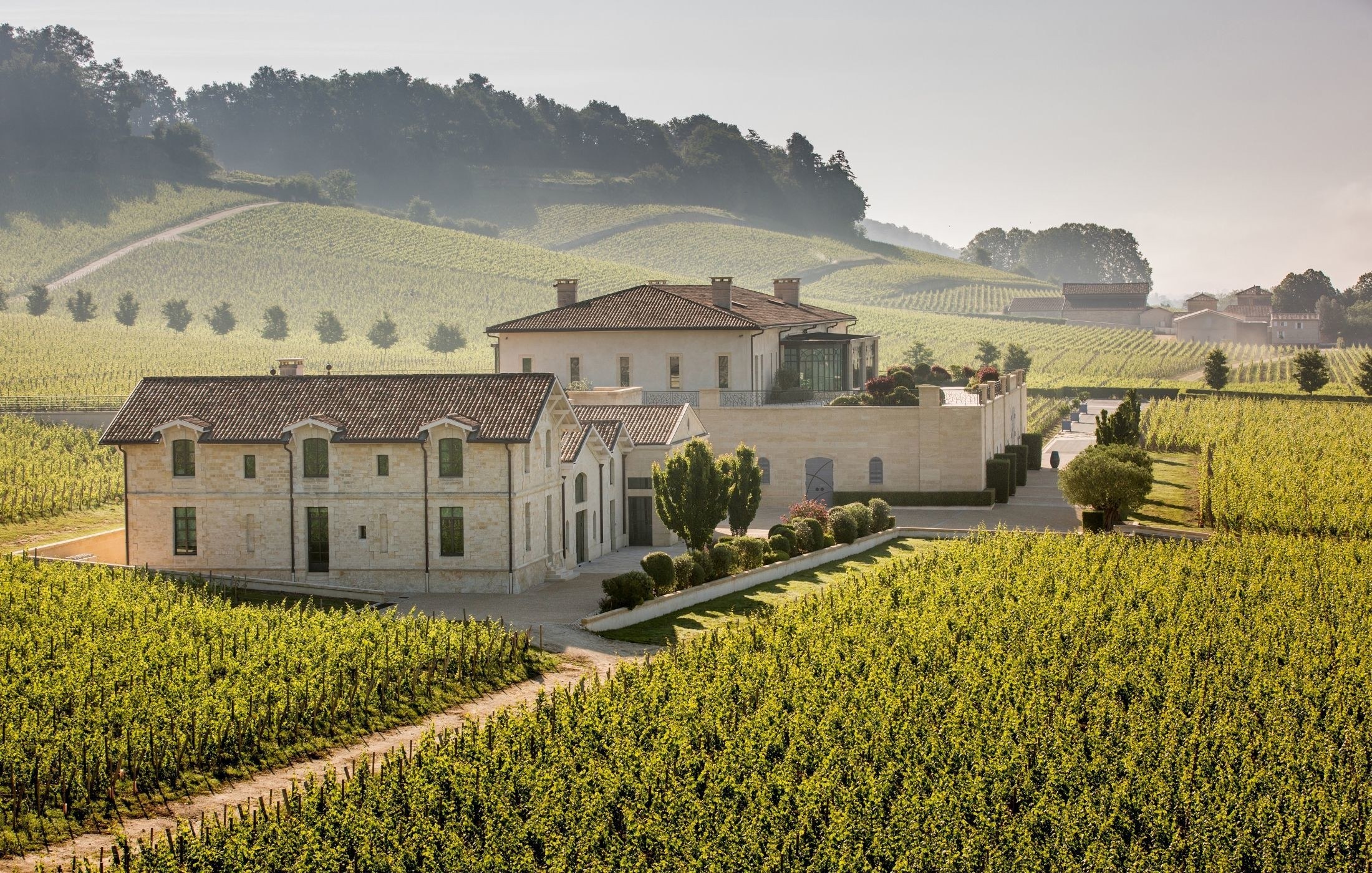
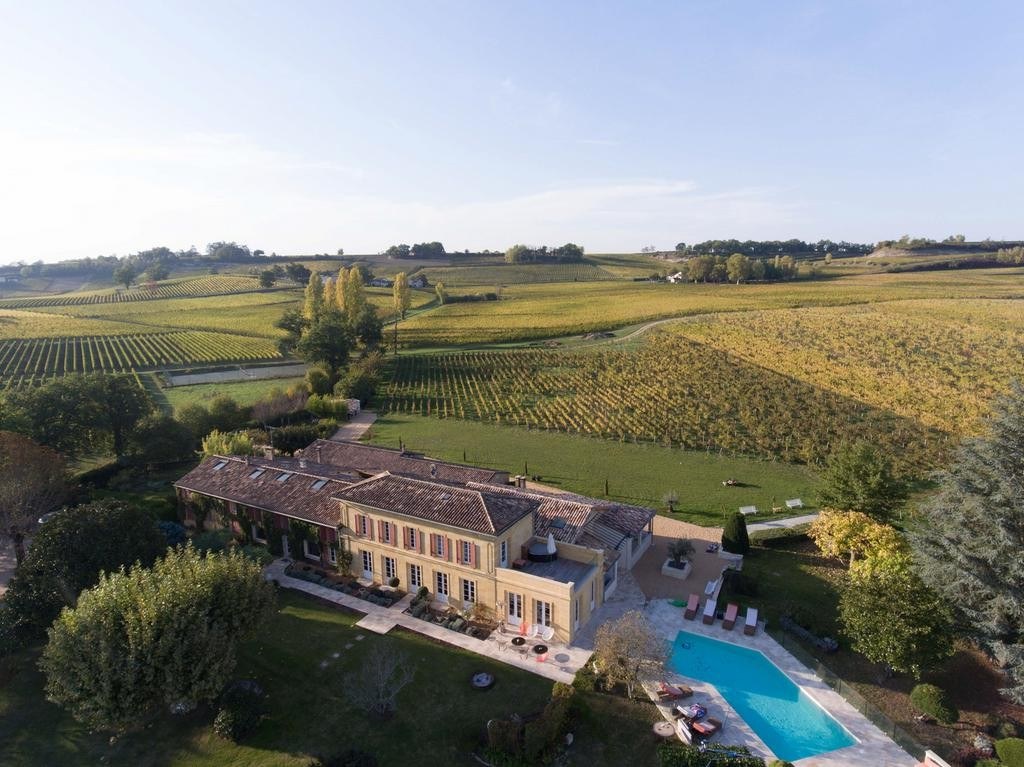
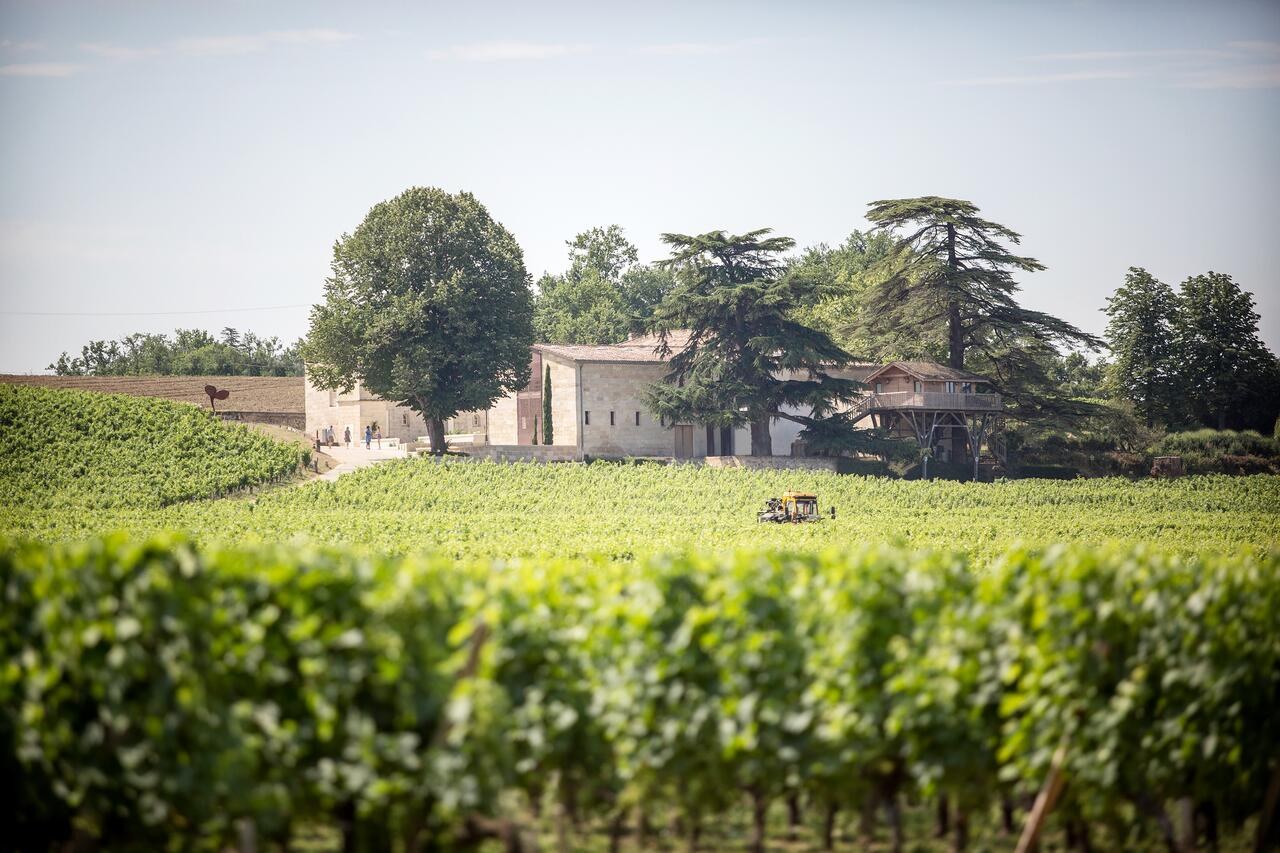
Château TrotteVieille projects a refined, terroir-first presence rooted in the limestone plateau above Saint-Émilion. The writing emphasizes geology over architecture: shallow topsoil on calcareous bedrock, vineyards that produce structured fruit, and an estate that reads as an argument for place rather than intervention. The result is an elegant, measured estate that appeals to collectors and serious tasters who prize persistence and precision. The tone is sophisticated and quietly confident — not ostentatious — and the setting on the plateau lends a scenic, contemplative quality to visits and tastings.
Best For
This estate is best suited to collectors, students of terroir and anyone approaching Bordeaux with a long-term mindset. The text repeatedly frames the wines as objects for en primeur assessment and later reappraisal, and it highlights placement within Saint-Émilion’s Premier Grand Cru Classé hierarchy. That makes TrotteVieille appropriate for wine-education-focused visits, careful buying decisions and milestone purchases for special occasions. Visitors who value geological expression, vintage comparisons and wines that reward cellar time will get the most from this property.
Tasting Tips
Treat Château TrotteVieille as a terroir-driven, age-worthy purchase: consider en primeur opportunities and plan to revisit bottles after a decade in bottle. The description stresses the plateau’s limestone and clay soils and notes that these wines tend to close down in youth and reward patience, so prioritize cellarability when comparing vintages. Pay attention to its standing within the Premier Grand Cru Classé grouping and to professional ratings (the text cites an EP Club rating) when weighing early offers versus later market availability.
Venue details
Ambiance
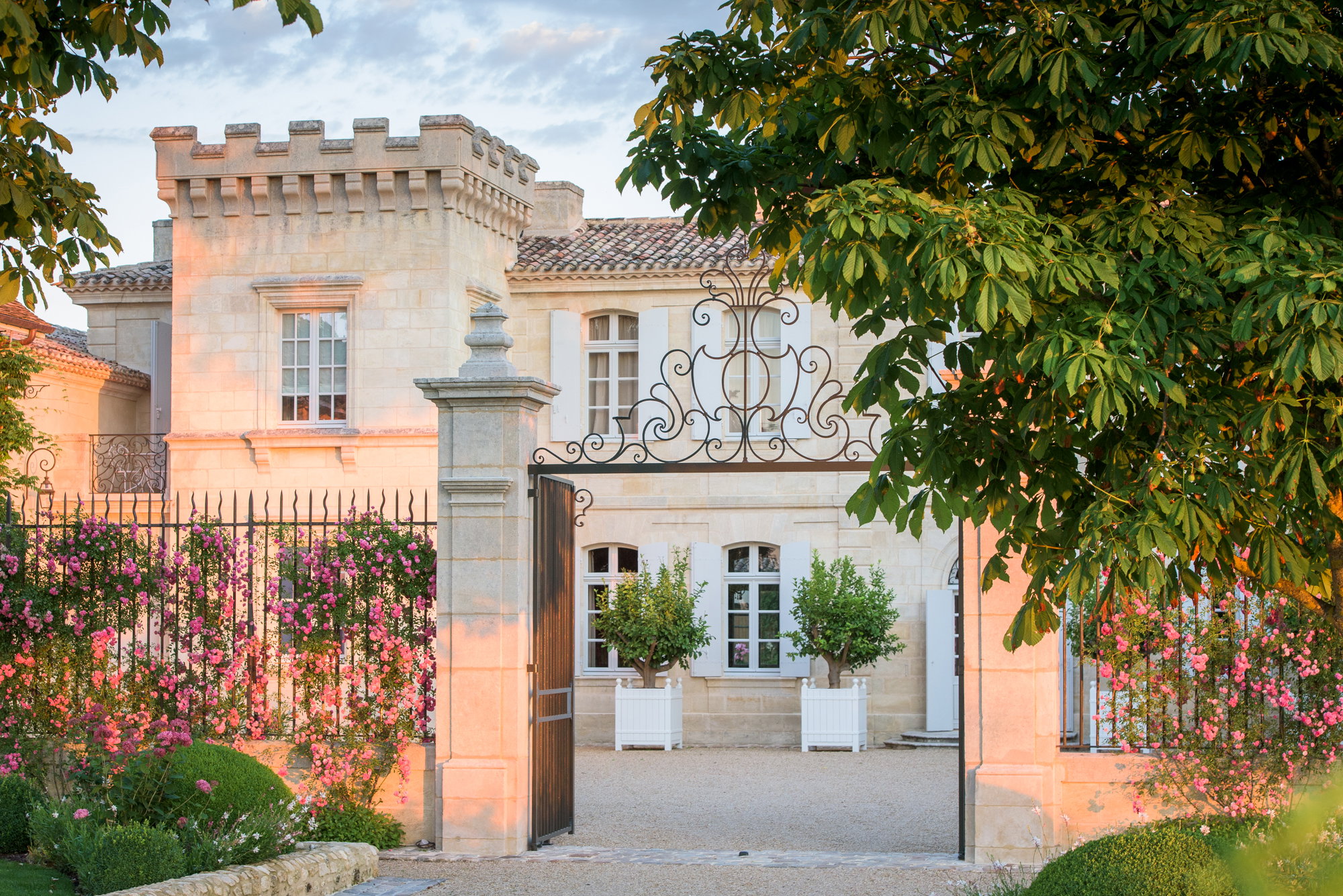
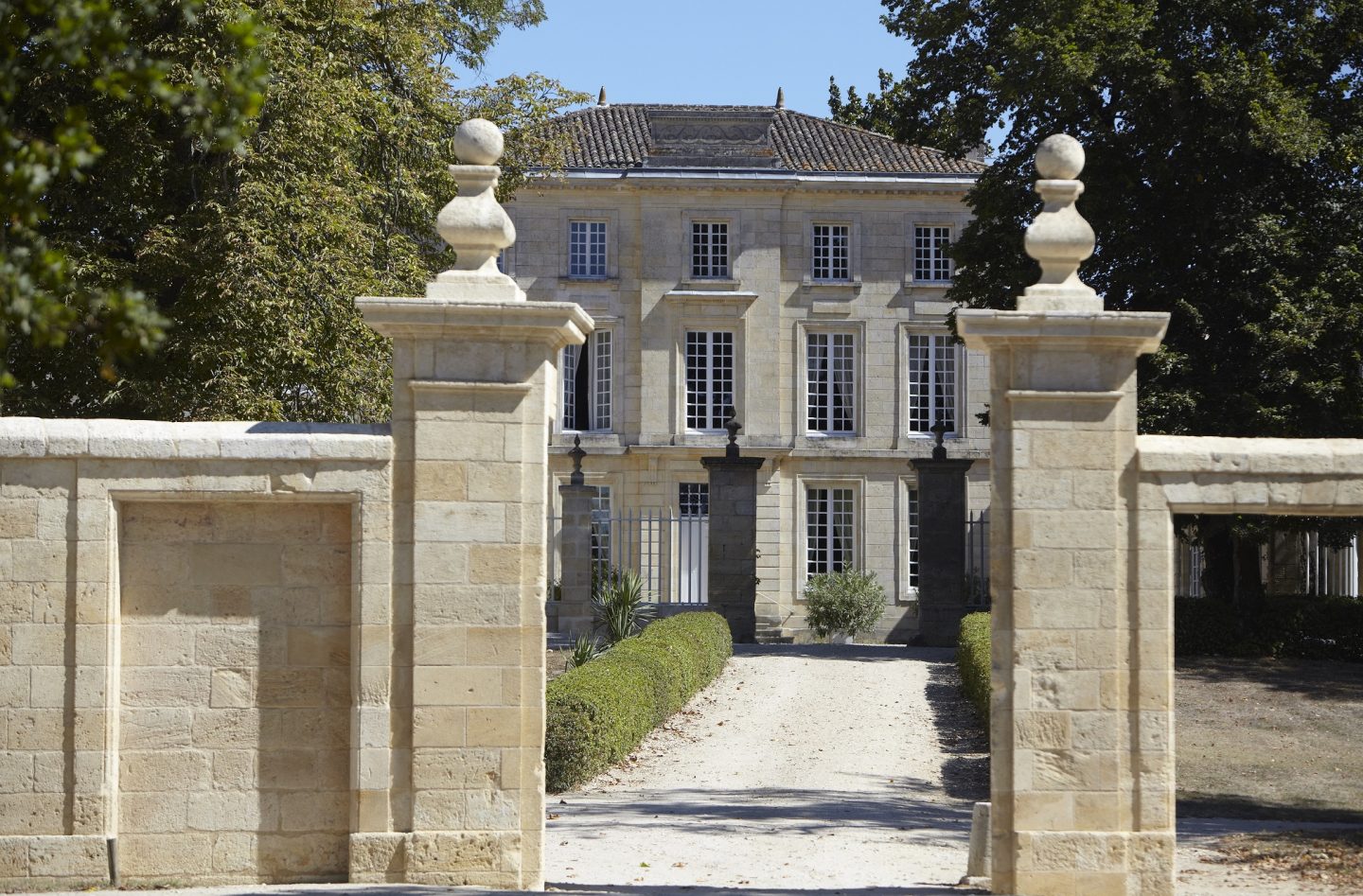
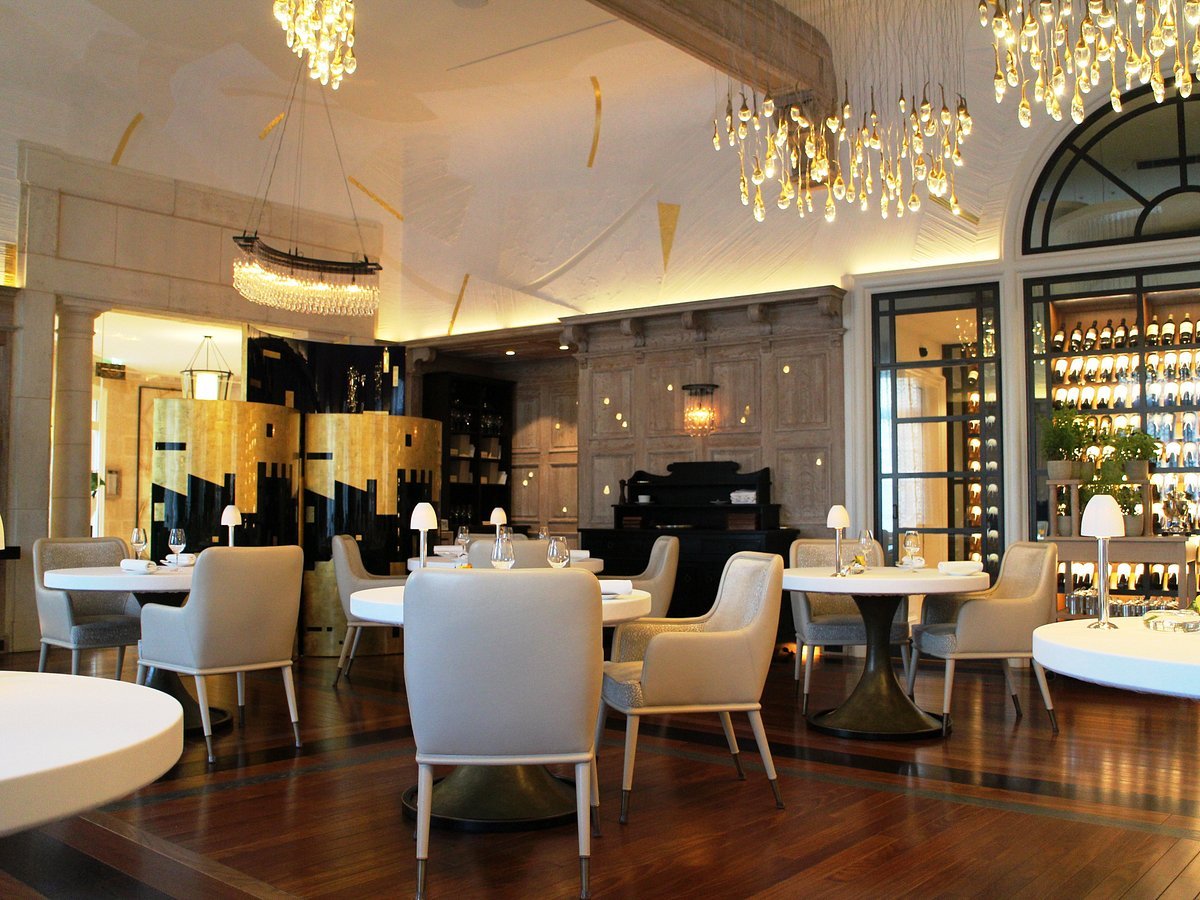
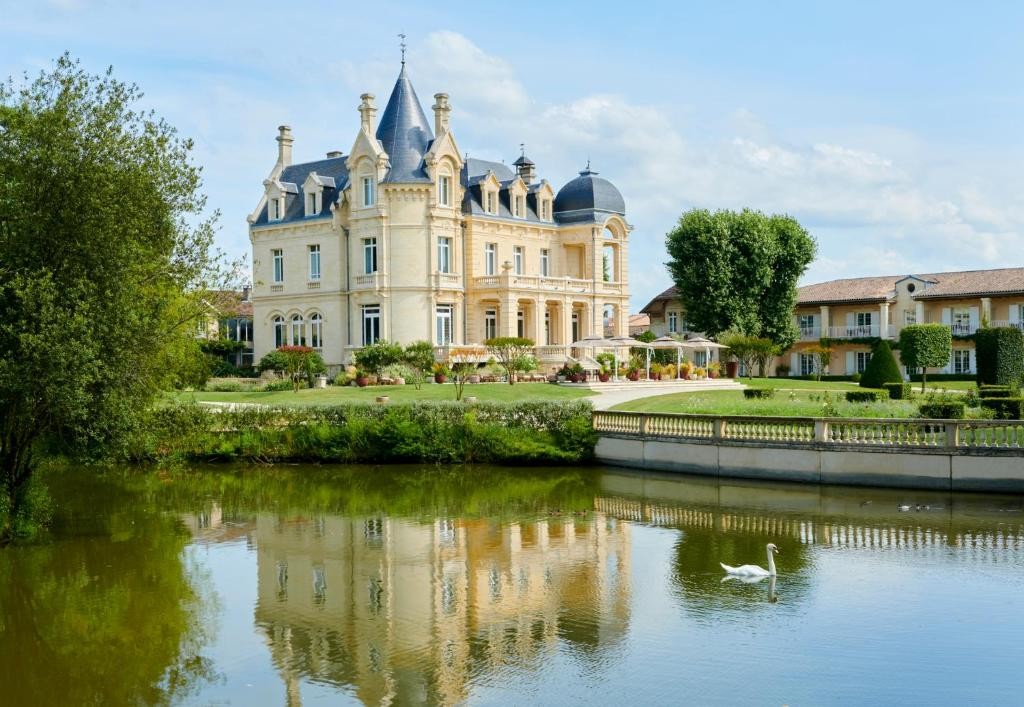
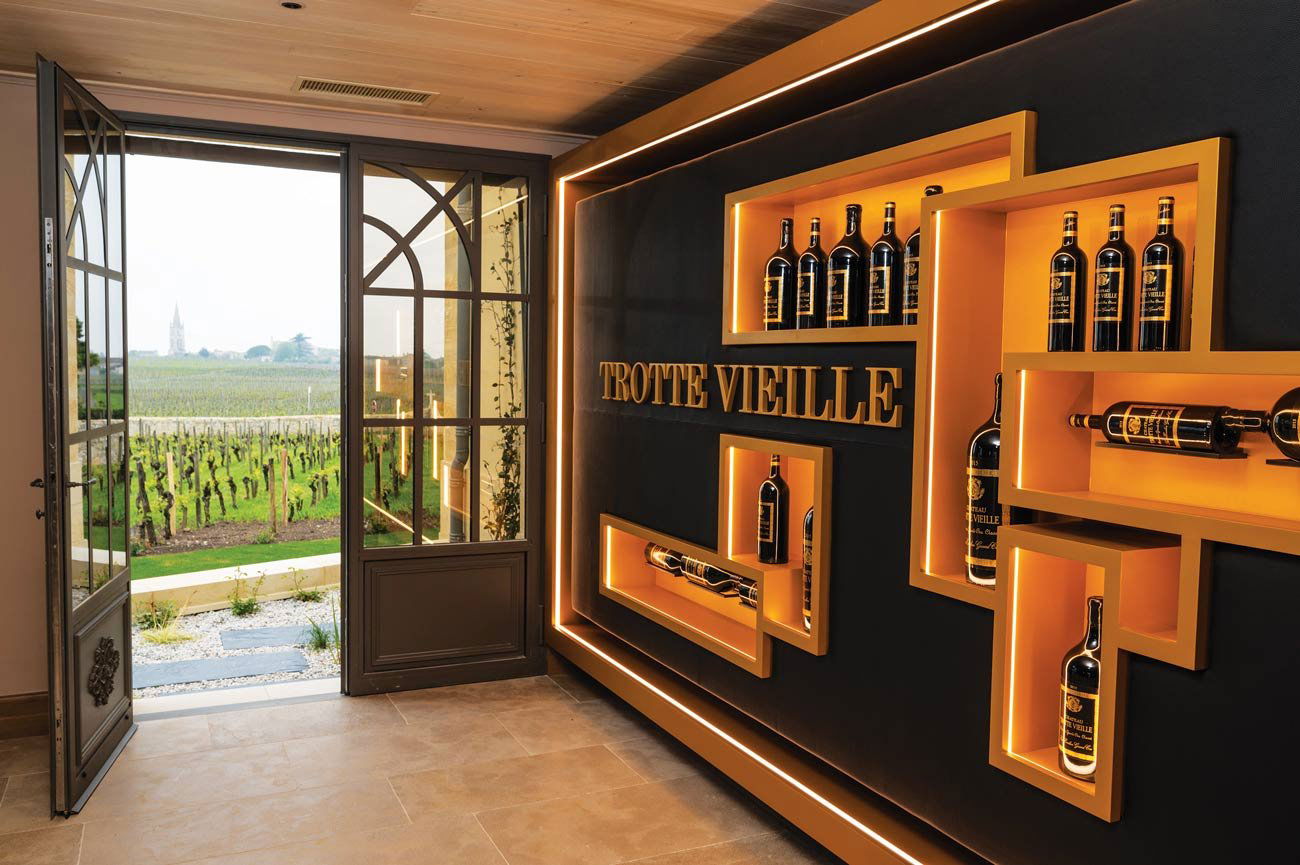
Discreet and charming historic château atmosphere with views of Saint-Émilion's church spire, evoking generational family ownership and understated elegance.
Tags
Vibe
Best For
Experience
Sourcing
View
At the Vineyard
- Appellation
- Saint-Émilion Grand Cru
- Varietals
- Merlot, Cabernet Franc, Cabernet Sauvignon
- Visits
- By appointment only
- Farming
- Sustainable
- Wine Styles
- Still Red
- Wine Club
- Not available
Know before you go
Know Before You Go
- Getting there
- Trotte-Vieille, 33330 Saint-Émilion
Planning details
Location
Also consider
If this is not available
Try Château Clos Fourtet first if the priority is staying close to the Saint-Emilion core. Choose Château Troplong Mondot if the group wants a more rounded destination feel around the winery visit.
Winery context
How It Compares
Choose Château TrotteVieille when the trip is built around prestige and a collector's Saint-Emilion itinerary. Château Pavie Macquin is the cleaner cross-shop for visitors who want a similarly serious Right Bank stop with a more direct comparison set, while Château Troplong Mondot is the better fit if the wider setting and visitor experience matter as much as the wine name.
Château Clos Fourtet makes sense for travellers who want to stay tightly within Saint-Emilion's core wine circuit. Chateau Ausone and Château La Mondotte sit in the same high-demand mental category: worth pursuing for serious collectors, but poor backup choices if the group needs easy logistics.
For value, the key question is not price per tasting; it is whether a difficult appointment earns its place in a short trip. If the group wants one trophy-level Saint-Emilion stop, Château TrotteVieille is credible. If the group wants a smoother day with fewer access constraints, start with Château Clos Fourtet or Château Troplong Mondot instead.
Explore Saint-Émilion
Around this place
Discover more on Pearl
Unlock the full Château TrotteVieille guide in Pearl, including awards, comparisons, FAQs, planning details, and nearby places.
Compare Château TrotteVieille
| Venue | Location | Awards |
|---|---|---|
| Château TrotteVieille | Saint-Emilion | No published awards |
| Château Pavie Macquin | Saint-Emilion | No published awards |
| Château Troplong Mondot | Saint-Laurent-des-Combes | 2026 Michelin 2 Grapes - Bordeaux2026 Falstaff Winery Guide2025 Pearl 4 Star Prestige |
| Château Clos Fourtet | Saint-Emilion | 2026 Michelin Grape Main Selection - Bordeaux2025 Pearl 3 Star Prestige |
| Chateau Ausone | Saint-Emilion | 2026 Michelin 2 Grapes - Bordeaux2025 Pearl 5 Star Prestige |
| Château La Mondotte | Saint-Emilion | 2026 Michelin 1 Grape - Bordeaux2026 Falstaff Winery Guide2025 Pearl 3 Star Prestige |





How Château TrotteVieille Saint-Emilion compares with similar nearby venues.
FAQ
Frequently Asked Questions
Does Château TrotteVieille serve food?
Château TrotteVieille is in Saint-Emilion, has a smart-casual dress code, and holds Pearl 3 Star Prestige recognition for 2025. For food-service arrangements, check directly with the venue.
Are memberships or allocations available at Château TrotteVieille?
For memberships or allocations at Château TrotteVieille, base any related decision on details provided directly by the venue.
What other venues are near Château TrotteVieille?
For comparison research, consider Château Pavie Macquin, Château Troplong Mondot, Château Clos Fourtet, Chateau Ausone, and Château La Mondotte, along with Château TrotteVieille itself.