Château Pavie Macquin
Saint-Emilion, Saint-Émilion
Winery in Saint-Émilion, France
 Book with Pearl
The Read
Limestone Plateau Precision
Why go
Château Pavie Macquin is worth prioritizing for a serious Saint-Emilion itinerary, especially for couples, collectors, or business-hosted wine travelers who want regional context rather than casual tasting-room energy. Treat it as a centerpiece appointment and compare it against other village heavyweights before building the rest of the day.
About Château Pavie Macquin
Château Pavie Macquin is a Saint-Emilion venue recognized with Pearl 3 Star Prestige (2025). The most reliable planning frame is simple: treat it as a focused Saint-Emilion stop and confirm visit logistics directly with the venue before making firm plans.
The dress code is smart casual. Beyond that, avoid assuming specific services, formats, menus, tasting arrangements, or visitor amenities unless Château Pavie Macquin confirms them for your date.
Where it fits in a serious Saint-Emilion day
For travelers comparing notable Saint-Emilion names, Château Pavie Macquin can be considered alongside Chateau Ausone, Château La Gaffelière, Château Pavie, Château Troplong Mondot, and Château TrotteVieille. Keep the comparison practical: decide which venues matter most for your itinerary, then confirm availability and visit requirements directly.
This is best approached as one part of a planned Saint-Emilion day rather than as a stop built on assumptions. A polished visit includes: Pearl 3 Star Prestige (2025), Saint-Emilion location, and smart casual dress.
Plan the wider trip around the village, not just one château
Use Château Pavie Macquin as an anchor only after confirming the details that matter to you. For the wider itinerary, use Our full Saint-Emilion wineries guide to set priorities, then line up meals from Our full Saint-Emilion restaurants guide, rooms from Our full Saint-Emilion hotels guide, low-key evening options from Our full Saint-Emilion bars guide, and non-winery time from Our full Saint-Emilion experiences guide.
If Saint-Emilion is one stop in a larger trip, keep the comparisons disciplined and local. The grounded question is direct: do you want to include a Pearl 3 Star Prestige (2025) Saint-Emilion venue in your plans? If yes, confirm the current visit details with Château Pavie Macquin and build the day around the details you confirm.
Planning details
- Location
- 1 Peygenestau, 33330 Saint-Émilion
- Website
- pavie-macquin.com
- Phone
- +33 5 57 24 74 23
The take
The Take
The Vibe
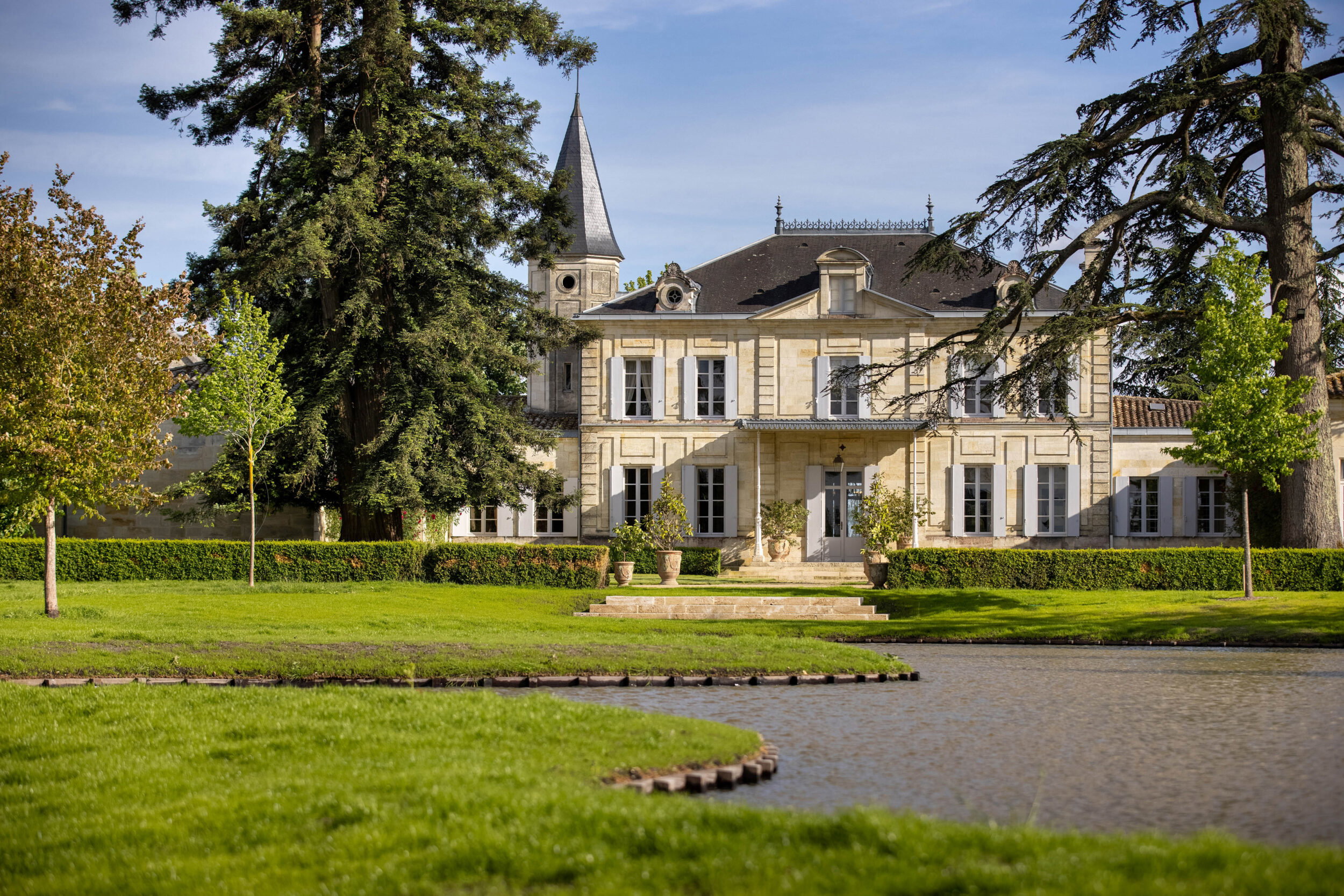
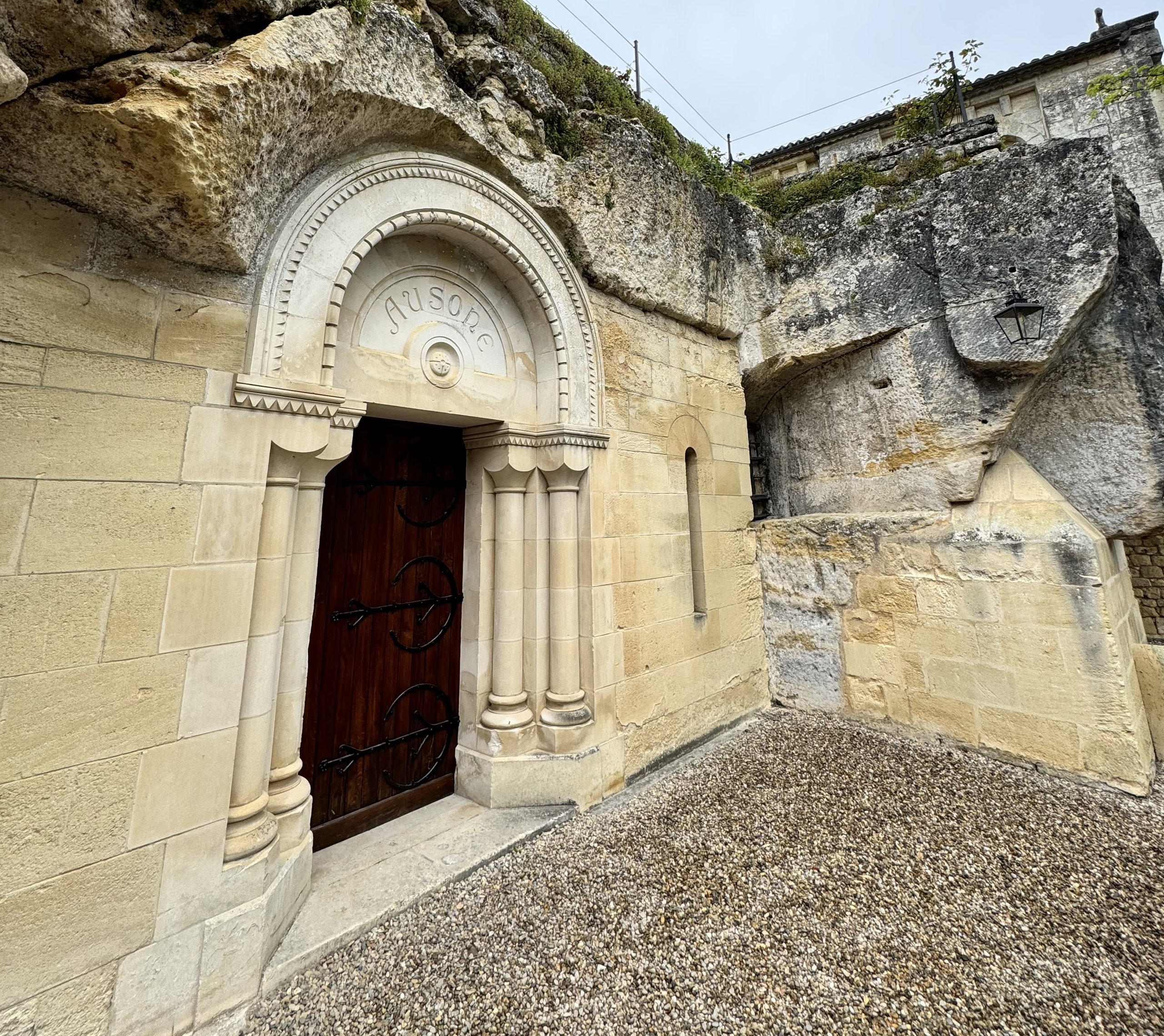
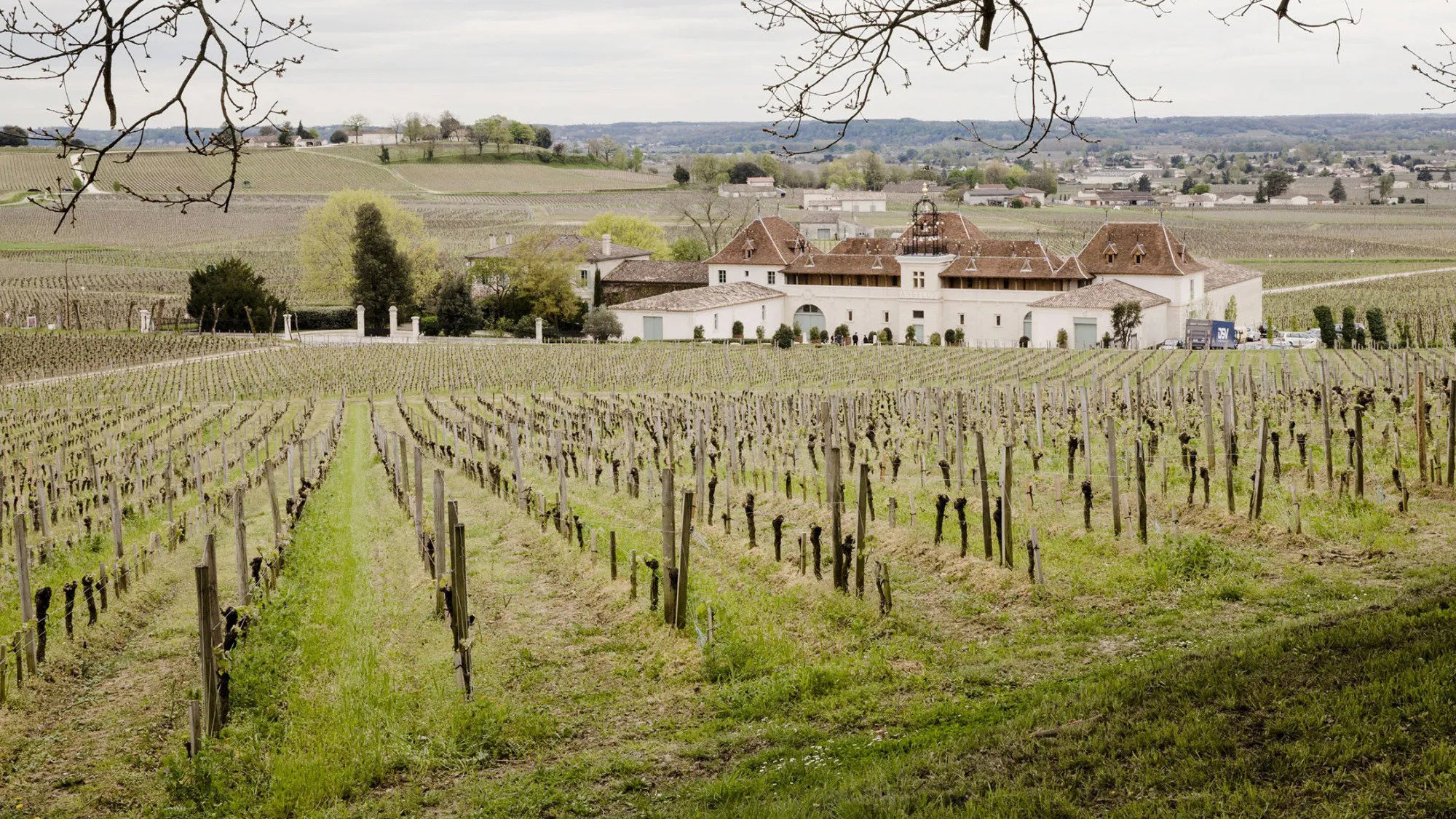
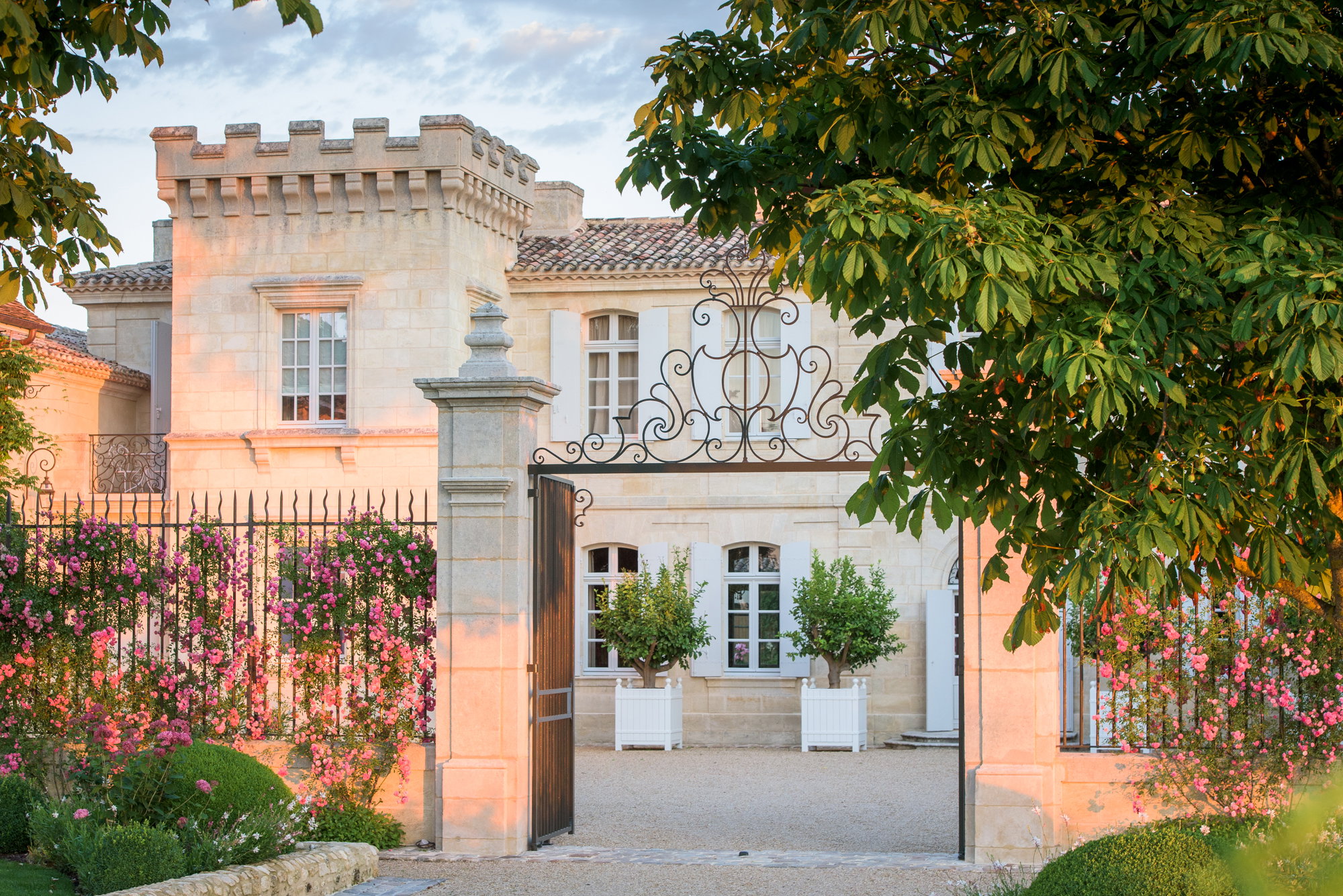
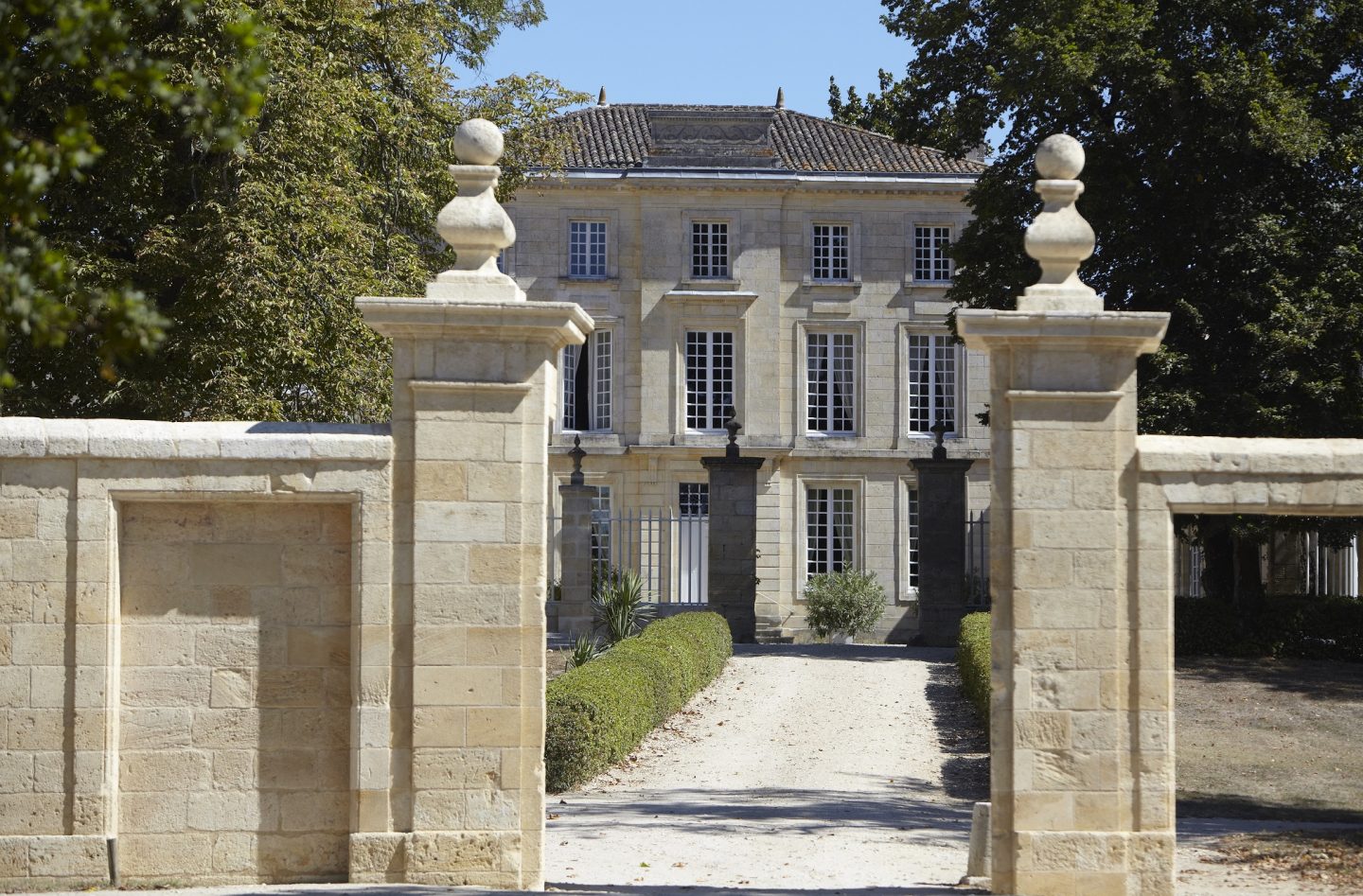
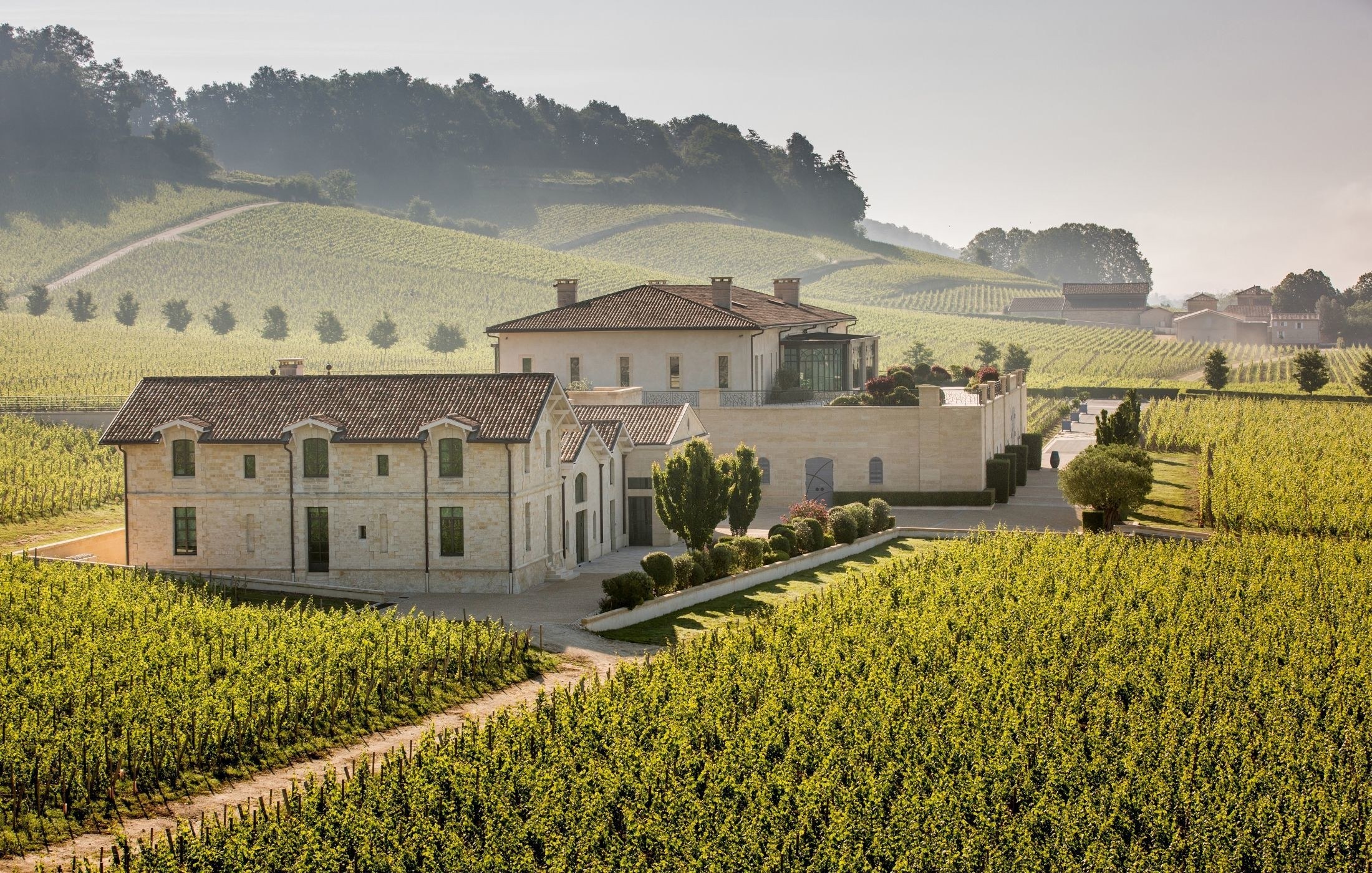
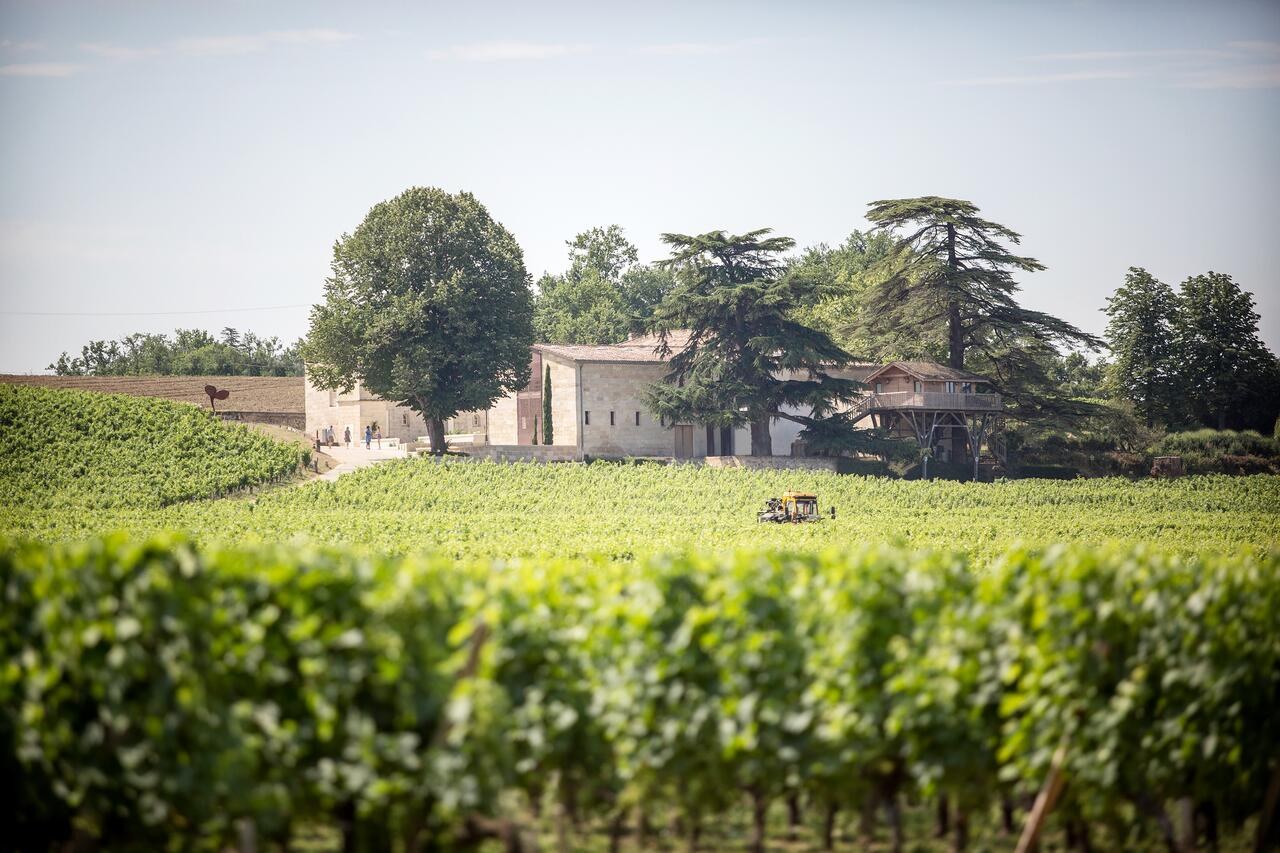
Château Pavie Macquin sits on the Saint-Émilion plateau and reads like a classic Right Bank estate: arriving through a medieval town and limestone gates sets a historic, measured tone. The writing here is geological as much as architectural — argilo-calcaire soils and a plateau position shape the sense of place. The house feels intimate and deliberate rather than touristic, sharing its refined setting with other tightly held, high-tier properties. Visitors encounter landscape, terroir and a quietly authoritative manner that underscores why the domaine occupies a prestige tier in the appellation.
Best For
This estate suits visitors who come informed and intentional: serious wine students, collectors and those marking special occasions. Its 2025 Pearl 3 Star Prestige rating and small-scale production make Pavie Macquin appropriate for focused tastings and educational visits rather than casual drop-ins. Because access is by appointment and the estate operates within the competitive set of Saint-Émilion classified growths, the experience is best for guests seeking depth, provenance and a quieter, more considered encounter with Right Bank terroir.
Tasting Tips
Plan ahead and expect to arrange visits in writing: Pavie Macquin does not maintain walk-in hours and visits are arranged by appointment. Treat bookings as deliberate engagements — contact the estate well before travel dates and come prepared with questions about terroir, classification and vintages. Because production volumes are tight and the properties on the plateau are smaller, anticipate limited availability for tastings and, if relevant to your trip, coordinate timing with neighbouring estates on the plateau.
Venue details
Ambiance
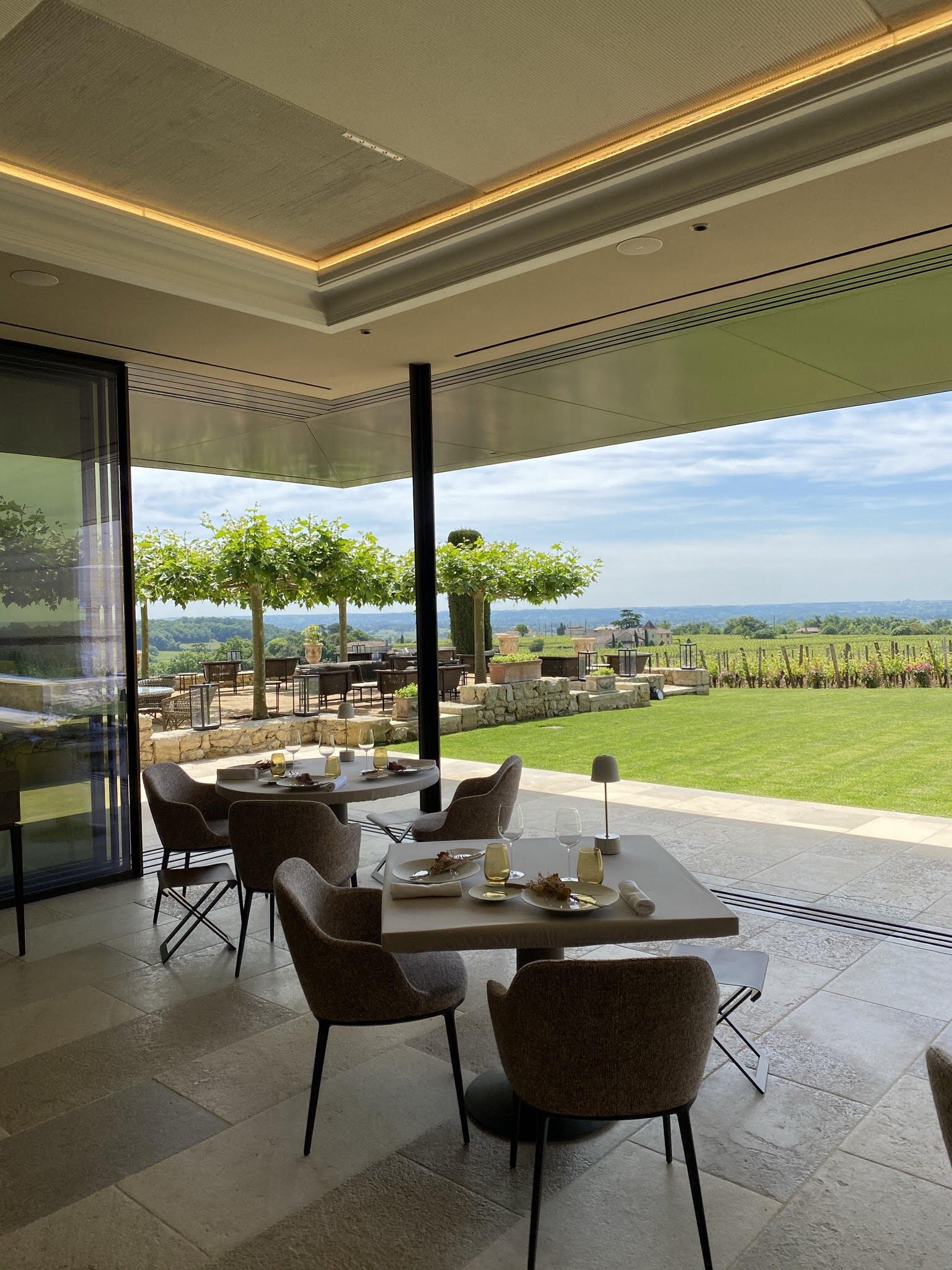
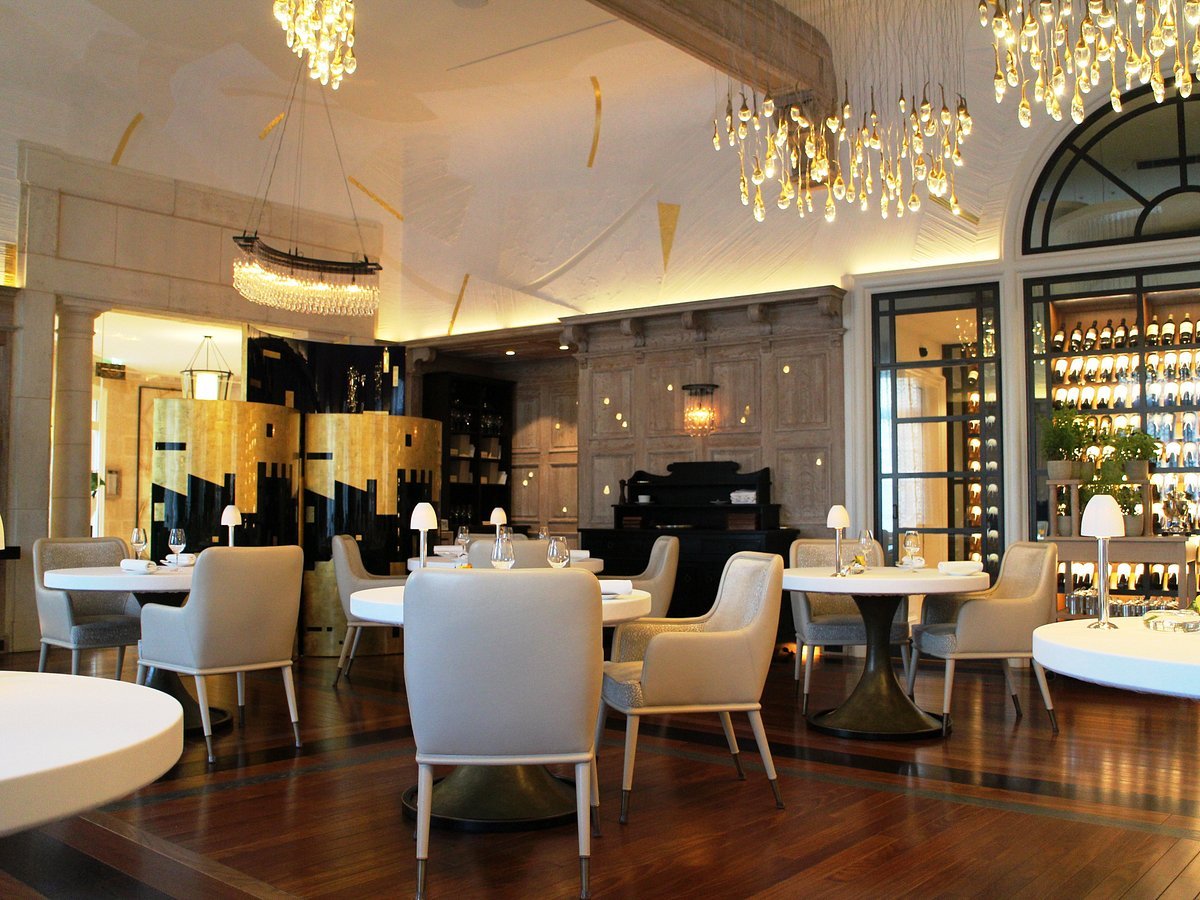
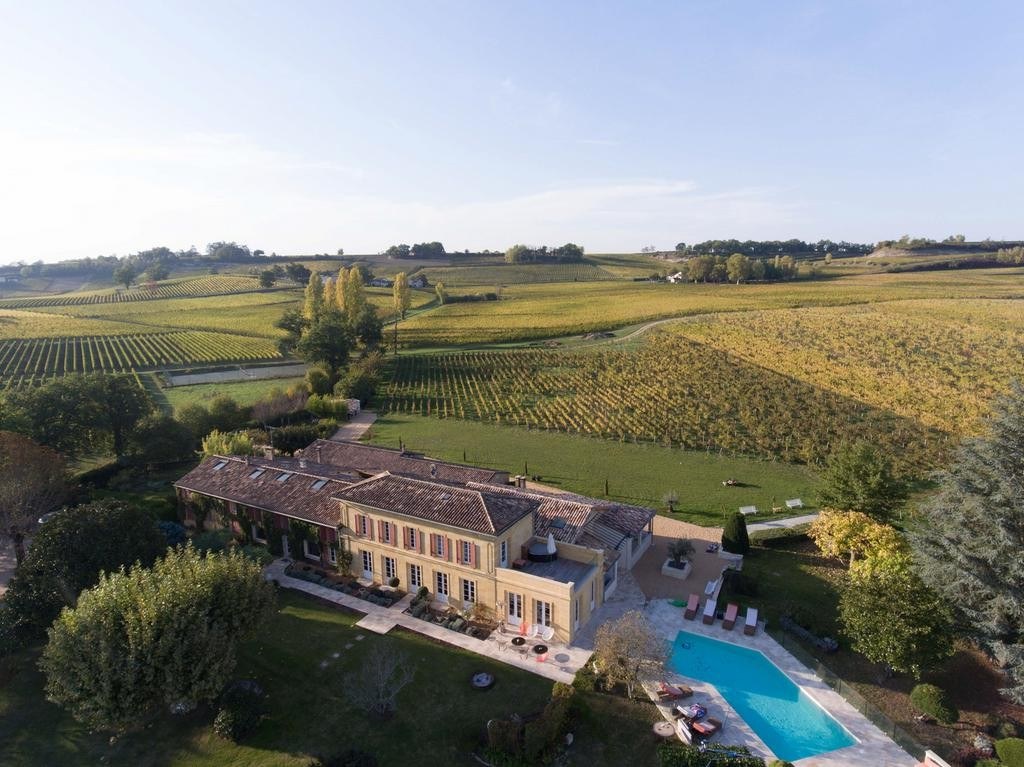
Elegant and sophisticated with a classic, historic atmosphere overlooking vineyards.
Tags
Vibe
Best For
Experience
Sourcing
View
At the Vineyard
- Appellation
- Saint-Émilion
- Varietals
- Merlot, Cabernet Franc, Cabernet Sauvignon
- Tour Duration
- 60-90 minutes
- Tour Languages
- English, French
- Visits
- By appointment only
- Farming
- Biodynamic
- Production
- Small producer
- Wine Styles
- Still Red
- Wine Club
- Available
Know before you go
Know Before You Go
- Getting there
- 1 Peygenestau, 33330 Saint-Émilion
Planning details
Location
Also consider
Where to look if this is unavailable
Try Château Troplong Mondot if ambiance and a more rounded visitor experience are priorities. Look at Château La Gaffelière if you want a strong Saint-Emilion alternative with a less trophy-driven feel.
Winery context
How it compares in Saint-Emilion
Choose Château Pavie Macquin when the goal is a serious appellation read with a prestige signal, but accept that access is the limiting factor. Château TrotteVieille is the better cross-shop if you want another Saint-Emilion name in the same high-seriousness lane, while Chateau Ausone is the prestige-first comparison for travelers chasing the hardest-ticket end of the village.
Château Troplong Mondot is the stronger pick if ambiance and a fuller hospitality feel matter as much as the wine context. Château Pavie sits closer to the trophy-château lane, so choose it when name recognition is the priority; choose Château Pavie Macquin when the visit is meant to sharpen your view of Saint-Emilion rather than simply check off a label.
Château La Gaffelière is the practical alternative to consider if you want Saint-Emilion history and a less pressure-loaded comparison point. For value, the answer depends on what access you can actually secure: a confirmed, well-timed visit here is worth building around, but if availability is poor, Troplong Mondot or La Gaffelière may deliver an easier day with less scheduling friction.
Explore Saint-Émilion
Around this place
Discover more on Pearl
Unlock the full Château Pavie Macquin guide in Pearl, including awards, comparisons, FAQs, planning details, and nearby places.
Compare Château Pavie Macquin
| Venue | Location | Awards |
|---|---|---|
| Château Pavie Macquin | Saint-Emilion | No published awards |
| Château TrotteVieille | Saint-Emilion | No published awards |
| Chateau Ausone | Saint-Emilion | 2026 Michelin 2 Grapes - Bordeaux2025 Pearl 5 Star Prestige |
| Château Troplong Mondot | Saint-Laurent-des-Combes | 2026 Michelin 2 Grapes - Bordeaux2026 Falstaff Winery Guide2025 Pearl 4 Star Prestige |
| Château Pavie | Saint-Emilion | 2025 Pearl 4 Star Prestige |
| Château La Gaffelière | Talence | 2026 Falstaff Winery Guide2025 Pearl 4 Star Prestige |



How Château Pavie Macquin compares with similar nearby venues.
FAQ
Frequently Asked Questions
When is the best time to visit Château Pavie Macquin?
Plan Château Pavie Macquin as part of a Saint-Emilion itinerary and confirm current visit details directly with the venue. A specific seasonal schedule is not available.
Is Château Pavie Macquin recognized by Pearl?
Yes. Château Pavie Macquin is listed with Pearl 3 Star Prestige (2025).
What should I wear to Château Pavie Macquin?
The dress code for Château Pavie Macquin is smart casual.