
Château Pavie
Saint-Emilion, Saint-Émilion
Winery in Saint-Émilion, France
 Book with Pearl
The Read
Plateau Terroir Authority
Why go
Château Pavie is worth prioritizing if the trip is about serious Saint-Émilion wine assessment, especially the estate's flagship bottle and long vintage history. It is less suitable for casual drop-in tasting or food-led planning, so compare availability against Chateau Ausone, Château Larcis Ducasse, and Château Pavie Macquin before fixing the day.
About Château Pavie
Château Pavie is a Saint-Emilion venue with Pearl 4 Star Prestige (2025) recognition. Confirm visit arrangements directly before building an itinerary around it.
Château Pavie is in Saint-Emilion, Henri Parent is listed as chef/owner, and the dress code is smart casual. If the plan is broader regional context, pair the research with Our full Saint-Emilion wineries guide, then use Our full Saint-Emilion restaurants guide, Our full Saint-Emilion hotels guide, Our full Saint-Emilion bars guide, and Our full Saint-Emilion experiences guide to build the rest of the day around it.
Prioritize confirmed details over assumptions
Treat Château Pavie as a prestige Saint-Emilion stop, and avoid assumptions about format, menus, pricing, hours, or services unless confirmed directly by the venue. For a polished visit, note its Pearl 4 Star Prestige (2025) recognition, Henri Parent as chef/owner, and smart casual dress.
For comparison planning, keep the focus on names that can help frame a Saint-Emilion itinerary. Chateau Ausone, Château Larcis Ducasse, Château La Gaffelière, Château Canon-la-Gaffeliere, and Château Pavie Macquin are useful reference points if you are weighing Château Pavie against other options.
Use it as one serious stop in a tighter Saint-Emilion route
The visit works better when the day is built around a small number of carefully chosen Saint-Emilion stops rather than a packed checklist. Avoid assuming casual availability, a specific meal format, a drinks program, or any particular service offering unless Château Pavie confirms it directly.
Quick reference: Château Pavie is a Pearl 4 Star Prestige (2025) venue in Saint-Emilion. Henri Parent is listed as chef/owner, and the dress code is smart casual.
Planning details
- Location
- 2 Pimpinelle, 33330 Saint-Émilion
- Website
- vignoblesperse.com
- Phone
- +33 5 57 55 43 43
The take
The Take
The Vibe
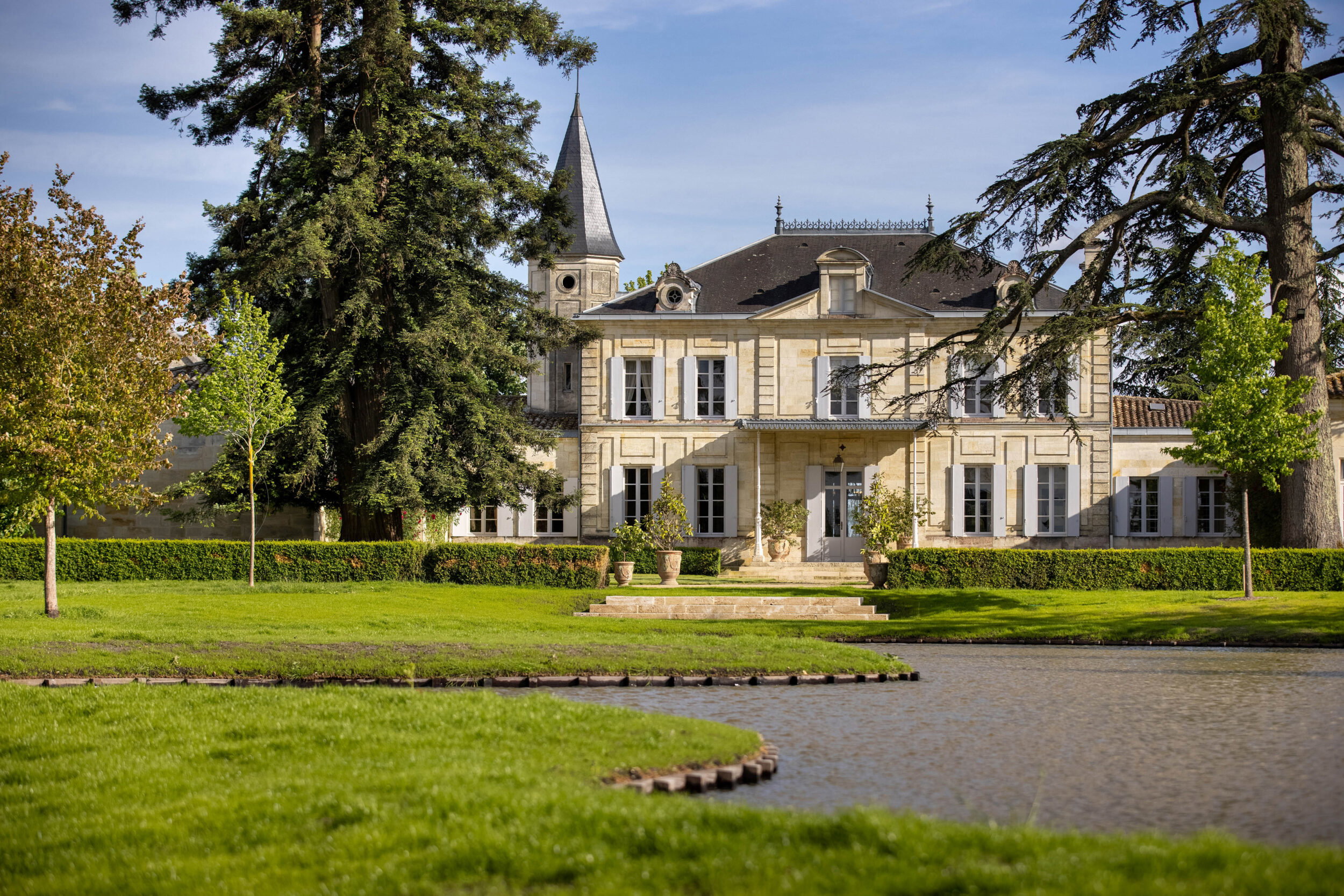
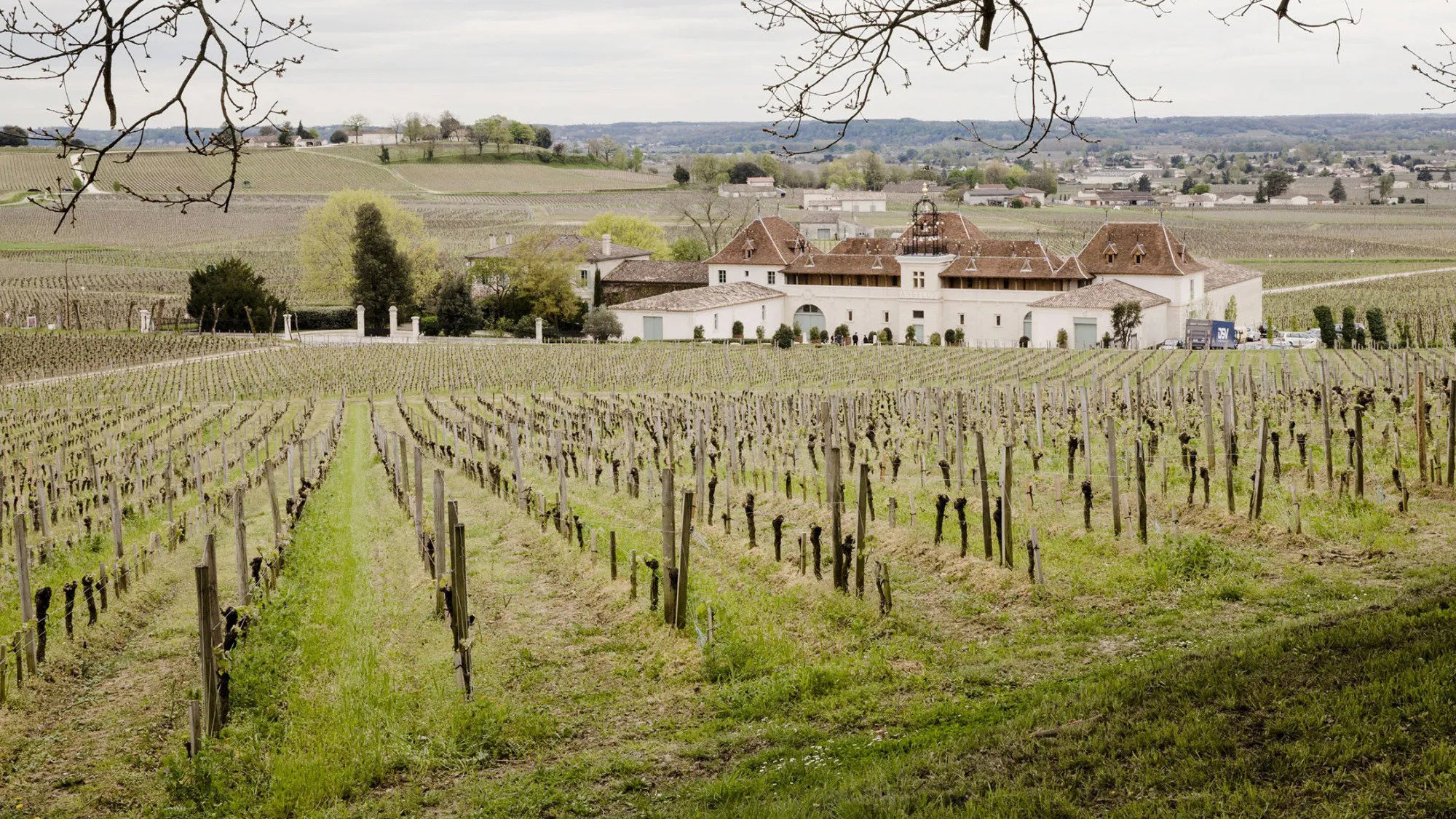
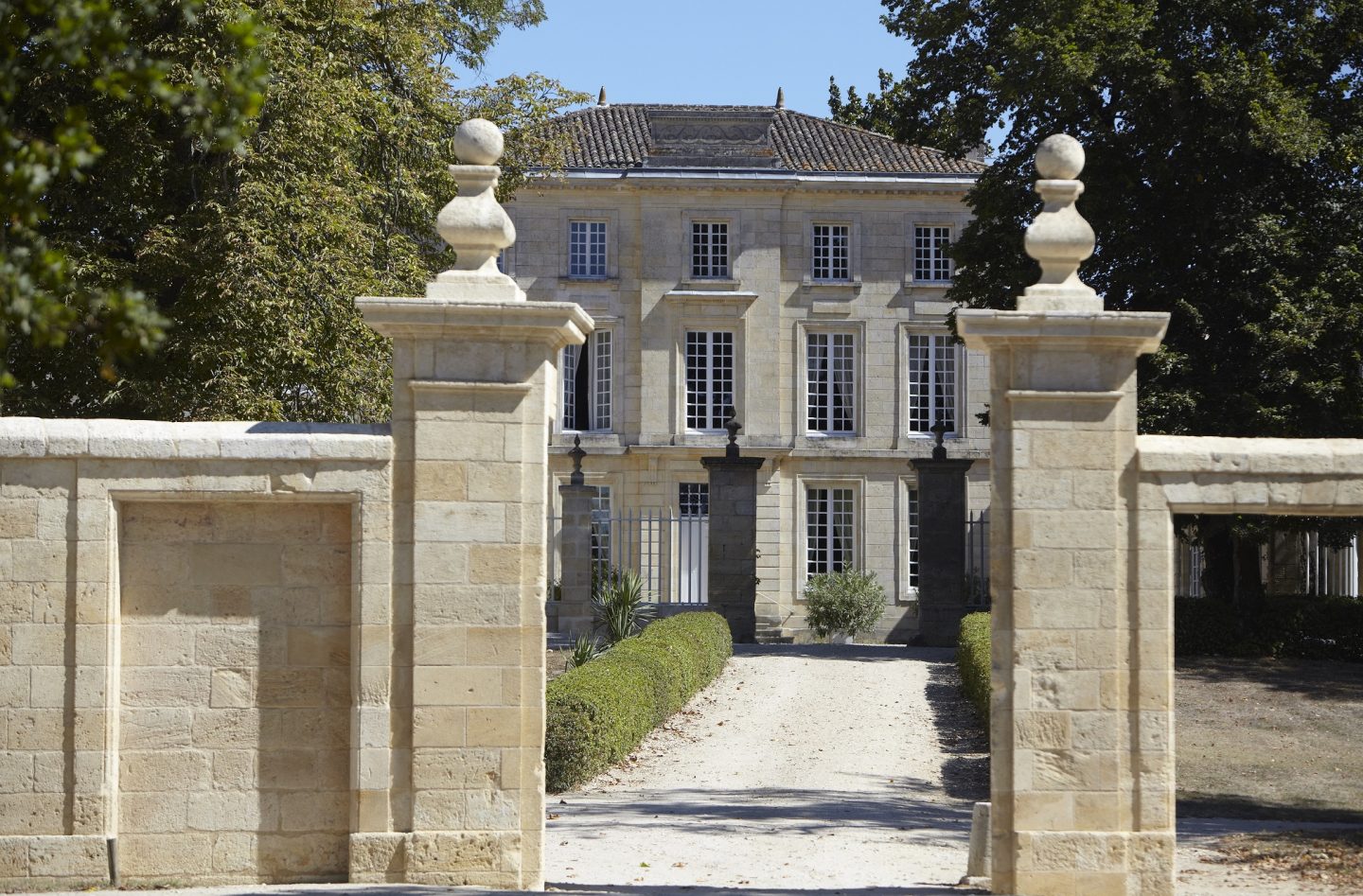
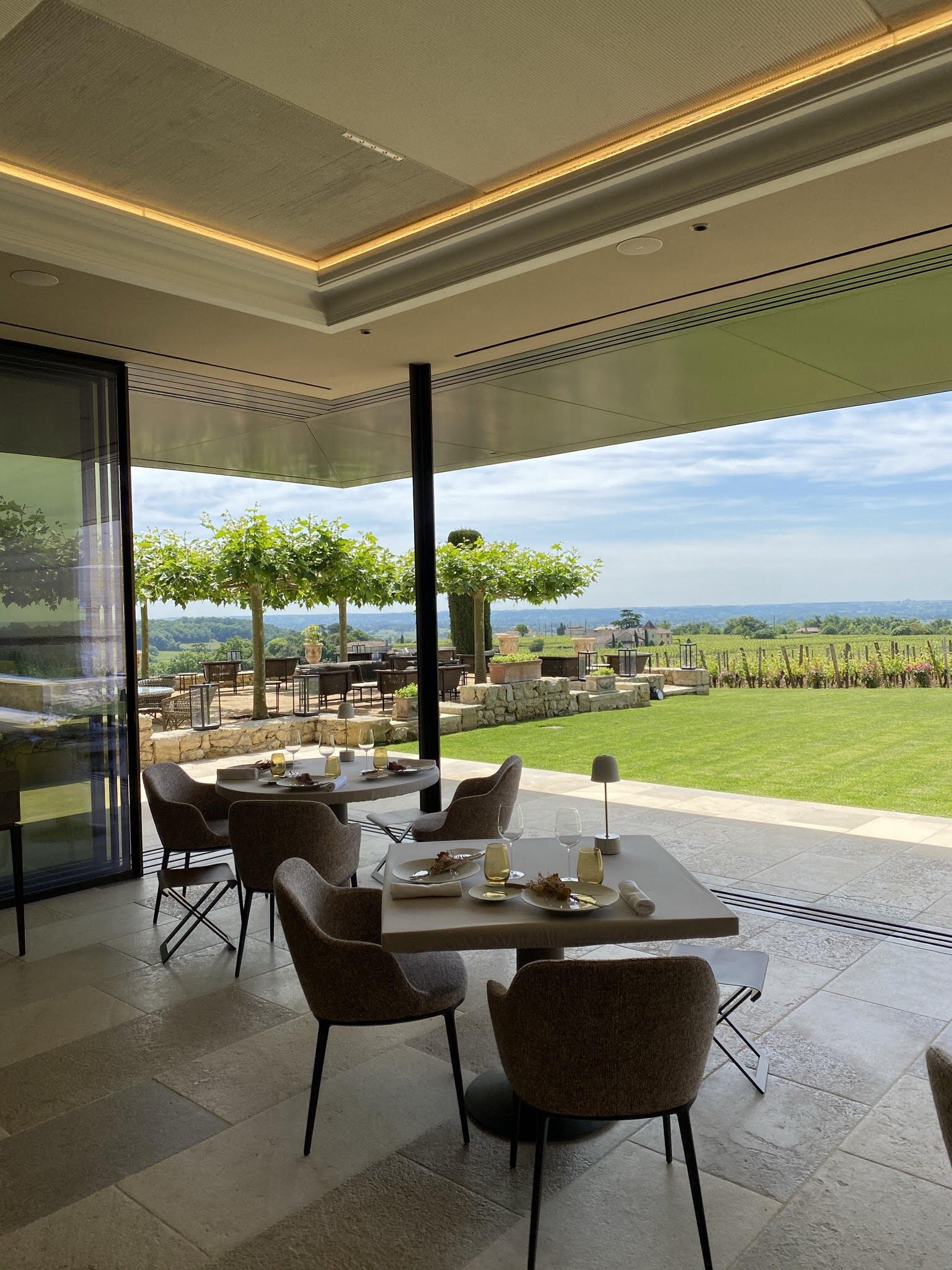
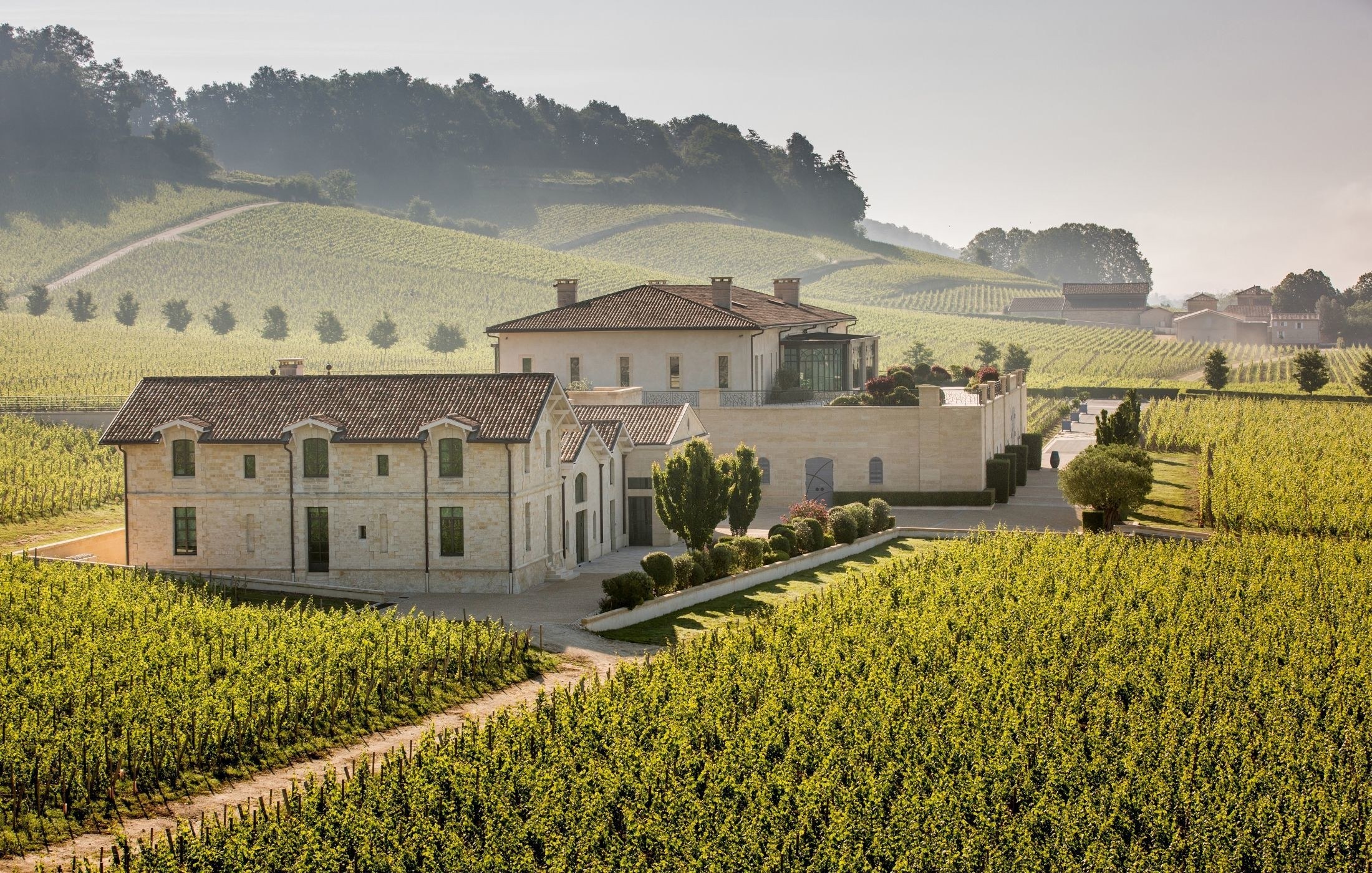
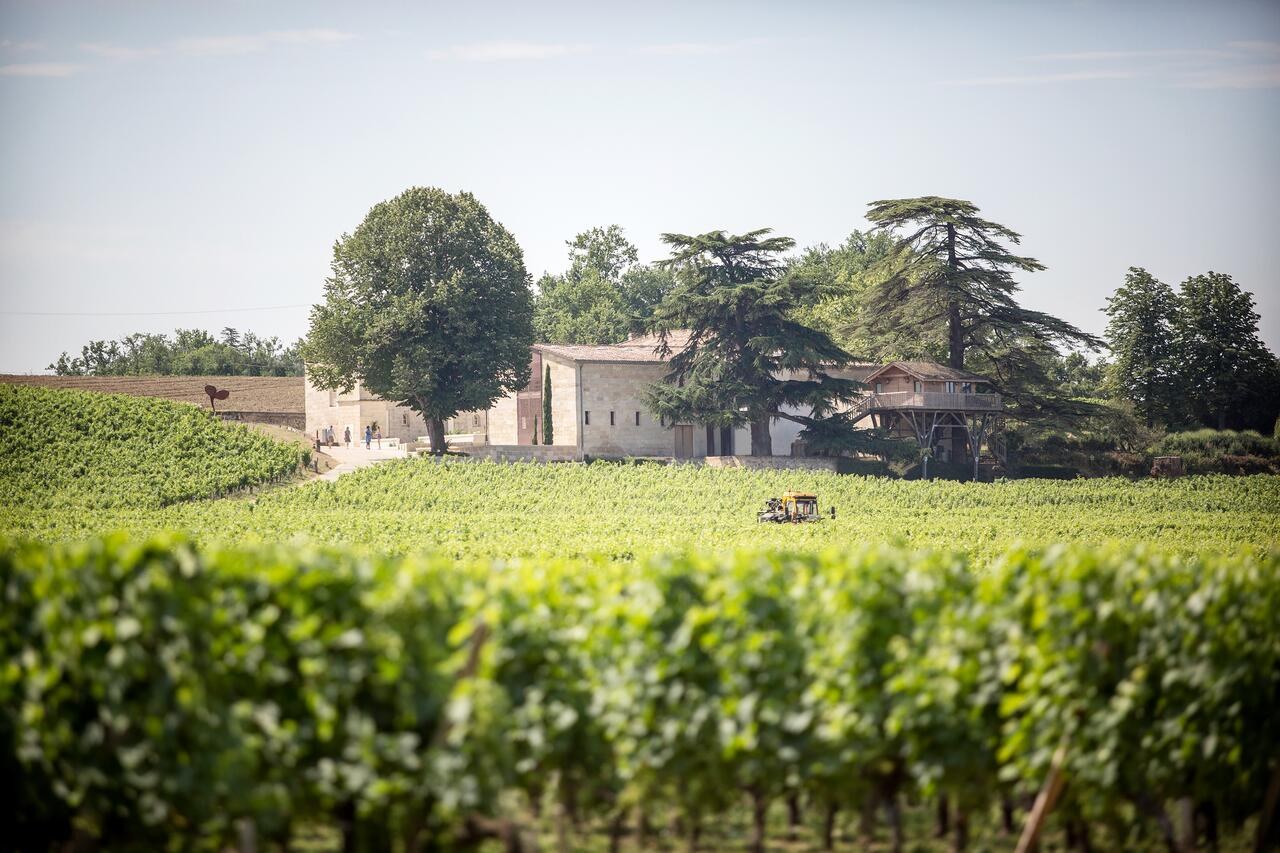
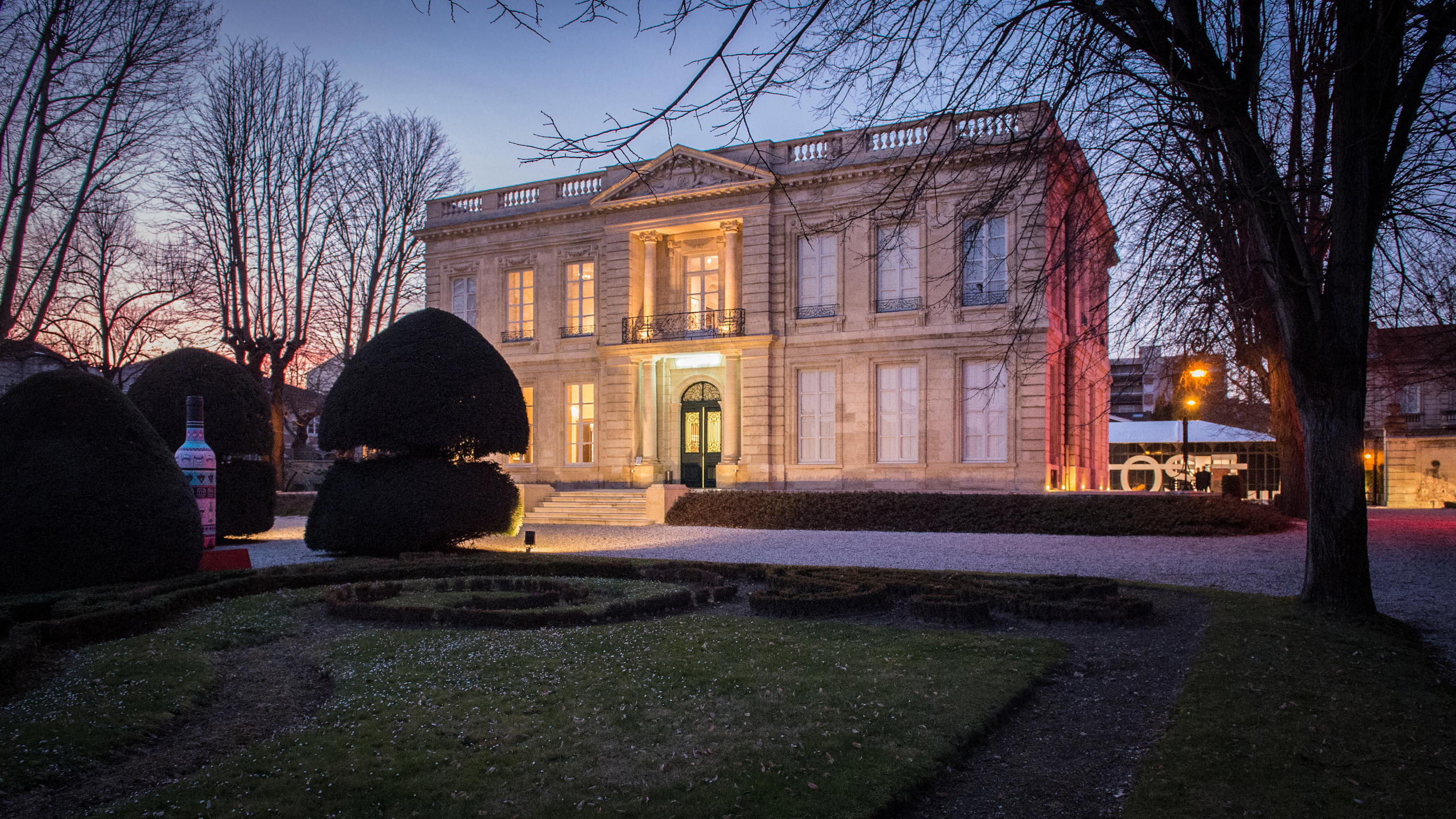
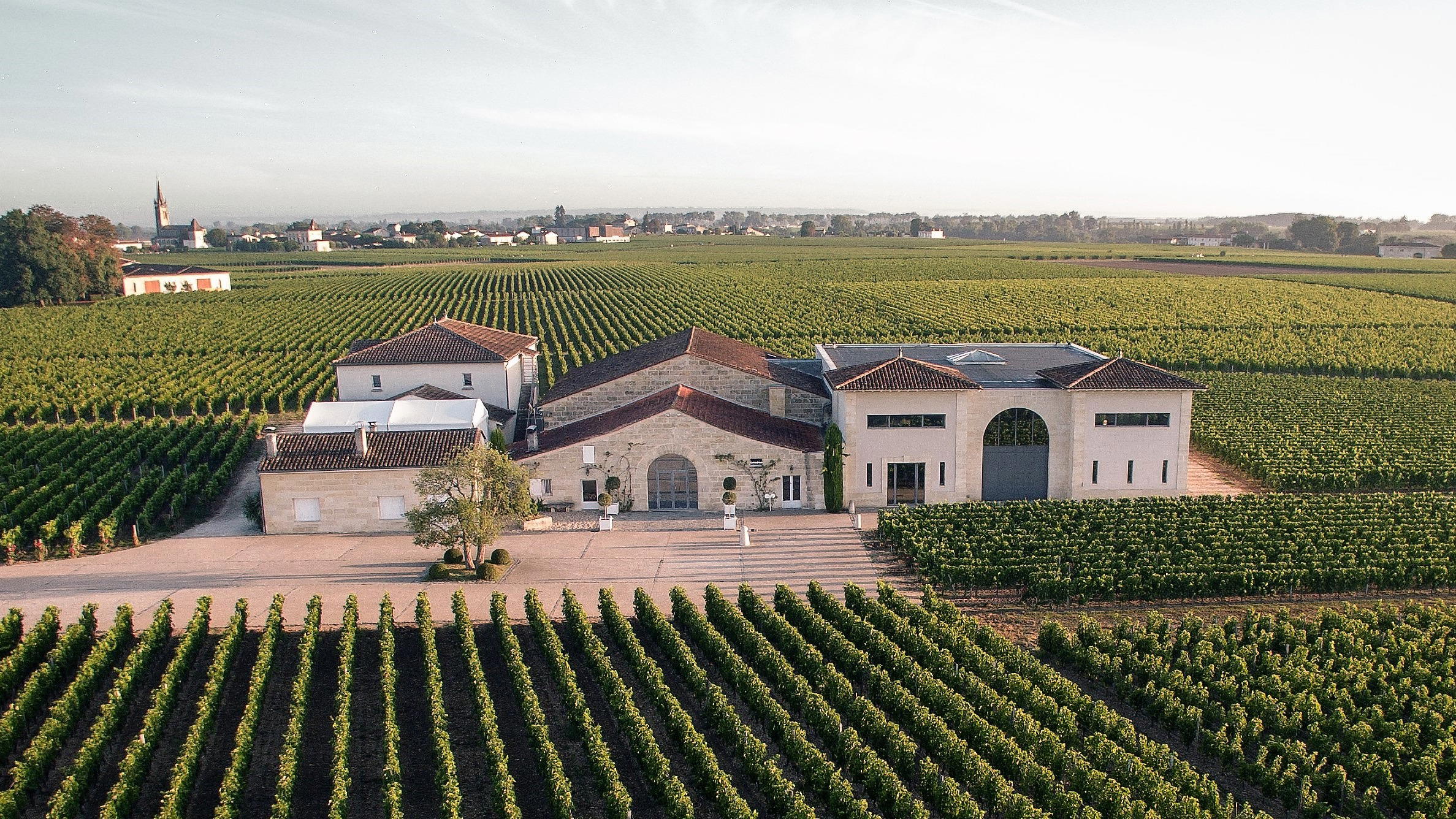
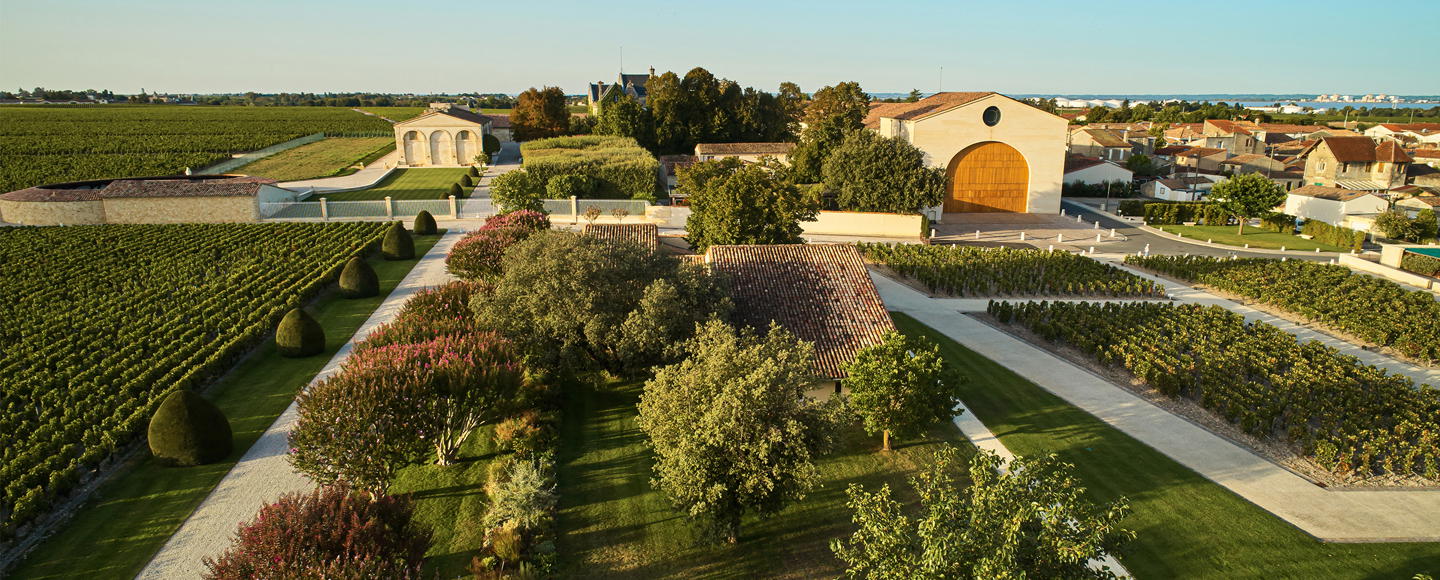
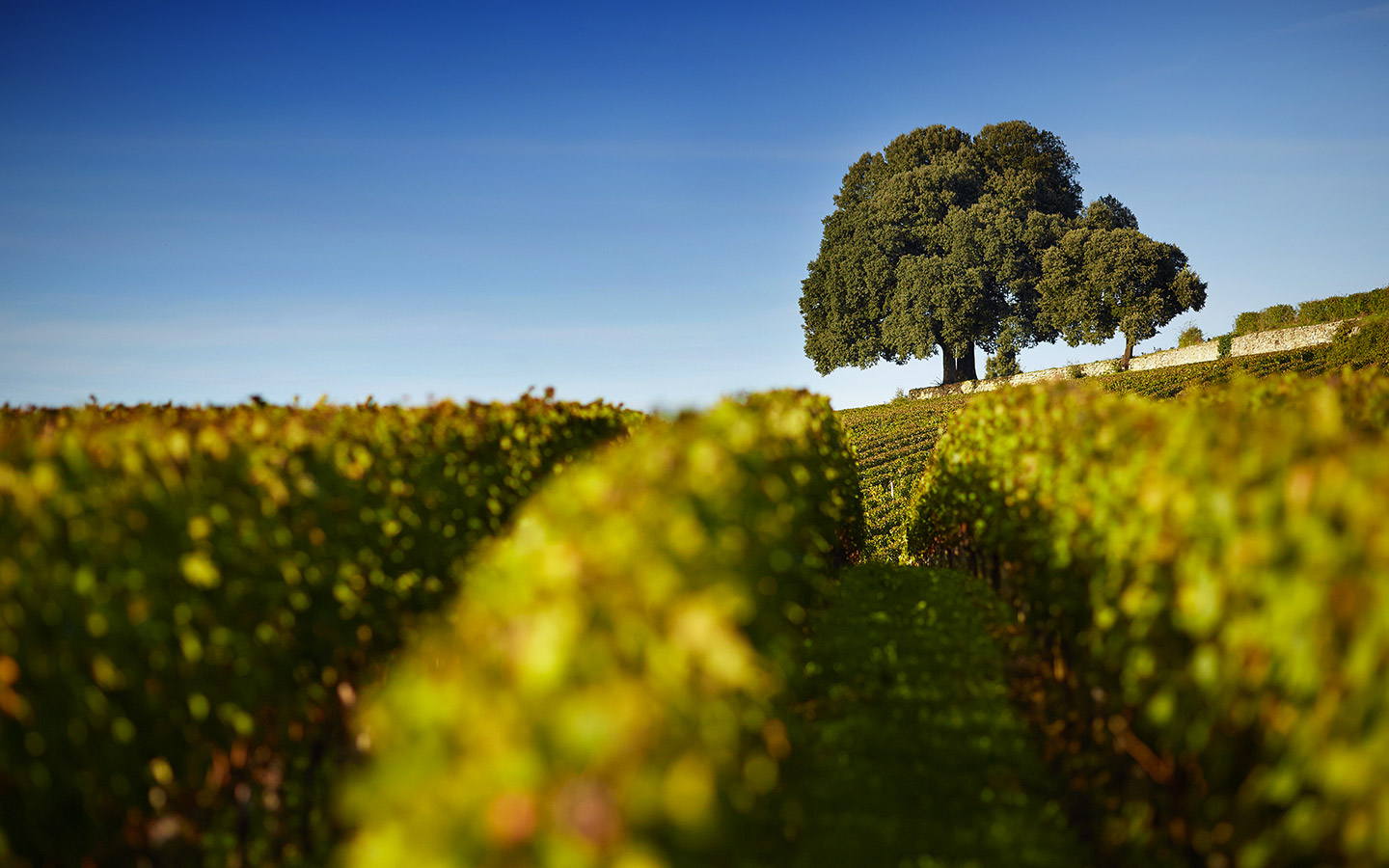
Château Pavie presents as a landscape-first estate where the vineyard itself dominates the moment you approach. The writing foregrounds geology — sandy loam rising to limestone and clay — and frames the site as an amphitheatre of south-facing vines. That sense of place is matched by institutional weight: a documented vintage history back to 1904 and current winemaker Henri Parent tie the property to Saint-Émilion’s upper tier. The narrative reads as contemplative and authoritative, oriented toward terroir, craftsmanship and the kind of prestige that appeals to serious collectors and guests seeking a purposeful wine-country experience.
Best For
This estate is best for visitors who come with wine-focused intentions: collectors, students of terroir and anyone curious about how a single, geologically complex site translates in bottle. The text situates Château Pavie among classification elites and allocation-driven properties, so it also suits special occasions and milestone purchases where provenance and cellar-worthiness matter. Visits are most rewarding for those who want to understand slope, soil and cellar decisions — the place rewards close attention rather than casual drop-ins.
Tasting Tips
Expect château-level allocation dynamics and collector interest; the description stresses competition for collectors and classification standing. When buying or arranging a visit, ask specifically about vineyard parcels and how the slope and soil differences influence each cuvée, and inquire about current release and allocation practices. Seek older vintages or library stock if you are assembling a cellar, and discuss cellarage and ageing potential with staff — the estate’s emphasis on terroir and cellar work makes provenance and vintage context especially relevant.
Venue details
Ambiance
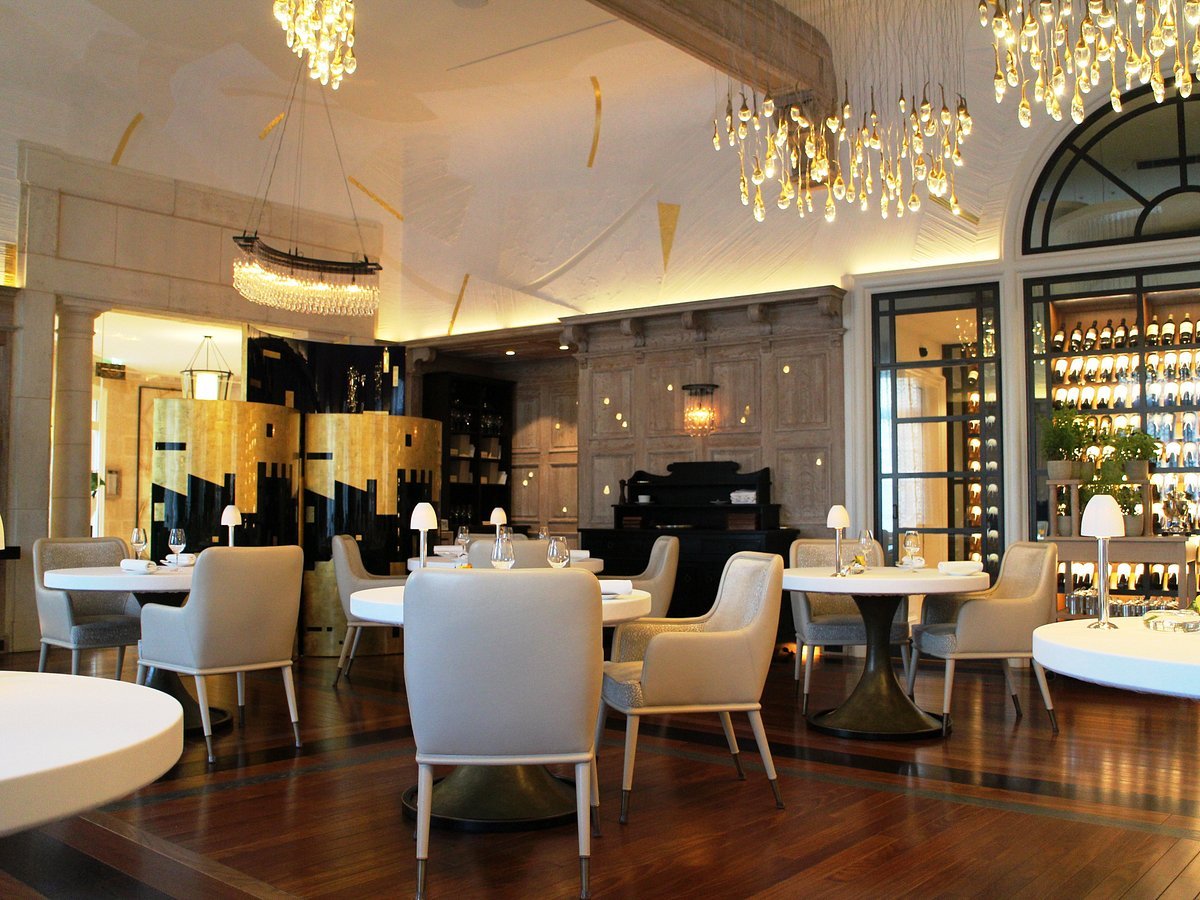
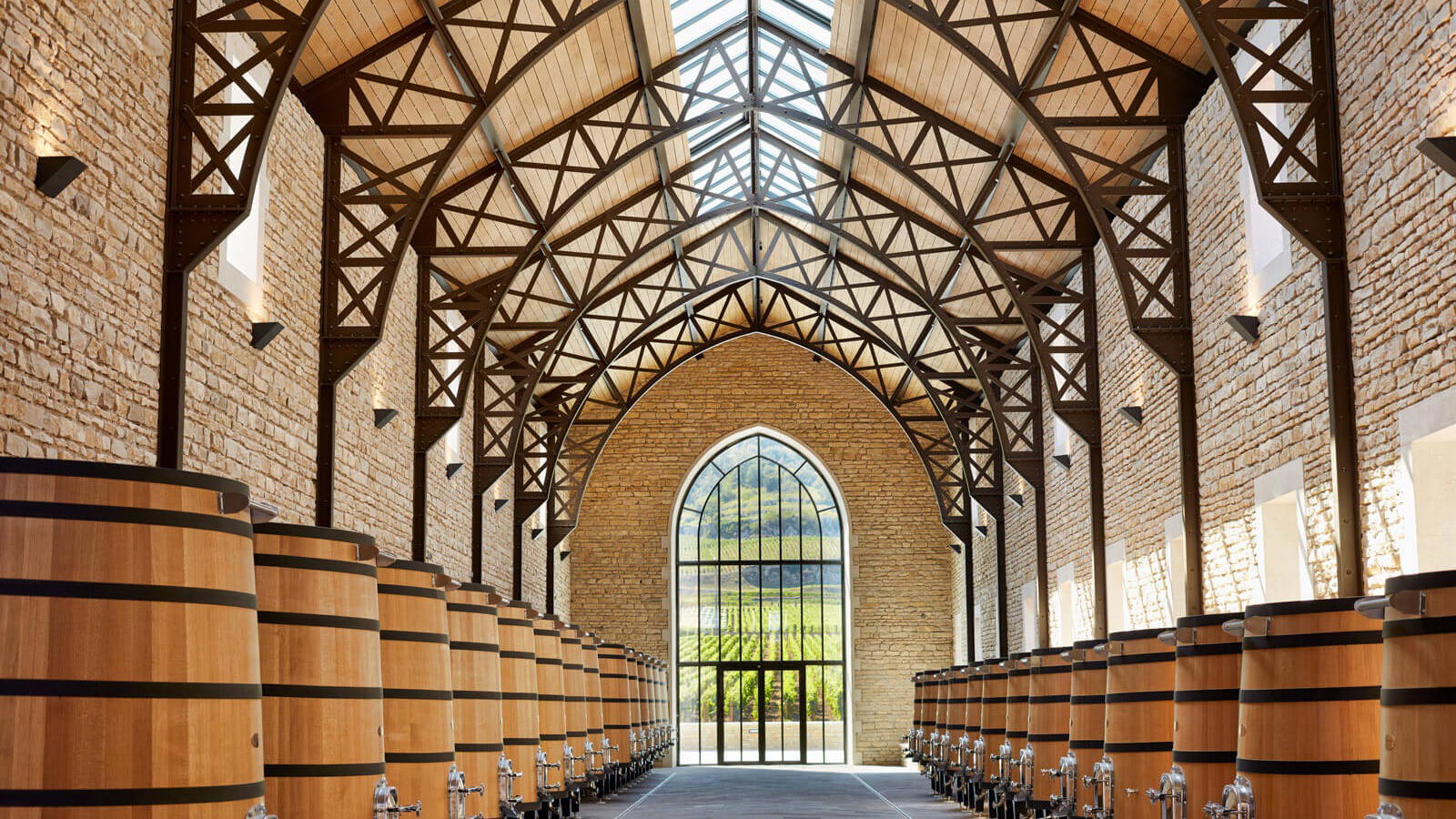
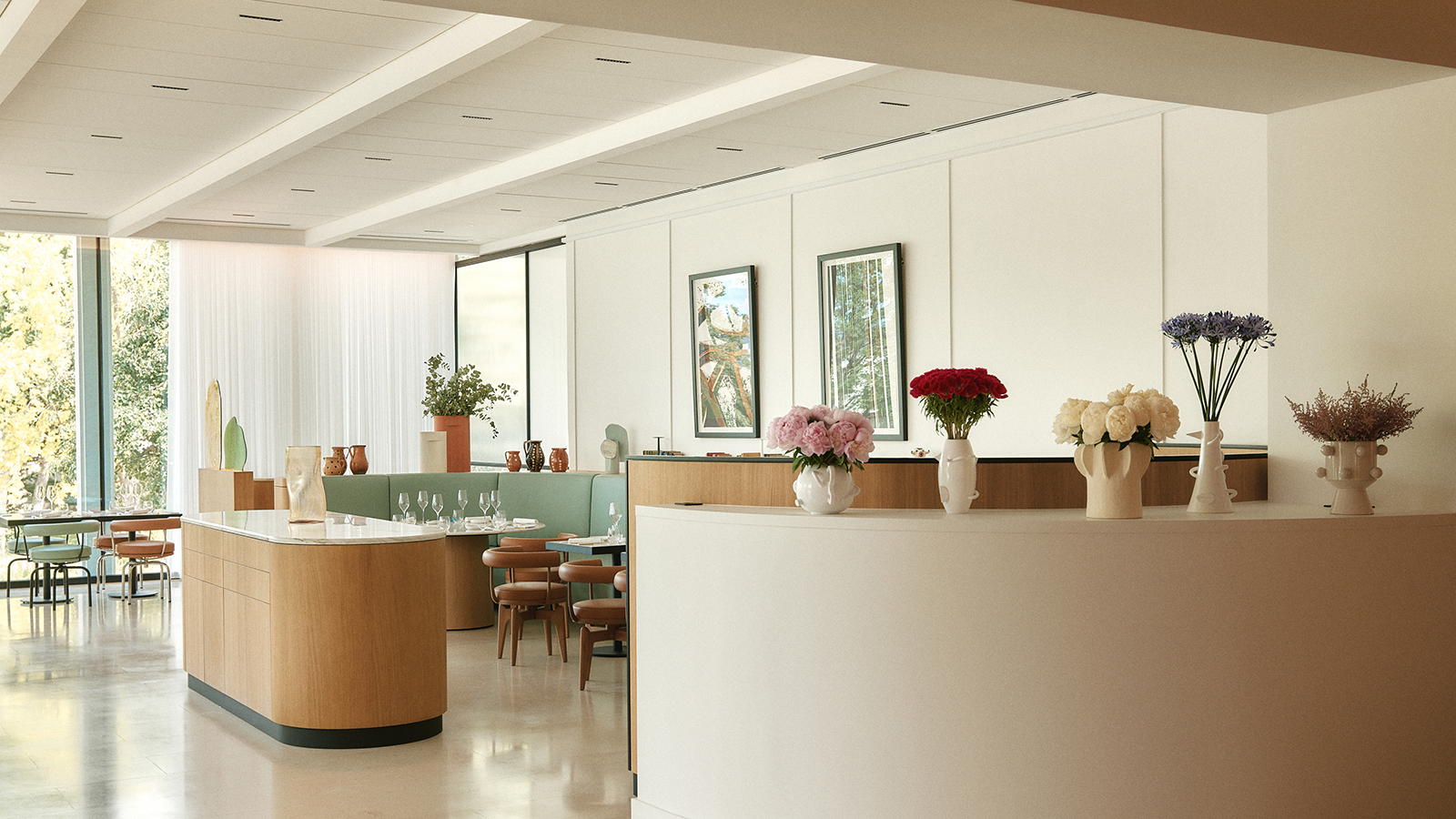
Elegant and sophisticated with marble-clad cellars and a serene, historic atmosphere.
Tags
Vibe
Best For
Experience
Sourcing
View
At the Vineyard
- Appellation
- Saint-Émilion Grand Cru AOC
- Varietals
- Merlot, Cabernet Franc, Cabernet Sauvignon
- Tour Duration
- 60-90 minutes
- Tour Languages
- French, English
- Visits
- By appointment only
- Farming
- Sustainable
- Wine Styles
- Still Red
- Wine Club
- Available
Know before you go
Know Before You Go
- Getting there
- 2 Pimpinelle, 33330 Saint-Émilion
Planning details
Location
Recognition and awards
Also consider
Also Consider
- Château Larcis Ducasse, Notable alternative
- Château La Gaffelière, Notable alternative
- Château Canon-la-Gaffeliere, Notable alternative
- Château Pavie Macquin, Notable alternative
- Chateau Ausone, Notable alternative
Winery context
How it compares in Saint-Émilion
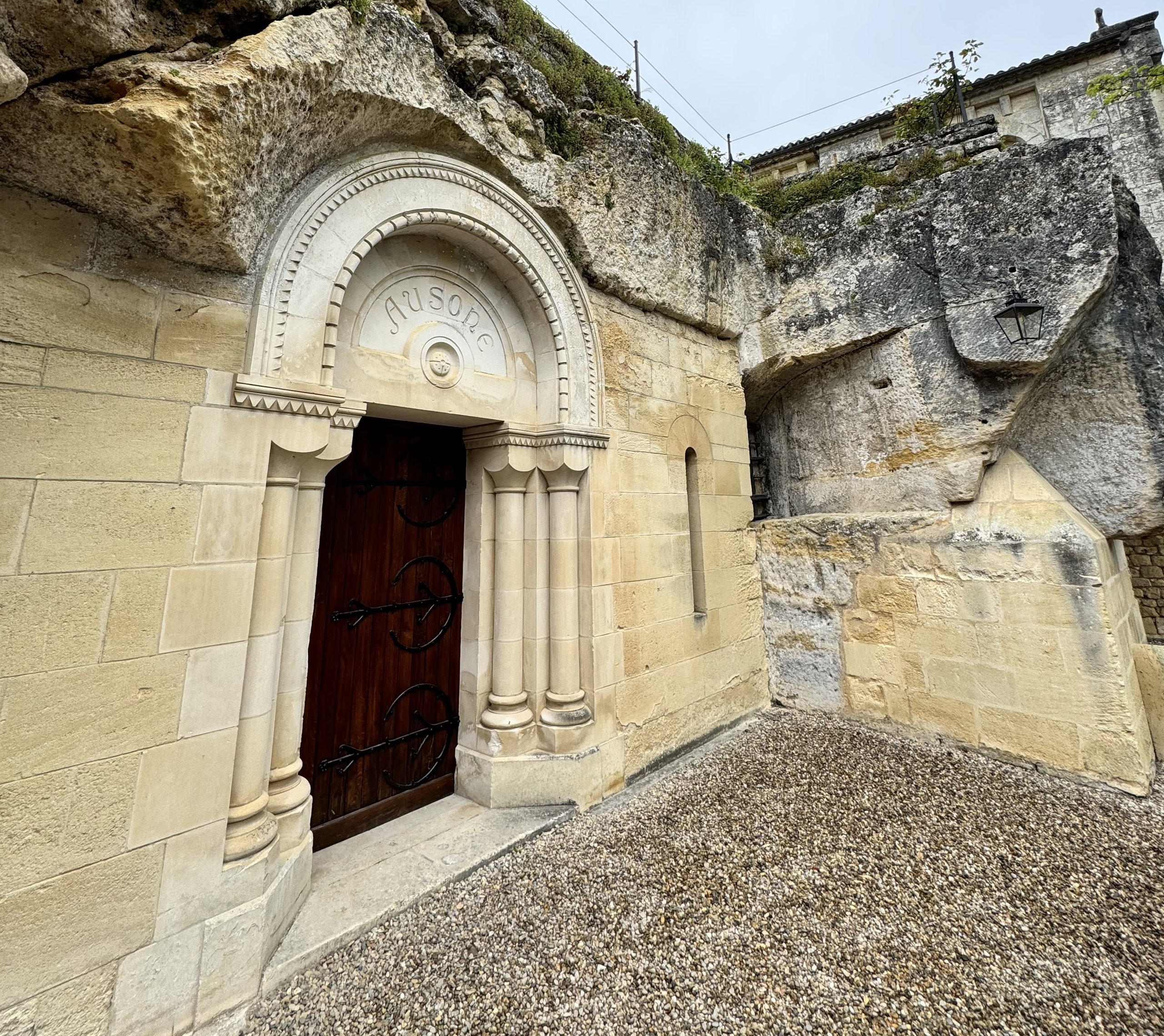
Choose Château Pavie when the visit is centered on prestige and the flagship bottle. Chateau Ausone is the sharper choice for travelers chasing the rarest-feeling Saint-Émilion appointment, while Château Larcis Ducasse reads as a better fit for visitors who want serious wine context without making the whole day feel like a trophy hunt.
Château La Gaffelière and Château Canon-la-Gaffeliere are more sensible cross-shops if ambiance and ease matter as much as cellar reputation. They are the names to check when the goal is a balanced Saint-Émilion day rather than a single high-stakes château stop.
Château Pavie Macquin is the closest conceptual alternative for readers who want a nearby comparison before committing budget or time. If only one booking is possible, pick Château Pavie for label weight and flagship focus; pick Pavie Macquin when the decision is driven by availability and a more comparative tasting route.
Explore Saint-Émilion
Around this place
Discover more on Pearl
Unlock the full Château Pavie guide in Pearl, including awards, comparisons, FAQs, planning details, and nearby places.
Compare Château Pavie
| Venue | Location | Awards |
|---|---|---|
| Château Pavie | Saint-Emilion | 2025 Pearl 4 Star Prestige |
| Château Larcis Ducasse | Saint-Emilion | 2026 Michelin 1 Grape - Bordeaux |
| Château La Gaffelière | Talence | 2026 Falstaff Winery Guide2025 Pearl 4 Star Prestige |
| Château Canon-la-Gaffeliere | Saint-Emilion | No published awards |
| Château Pavie Macquin | Saint-Emilion | No published awards |
| Chateau Ausone | Saint-Emilion | 2026 Michelin 2 Grapes - Bordeaux2025 Pearl 5 Star Prestige |


How Château Pavie Saint-Emilion compares with similar nearby venues.
FAQ
Frequently Asked Questions
How long should I plan for a visit to Château Pavie?
Plan your visit to Château Pavie directly with the venue before finalizing the rest of your day.
What should I know before visiting Château Pavie?
Château Pavie is in Saint-Emilion and has Pearl 4 Star Prestige (2025) recognition. Henri Parent is listed as chef/owner, and the dress code is smart casual.
What is the dress code at Château Pavie?
The dress code for Château Pavie is smart casual.
Does Château Pavie serve food?
Do not plan around a meal unless Château Pavie confirms the current offering directly.
Do I need a reservation at Château Pavie?
Contact Château Pavie directly to inquire about reservation requirements before visiting, especially if you are organizing a Saint-Emilion itinerary around it.