
Château Figeac
Saint-Emilion, Saint-Émilion
Winery in Saint-Émilion, France
 Book with Pearl
The Read
Gravel-Ridge Bordeaux Classicism
Why go
Château Figeac is worth targeting if the goal is a serious Saint-Émilion estate visit with historical depth, especially for travellers seeking a private or more focused tasting format. It is less suited to casual, flexible château-hopping. Put it high on the list if wine context matters more than ease.
About Château Figeac
Château Figeac is a Saint-Emilion venue. Marie-France Manoncourt and Frédéric Faye are associated with the venue, the dress code is smart casual, and Château Figeac holds Pearl 4 Star Prestige recognition for 2025. Travellers should use those points as the basis for planning.
Because practical details can change, it is wise to confirm arrangements directly before building an itinerary around Château Figeac. Treat it as a Saint-Emilion stop that may require advance planning, but do not assume any specific experience, service style, food offering, or visit format unless the venue confirms it.
Book for confirmed fit, not for assumed details
Château Figeac is best considered by travellers who specifically want to include this Saint-Emilion name in their plans and who are comfortable verifying details directly. The smart-casual dress code gives a useful baseline for how to present yourself, while the Pearl 4 Star Prestige recognition provides a quality signal within Pearl's guide.
Avoid planning around assumptions. If lunch, dinner, a tasting format, a private visit, a drinks programme, prices, opening hours, or dietary accommodation matter to the trip, contact the venue or check official channels before booking surrounding plans.
How to place it in a Saint-Emilion wine itinerary
For comparison planning, Château Figeac can be considered alongside Château Cheval Blanc, Chateau Beauregard, Château L'Évangile, Château La Conseillante, and Vieux Château Certan, depending on availability and the kind of itinerary a traveller is building. Keep those comparisons practical rather than assuming identical formats, access, or services across venues.
For most travellers, the right decision is simple: include Château Figeac if the name itself is a priority and the group is willing to confirm the details in advance. If the day depends on firm hours, food service, pricing, or a specific visit structure, verify those points before committing. For broader planning, use Our full Saint-Emilion wineries guide, then fill the rest of the trip with Our full Saint-Emilion restaurants guide, Our full Saint-Emilion hotels guide, Our full Saint-Emilion bars guide, and Our full Saint-Emilion experiences guide.
Planning details
- Location
- Château-Figeac, 3572 Route de Libourne, 33330 Saint-Émilion
- Website
- chateau-figeac.com
- Phone
- +33 5 57 24 72 26
The take
The Take
The Vibe
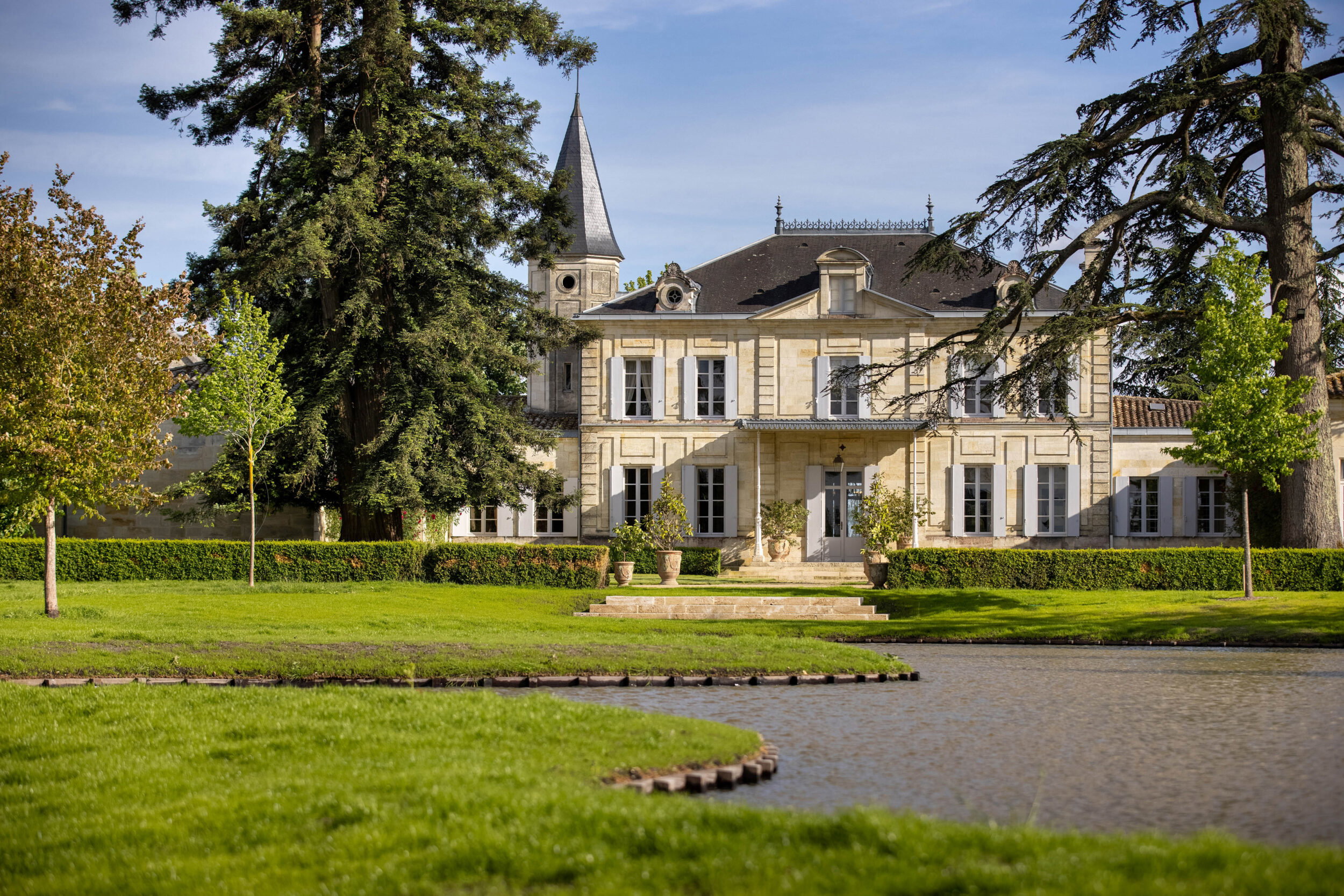
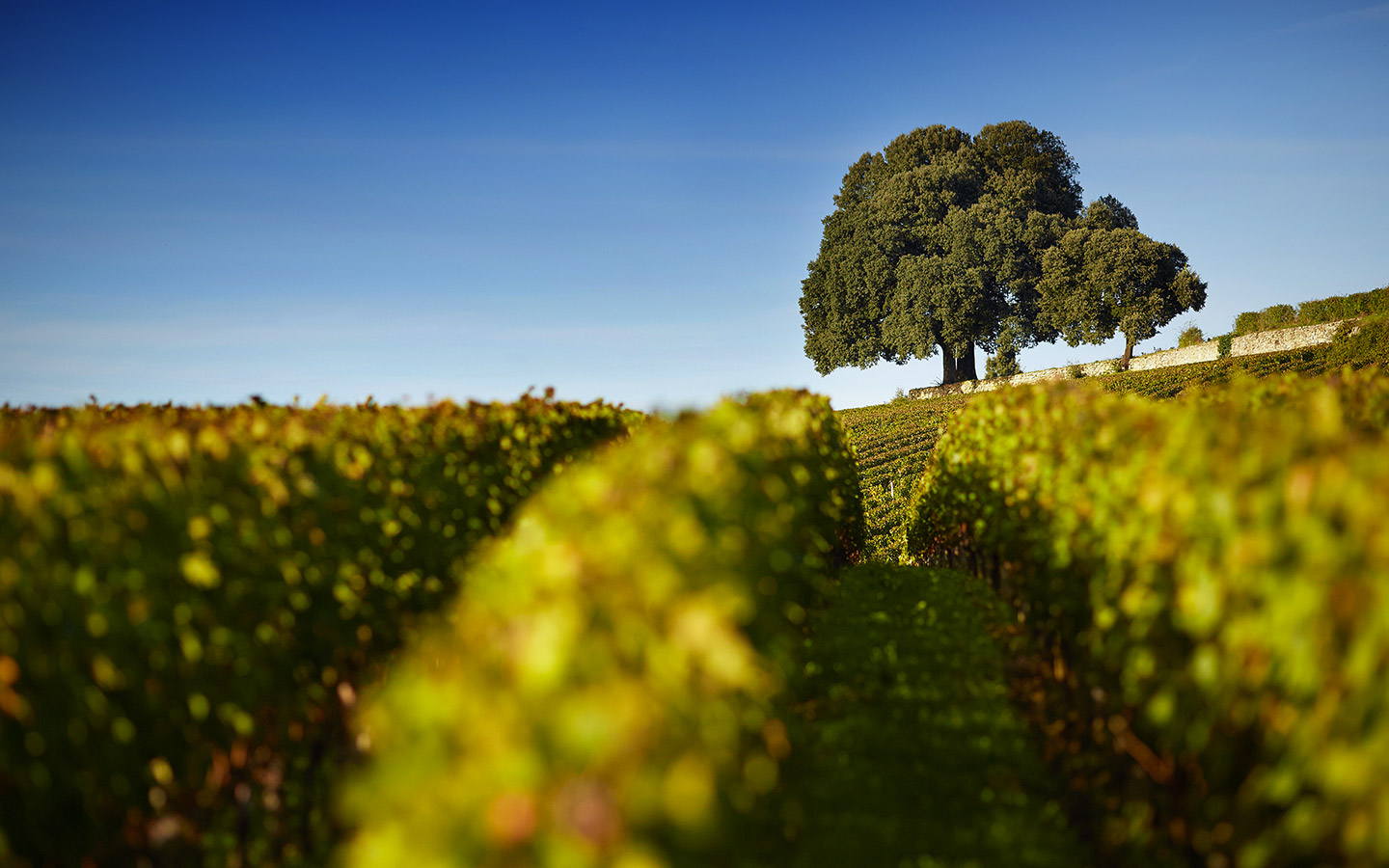
Château Figeac reads like a living chapter of Saint-Émilion history. The narrative centres on terroir — a gravel-rich ridge that sets the estate apart from the appellation’s clay-limestone majority — and a documented winemaking lineage reaching back to 1776. The writing emphasizes pedigree and geological specificity rather than contemporary gimmicks: this is an old-school, prestige-minded property where soil, placement on the western edge of Saint-Émilion and long-term cellar track records define character. Visitors and readers encounter a place that feels anchored in tradition, gravitas and the landscape that produces its structured, aromatic wines.
Best For
This estate is best for people drawn to terroir-driven study and collectible, Right Bank wines. Figeac appeals to collectors assessing allocation-grade bottles, students of Bordeaux geology tracking how gravel influences structure and aroma, and travelers seeking a historically significant château in the Saint-Émilion cluster. The emphasis on documented provenance and prestige positioning makes it a natural stop for those treating a visit as part research, part tasting itinerary rather than a quick, casual stop.
Tasting Tips
When looking at Château Figeac, pay attention to the estate’s gravel-dominant parcels and vintage-based discussions of structure and aromatics. Seek out recent tasting notes and allocation guidance—the text flags the domaine’s placement in the ‘prestige segment’ of the Right Bank collector market, so provenance and vintage quality matter for long-term value. Ask about how the gravel-rich ridge shapes each vintage and how bottles have evolved in the cellar; these are the factors most clearly tied to Figeac’s reputation and potential.
Venue details
Ambiance
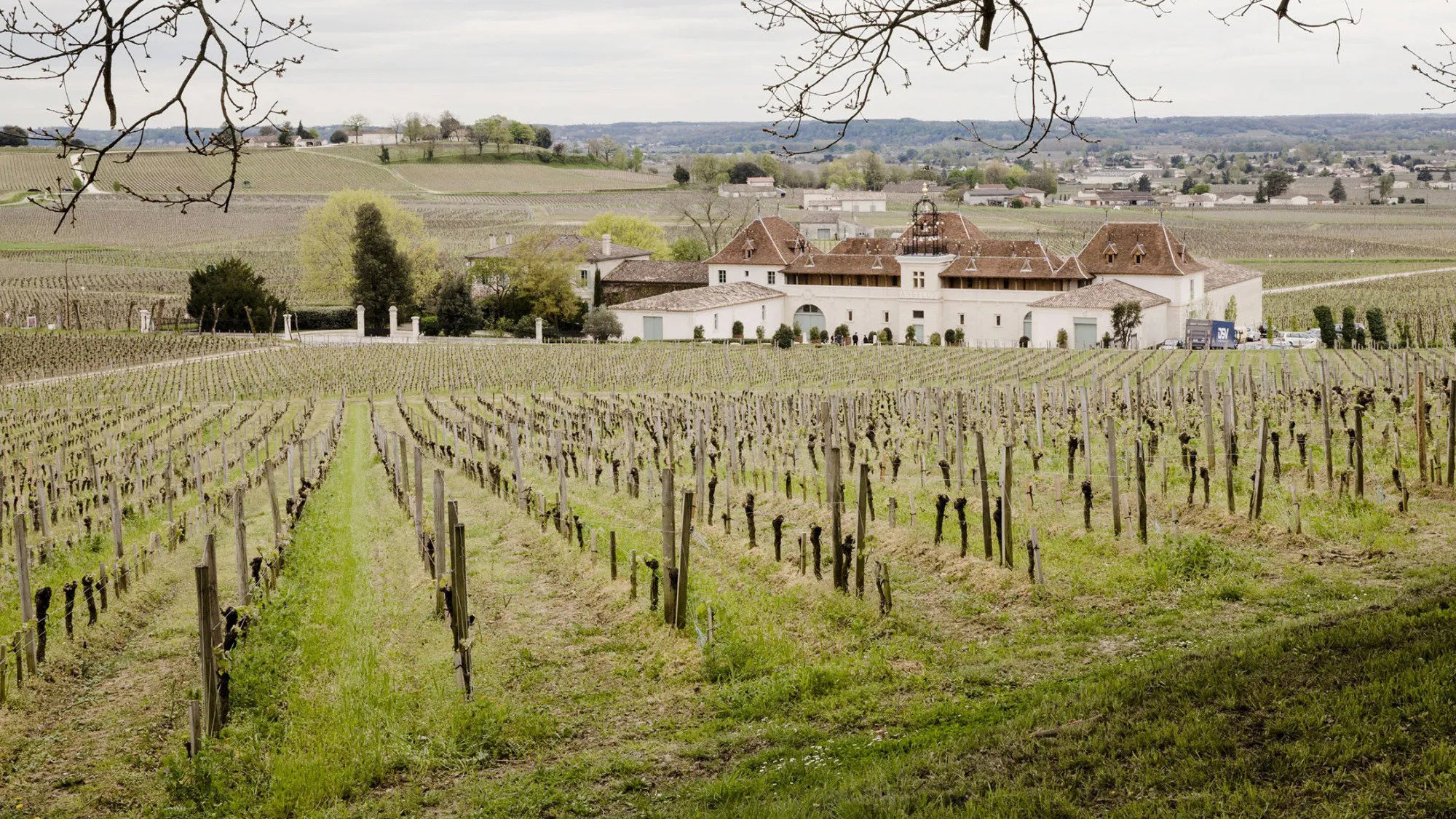
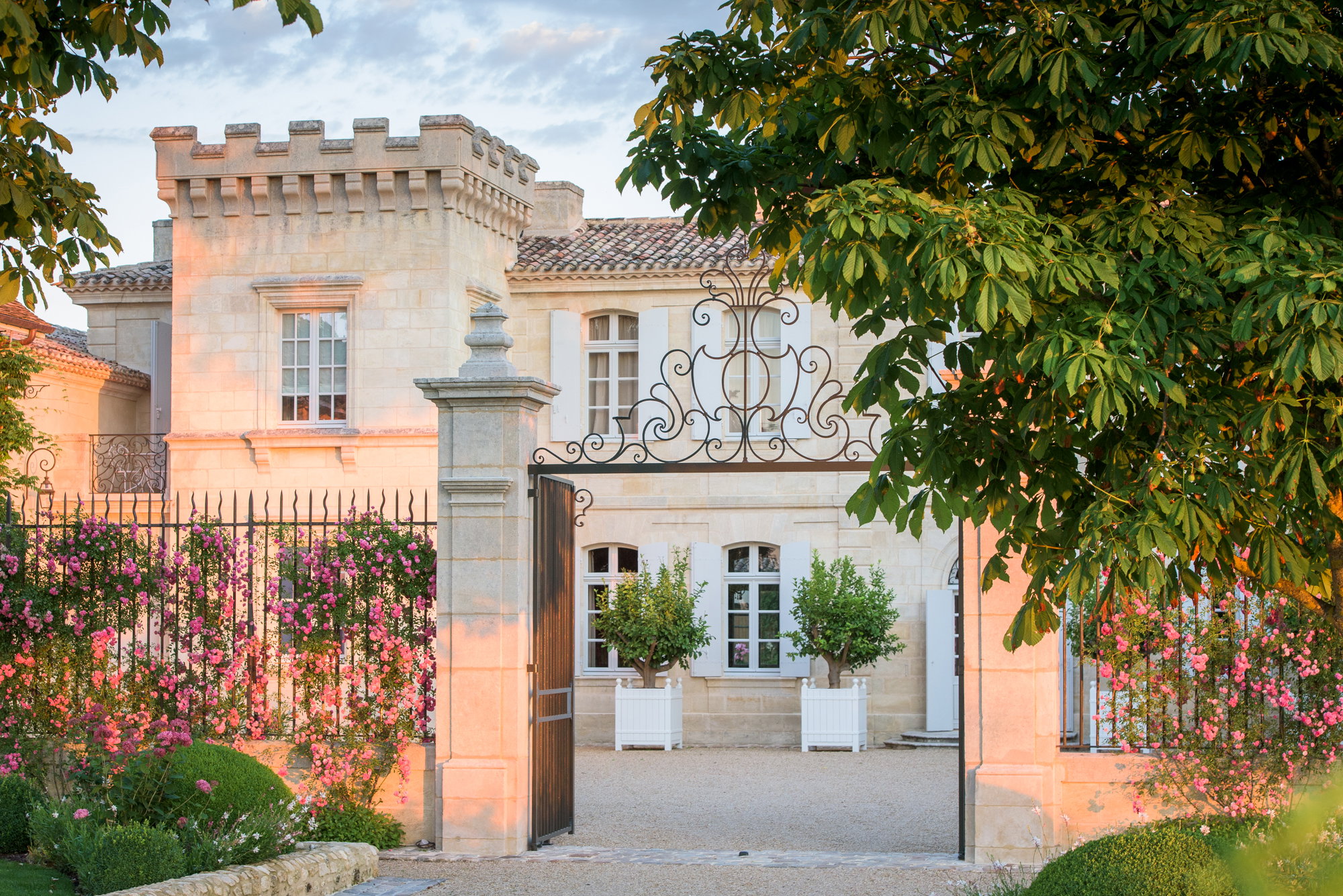
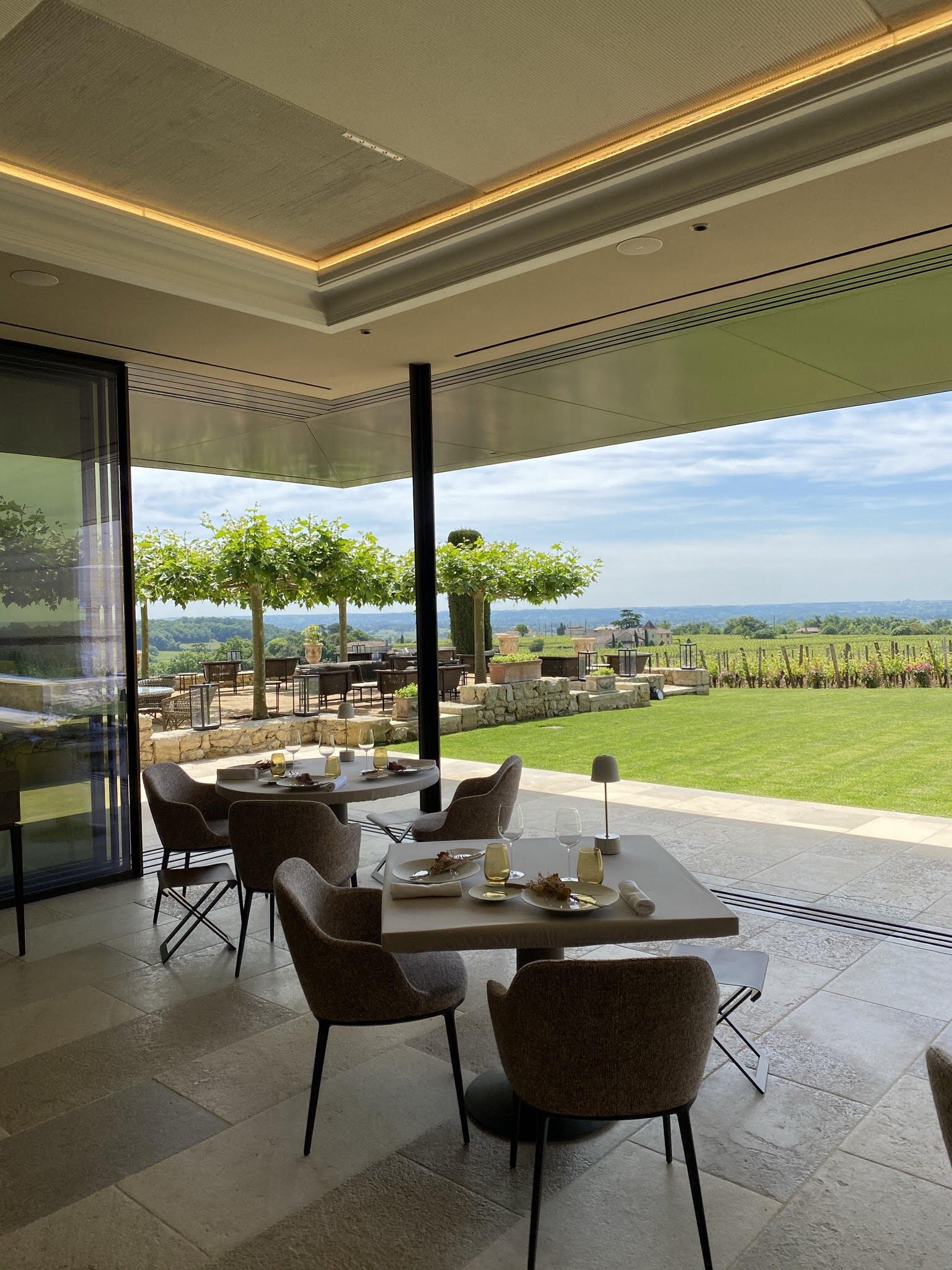
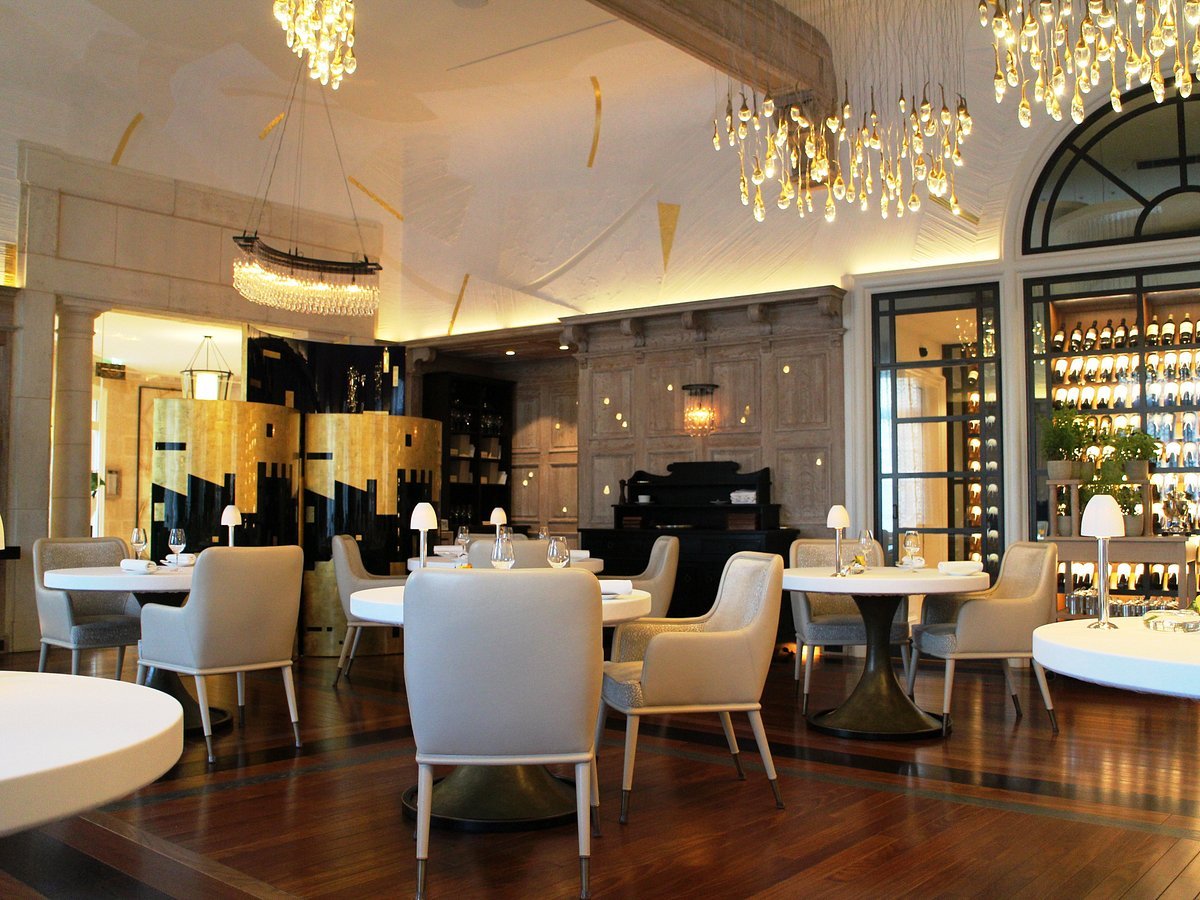
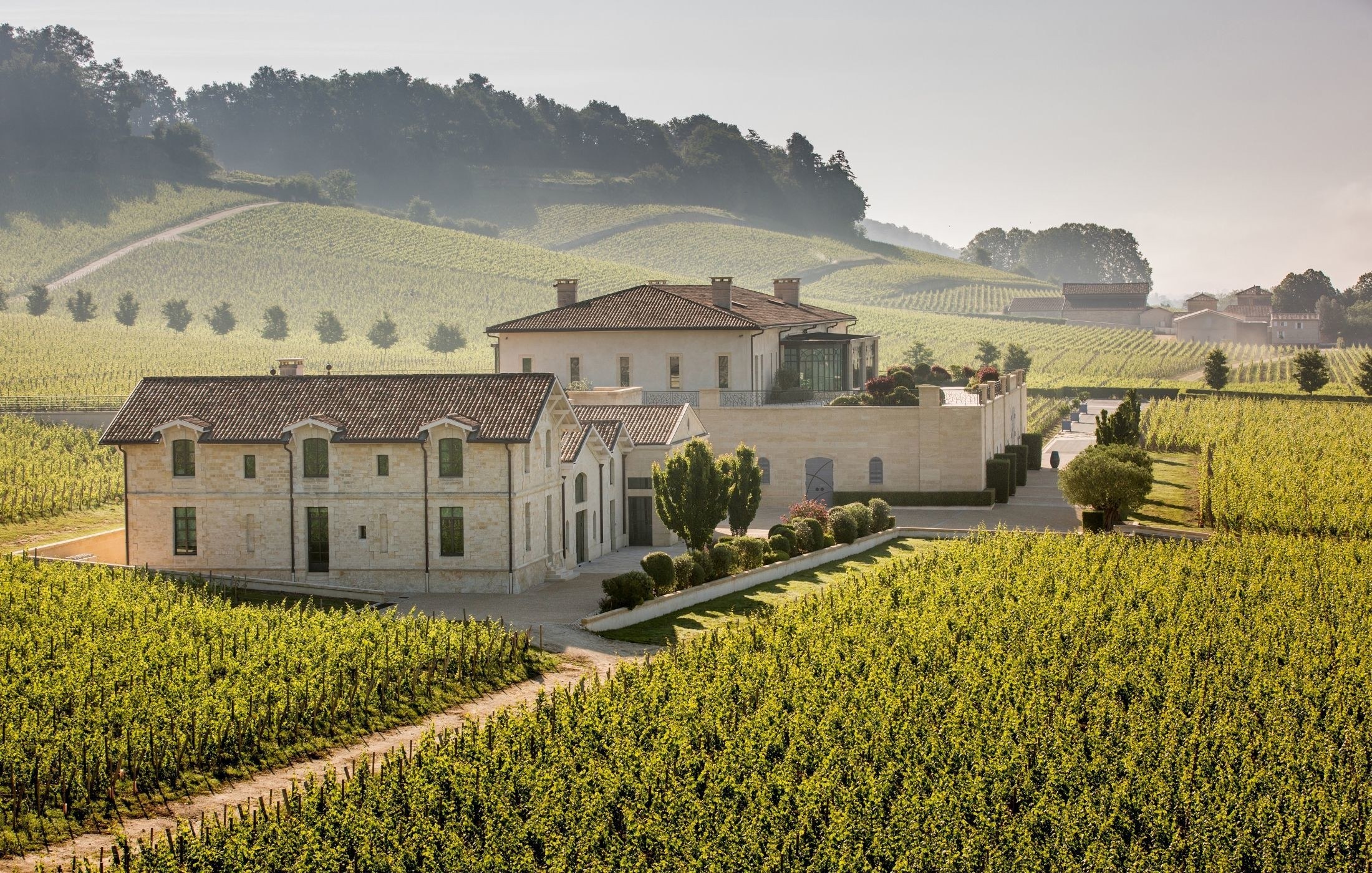
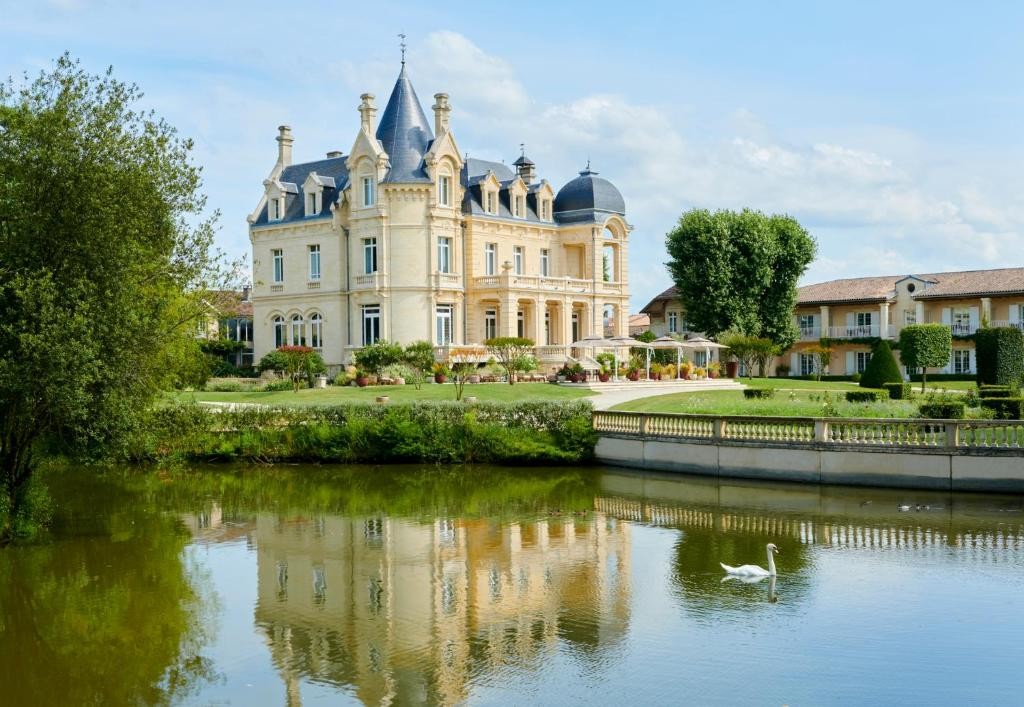
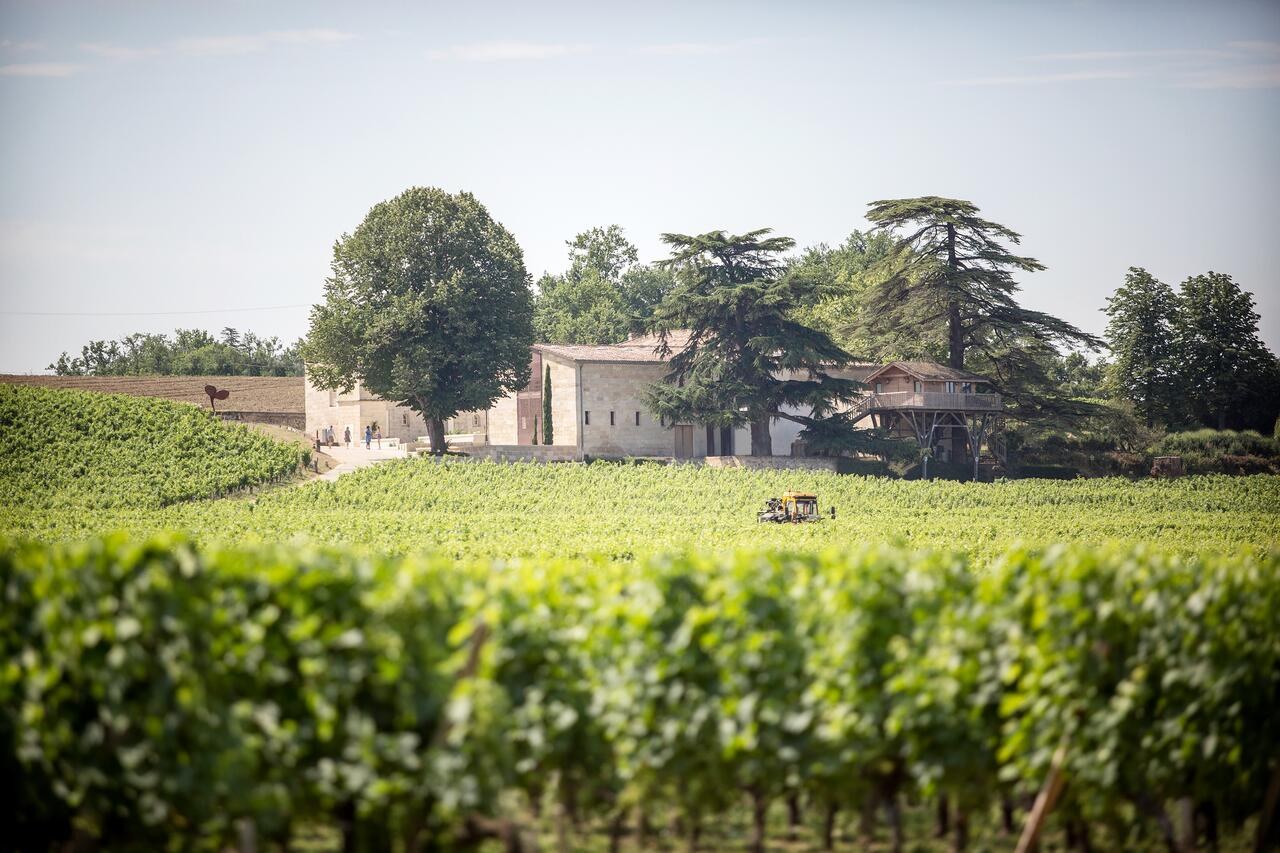
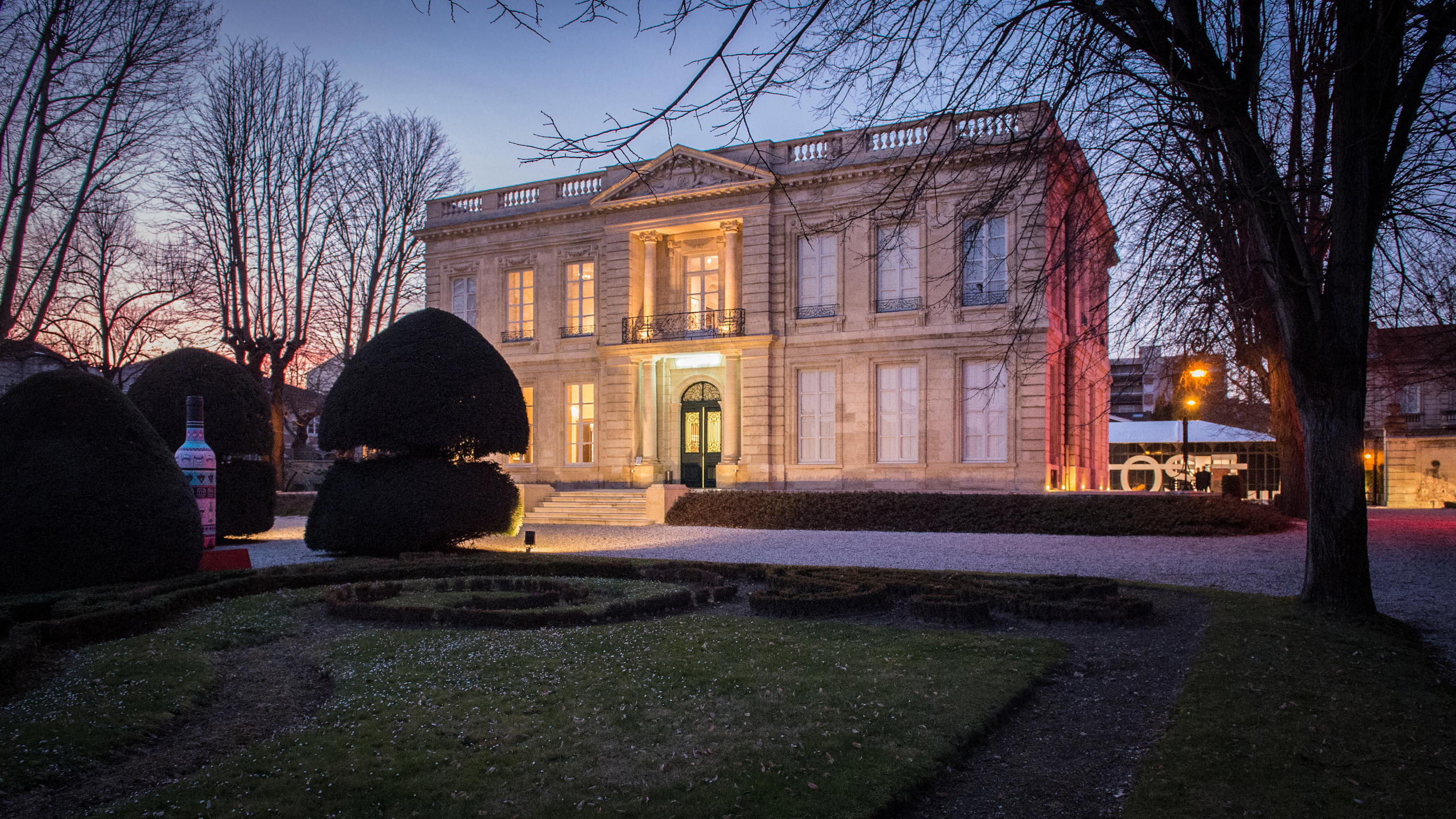
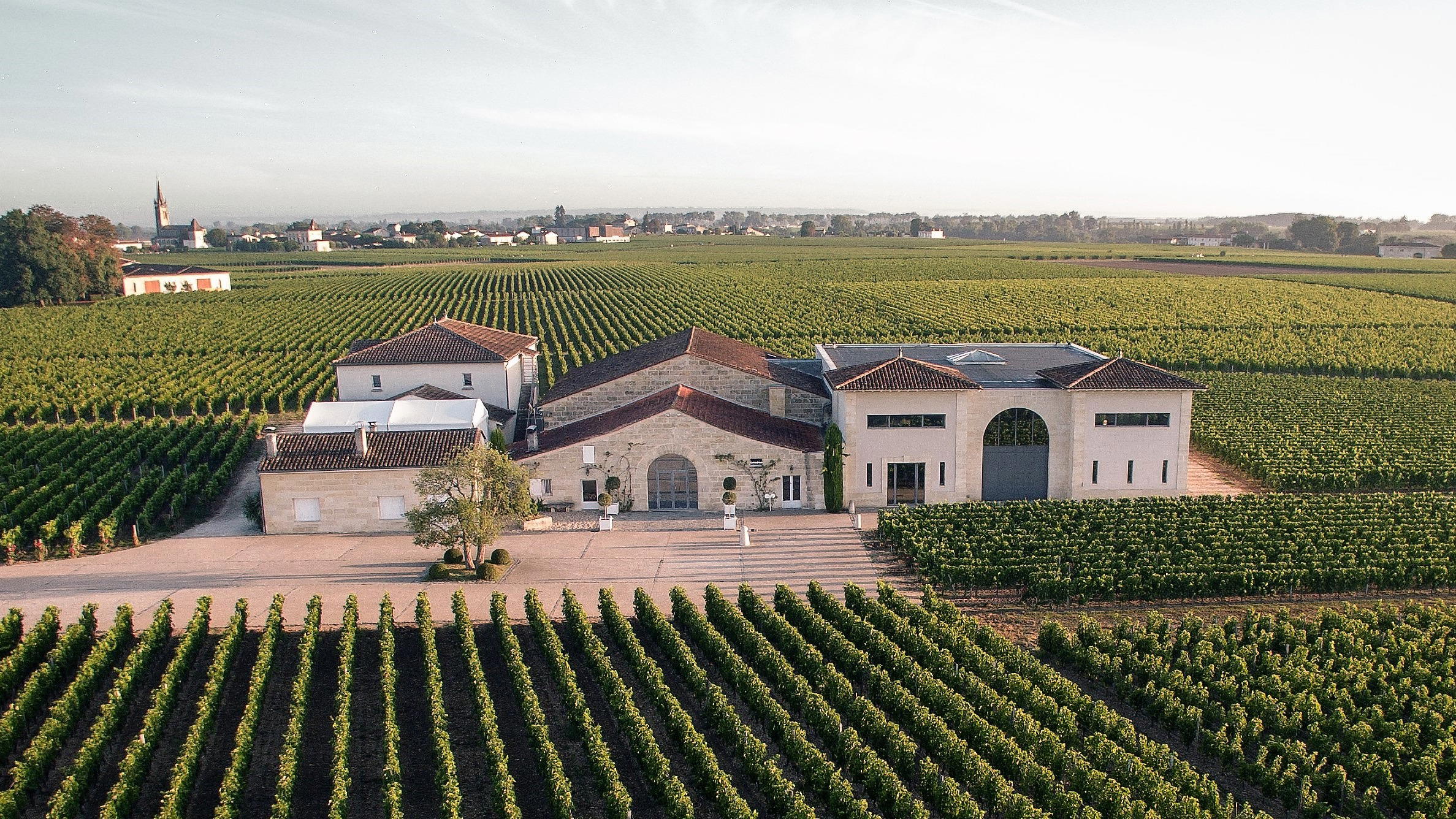
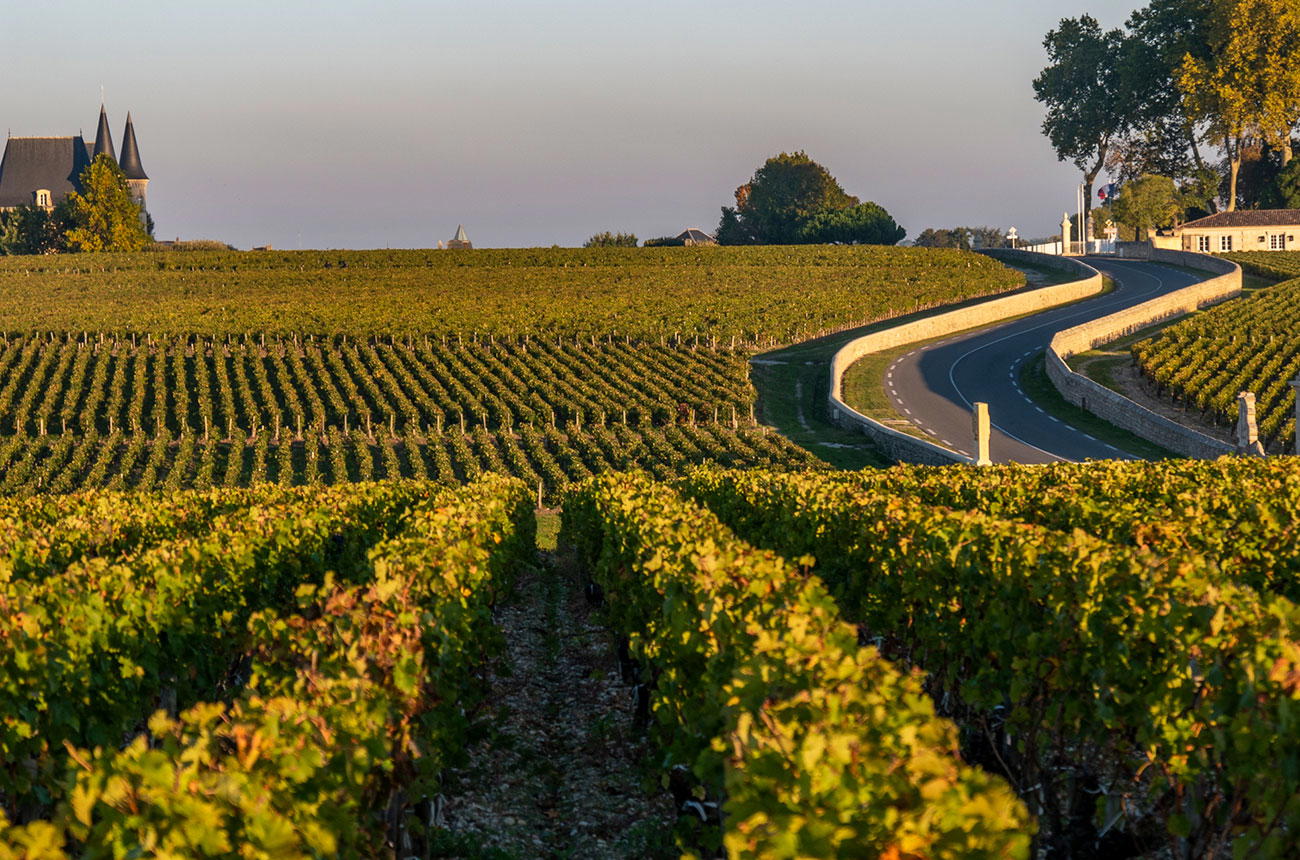
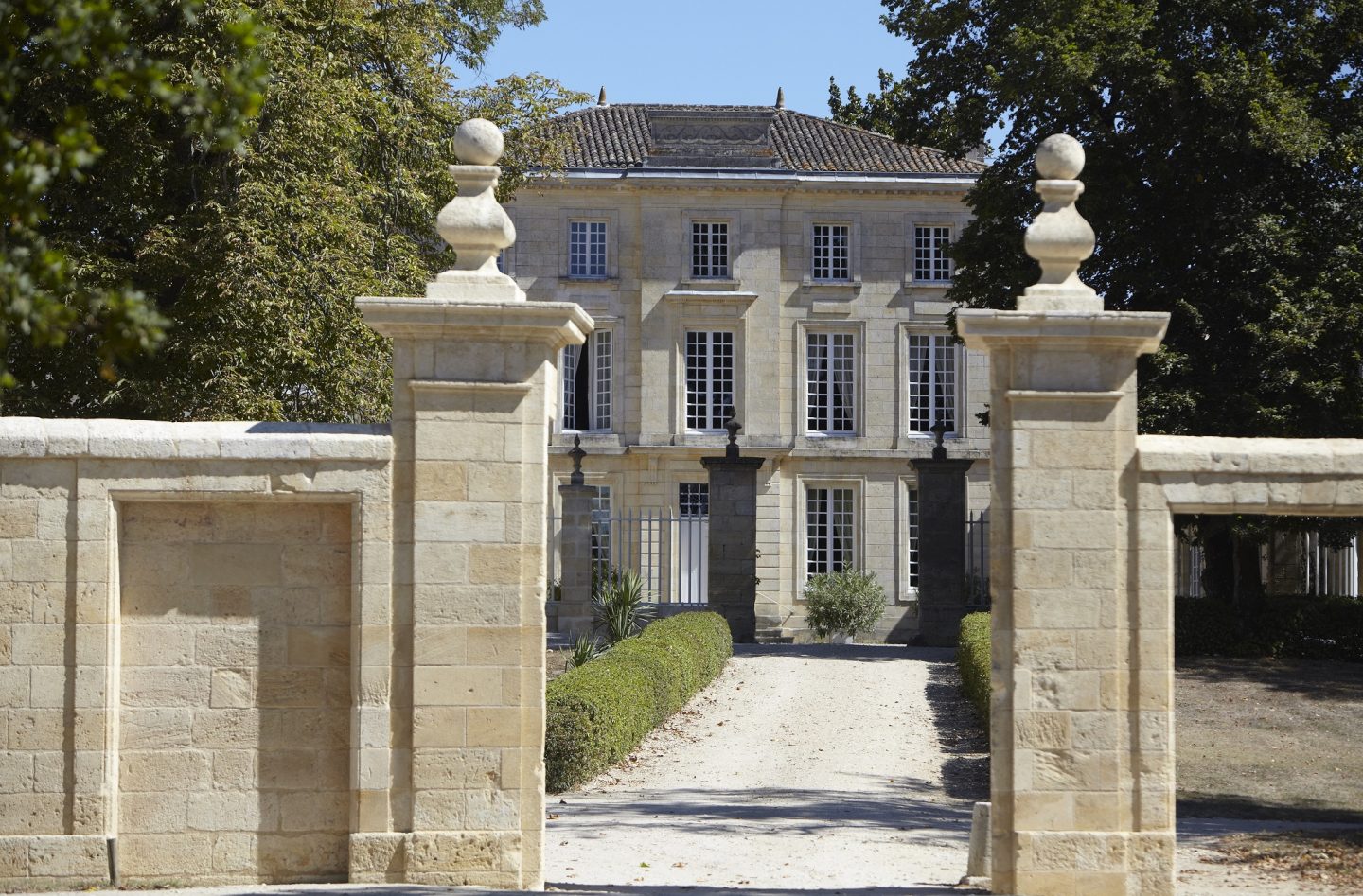
Elegant and refined atmosphere in a Renaissance-style chateau surrounded by ancient ruins and expansive vineyards, evoking timeless sophistication.
Tags
Vibe
Best For
Experience
View
At the Vineyard
- Appellation
- Saint-Emilion Grand Cru
- Varietals
- Cabernet Sauvignon, Cabernet Franc, Merlot
- Tour Duration
- 60-90 minutes
- Tour Languages
- English, French
- Visits
- By appointment only
- Wine Styles
- Still Red
- Wine Club
- Available
Know before you go
Know Before You Go
- Getting there
- Château-Figeac, 3572 Route de Libourne, 33330 Saint-Émilion
Planning details
Location
Château-Figeac, 3572 Route de Libourne, 33330 Saint-Émilion · Directions
Recognition and awards
Also consider
Where to Look If This Is Too Hard to Arrange
If access is the issue, start with Chateau Beauregard; it is the more practical fallback for a Saint-Émilion château day. If the goal is a higher-prestige comparison and planning effort is not a problem, try Château Cheval Blanc instead.
Winery context
How It Compares
Choose Château Figeac if the priority is a serious Saint-Émilion visit with historical depth and a clear estate identity. Château Cheval Blanc is the higher-profile cross-shop for travellers chasing prestige, but it is also the tougher play for access. For a trip where the booking itself should not dominate the itinerary, Chateau Beauregard is the more practical alternative.
Château La Conseillante and Vieux Château Certan are better if the goal is to compare Saint-Émilion with the neighbouring Pomerol feel rather than stay focused on one appellation identity. Château L'Évangile also suits travellers building a Right Bank comparison day, especially when the itinerary is about contrast rather than a single destination.
For value of time, Figeac makes sense when it is treated as the anchor visit. If the group wants an easier booking and a lower-pressure château day, start with Beauregard. If the group wants the prestige-heavy route, compare availability with Cheval Blanc first, then use Figeac as the more context-driven Saint-Émilion target.
Explore Saint-Émilion
Around this place
Discover more on Pearl
Unlock the full Château Figeac guide in Pearl, including awards, comparisons, FAQs, planning details, and nearby places.
Compare Château Figeac
| Venue | Location | Awards |
|---|---|---|
| Château Figeac | Saint-Emilion | 2026 Michelin 3 Grapes - Bordeaux2025 Pearl 4 Star Prestige |
| Château Cheval Blanc | Saint-Emilion | 2026 Michelin 3 Grapes - Bordeaux2025 Pearl 5 Star Prestige |
| Chateau Beauregard | Saint-Emilion | No published awards |
| Château L'Évangile | Pomerol | 2026 Michelin 1 Grape - Bordeaux2026 Falstaff Winery Guide |
| Château La Conseillante | Saint-Emilion | 2026 Michelin 3 Grapes - Bordeaux2026 Falstaff Winery Guide2025 Pearl 4 Star Prestige |
| Vieux Château Certan | Pomerol | 2026 Michelin 2 Grapes - Bordeaux2026 Falstaff Winery Guide2025 Pearl 4 Star Prestige |



How Château Figeac Saint-Emilion compares with similar nearby venues.
FAQ
Frequently Asked Questions
Does Château Figeac serve food?
Food service is not specified for Château Figeac. Do not assume lunch, dinner, snacks, dietary accommodation, take-out, or delivery unless the venue confirms those details directly.
What is Château Figeac known for?
Château Figeac is a Saint-Emilion venue associated with Marie-France Manoncourt and Frédéric Faye. It holds Pearl 4 Star Prestige recognition for 2025, and the dress code is smart casual.
Where is Château Figeac located?
Château Figeac is located in Saint-Emilion.