



Château Cheval Blanc
Saint-Emilion, Saint-Émilion
Winery in Saint-Émilion, France
 Book with Pearl
The Read
Cabernet Franc Dominance
Why go
Château Cheval Blanc is a wine estate in Saint-Émilion, Bordeaux.
About Château Cheval Blanc
Château Cheval Blanc is a Saint-Emilion venue with Pearl 5 Star Prestige recognition for 2025. Pierre-Olivier Clouet is listed as chef/owner, and the dress code is smart casual. For wider trip planning, use Our full Saint-Emilion wineries guide first, then round out the stay with Our full Saint-Emilion restaurants guide, Our full Saint-Emilion hotels guide, Our full Saint-Emilion bars guide, and Our full Saint-Emilion experiences guide.
Keep Château Cheval Blanc high on a Saint-Emilion shortlist for its Prestige recognition. Beyond that, avoid assuming a particular tasting structure, menu, purchase process, visit length, or hospitality format unless the venue confirms it for your date.
Travellers comparing recognised names can look at Chateau Beauregard, Château Figeac, Château L'Évangile, Château La Conseillante, Vieux Château Certan, and other Saint-Emilion options as part of a broader plan. Château Cheval Blanc makes the most sense when you want a Prestige-recognised Saint-Emilion stop and are willing to verify the practical details in advance.
How to build the rest of the wine itinerary around it
Do not make assumptions about access or services until they are confirmed. If Château Cheval Blanc is central to the trip, anchor the day around the details you receive, then add other venues only where timing and logistics are clear.
For comparison planning, Chateau Beauregard, Château Figeac, Château L'Évangile, Château La Conseillante, and Vieux Château Certan are names to consider alongside Château Cheval Blanc. Keep the schedule flexible, dress smart casual, and confirm the current visitor information directly with each venue before committing to the day.
Planning details
- Location
- 1352 route de Pomerol, 33330 Saint-Émilion
- Website
- chateau-cheval-blanc.com
- Phone
- +33 5 57 55 55 55
The take
The Take
The Vibe
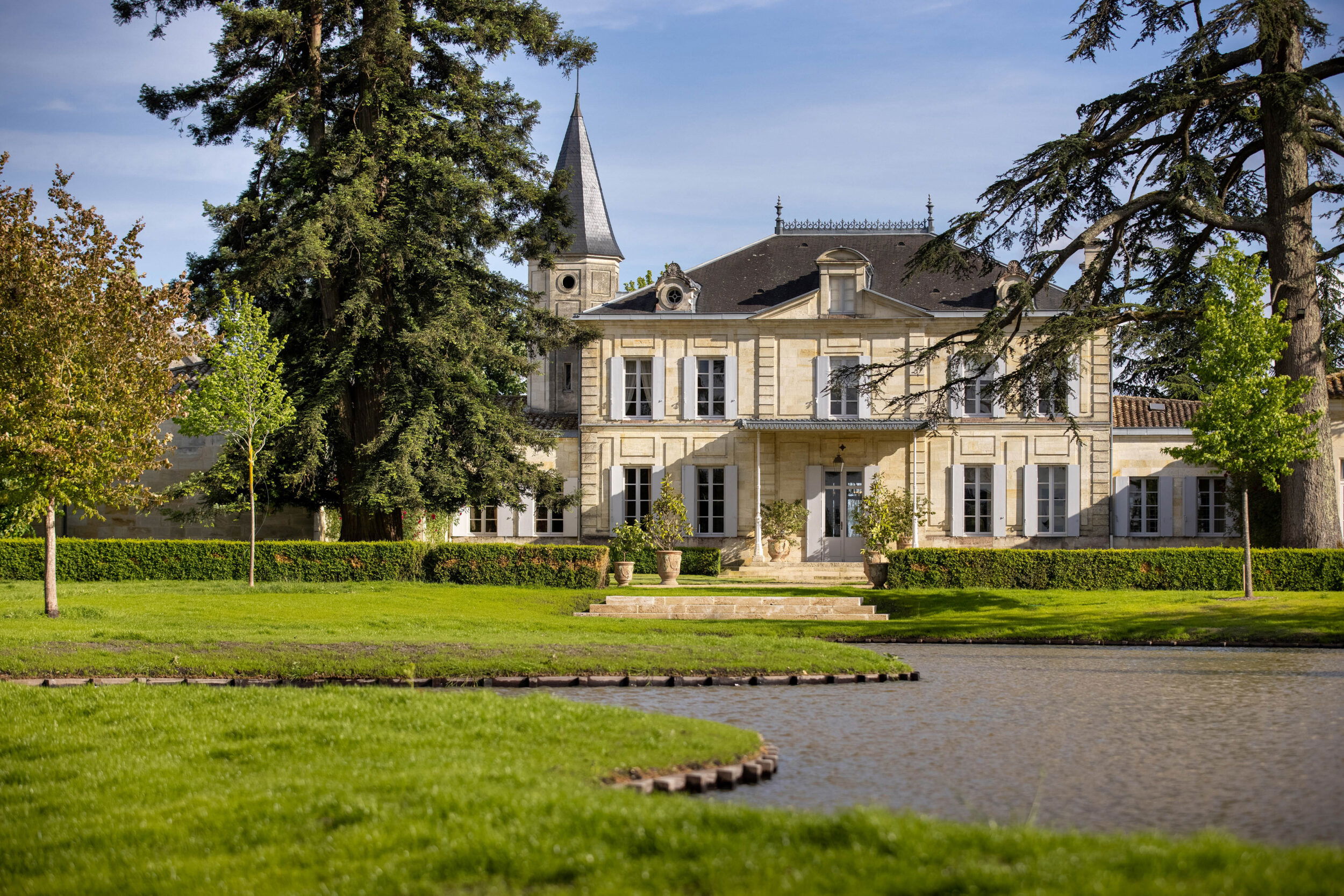
Château Cheval Blanc feels rooted in history and place. The estate’s two-century record and original 1821 vintage give the property a palpable historical gravitas, while the gravel drive and the meeting of limestone plateau and clay-gravel soils create a striking, scenic arrival. The setting reads like classic Bordeaux — an old, carefully tended estate where terroir is visible in the landscape as much as tasted in the glass. Visitors encounter an atmosphere that is quietly grand: storied, restrained and meticulously maintained rather than flashy, with the land itself doing much of the talking.
Best For
This is a destination for people who come to learn about terroir and taste world-class Bordeaux. The estate’s long history and the distinct soil boundary that defines its wines make it especially rewarding for wine education — critics and enthusiasts alike come to understand how Cabernet Franc and place shape the final blend. It also suits special occasions: the château’s reputation and recognition, including a recent EP Club Pearl accolade, make visits feel like a considered celebration or a milestone tasting rather than a casual stop.
Tasting Tips
Prioritize wines that showcase Cheval Blanc’s defining elements: ask for bottles or tastings that highlight the estate’s high proportion of Cabernet Franc and its expression on the clay-gravel soils. When available, taste the estate’s flagship blends and compare vintages to feel how the site’s latitude and soils influence structure and aromatics. Don’t hesitate to ask staff about the estate’s history and how long-term planting decisions shaped today’s style — the description explicitly connects the domaine’s multi-generational choices to the wines you’ll be offered.
Venue details
Ambiance
Elegant and sophisticated with modern architectural elements blending historic château and contemporary winery amid vineyard surroundings.
Tags
Vibe
Best For
Experience
View
At the Vineyard
- Appellation
- Saint-Emilion Grand Cru
- Varietals
- Cabernet Franc, Merlot, Cabernet Sauvignon
- Tour Duration
- 60-90 minutes
- Visits
- By appointment only
- Wine Styles
- Still Red
- Wine Club
- Available
Know before you go
Know Before You Go
- Getting there
- 1352 route de Pomerol, 33330 Saint-Émilion
Planning details
Location
Recognition and awards

Also consider
If access does not work
Try Château Figeac first for a serious Saint-Émilion alternative with comparable itinerary weight. Choose Chateau Beauregard if the priority is a less pressured winery stop that keeps the day flexible.
Winery context
How it compares in Saint-Émilion and nearby Pomerol
Château Cheval Blanc is the harder, more allocation-minded choice: book it if the point of the trip is understanding a benchmark Saint-Émilion name and deciding whether the flagship wine belongs in the cellar. Château Figeac is the closest Saint-Émilion comparison for travellers who want another serious estate with strong name recognition, while Château La Conseillante and Château L'Évangile pull the itinerary toward Pomerol-style comparison rather than a purely Saint-Émilion day.
For value and booking pragmatism, Chateau Beauregard is the more sensible fallback if the trip needs a smoother winery stop with less pressure around access. Vieux Château Certan is the sharper cross-shop for collectors who care about scarcity and bottle reputation more than convenience, though it is not the easier substitute.
The practical recommendation: try Château Cheval Blanc first only if the itinerary can absorb a difficult booking outcome. If not, build a two-estate day around Château Figeac plus Chateau Beauregard, or shift the comparison toward Château La Conseillante and Château L'Évangile for a Pomerol-leaning read on the area.
Explore Saint-Émilion
Around this place
Discover more on Pearl
Unlock the full Château Cheval Blanc guide in Pearl, including awards, comparisons, FAQs, planning details, and nearby places.
Compare Château Cheval Blanc
| Venue | Location | Awards |
|---|---|---|
| Château Cheval Blanc | Saint-Emilion | 2026 Michelin 3 Grapes - Bordeaux2025 World's 50 Best Vineyards · #322025 Pearl 5 Star Prestige |
| Château L'Évangile | Pomerol | 2026 Michelin 1 Grape - Bordeaux2026 Falstaff Winery Guide |
| Château La Conseillante | Saint-Emilion | 2026 Michelin 3 Grapes - Bordeaux2026 Falstaff Winery Guide2025 Pearl 4 Star Prestige |
| Château Figeac | Saint-Emilion | 2026 Michelin 3 Grapes - Bordeaux2025 Pearl 4 Star Prestige |
| Chateau Beauregard | Saint-Emilion | No published awards |
| Vieux Château Certan | Pomerol | 2026 Michelin 2 Grapes - Bordeaux2026 Falstaff Winery Guide2025 Pearl 4 Star Prestige |



How Château Cheval Blanc compares with similar nearby venues.
FAQ
Frequently Asked Questions
Can Château Cheval Blanc handle large groups?
Contact Château Cheval Blanc directly and confirm whether your group size can be accommodated in Saint-Emilion.
How long should I plan for a visit to Château Cheval Blanc?
What details are for Château Cheval Blanc?
The listed details are the Saint-Emilion location, Pierre-Olivier Clouet as chef/owner, smart casual dress code, and Pearl 5 Star Prestige recognition for 2025. Specific product, access, or service details should be confirmed directly with the venue.
Should I compare Château Cheval Blanc with other venues?
Yes, for itinerary planning you can compare details with other names such as Château Figeac and Vieux Château Certan. Avoid assuming services, access, or formats until each venue confirms them for your date.
How should I confirm practical arrangements at Château Cheval Blanc?
Confirm any visit, purchase, collection, or other on-site details directly with Château Cheval Blanc before relying on them. If logistics are central to your decision, you can also compare processes with Château L'Évangile and Château La Conseillante.
Does Château Cheval Blanc serve food?
Do not assume dining, snacks, or a particular hospitality format unless Château Cheval Blanc confirms it directly. If food is important to your Saint-Emilion day, plan a separate confirmed dining option.