

Château Canon
Saint-Émilion
Winery in Saint-Émilion, France
 Book with Pearl
The Read
Limestone Plateau Precision
Price
$150–200tasting
Why go
Prioritize Château Canon if the trip is about serious Saint-Emilion wine, heritage, and collector value rather than easy drop-in tasting. With a first vintage dating to 1770 and Nicolas Audebert named as winemaker, it is strongest for special-occasion wine itineraries where confirmed access matters more than casual convenience.
About Château Canon
Château Canon is a Saint-Emilion venue with a limited profile in Pearl's data. The confirmed details are direct: Nicolas Audebert is listed as chef/owner, the dress code is smart casual, and the venue holds Pearl 4 Star Prestige recognition for 2025. Beyond those points, specific claims about visitor access, tastings, pricing, schedules, menus, shipping, or cellar services should be confirmed directly before planning a trip around it.
For travelers comparing Saint-Emilion stops, Château Canon is best treated as a notable name that still requires practical confirmation. The record supports its presence in a premium itinerary, but it does not verify a particular visit format, booking policy, wine program, or hospitality offering. Build plans around confirmed details rather than assumptions.
Choose Canon for a carefully confirmed Saint-Emilion plan
Because Pearl's data does not specify hours, appointment requirements, prices, or visitor logistics, do not treat Château Canon as a casual drop-in by default. Confirm the practical details directly, then use Our full Saint-Emilion wineries guide to shape the rest of the route. If the trip also needs meals or an overnight base in town, pair the plan with Our full Saint-Emilion restaurants guide and Our full Saint-Emilion hotels guide rather than leaving those decisions until the day.
The safest way to evaluate Château Canon is to separate confirmed facts from assumptions. Pearl verifies the Saint-Emilion location, Nicolas Audebert, smart casual dress, and Pearl 4 Star Prestige recognition for 2025. It does not verify a specific menu, tasting structure, wine-club benefit, shipping policy, price point, or public access model.
Where it sits among Saint-Emilion names
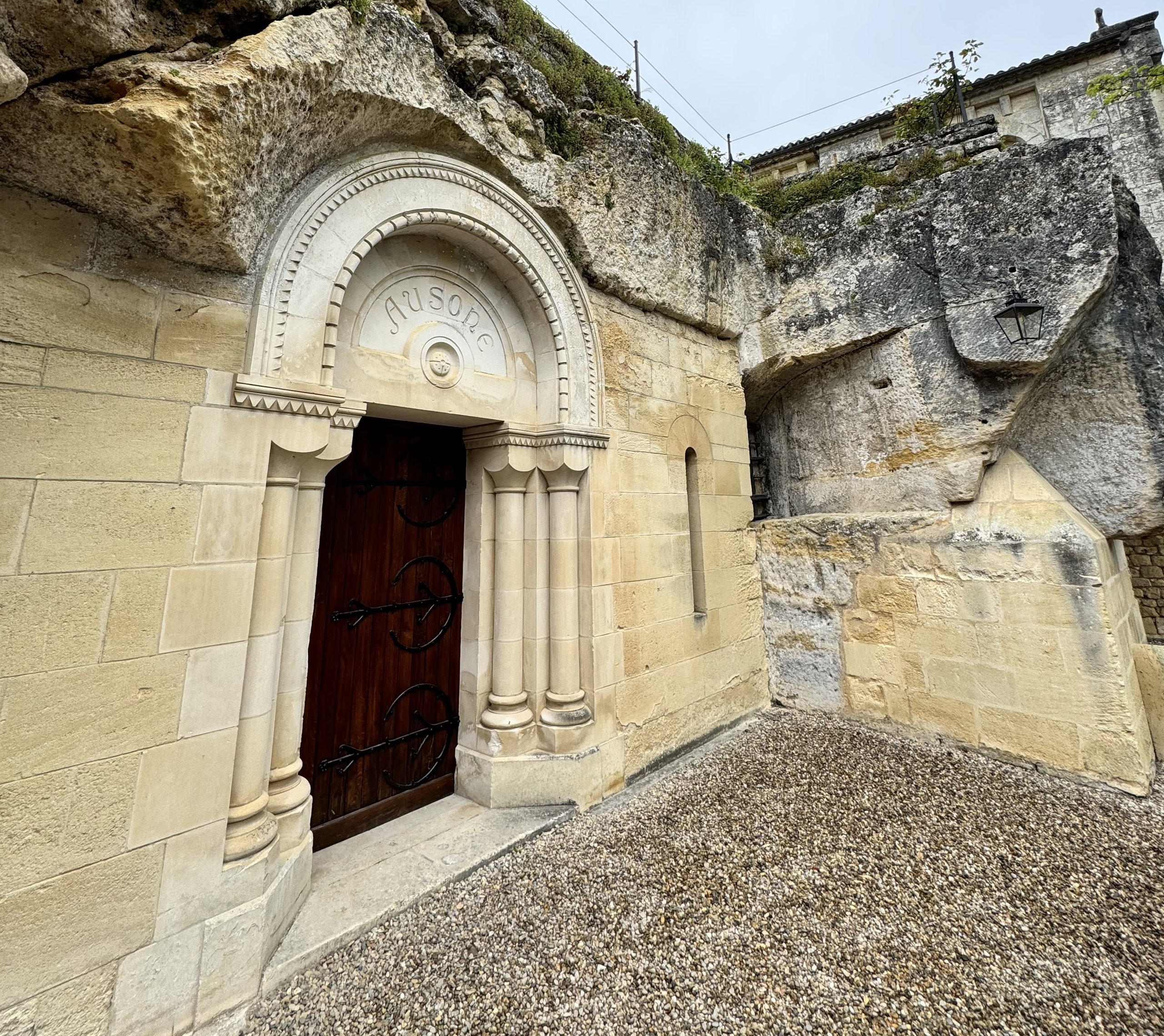
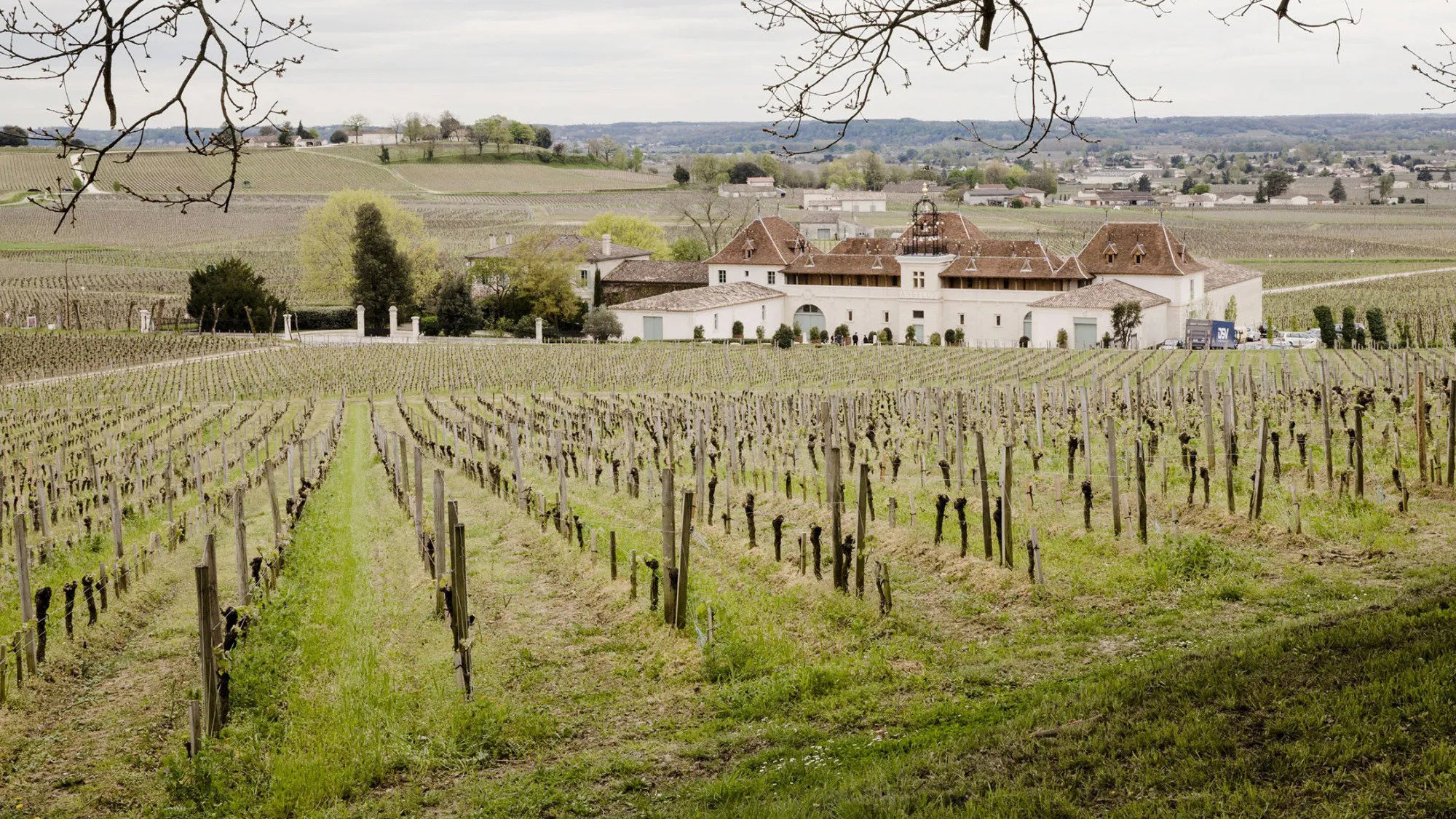
Château Canon can be considered alongside Chateau Ausone and Château Angelus when building a Saint-Emilion-focused itinerary. The practical choice should come down to directly confirmed access, timing, and the kind of day you want, rather than assumptions about what each visit includes.
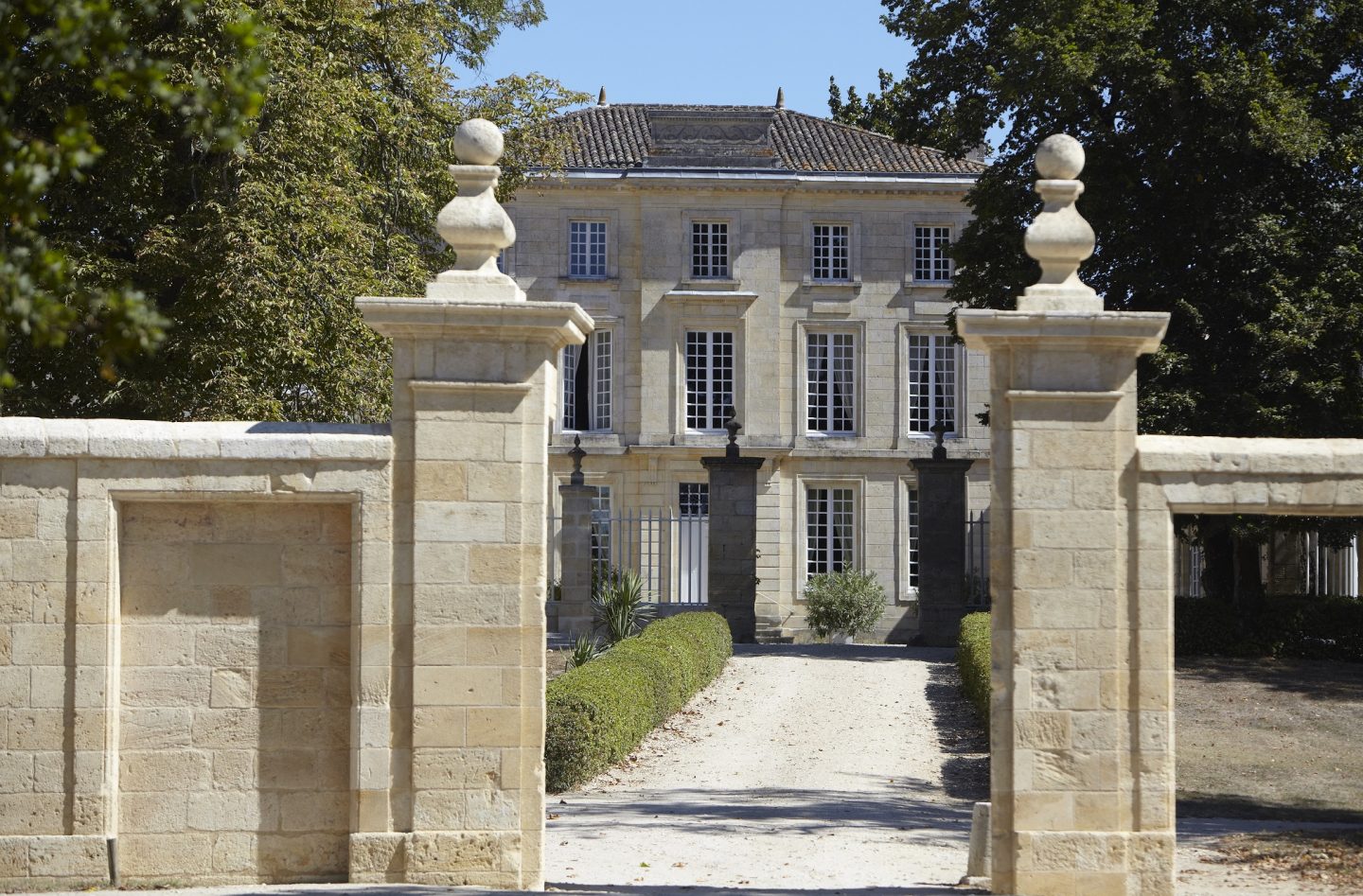
Château Beau-Séjour (héritiers Duffau-Lagarrosse), Château Bélair-Monange, and Château Clos Fourtet are also relevant names to compare when planning in Saint-Emilion. If Château Canon is not practical for the dates you need, shift quickly to another nearby option rather than delaying the full itinerary. Use other Saint-Emilion planning resources if the visit needs a non-venue anchor, or Our full Saint-Emilion bars guide if the evening plan matters as much as the daytime schedule.
Planning details
- Location
- 99 Ramonet, 33330 Saint-Émilion
- Website
- chateaucanon.com
- Phone
- +33 5 57 55 23 45
The take
The Take
The Vibe
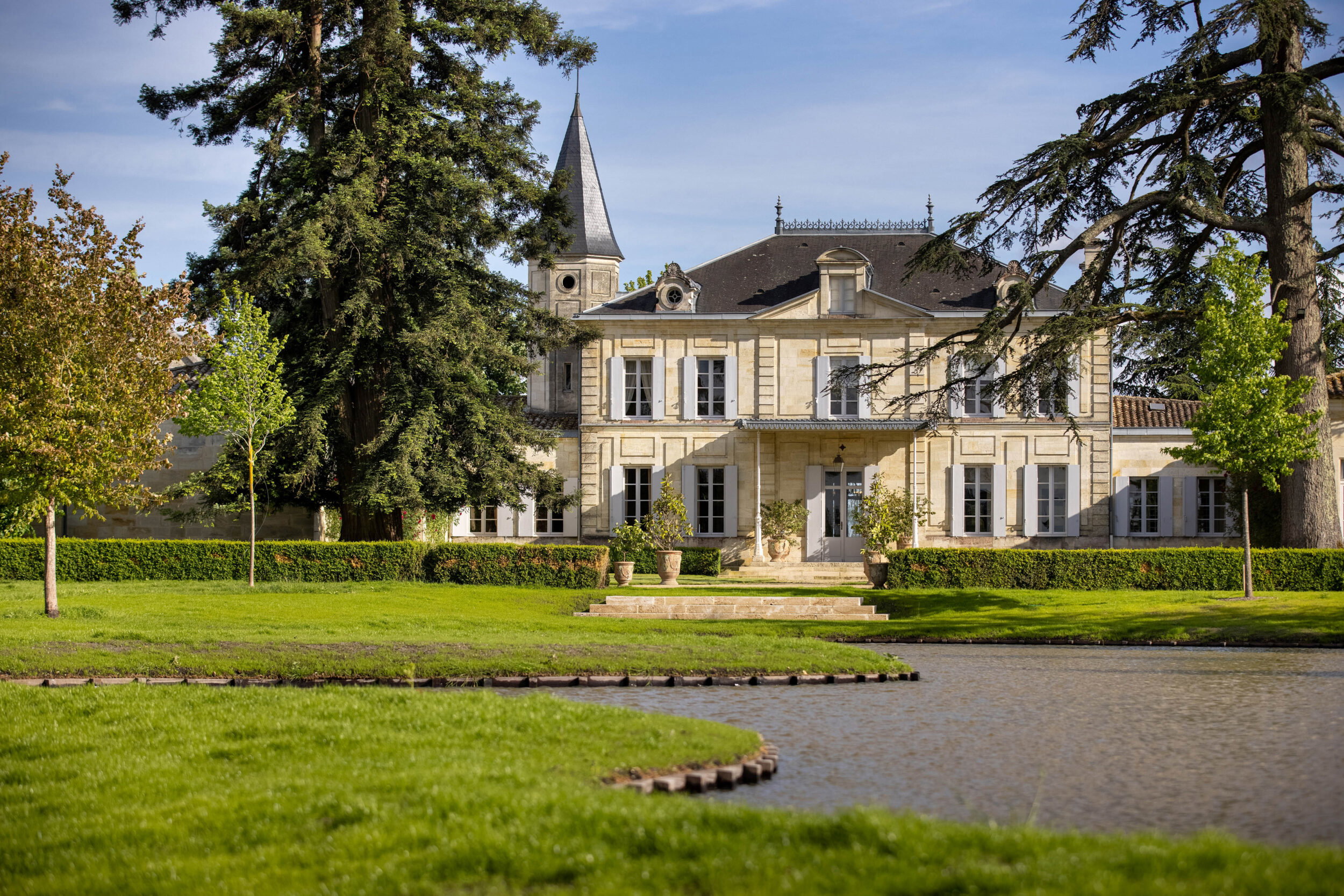
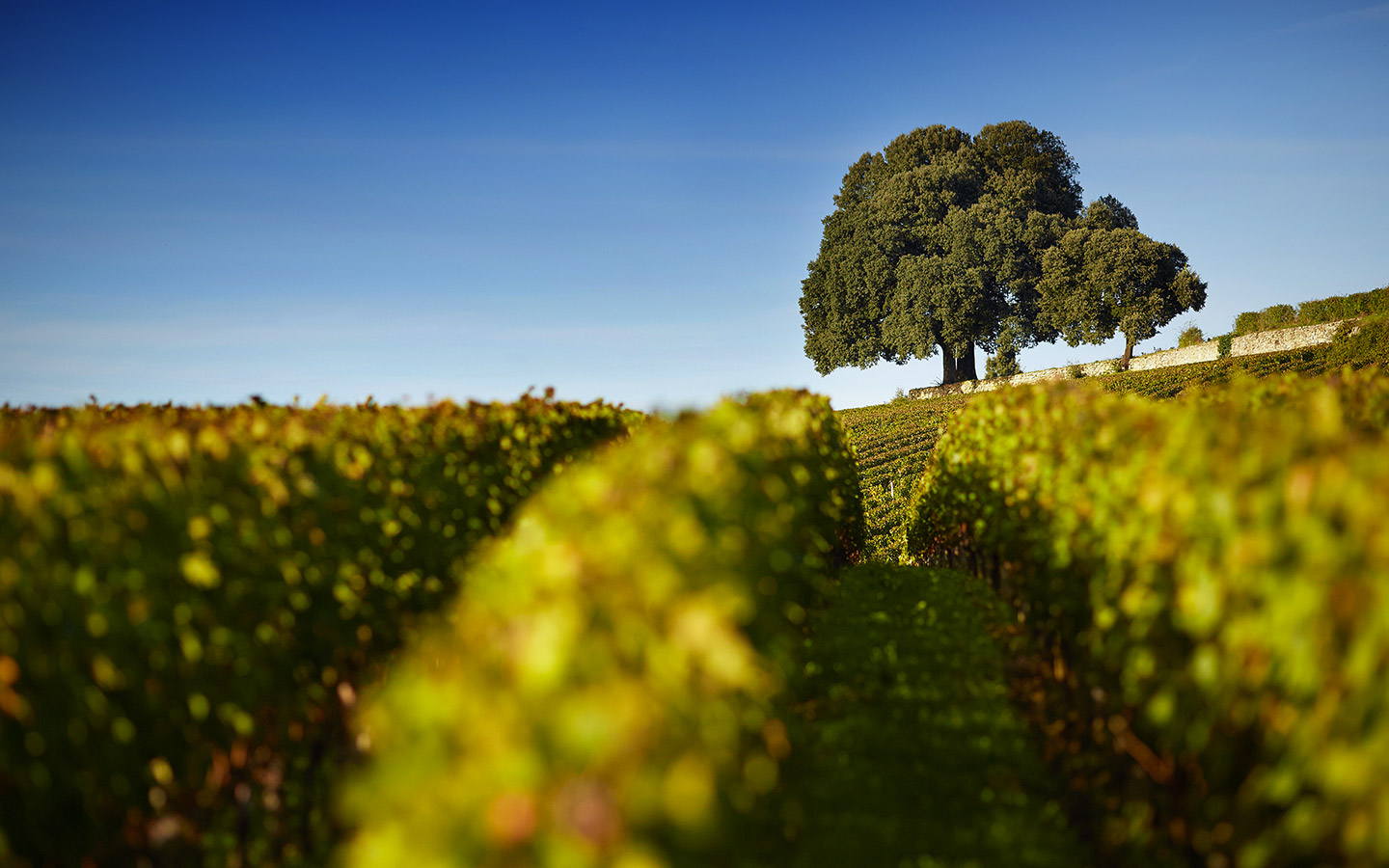
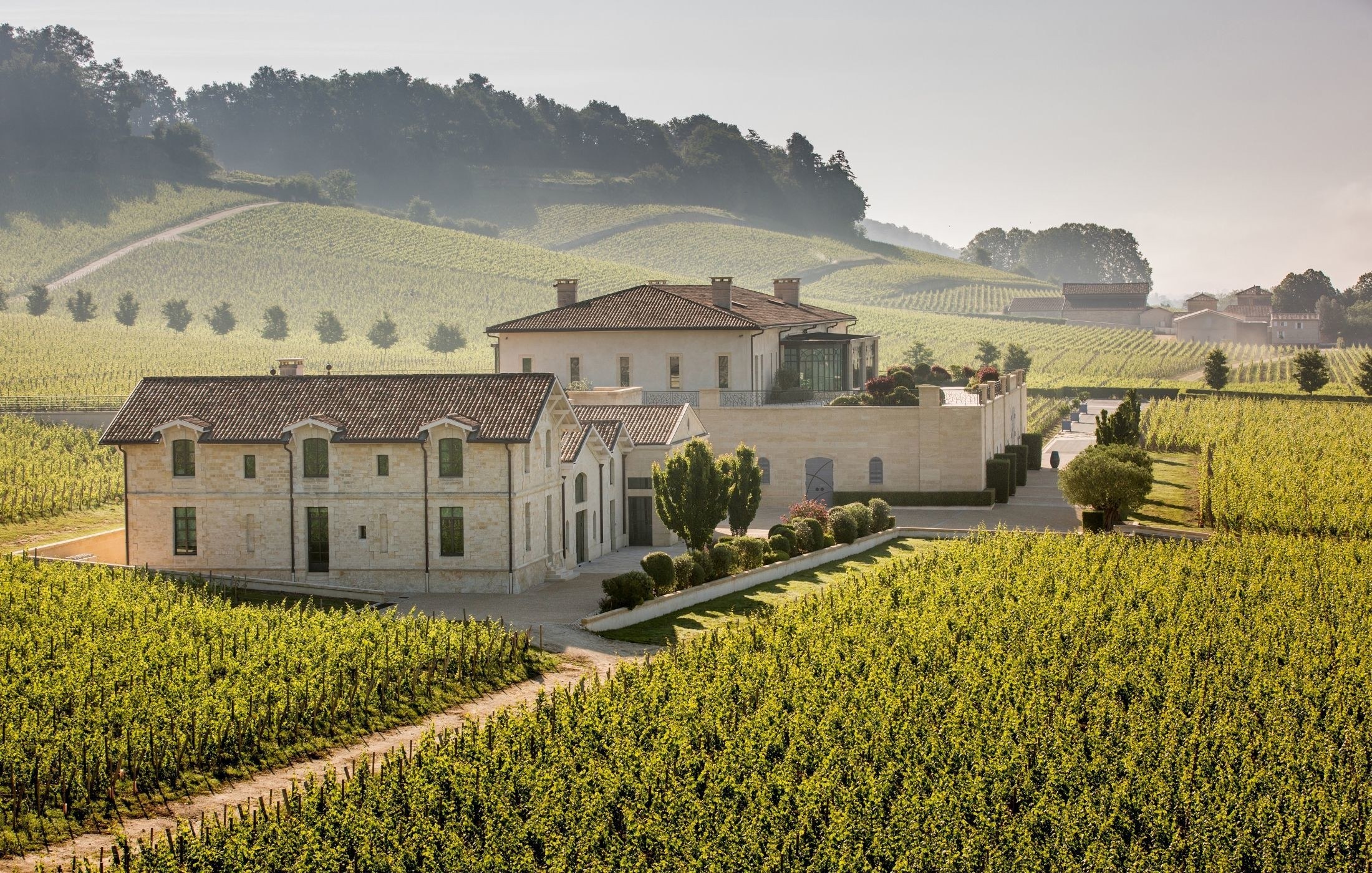
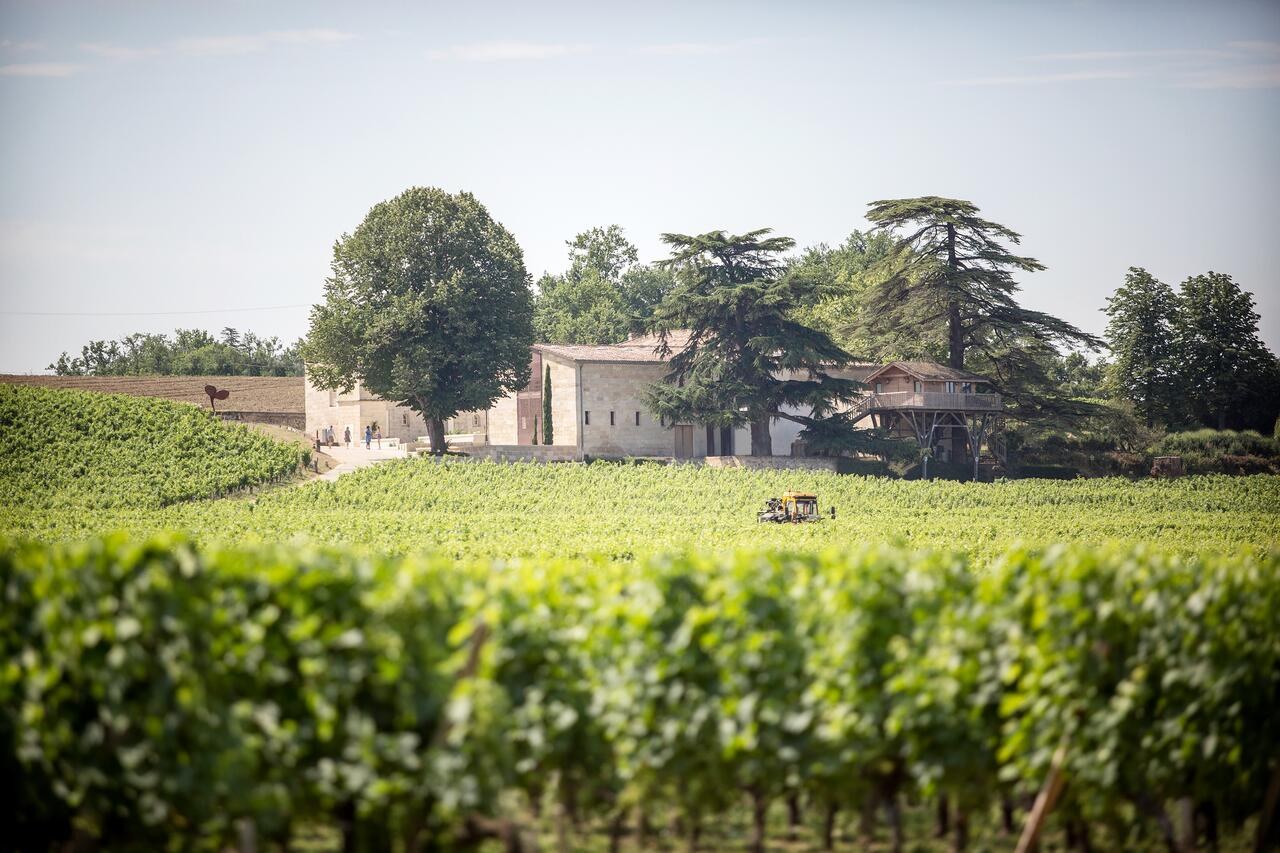
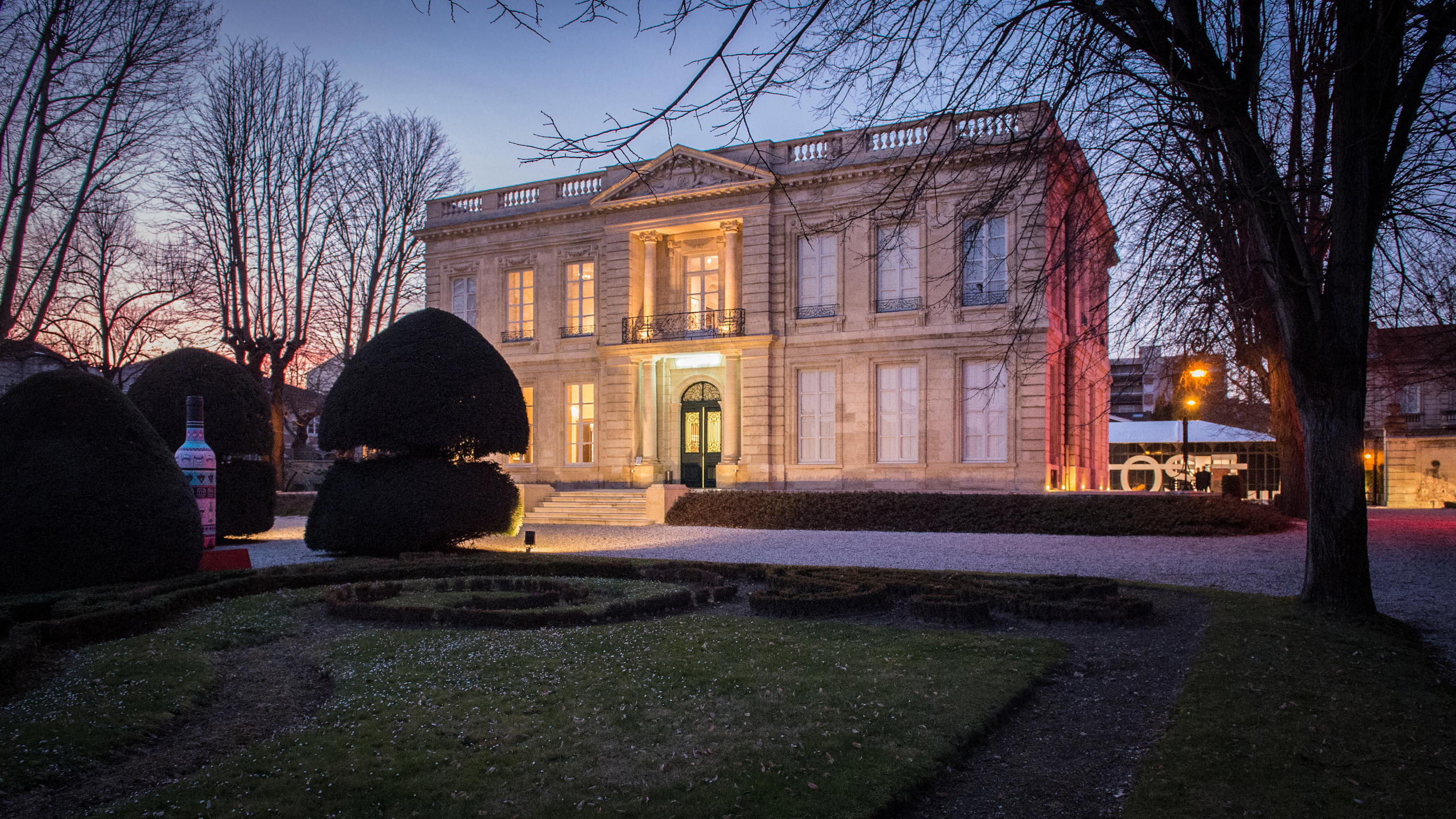
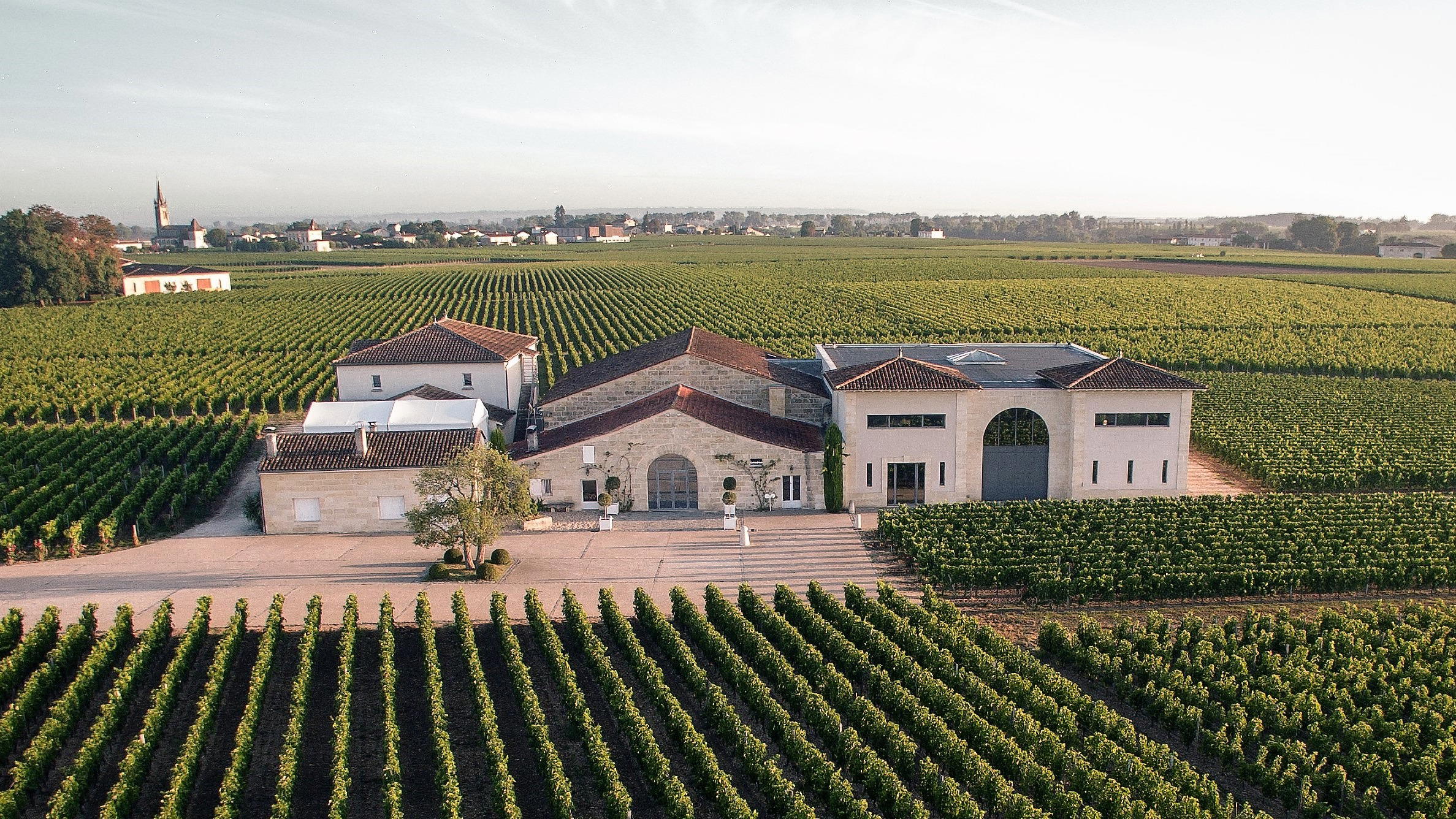
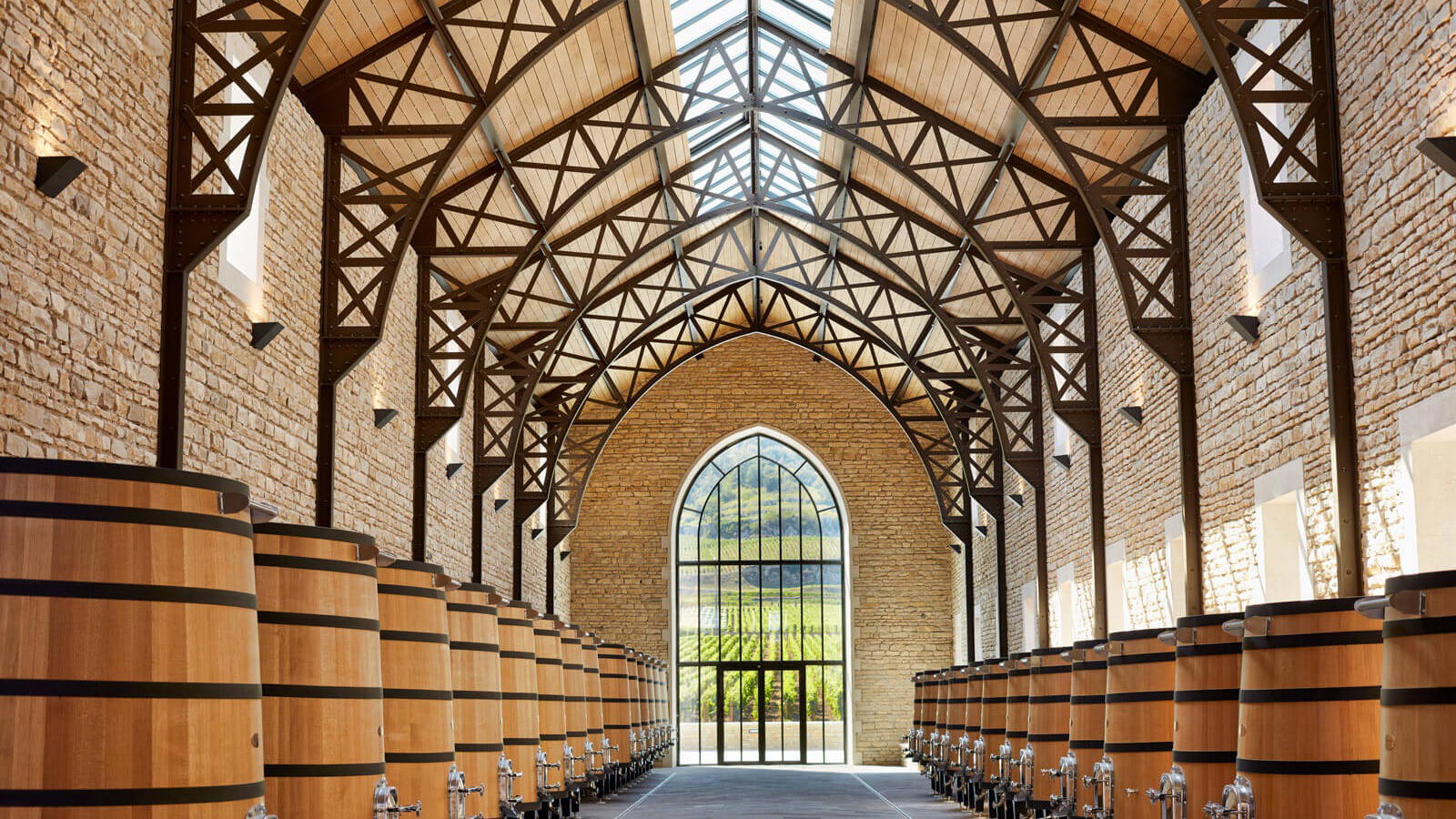
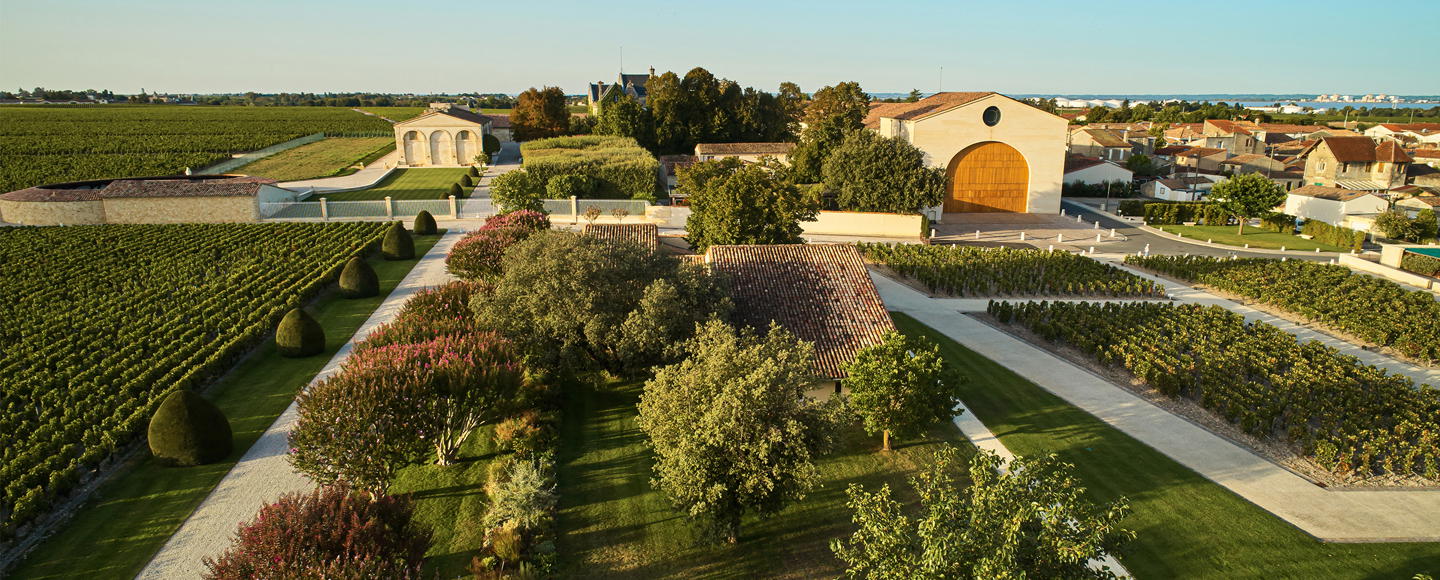
Château Canon presents as a deeply historic, terroir-forward estate rooted in the Saint-Émilion plateau. The writing emphasizes limestone, precise drainage, and a continuity of cultivation dating to 1770, so visits feel like a study in long-held land stewardship rather than a modern branding exercise. Cellars and the town’s network of caves underline the château’s connection to traditional winemaking, and the property reads as scenically situated on a classic ridge of premier-classed neighbors. Expect an experience that privileges geology, lineage, and the quiet authority of a long-established Bordeaux house.
Best For
This estate is best for visitors seeking wine education, collectors, and couples or groups marking special occasions. The piece stresses Château Canon’s premier grand cru classé B status and allocation-level demand, so it appeals to people interested in classification, secondary-market interest, and provenance. It also suits romantic getaways and celebrations where the setting and lineage of the house matter. Travelers who want to interrogate terroir, walk parcels, and understand longevity in Bordeaux winemaking will find Canon particularly rewarding.
Tasting Tips
Book visits and tastings well in advance and treat appointments as necessary because the château occupies a high tier with allocation-level interest. When arranging a visit, ask explicitly about walking the parcel boundaries and cellar access—both are central to understanding Canon’s limestone-driven terroir. Prepare questions about classification, recent vintages, and the estate’s history since 1770 to get the most from the tour. If you’re a collector, mention allocation or secondary-market interest up front so the staff can tailor the conversation to availability and provenance.
Venue details
Ambiance
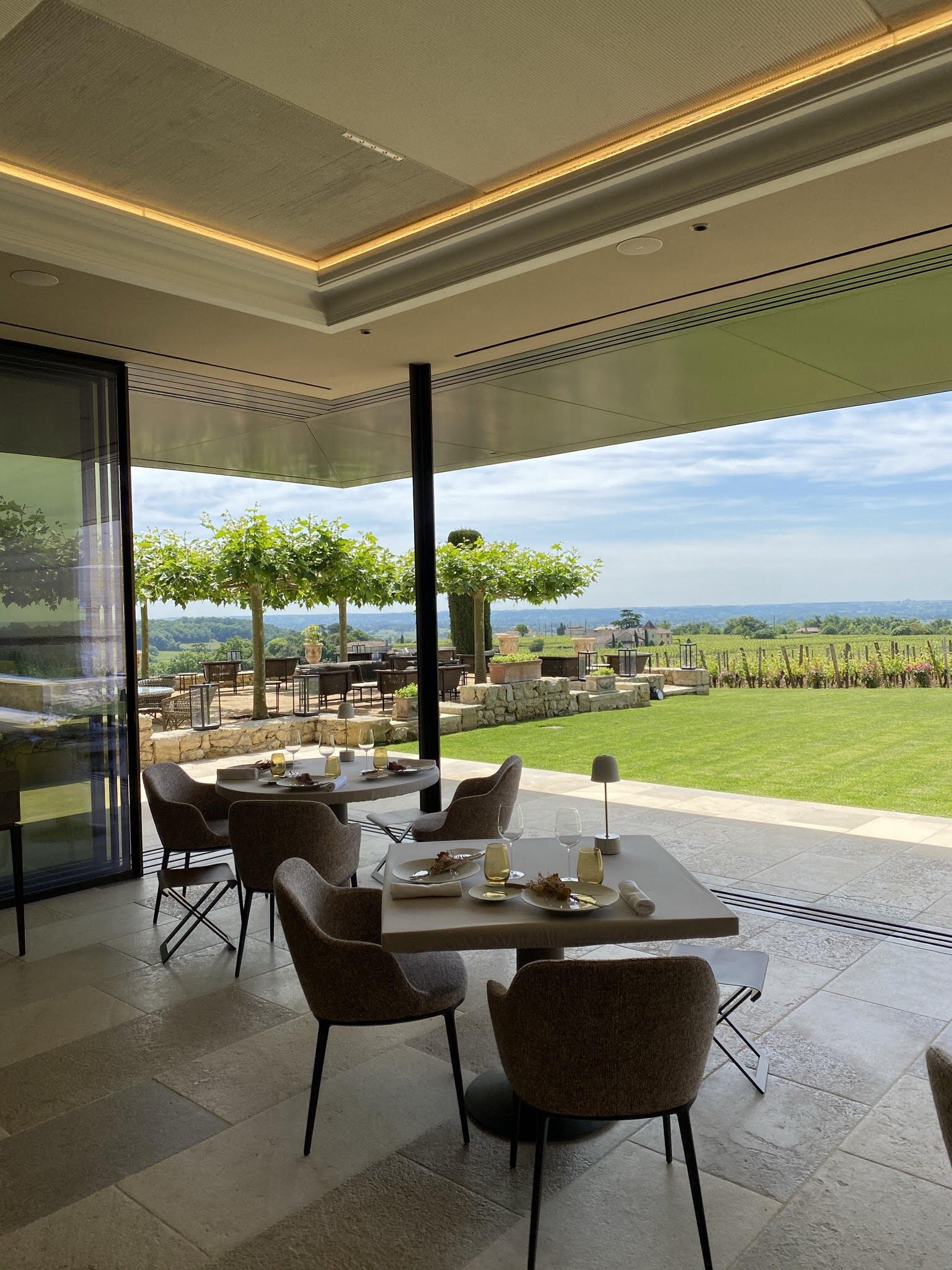
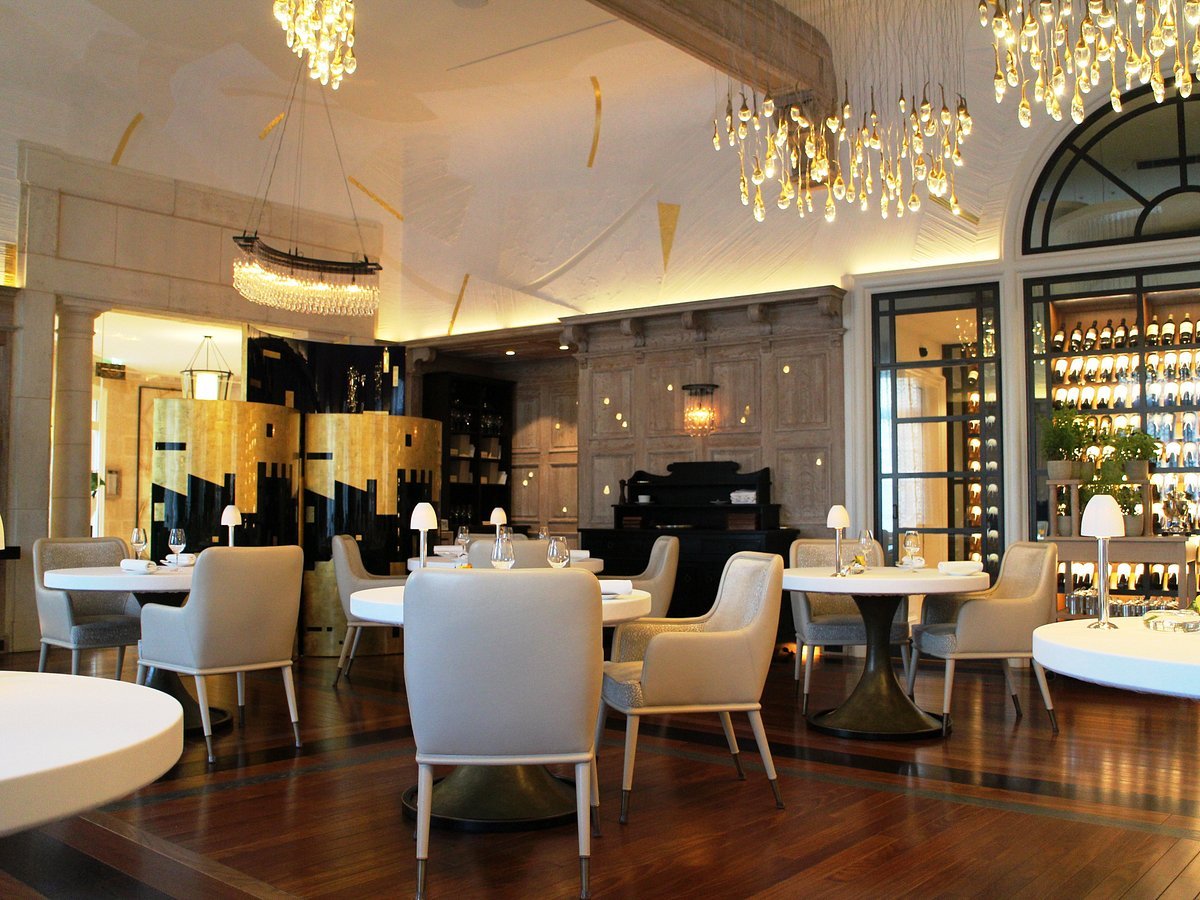
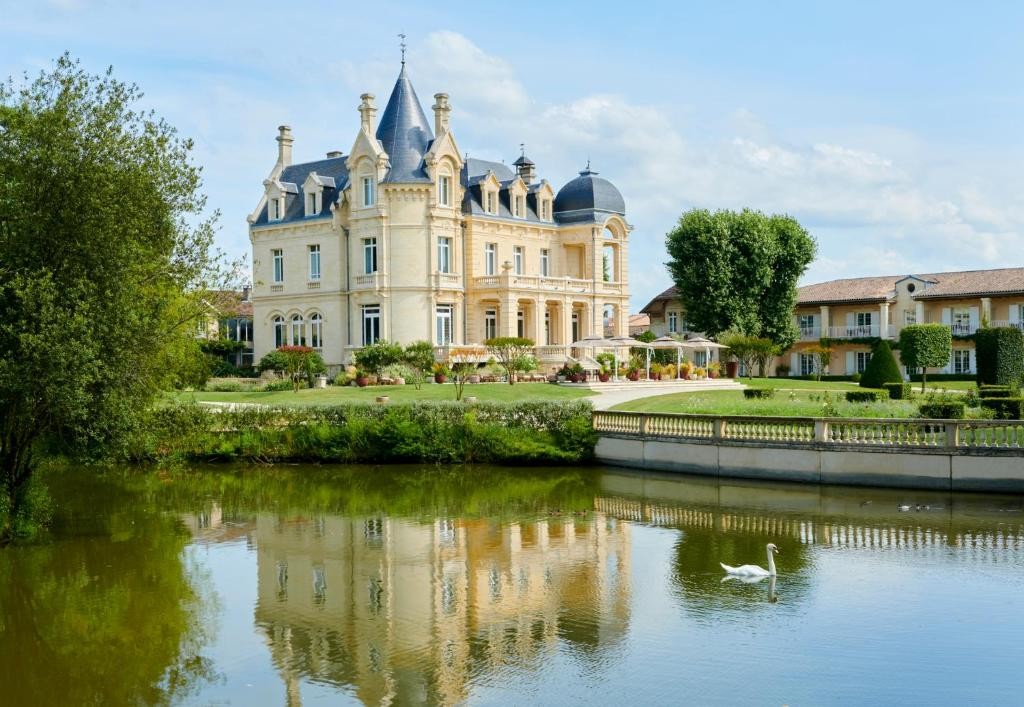
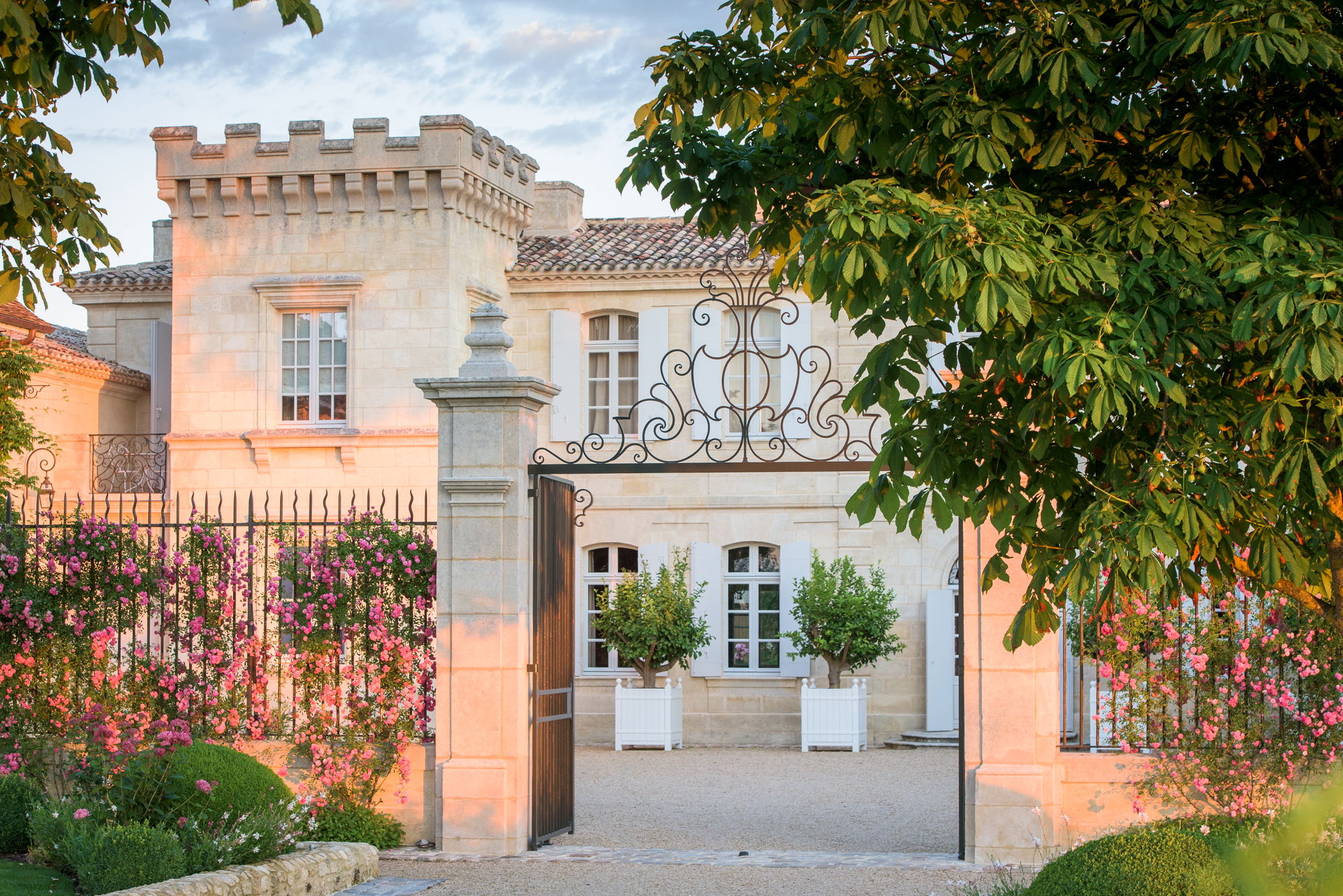
Historic 18th-century château with refined, understated elegance; limestone plateau setting with panoramic vineyard views; traditional winemaking atmosphere blending heritage with modern precision.
Tags
Vibe
Best For
Experience
Sourcing
View
At the Vineyard
- Appellation
- Saint-Émilion AOC
- Varietals
- Merlot, Cabernet Franc
- Tour Duration
- 90-120 minutes
- Tour Languages
- English, French
- Visits
- By appointment only
- Farming
- Sustainable
- Wine Styles
- Still Red
- Shipping
- Available
- Wine Club
- Available
Know before you go
Know Before You Go
- Getting there
- 99 Ramonet, 33330 Saint-Émilion
Planning details
Location
Recognition and awards
Also consider
Where to look if Canon is unavailable
Try Château Bélair-Monange first if the goal is another polished Saint-Emilion heavyweight with a special-occasion feel. Choose Château Clos Fourtet if the priority is staying close to the same serious Right Bank frame while keeping options open.
Winery context
How Château Canon compares in Saint-Emilion
Château Canon is the right target for travelers who want a serious, quieter Saint-Emilion visit with collector relevance. Chateau Ausone is the more trophy-driven comparison, while Château Angelus is better for visitors who want a more name-forward celebration stop.
For alternatives with a similar serious-wine profile, compare Canon with Château Beau-Séjour (héritiers Duffau-Lagarrosse), Château Clos Fourtet, and Château Bélair-Monange. The smartest move is to pursue Canon first if its heritage and allocation potential are the draw, then pivot fast to these peers if timing is tight.
On ambiance, Canon suits a composed, special-occasion itinerary more than a high-energy tasting day. If the priority is ease, choose the peer with the clearest confirmed access; if the priority is cellar relevance, keep Canon high on the list.
Explore Saint-Émilion
Around this place
Discover more on Pearl
Unlock the full Château Canon guide in Pearl, including awards, comparisons, FAQs, planning details, and nearby places.
Compare Château Canon
| Venue | Location | Awards |
|---|---|---|
| Château Canon | Saint-Emilion | 2026 Michelin 2 Grapes - Bordeaux2025 Pearl 4 Star Prestige |
| Château Beau-Séjour (héritiers Duffau-Lagarrosse) | Saint-Emilion | No published awards |
| Château Clos Fourtet | Saint-Emilion | 2026 Michelin Grape Main Selection - Bordeaux2025 Pearl 3 Star Prestige |
| Château Bélair-Monange | Saint-Emilion | 2026 Falstaff Winery Guide2026 Michelin 1 Grape - Bordeaux |
| Chateau Ausone | Saint-Emilion | 2026 Michelin 2 Grapes - Bordeaux2025 Pearl 5 Star Prestige |
| Château Angelus | Saint-Emilion | 2026 Michelin 2 Grapes - Bordeaux2026 Falstaff Winery Guide2025 Pearl 4 Star Prestige |



How Château Canon Saint-Emilion Guide compares with similar nearby venues.
FAQ
Frequently Asked Questions
What other venues are near Château Canon?
Other Saint-Emilion names to compare include Château Beau-Séjour (héritiers Duffau-Lagarrosse), Château Clos Fourtet, Château Bélair-Monange, Chateau Ausone, and Château Angelus. Confirm access and timing directly before building a day around multiple stops.