

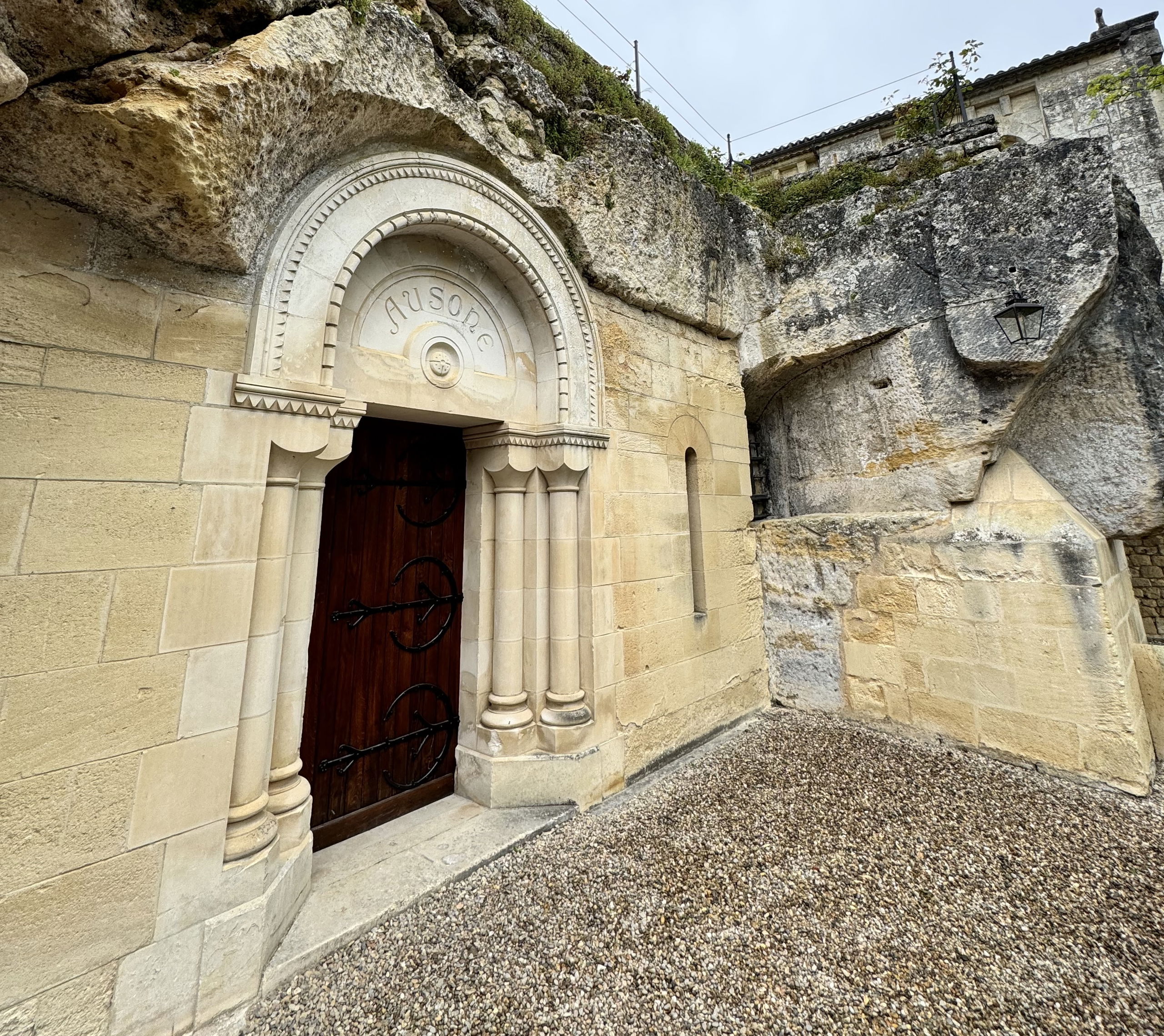


Chateau Ausone
Saint-Emilion, Saint-Émilion
Winery in Saint-Émilion, France
 Book with Pearl
The Read
Limestone Plateau Precision
Why go
Château Ausone is a seven-hectare wine estate in Saint-Émilion, Bordeaux.
About Chateau Ausone
Chateau Ausone is a Saint-Emilion venue with Pearl 5 Star Prestige recognition for 2025. It is best approached as a carefully planned stop rather than one to build around assumptions about menus, visit format, pricing, hours, or services. The grounded details are direct: Philippe Ausone is listed as chef/owner, the dress code is smart casual, and the venue is recognized at the Pearl 5 Star Prestige level.
A Saint-Emilion venue with confirmed recognition
The clearest reason to prioritize Chateau Ausone is its Pearl 5 Star Prestige recognition in 2025. That makes it a notable Saint-Emilion name for travelers comparing premium options in the area, but it does not establish specific claims about cuisine, tasting structure, booking format, group size, or on-site services. In practice, the recognition is best read as a strong signal of standing, not as a substitute for the operational details that shape a visit. Plan with that distinction in mind: the recognition is confirmed, while many practical details should be checked directly before committing the day around a visit.
For comparison planning in Saint-Emilion, Chateau Ausone can be considered alongside Château Canon, Château Bélair-Monange, and Château Clos Fourtet. Those names are useful reference points when deciding how to organize a Saint-Emilion itinerary, especially for travelers weighing several prestigious addresses in the same area. They help frame Chateau Ausone within a broader Saint-Emilion shortlist without implying that each venue offers the same experience or visitor format. The most reliable approach is still to confirm current availability and practical details with each venue directly. Chateau Ausone's profile is strongest when kept simple: Saint-Emilion, Philippe Ausone, smart casual dress, and Pearl 5 Star Prestige recognition for 2025.
Plan around confirmed details, not assumptions
Before visiting Chateau Ausone, avoid relying on specifics about meals, tastings, prices, hours, party size, or special services unless they have been confirmed directly. Those are exactly the kinds of details that can affect whether a stop fits smoothly into a Saint-Emilion day, and they should not be inferred from recognition alone. The confirmed dress code is smart casual, so dress neatly and keep the rest of the plan flexible until the venue confirms what is available. If your schedule depends on a particular format or timing, verify it directly rather than assuming it will be offered. This is especially important if you are coordinating Chateau Ausone with other Saint-Emilion plans, where travel time, meal timing, and reservations may all need to work together.
For travelers comparing other Saint-Emilion options, Château La Gaffelière and Château Pavie Macquin are relevant names to consider alongside Chateau Ausone. Use Our Saint-Emilion planning guide to organize additional possibilities, then plan meals and stays through Our full Saint-Emilion restaurants guide and Our full Saint-Emilion hotels guide. These resources are most useful when treated as planning structure rather than a substitute for the finer points of any single venue. The safest planning approach is to treat Chateau Ausone as a Pearl-recognized Saint-Emilion listing with limited practical detail, then confirm the specifics before finalizing the itinerary.
Quick reference: Chateau Ausone is a Saint-Emilion venue with Philippe Ausone, smart casual dress, and Pearl 5 Star Prestige recognition for 2025. Keep the profile concise, plan with care, and let direct confirmation shape the final visit.
Planning details
- Location
- Chateau Ausone, 33330 Saint-Émilion
- Website
- chateau-ausone.fr
- Phone
- +33 5 57 24 24 57
The take
The Take
The Vibe
Château Ausone reads like a study in place. Perched on a south-facing amphitheatre of clay-limestone above Saint-Émilion, the estate foregrounds geology and history: vines on thin soils, low yields and an unbroken continuity that dates back to at least 1847. The writing on the land informs the house style—restraint and an emphasis on site expression—and Philippe Ausone’s work is described in terms of avoiding interference so the hillside can speak. The overall effect is quietly monumental: a scenic, intimate manor where the vineyard’s geology and long pedigree dominate the conversation more than any fashion or trend.
Best For
Ausone is best for people who treat wine as geography and history. Its tiny production and allocation-driven distribution make it a natural destination for collectors, serious students of terroir and anyone planning a special-occasion purchase. The estate rewards measured attention rather than casual sampling: tastings and study of multiple vintages illuminate how clay-limestone exposure and slope influence the wine. Because the property belongs to the conversation about vineyard specificity rather than volume, visits and acquisitions are most satisfying when framed as focused study or celebration rather than everyday drinking.
Tasting Tips
Expect scarcity and a focus on provenance. The château’s output is deliberately small, and bottles typically move through allocations and secondary markets, so secure provenance early if you’re seeking a bottle. When tasting or buying, approach Ausone with an ear for geological determinism: the house leans toward restraint and lets the hillside dominate, so prioritize wines and vintages that showcase site clarity over overt ripeness or heavy extraction. Because continuity of site is a central asset, consider vintages that reflect the appellation’s character and consult reputable allocation channels or trusted merchants for acquisition.
Venue details
Ambiance
Historic and elegant with a sense of timeless sophistication from its ancient cellars and steep terraced vineyards.
Tags
Vibe
Best For
Experience
View
At the Vineyard
- Appellation
- Saint-Émilion
- Varietals
- Cabernet Franc, Merlot
- Visits
- By appointment only
- Wine Styles
- Still Red
- Wine Club
- Available
Know before you go
Know Before You Go
- Getting there
- Chateau Ausone, 33330 Saint-Émilion
Planning details
Location
Recognition and awards
Also consider
Where to look if this does not work
If the request does not come through, look first at Château Canon for a serious Saint-Émilion alternative that still feels central to the appellation. Château La Gaffelière is the other sensible fallback for travelers who want to keep the day focused on Right Bank context rather than switch to a broader Bordeaux circuit.
Winery context
How it compares in Saint-Émilion
Chateau Ausone is the prestige-first choice in this set: book it if the point of the trip is Saint-Émilion depth and the itinerary can absorb a difficult request. Château Canon and Château Bélair-Monange are stronger cross-shops for travelers who still want serious Right Bank context but need a plan that feels less fragile.
For value of time, Château Clos Fourtet and Château Pavie Macquin make more sense if the day includes multiple appointments, lunch, and walking time in the village. They keep the focus on Saint-Émilion without asking one booking to justify the whole itinerary.
Château La Gaffelière is the practical backup to keep on the list if this request does not land. Choose Ausone for the highest-prestige target; choose the others when ambiance, scheduling ease, and a fuller day matter more.
Explore Saint-Émilion
Around this place
Discover more on Pearl
Unlock the full Chateau Ausone guide in Pearl, including awards, comparisons, FAQs, planning details, and nearby places.
Compare Chateau Ausone
| Venue | Location | Awards |
|---|---|---|
| Chateau Ausone | Saint-Emilion | 2026 Michelin 2 Grapes - Bordeaux2025 Pearl 5 Star Prestige |
| Château La Gaffelière | Talence | 2026 Falstaff Winery Guide2025 Pearl 4 Star Prestige |
| Château Bélair-Monange | Saint-Emilion | 2026 Falstaff Winery Guide2026 Michelin 1 Grape - Bordeaux |
| Château Clos Fourtet | Saint-Emilion | 2026 Michelin Grape Main Selection - Bordeaux2025 Pearl 3 Star Prestige |
| Château Pavie Macquin | Saint-Emilion | No published awards |
| Château Canon | Saint-Emilion | 2026 Michelin 2 Grapes - Bordeaux2025 Pearl 4 Star Prestige |



How Chateau Ausone Saint-Emilion compares with similar nearby venues.
FAQ
Frequently Asked Questions
Can Chateau Ausone handle large groups?
Contact Chateau Ausone directly before planning for a large party or assuming a specific group format.
When is the best time to visit Chateau Ausone?
Does Chateau Ausone serve food?
Food service details should be confirmed directly. Chateau Ausone is in Saint-Emilion, Philippe Ausone is listed as chef/owner, the dress code is smart casual, and the venue has Pearl 5 Star Prestige recognition for 2025.
What other venues are useful comparisons for Chateau Ausone?
Château Canon, Château Clos Fourtet, Château Pavie Macquin, Château Bélair-Monange, and Château La Gaffelière are relevant Saint-Emilion comparisons when planning around Chateau Ausone.