
Chambers Rosewood
Rutherglen
Winery in Rutherglen, Australia
 Book with Pearl
The Read
Generational Fortified Production
Why go
Chambers Rosewood is worth prioritising for a focused Rutherglen winery stop, especially if the group already knows the region and wants a more serious tasting plan. Treat it as a wine-first appointment rather than an all-purpose venue for food, large groups, or casual drop-ins.
About Chambers Rosewood
Chambers Rosewood is a Rutherglen venue with 2 Star Prestige recognition for 2025 and a casual dress code. For the smoothest visit, check current details directly with the venue before building an itinerary around it.
For readers, the main reason to keep Chambers Rosewood on the shortlist is its 2025 Prestige recognition. Do not assume specific menus, tasting formats, opening windows, group capacity, or other services unless they are available at the time you book or visit.
Make this a planned Rutherglen stop, not an assumption-heavy itinerary anchor
Chambers Rosewood can be considered alongside other regional names such as Campbells Wines, All Saints Estate, and Morris Wines when shaping a trip around Rutherglen and surrounds. If the day needs a different kind of stop, Corowa Distilling Co and Giaconda may also be useful points of comparison, depending on the route and the kind of experience the group wants.
Avoid planning around unconfirmed food, fixed opening windows, walk-in availability, special formats, or group handling. Treat Chambers Rosewood as a venue to check in advance rather than a place where the finer details should be assumed.
Who should prioritise it on a Rutherglen visit
Prioritise Chambers Rosewood if a 2 Star Prestige venue in Rutherglen is important to the itinerary and the group is comfortable checking details before arrival. It is less suitable as an automatic choice for plans that depend on services such as meals, large-group arrangements, or a specific visit format.
Planning details
- Location
- 178 Barkly St, Rutherglen VIC 3685
- Website
- chambersrosewood.com.au
- Phone
- +61 2 6032 8641
The take
The Take
The Vibe
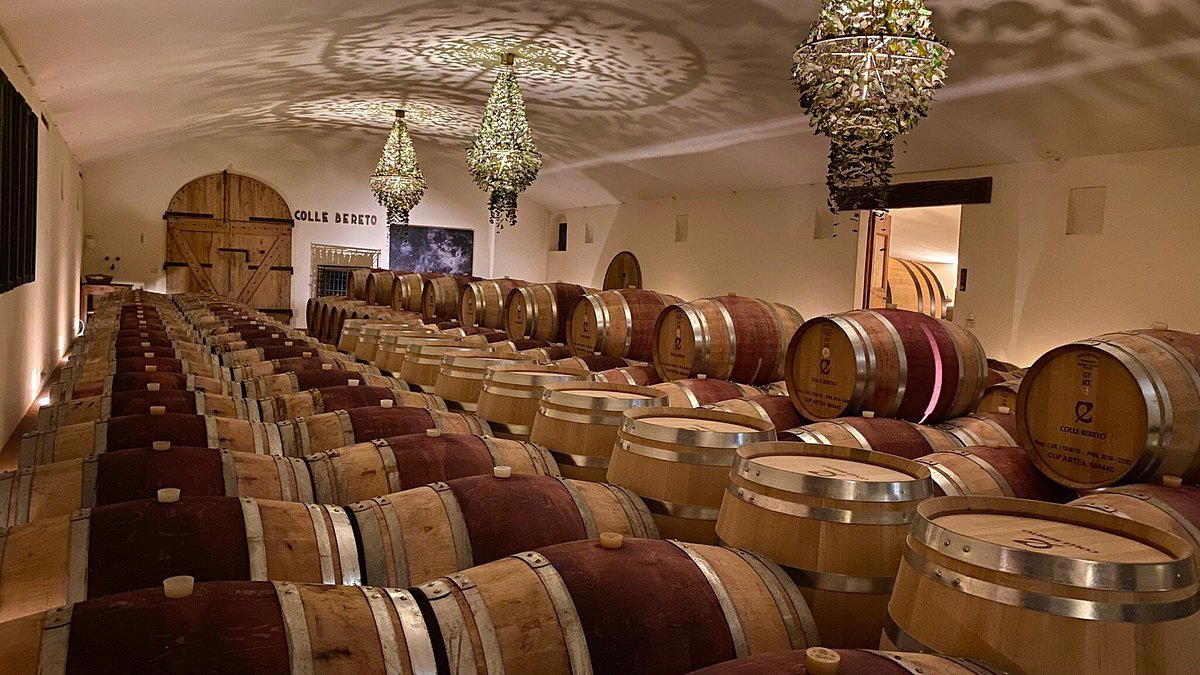
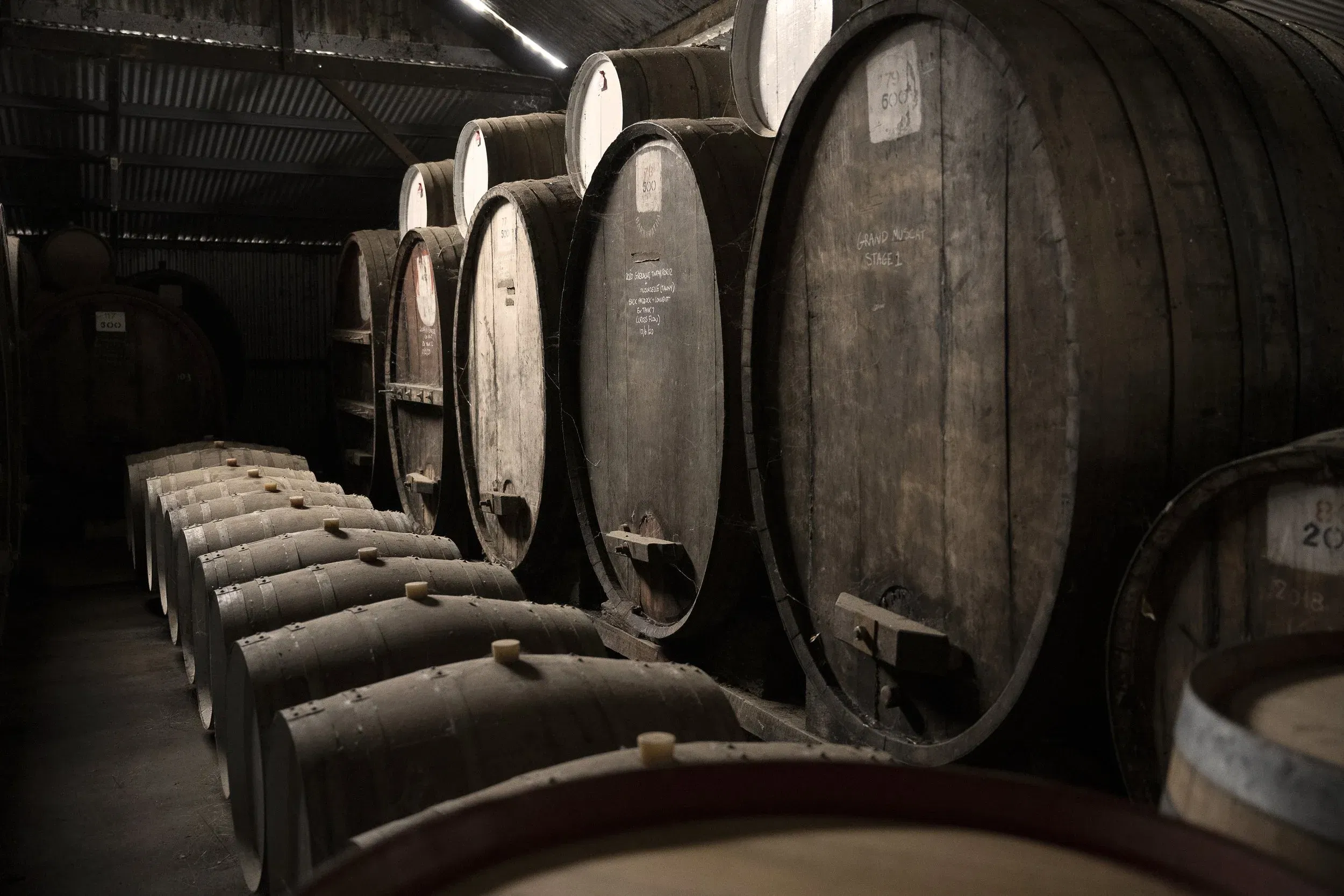
Chambers Rosewood presents a quietly historic side of Rutherglen’s fortified-wine tradition. The visit feels measured by vintages rather than seasons: old timber, barrels and components 'laid down before Federation' anchor the cellar door in palpable history. That sense of time is balanced by a composed, sophisticated air — the producer’s Pearl 2 Star Prestige rating signals serious, carefully tended wines rather than showy hospitality. Rather than a high-design urban tasting room, the estate reads as an unpretentious, focused place where the architecture and the stock both point back to long aging, fractional blending and a restrained, contemplative tasting experience.
Best For
This is a destination for people who come to learn and to listen: educators, collectors and solitary tasters who want to study fortified Muscat and Topaque styles. The cellar-door setting and emphasis on decades-long fractional blending make it especially suited to wine-education visits and deliberate tastings. It also works well for small groups who share an interest in Rutherglen’s traditions and want to move through examples that show age and concentration. The tone is calm and considered, so visitors seeking spectacle or high-energy socializing should look elsewhere.
Tasting Tips
Plan a morning visit before the heat builds and before the cellar door gets busy—the description specifically notes the particular stillness of mid-morning. Center a tasting on Rutherglen’s signature styles: Muscat and Topaque, and ask about the solera-like fractional-blending approach and older components that give the wines their layered age. Allow time to compare vintages and to listen to staff explain the long-term aging practices that define Chambers Rosewood’s Prestige standing. Keep expectations on study and appreciation rather than a quick, casual drop-in.
Venue details
Ambiance
Relaxed, rustic atmosphere in a historic winery with friendly family service and a friendly cockatoo in the garden.
Tags
Vibe
Best For
Experience
View
At the Vineyard
- Appellation
- Rutherglen
- Varietals
- Muscat, Muscadelle, Shiraz, Durif, Roussanne
- Tour Duration
- 60-90 minutes
- Visits
- Walk-ins welcome
- Production
- Small producer
- Wine Styles
- Fortified, Dessert, Still Red, Still White
- Shipping
- Available
- Wine Club
- Not available
Know before you go
Know Before You Go
- Getting there
- 178 Barkly St, Rutherglen VIC 3685
Planning details
Location
Recognition and awards

Also consider
Where to go if this is not the right fit
If the group wants a classic Rutherglen tasting day, cross-shop Campbells Wines or Morris Wines first. If atmosphere, estate scale, or a more flexible group outing matters more, All Saints Estate is the safer alternative.
Winery context
How it compares in Rutherglen
Choose Chambers Rosewood when the goal is a focused winery visit with a serious wine-first brief. Campbells Wines and Morris Wines are easier fits for travellers building a classic Rutherglen tasting route, while Chambers Rosewood makes more sense for someone who has already done the obvious circuit and wants a narrower stop.
All Saints Estate is the better choice for a broader estate-style outing or mixed group where atmosphere and dwell time matter as much as the wine. Corowa Distilling Co is the cleaner fallback for non-wine drinkers, since a distillery format gives the day a different rhythm.
If the trip can stretch beyond Rutherglen, Giaconda belongs in a more destination-led wine itinerary rather than a casual town crawl. For value and ease, Campbells Wines or Morris Wines will suit more visitors; for a tighter, more deliberate Rutherglen stop, Chambers Rosewood is the sharper call.
Explore Rutherglen
Around this place
Discover more on Pearl
Unlock the full Chambers Rosewood guide in Pearl, including awards, comparisons, FAQs, planning details, and nearby places.
Compare Chambers Rosewood
| Venue | Location | Awards |
|---|---|---|
| Chambers Rosewood | Rutherglen | 2026 Falstaff Winery Guide |
| Campbells Wines | Rutherglen | 2026 Falstaff Winery Guide |
| All Saints Estate | Rutherglen | 2026 Falstaff Winery Guide |
| Corowa Distilling Co | Corowa | No published awards |
| Morris Wines | Rutherglen | No published awards |
| Giaconda | Beechworth | 2026 Falstaff Winery Guide |
How Chambers Rosewood Rutherglen compares with similar nearby venues.
FAQ
Frequently Asked Questions
Do I need a reservation at Chambers Rosewood?
How long should I plan for a visit to Chambers Rosewood?
Plan flexibly and check the current format with Chambers Rosewood, especially if the stop needs to fit around other Rutherglen plans.
Does Chambers Rosewood serve food?
Do not rely on Chambers Rosewood as a meal stop unless that option is available for the date of your visit.
Are membership or club options available at Chambers Rosewood?
If any such option is available, judge it only after checking the current terms directly with Chambers Rosewood and deciding whether they suit your needs.
What other venues are near Chambers Rosewood?
For a regional itinerary, Chambers Rosewood can be considered alongside Campbells Wines, All Saints Estate, and Morris Wines. Corowa Distilling Co and Giaconda may also be relevant comparison points for a broader trip through the area.
Can Chambers Rosewood handle large groups?
Contact Chambers Rosewood directly before planning for a group, especially if timing, seating, or a particular format is important.