
Winery in Rutherford, United States
Freemark Abbey Winery
750ptsHeritage Estate Viticulture
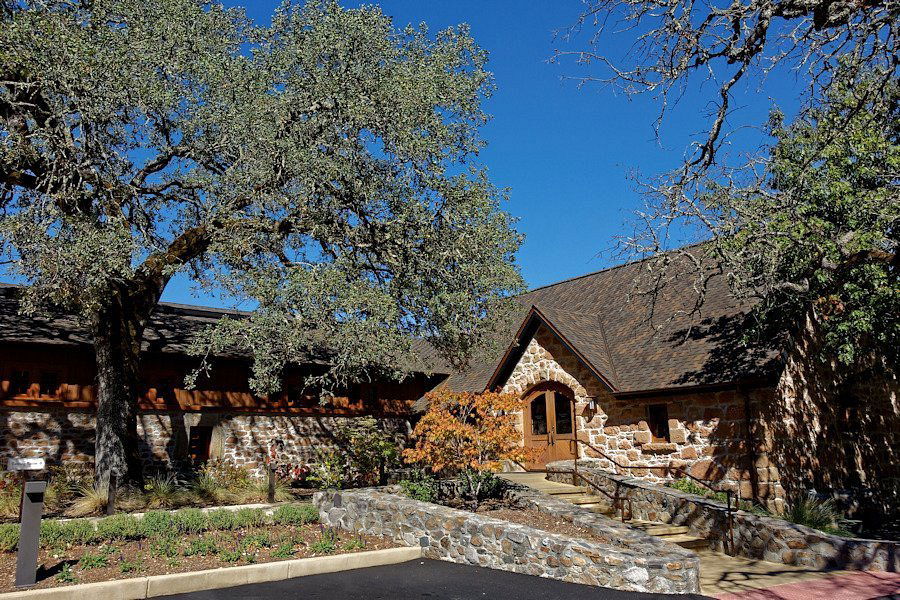
About Freemark Abbey Winery
One of Napa Valley's oldest operating wineries, Freemark Abbey sits along the St. Helena Highway in Rutherford with a production history that stretches back to the late 19th century. Awarded Pearl 3 Star Prestige by EP Club in 2025, it occupies a position among Napa's heritage estates where continuity of place and vine age carry as much weight as any single vintage. The address puts it squarely inside one of California's most scrutinized appellations.
Rutherford and the Weight of Old Vines
The stretch of Highway 29 running through Rutherford and into St. Helena is one of the most concentrated corridors of established wine production in the United States. Wineries here do not merely share a road; they share a geological argument about what Napa Valley soil can do to a Cabernet Sauvignon grape over decades of site-specific farming. Freemark Abbey Winery, at 3022 St. Helena Highway, sits inside that argument with more historical standing than most of its neighbours. Its presence along this route is not incidental — the address places it within a peer set of heritage estates where vine age, block-level sourcing, and appellation identity define the competitive frame as much as any contemporary winemaking technique.
Napa's premium identity has long been anchored in Cabernet, and the Rutherford sub-appellation in particular carries a specific claim: the so-called "Rutherford dust," a gravelly, well-drained loam that delivers tannin structure and mid-palate weight that producers from other AVAs rarely replicate. Wineries like Beaulieu Vineyard (BV) and Caymus Vineyards have built reputations on precisely this terroir argument. Freemark Abbey operates within the same framework, drawing on valley-floor and hillside sources in a corridor where provenance is the primary credential.
Where the Grapes Come From and Why That Matters
In Napa Valley, sourcing is biography. The distinction between an estate-grown bottle and one assembled from purchased fruit is not merely technical — it signals intent, commitment to a specific site, and the willingness to accept what a given year offers rather than blending around it. The wineries that have held ground in this region for multiple generations tend to control their supply chains at the vineyard level, which gives them both consistency and the ability to track how individual blocks respond to drought years, heat spikes, or the cooling marine influence that pushes in through the Carneros gap in the afternoon.
Freemark Abbey's location on the St. Helena Highway places it close to some of the valley's most documented vineyard blocks. The broader neighbourhood includes Alpha Omega Winery, Cathiard, and Cakebread Cellars , a peer set where sourcing decisions, whether from owned estate blocks or long-term grower relationships, carry immediate reputational consequence. In this context, what goes into the bottle is as readable a signal as the label itself.
The broader California winemaking conversation has increasingly turned toward farming philosophy: dry-farmed versus irrigated, organic and biodynamic certification, cover cropping and canopy management decisions that affect fruit concentration long before harvest. Rutherford's established estates have watched this conversation evolve over decades, and properties with genuine depth of site knowledge , accumulated across many vintages of working the same blocks , bring a different kind of evidence to the table than newer entrants building programs from scratch. For visitors with a serious interest in how appellation character translates to glass, that accumulated site knowledge is worth seeking out directly at the winery rather than through a retailer's shelf notes.
The Heritage Estate Format in Napa's Current Market
Napa Valley's tasting experience has fractured into distinct tiers over the past decade. At one end sit the high-volume, highly produced visitor centres with appointment-free walk-in tastings and retail-optimised floor plans. At the other end sit allocation-only producers with no public-facing tasting room at all, whose bottles move through mailing lists before they reach any shelf. Heritage estates occupy a middle position that is increasingly interesting: they carry the institutional memory of the valley, maintain physical infrastructure built over generations, and often have access to older vintages that newer operations simply cannot offer.
Freemark Abbey, carrying a Pearl 3 Star Prestige recognition from EP Club for 2025, sits inside that heritage tier. The recognition places it within a selective group of California producers whose standing is measured against consistent performance across multiple vintages rather than single-vintage scores. For context, other California producers operating at comparable depth include Accendo Cellars in St. Helena and Artesa Vineyards and Winery in Napa, though each occupies a distinct stylistic and commercial position.
The question of how heritage wineries price against the current Napa market is worth considering directly. Valley-floor Cabernet from established Rutherford sources commands premiums that reflect both appellation demand and the scarcity of land that has been farmed continuously for decades. Buyers who approach these wineries expecting pricing comparable to newer Napa producers are generally misjudging the market; the comparable set is defined by provenance and track record, not by format or square footage.
Visiting: Practical Considerations
Freemark Abbey sits on the North St. Helena Highway, accessible from both the St. Helena and Rutherford ends of the corridor. The surrounding area rewards a planned itinerary rather than a drive-by visit. Given the density of serious producers along this stretch, pairing a Freemark Abbey visit with stops at Beaulieu Vineyard or Alpha Omega in the same afternoon creates a useful comparative tasting framework across different production philosophies within the same appellation.
Napa Valley operates on an appointment-preferred model at most serious producers, and the Rutherford and St. Helena corridor is no exception. Arriving without a booking in peak season , broadly April through October, with harvest months in September and October carrying particular complexity for winery staff , is a gamble that frequently does not pay off. Planning visits three to four weeks out during peak periods is the practical standard for this part of the valley. For a broader orientation to what the area offers, the full Rutherford restaurants and winery guide covers the range of experiences available across the appellation.
Visitors drawn to Napa's heritage estates but also interested in how comparable winemaking traditions play out elsewhere in California would find useful contrast at Adelaida Vineyards in Paso Robles, Alban Vineyards in Arroyo Grande, or Alexander Valley Vineyards in Geyserville , each working with long-established sites in appellations that carry their own distinct terroir arguments. Further north, Adelsheim Vineyard in Newberg offers a Pacific Northwest perspective on what multi-decade site commitment produces in Pinot Noir territory, and Andrew Murray Vineyards in Los Olivos tracks a different varietal story along the Central Coast. For those interested in how old-world estates with comparable institutional histories are structured, Aberlour in Aberlour and Achaia Clauss in Patras offer useful parallels in their respective categories.
Frequently Asked Questions
- What is the leading wine to try at Freemark Abbey Winery?
- Freemark Abbey's position in the Rutherford appellation makes its Cabernet Sauvignon the most contextually significant choice , this is the grape that defines the sub-AVA and against which the estate's sourcing decisions are most legible. The winery holds a Pearl 3 Star Prestige recognition from EP Club for 2025, which places its overall program in a selective tier; within that program, the estate and single-vineyard Cabernet bottlings are the expressions most directly tied to the Rutherford terroir argument that defines the region.
- What is the main draw of Freemark Abbey Winery?
- The primary draw is institutional depth within one of Napa Valley's most scrutinised appellations. Rutherford's valley-floor terroir has a documented track record across decades of serious Cabernet production, and Freemark Abbey's presence along the St. Helena Highway places it in a peer set that includes some of California's most established producers. The 2025 Pearl 3 Star Prestige award from EP Club reflects sustained performance rather than a single breakout vintage.
- Is Freemark Abbey Winery reservation-only?
- Specific booking policies are not confirmed in current data for Freemark Abbey. However, the standard operating model across serious Rutherford and St. Helena producers is appointment-preferred, particularly during peak visitor seasons. Contacting the winery directly through their website before arrival is the practical approach, especially for visits planned between April and October. Arriving without a confirmed appointment during harvest months carries significant risk of a closed door.
- How does Freemark Abbey's history compare to other long-established Napa Valley estates?
- Freemark Abbey is among a small group of Napa Valley wineries whose operational history extends across multiple generations of ownership and viticulture, giving it accumulated site knowledge that newer entrants cannot replicate quickly. Within the Rutherford corridor, it sits alongside peers such as Beaulieu Vineyard and Caymus Vineyards as an estate whose standing reflects decades of working the same appellation rather than recent critical attention. The EP Club Pearl 3 Star Prestige recognition for 2025 situates it within that heritage tier formally.
Related editorial
- Best Fine Dining Restaurants in ParisFrom three-Michelin-star icons to the next generation of Parisian chefs pushing boundaries, these are the restaurants that define fine dining in the world's culinary capital.
- Best Luxury Hotels in RomeFrom rooftop terraces overlooking ancient ruins to Michelin-starred hotel dining, these are the luxury hotels that make Rome unforgettable.
- Best Cocktail Bars in KyotoFrom sleek lounges to hidden speakeasies, Kyoto's cocktail scene blends Japanese precision with global influence in ways you won't find anywhere else.
Save or rate Freemark Abbey Winery on Pearl
Keep this venue in your Pearl passport, rate it after you visit, and track it alongside every other place you collect.