
Weingut Ernst Triebaumer
Rust
Winery in Rust, Austria
 Book with Pearl
The Read
Ruster Ausbruch Provenance
Why go
A strong Rust pick for wine-focused travelers who value producer depth over easy tourism logistics. Prioritize it if the itinerary is built around serious Burgenland wine; cross-shop Weingut Feiler-Artinger and Weingut Wenzel if access is tight or the day needs a more flexible second stop.
About Weingut Ernst Triebaumer
Weingut Ernst Triebaumer is a venue in Rust with a casual dress code and Pearl 2 Star Prestige recognition for 2025. Those are the firm points in the record, and they give this page a clear but deliberately narrow foundation. That absence matters for planning, because the venue should not be treated as a complete, ready-to-use listing without an additional direct check.
Use this page as a conservative planning note rather than a full venue profile. It identifies why Weingut Ernst Triebaumer may belong in consideration, but it does not fill in the practical pieces that would turn interest into a finished visit plan. If you are comparing related venues, Weingut Feiler-Artinger, Weingut Wenzel, Weingut Prieler, Gut Oggau Winery, and Esterházy Winery are natural names to consider alongside Weingut Ernst Triebaumer. In that context, this entry is best used as a careful marker: useful for shortlisting, but not a substitute for confirming the details that affect timing, access, and expectations.
Worth the effort if Rust is the reason for the trip
The clearest confirmed reason to keep Weingut Ernst Triebaumer on a Rust itinerary is its Pearl 2 Star Prestige recognition for 2025. That recognition is the main substantive signal available here, and it is enough to make the venue relevant for a traveller already focused on Rust. In practice, that means avoiding assumptions about whether a visit is casual, structured, appointment-led, or otherwise arranged, because none of those specifics are established in the information.
Because the confirmed profile is limited, the safest verdict is selective rather than expansive: consider it when you are specifically planning around Weingut Ernst Triebaumer in Rust, and avoid assuming details that have not been. The venue may be a meaningful name to place on a Rust-focused list, but the page cannot responsibly describe the experience beyond the points already confirmed. For dress, casual is the confirmed guidance. That makes wardrobe planning simple at a basic level, while leaving the larger logistical questions open until the venue provides current practical details.
How to use it in a Rust itinerary
Build the itinerary around confirmed information only. Weingut Ernst Triebaumer is in Rust, carries Pearl 2 Star Prestige recognition for 2025, and has a casual dress code. Those facts can justify including it in the early stages of a Rust plan, especially when the goal is to identify notable venues before narrowing the route. Details such as booking method, availability, capacity, pricing, and any food or visit format should be confirmed directly before the visit. Until those points are clear, it is wiser to leave space in the schedule rather than treating the stop as fixed.
For comparison planning, look at Weingut Feiler-Artinger, Weingut Wenzel, Weingut Prieler, Gut Oggau Winery, or Esterházy Winery as additional points of reference. They can help frame the broader set of options being considered alongside Weingut Ernst Triebaumer, without changing what is actually about this venue. Keep the plan flexible until Weingut Ernst Triebaumer's current practical details are confirmed. A cautious approach is the most useful one here: shortlist it for Rust, recognize the 2025 Pearl 2 Star Prestige signal, dress casually if you go, and confirm everything operational before making the visit central to the day.
Planning details
- Location
- F.W.-Raiffeisen-Straße 9, 7071 Rust
- Website
- triebaumer.com
- Phone
- +43 2685 528
The take
The Take
The Vibe
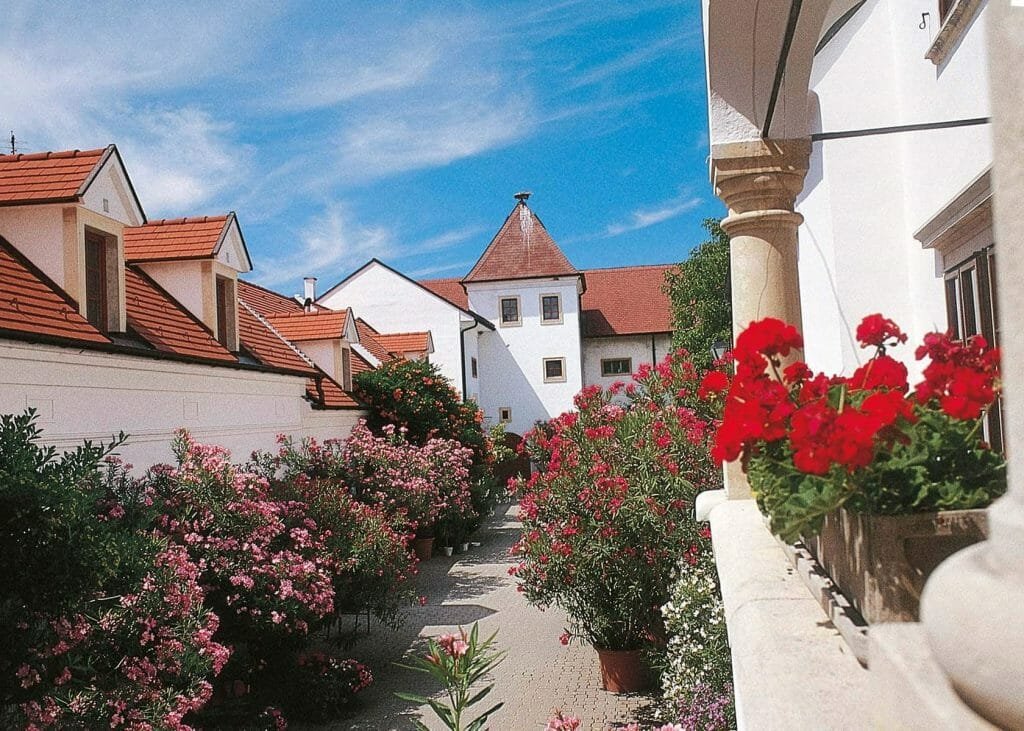
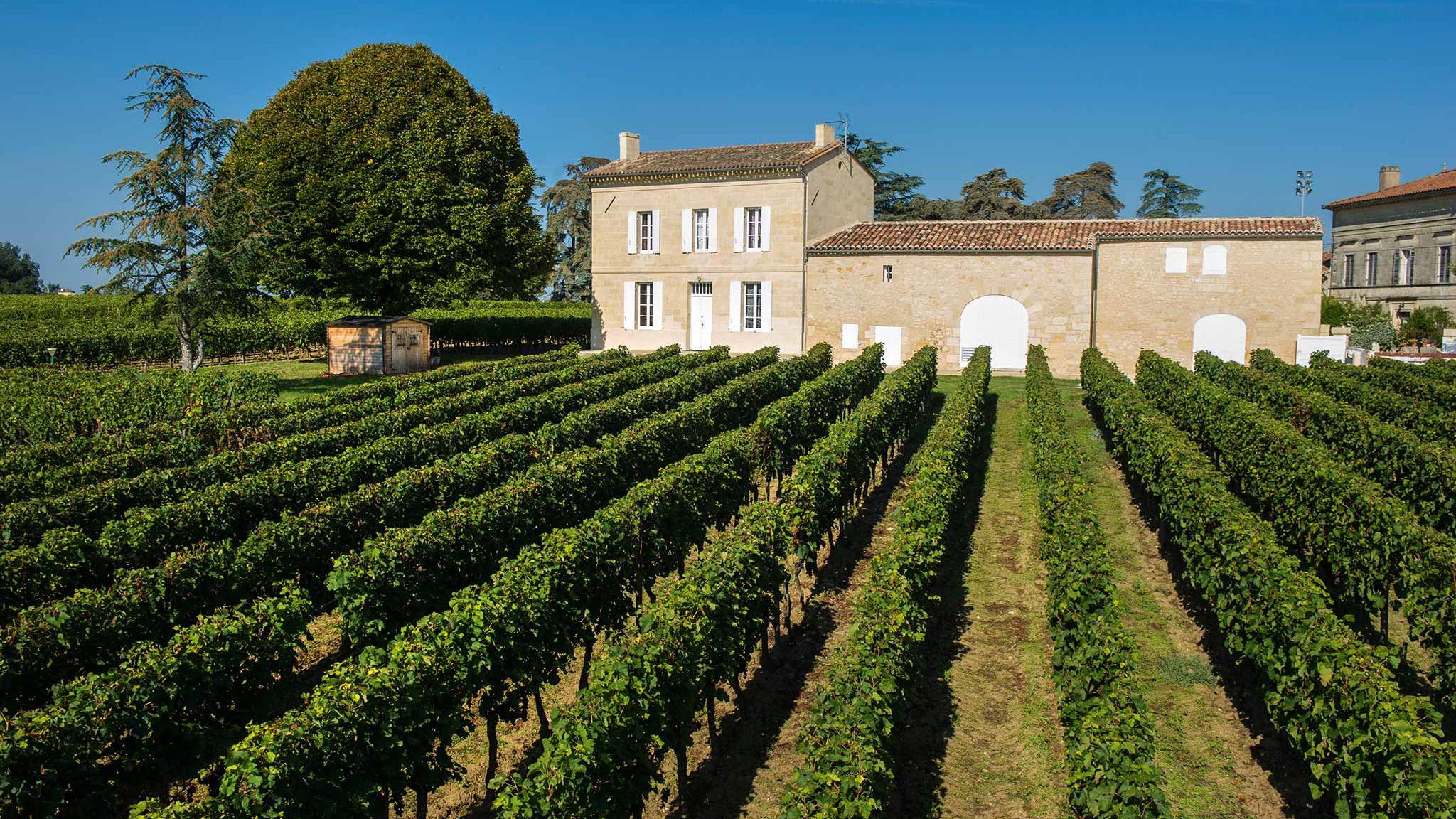
Weingut Ernst Triebaumer sits at the heart of Rust’s compact wine quarter and feels rooted in history. The village’s medieval walls and Baroque facades frame an intimate, old‑world setting where cellars run beneath the cobbled streets and vines lie just steps from the producer’s door. The estate’s character is shaped as much by its built environment as by the surrounding landscape: a lakeside microclimate that fosters botrytis and late-harvest tradition. Visitors encounter a calm, charming atmosphere that reads less like a tasting room showroom and more like a living piece of Burgenland viticultural heritage.
Best For
This estate is ideal for anyone focused on wine education and serious tasting. The narrative of botrytis-driven Ruster Ausbruch and the region’s Blaufränkisch reds gives oenophiles plenty to study, and the physical intimacy of cellar-to-vineyard handling rewards curious visitors who want to understand winemaking decisions up close. It also suits short cultural escapes from Vienna: the drive is about an hour, and the village itself invites a relaxed walk before or after a tasting, making the visit suitable for solo explorers and small groups seeking a focused wine experience.
Tasting Tips
When you visit, prioritize the regionally distinctive styles referenced in the estate’s story: ask to taste late-harvest Ruster Ausbruch examples and local Blaufränkisch expressions to understand how the lake-influenced microclimate shapes sweetness, acidity and aromatics. Request access to the cellar and inquire about the estate’s vineyard sites—text emphasizes the short distance between vine and press, which often informs handling. Allow time to stroll Rust on the same visit; the town’s preserved architecture and proximity to the winery enhance the overall tasting context.
Venue details
Ambiance
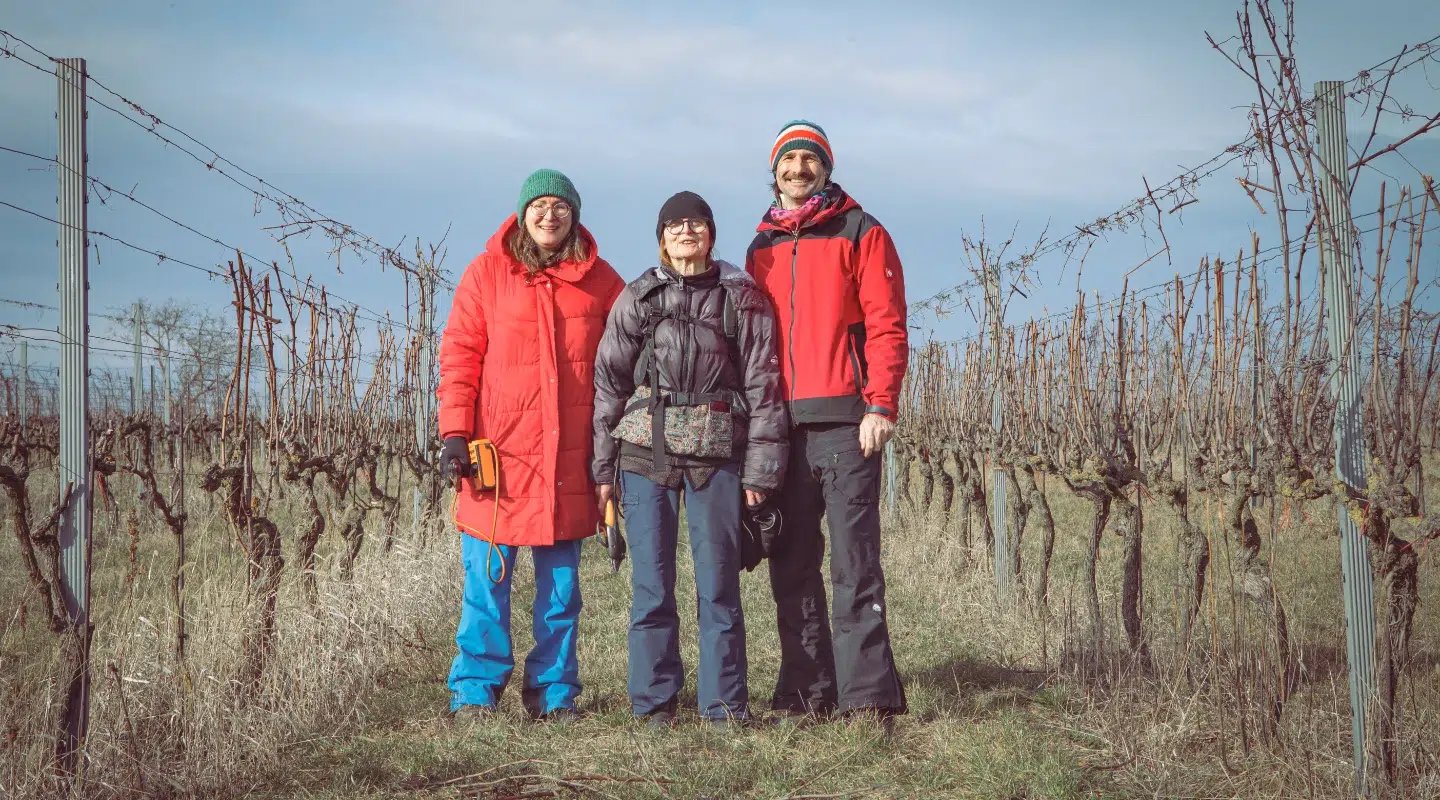
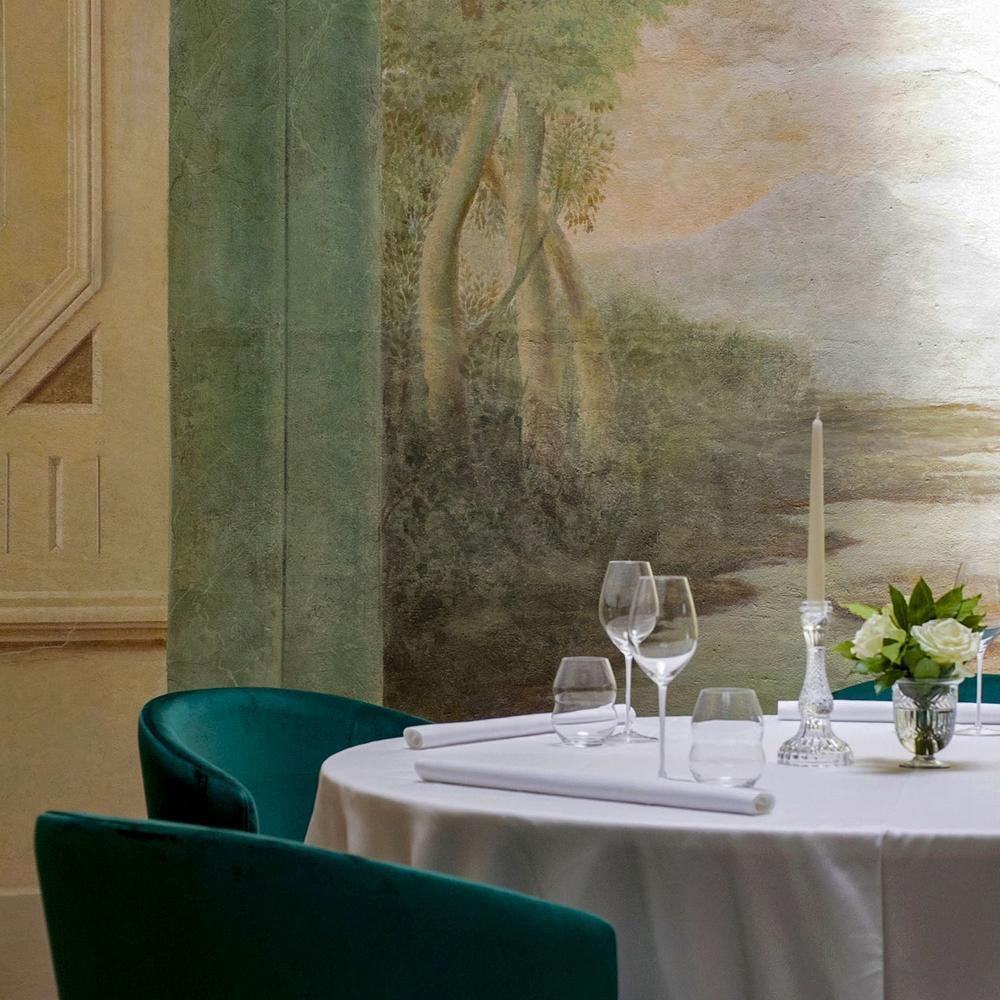
Intimate family-run tasting room with warm, authentic atmosphere focused on sustainable winemaking and terroir-driven wines.
Tags
Vibe
Best For
Experience
Sourcing
View
At the Vineyard
- Appellation
- Rust, Burgenland
- Varietals
- Blaufränkisch, Chardonnay, Cabernet Sauvignon, Merlot, Ruster Ausbruch
- Tour Duration
- 60-90 minutes
- Visits
- By reservation
- Farming
- Biodynamic
- Wine Styles
- Still Red, Still White, Dessert
- Shipping
- Available
- Wine Club
- Not available
Know before you go
Know Before You Go
- Getting there
- F.W.-Raiffeisen-Straße 9, 7071 Rust
Planning details
Location
Recognition and awards

Also consider
If you cannot secure it
Start with Weingut Feiler-Artinger or Weingut Wenzel if the goal is to stay in Rust and keep the itinerary tight. For a wider Burgenland wine day, look at Gut Oggau Winery or Weingut Prieler instead.
Winery context
How It Compares
Against Weingut Feiler-Artinger and Weingut Wenzel, Weingut Ernst Triebaumer is the higher-effort choice for travelers who care more about producer depth than easy itinerary planning. With booking difficulty flagged as severe, it is not the safest anchor for a casual Rust afternoon; it is the one to pursue when the wine itself is the reason for going.
Gut Oggau Winery is the better cross-shop for travelers chasing a more destination-driven name outside the immediate Rust set, while Weingut Prieler makes more sense if the plan already stretches beyond town. Esterházy Winery is the safer choice for visitors who want a broader, more structured winery experience rather than a difficult-to-secure producer visit.
For value, the practical answer is to match the booking to the trip type. Choose Ernst Triebaumer when limited access and a serious wine focus are acceptable tradeoffs. Choose Feiler-Artinger or Wenzel for a Rust comparison day, Gut Oggau or Prieler for a wider regional circuit, and Esterházy when logistics matter more than producer intimacy.
Explore Rust
Around this place
Discover more on Pearl
Unlock the full Weingut Ernst Triebaumer guide in Pearl, including awards, comparisons, FAQs, planning details, and nearby places.
Compare Weingut Ernst Triebaumer
| Venue | Location | Awards |
|---|---|---|
| Weingut Ernst Triebaumer | Rust | 2026 Falstaff Winery Guide |
| Weingut Feiler-Artinger | Rust | 2026 Falstaff Winery Guide |
| Weingut Wenzel | Rust | 2026 Falstaff Winery Guide |
| Gut Oggau Winery | Oggau | 2026 Falstaff Winery Guide |
| Weingut Prieler | Schützen | 2026 Falstaff Winery Guide |
| Esterházy Winery | Trausdorf | 2026 Falstaff Winery Guide |
How Weingut Ernst Triebaumer Rust compares with similar nearby venues.
FAQ
Frequently Asked Questions
What is confirmed about Weingut Ernst Triebaumer?
For comparison, you may also look at Weingut Prieler or Esterházy Winery.
Can Weingut Ernst Triebaumer handle large groups?
Are there membership or repeat-visit details for Weingut Ernst Triebaumer?
If that kind of access is important, check directly with Weingut Ernst Triebaumer and compare your options with names such as Weingut Wenzel or Gut Oggau Winery.
How long should I plan for a visit to Weingut Ernst Triebaumer?
What other venues can I compare with Weingut Ernst Triebaumer?
Useful comparison names include Weingut Feiler-Artinger, Weingut Wenzel, Gut Oggau Winery, Weingut Prieler, and Esterházy Winery. Use them as reference points when deciding how to plan a Rust or broader itinerary.