
Schlossgut Diel
Burg Layen, Rümmelsheim
Winery in Rümmelsheim, Germany
 Book with Pearl
The Read
Site-Expressive Nahe Riesling
Why go
Schlossgut Diel is worth prioritizing if the Rümmelsheim stop is built around serious wine rather than casual drop-in tasting. The value is in producer depth and reputation, not convenience, so plan it early and use it as the anchor for the day rather than one stop among many.
About Schlossgut Diel
Schlossgut Diel is a Rümmelsheim venue with Pearl 3 Star Prestige recognition for 2025. Plan with care and confirm visit-specific arrangements directly before building a day around it.
The clearest practical note is the dress code: smart casual. Treat the venue as a considered stop rather than a casual drop-in, but avoid assuming details such as service format, pricing, menus, tasting availability, group capacity, or opening hours unless the venue states them directly.
Worth prioritizing when it fits your trip
The practical decision is simple: make Schlossgut Diel a priority only if its current arrangements match what you need for the day. Rümmelsheim is specific enough as a destination that the venue can shape the plan, so travelers should confirm logistics before arranging other stops around it.
Assess value based on the Pearl 3 Star Prestige recognition and the smart casual expectation, not on assumptions about amenities, food, drinks, or visit format. If your plans depend on any of those details, check directly before committing.
How to think about it against other options
If Schlossgut Diel is not workable for your itinerary, compare it with other options such as Weingut August Kesseler, Weingut Georg Breuer, Weingut Joh. Bapt. Schäfer, Weingut Kruger-Rumpf, or Weingut Prinz Salm. Use those names as planning references, while confirming each venue's current arrangements directly.
For travelers deciding whether to make Rümmelsheim the focus, Schlossgut Diel is best approached as a Pearl 3 Star Prestige venue where logistics should be checked in advance. Build the trip around firm arrangements, and keep alternative stops in mind if timing, access, or format is important.
Planning details
- Location
- Burg-Layen 16, 55452 Rümmelsheim
- Website
- diel.eu
- Phone
- +49 6721 96950
The take
The Take
The Vibe
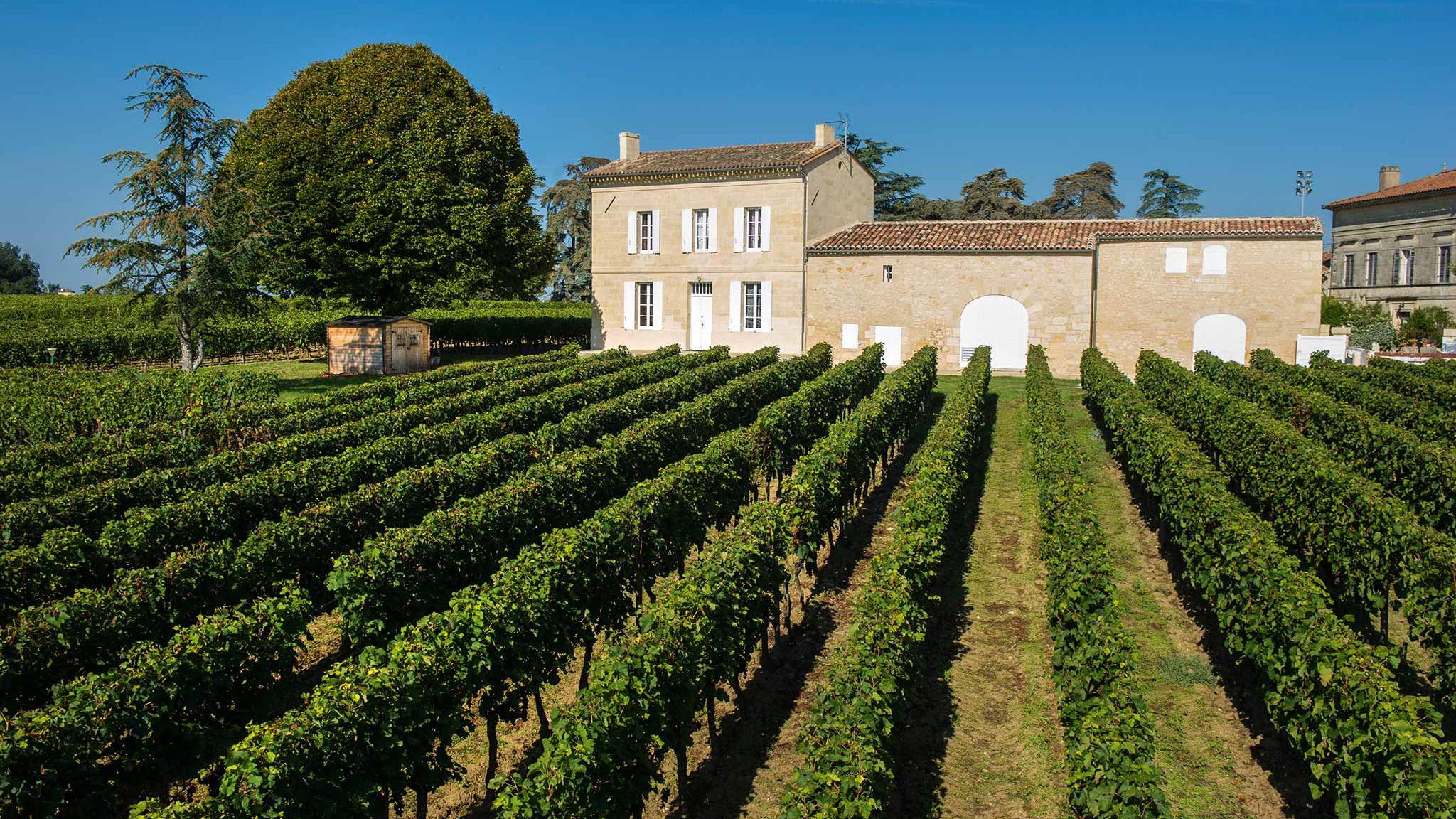
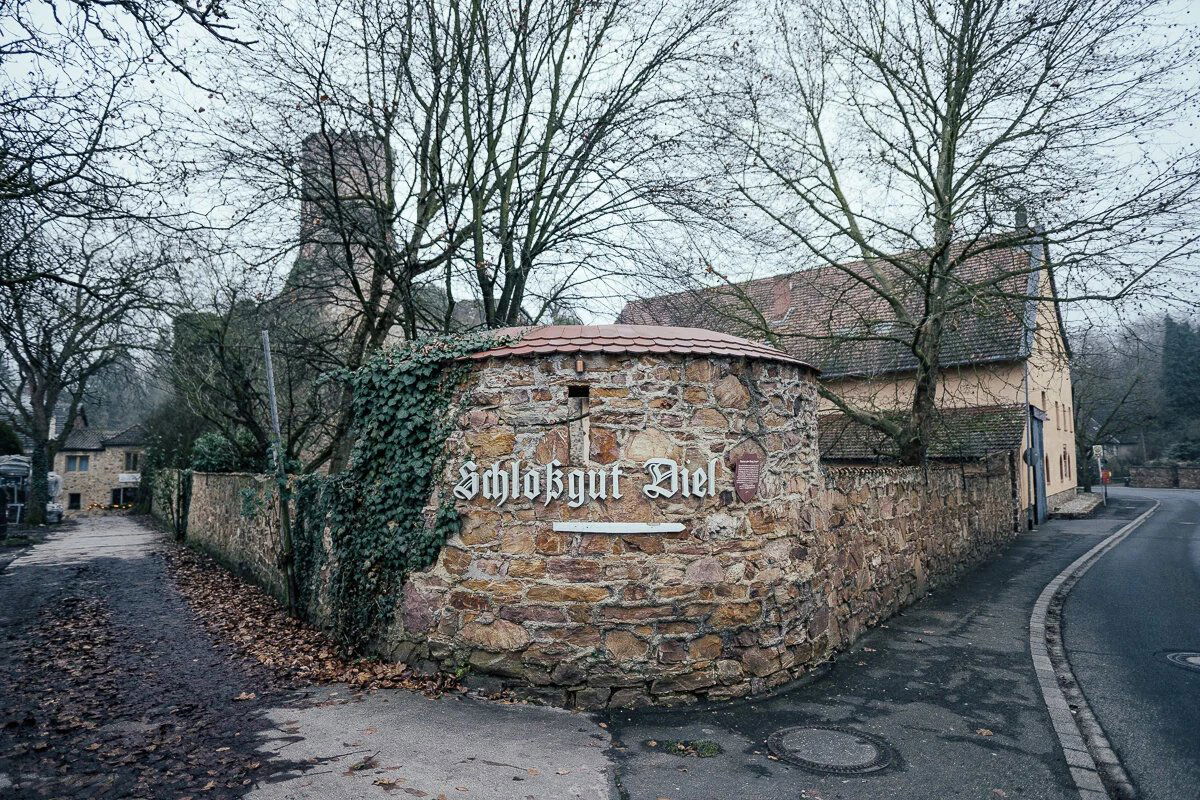
Schlossgut Diel projects a quiet, authoritative presence rooted in the Nahe's complex soils and understated setting. The estate reads less like a tourist stop and more like a working, historic property where the wines are the primary statement. Visitors encounter a reserve of seriousness — decades of focused winegrowing that have earned critical recognition — rather than the trappings of regions with bigger PR machines. The overall mood is contemplative and refined: rustic surfaces and historic bones meet a disciplined, terroir-first approach that rewards attentive tasting and slower, curiosity-driven visits.
Best For
This estate is best for visitors who want to study terroir and taste with intent. Wine-education seekers and solo explorers find value in the Nahe's dramatic soil variation here, because Schlossgut Diel foregrounds geological detail and varietal expression over spectacle. It also suits special occasions for guests who prefer understated excellence to showy staging — the winery's critical standing and recent 2025 Pearl 3 Star Prestige recognition make it a meaningful choice for noteworthy visits. If you prize substance, provenance, and focused tasting time, this is the place.
Tasting Tips
Focus your visit on the wines that speak to the Nahe's varied soils: ask staff to highlight single-vineyard or terroir-driven bottlings and to explain how slate, porphyry, loess and other substrates influence each wine. The copy emphasizes the estate's authority and a recent 2025 Pearl 3 Star Prestige award, so request the producer's top labels or prestige cuvées as reference points. Approach tasting as an educational exercise — prioritize bottlings that demonstrate contrast rather than only convenience blends, and listen for detail about site and soil to understand what sets Schlossgut Diel apart.
Venue details
Ambiance
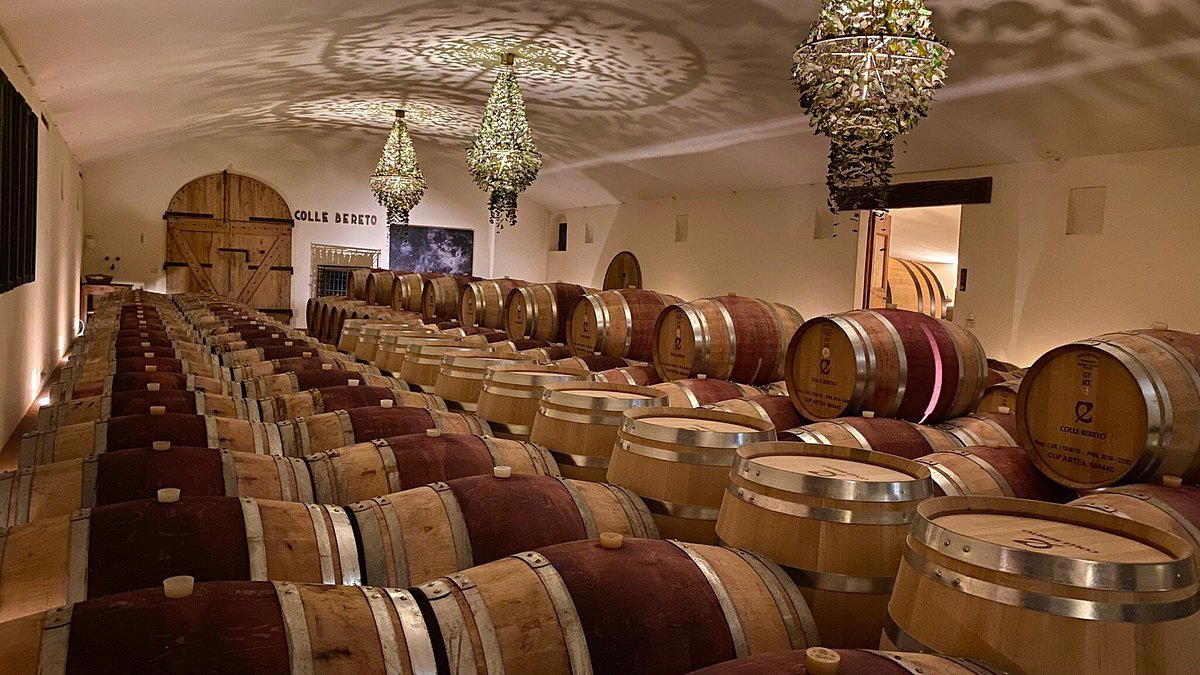
Sophisticated and balanced atmosphere reflecting clear, elegant wines with minerality and finesse in a historic castle setting.
Tags
Vibe
Best For
Experience
Sourcing
View
At the Vineyard
- Appellation
- Nahe
- Varietals
- Riesling, Pinot Noir, Pinot Blanc, Pinot Gris
- Tour Duration
- 60-90 minutes
- Tour Languages
- English, German
- Visits
- By reservation
- Farming
- Organic
- Wine Styles
- Still White, Still Red, Sparkling
- Wine Club
- Not available
Know before you go
Know Before You Go
- Getting there
- Burg-Layen 16, 55452 Rümmelsheim
Planning details
Location
Recognition and awards

Also consider
Also Consider
- Weingut Joh. Bapt. Schäfer, Notable alternative
- Weingut Kruger-Rumpf, Notable alternative
- Weingut August Kesseler, Notable alternative
- Weingut Georg Breuer, Notable alternative
- Weingut Prinz Salm, Notable alternative
Winery context
How it compares
Choose Schlossgut Diel when the priority is a serious, reputation-led wine visit and the group is willing to work around access. Compared with Weingut Joh. Bapt. Schäfer and Weingut Kruger-Rumpf, it is the stronger pick for travelers who want the winery to define the day rather than sit inside a looser tasting schedule.
Weingut August Kesseler and Weingut Georg Breuer make more sense as cross-shops if the plan needs a different regional rhythm or a backup with the same serious-wine intent. They are not casual substitutes; they are better treated as alternate anchors when Schlossgut Diel cannot be arranged.
Weingut Prinz Salm is the peer to consider if ambiance and heritage cues matter as much as the bottles. For pure price-to-quality thinking, the recommendation is to prioritize the producer whose wines you already care about most, because none of these should be treated as filler between meals.
Explore Rümmelsheim
Around this place
Discover more on Pearl
Unlock the full Schlossgut Diel guide in Pearl, including awards, comparisons, FAQs, planning details, and nearby places.
Compare Schlossgut Diel
| Venue | Location | Awards |
|---|---|---|
| Schlossgut Diel | Rümmelsheim | 2026 Falstaff Winery Guide |
| Weingut Joh. Bapt. Schäfer | Burg Layen | 2026 Falstaff Winery Guide |
| Weingut Kruger-Rumpf | Münster-Sarmsheim | 2026 Falstaff Winery Guide |
| Weingut August Kesseler | Rüdesheim (Assmannshausen) | 2026 Falstaff Winery Guide |
| Weingut Georg Breuer | Rüdesheim am Rhein | 2026 Falstaff Winery Guide |
| Weingut Prinz Salm | Wallhausen | 2026 Falstaff Winery Guide |
How Schlossgut Diel Rümmelsheim compares with similar nearby venues.
FAQ
Frequently Asked Questions
How long should I plan for a visit to Schlossgut Diel?
Plan your visit length after checking the current arrangements directly with Schlossgut Diel in Rümmelsheim. If you want to compare it with options such as Weingut Georg Breuer or Weingut Kruger-Rumpf, leave enough flexibility in the day for the logistics.
When is the best time to visit Schlossgut Diel?
Timing depends on the venue's current schedule and arrangements. Schlossgut Diel has Pearl 3 Star Prestige (2025), so it may be worth prioritizing if the arrangements fit your trip. Confirm timing directly before making it the anchor of a Rümmelsheim plan.
Does Schlossgut Diel serve food?
Check food-service details directly with the venue. Treat Schlossgut Diel as a Rümmelsheim venue with smart casual dress code guidance and confirm any food-related expectations directly before visiting.
Are there any membership or special-access details for Schlossgut Diel?
Check membership or special-access terms directly with the venue. Schlossgut Diel's Pearl 3 Star Prestige (2025) makes it notable, but any such value should be judged only after reviewing current terms directly with the venue. If you want broader comparison before committing, look at Weingut August Kesseler or Weingut Prinz Salm.
What other venues can I compare with Schlossgut Diel?
For comparison planning, consider Weingut Kruger-Rumpf, Weingut Joh. Bapt. Schäfer, Weingut Georg Breuer, Weingut August Kesseler, and Weingut Prinz Salm. Confirm each venue's location and current visit details directly before mapping a route.
Can Schlossgut Diel handle large groups?
Do not assume Schlossgut Diel can accommodate a large group unless the venue confirms it in advance. If group logistics matter, compare arrangements directly with options such as Weingut Kruger-Rumpf or Weingut Georg Breuer.