

Williams Gap Vineyard
Round Hill
Winery in Round Hill, United States
 Book with Pearl
The Read
Blue Ridge Gap Terroir
Why go
Williams Gap Vineyard is worth planning around if the goal is a focused Round Hill wine stop rather than a dining-driven afternoon. Go with a small group, aim for fair-weather timing, and compare it with nearby producers if you need easier logistics or a broader hospitality setup.
About Williams Gap Vineyard
Williams Gap Vineyard is a venue in Round Hill with casual dress and Pearl 2 Star Prestige recognition for 2025. Plan around the venue itself, confirming details about food, pricing, hours, tasting formats, or other services directly.
The safest way to consider Williams Gap Vineyard is as a Round Hill vineyard stop. If details such as reservations, group setup, menus, shipping, or current visit logistics matter to your plans, confirm them directly with the venue before building the rest of the day around it.
Plan this as a Round Hill vineyard stop
Williams Gap Vineyard works well for visitors who are choosing a Round Hill vineyard deliberately and are comfortable verifying practical details in advance. Guidance is simple: dress is casual, and the venue carries Pearl 2 Star Prestige recognition for 2025.
For other details, avoid assuming a specific format. Check the venue's current channels before visiting, especially if your plans depend on timing, service details, food availability, or a particular kind of group experience.
Where it fits in a Round Hill winery day
Use Williams Gap Vineyard as a Round Hill vineyard option when the priority is the visit itself. For a wider regional plan, compare it with vineyard options such as Bluemont Vineyard, Breaux Vineyards, Hillsborough Vineyards & Brewery, Sunset Hills Vineyard, and Walsh Family Wine, or consider other dining in Round Hill generically when planning the rest of the day.
If the wider interest is comparing vineyard visits, keep the benchmark focused on relevant regional vineyard choices rather than unrelated venues. Williams Gap Vineyard can be considered alongside Bluemont Vineyard, Breaux Vineyards, Hillsborough Vineyards & Brewery, Sunset Hills Vineyard, and Walsh Family Wine depending on the kind of vineyard day you want.
Planning details
- Location
- 35521 Sexton Farm Ln, Round Hill, VA 20141
- Website
- williamsgapvineyard.com
- Phone
- +1 540-440-1933
The take
The Take
The Vibe
Williams Gap Vineyard reads like a place defined by its landscape: a notch in the Blue Ridge that funnels cool air through rolling foothills. The copy emphasizes elevation, diurnal temperature swings and limestone-laced clay soils, so visitors encounter an environment where geology and climate feel central rather than decorative. That focus gives the property a quietly assured air—calm, contemplative and rooted in place—appealing to people who come to see how the land shapes the wine. The experience is less about spectacle and more about attentive observation of vineyard-driven character.
Best For
This is a destination for anyone interested in how site shapes wine. The write-up repeatedly frames Williams Gap as a reference point for Virginia terroir, so it suits educational outings, small groups exploring regional differences and celebratory visits that foreground landscape and provenance. Travelers who enjoy vineyard walks and conversations about soils, slope and microclimate will get the most from a visit; it’s a good stop for groups focused on tasting context as much as the bottles themselves rather than casual, late-night drinking.
Tasting Tips
Ask staff about the site first: the copy makes clear that elevation, cold-air drainage and limestone-influenced soils are the story here, so request wines that the team identifies as most expressive of the gap. Prioritize estate-labelled bottlings or any vintages the winery highlights as examples of the ridge’s influence—these are likeliest to show the acidity, tension and minerality the text cites. If you want context, steer conversations toward harvest timing and diurnal swings so the tasting connects directly to the landscape described in the vineyard’s profile.
Venue details
Ambiance
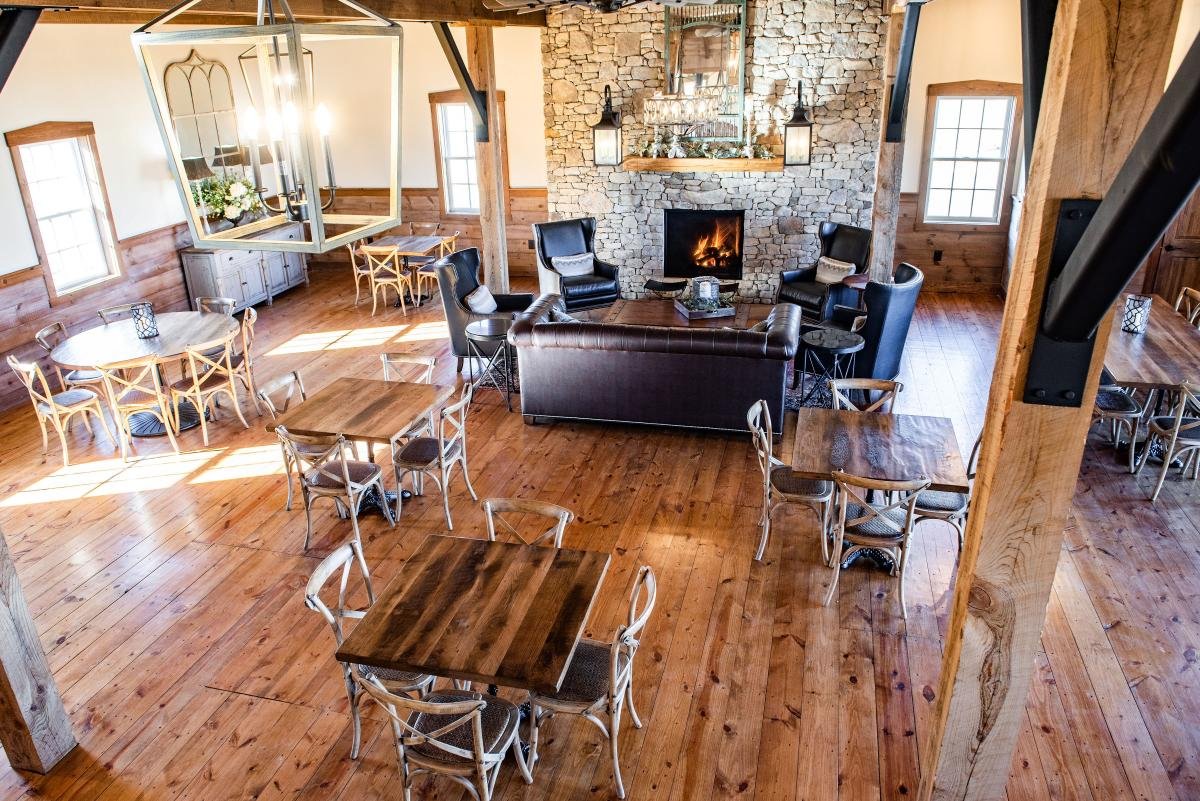
Warm and inviting tasting room with a beautiful, scenic setting among the vineyards, perfect for relaxing.
Tags
Vibe
Best For
Experience
View
At the Vineyard
- Appellation
- Loudoun County
- Varietals
- Cabernet Sauvignon, Petit Verdot, Merlot, Vidal Blanc, Petit Manseng
- Tour Duration
- 2-3 hours
- Wine Club
- Available
Know before you go
Know Before You Go
- Getting there
- 35521 Sexton Farm Ln, Round Hill, VA 20141
Planning details
Location
Also consider
Also Consider
- Walsh Family Wine, Notable alternative
- Hillsborough Vineyards & Brewery, Notable alternative
- Bluemont Vineyard, Notable alternative
- Sunset Hills Vineyard, Notable alternative
- Breaux Vineyards, Notable alternative
Winery context
How It Compares
Williams Gap Vineyard is the tighter, more wine-first choice in this Round Hill set. Choose it when the priority is a focused producer visit and a quieter pace. Walsh Family Wine is the stronger cross-shop for readers who want another serious regional producer to compare in the same day, while Hillsborough Vineyards & Brewery is the more flexible pick for mixed groups because the brewery component broadens the appeal beyond wine.
For ambiance-led planning, Bluemont Vineyard is the safer pick when the setting is the main event, especially for visitors building a scenic afternoon rather than a tasting-focused stop. Sunset Hills Vineyard is a useful alternative when the group wants a more established winery outing with less pressure on a single producer visit.
Breaux Vineyards is the better backup for larger groups or visitors who want a broader, more classic Virginia winery experience. Williams Gap Vineyard is the one to prioritize when the table stakes are focus and a calmer feel; choose one of the larger peers when booking ease, group logistics, or built-in variety matter more.
Explore Round Hill
Around this place
Discover more on Pearl
Unlock the full Williams Gap Vineyard guide in Pearl, including awards, comparisons, FAQs, planning details, and nearby places.
Compare Williams Gap Vineyard
| Venue | Location | Awards |
|---|---|---|
| Williams Gap Vineyard | Round Hill | No published awards |
| Walsh Family Wine | Purcellville | No published awards |
| Hillsborough Vineyards & Brewery | Hillsboro | No published awards |
| Bluemont Vineyard | Bluemont | No published awards |
| Sunset Hills Vineyard | Purcellville | No published awards |
| Breaux Vineyards | Purcellville | No published awards |
How Williams Gap Vineyard Round Hill compares with similar nearby venues.
FAQ
Frequently Asked Questions
Do I need a reservation at Williams Gap Vineyard?
Confirm reservation needs directly with the venue before visiting. Williams Gap Vineyard is in Round Hill and has Pearl 2 Star Prestige recognition for 2025, but does not specify a reservation policy.
When is the best time to visit Williams Gap Vineyard?
Specific hours or an ideal time of day are not specified. Plan ahead and check the venue's current information before you go, especially if you are pairing Williams Gap Vineyard with other vineyard stops.
Does Williams Gap Vineyard serve food?
Do not plan this as a food stop unless you confirm the current setup before going. Williams Gap Vineyard is a Round Hill vineyard, but does not specify food service, menus, or lunch availability.
Does Williams Gap Vineyard offer membership or club details?
Confirm any membership or club details directly with the venue. If you are comparing vineyard options before making a commitment, you may also look at Walsh Family Wine or Sunset Hills Vineyard as other regional vineyard choices.
Does Williams Gap Vineyard ship wine?
Do not count on shipping unless you confirm it directly with the venue. A shipping policy is not specified, so treat Williams Gap Vineyard as a Round Hill visit and confirm fulfillment details before making plans.