
De Wetshof Estate
Robertson Wine Valley, Robertson
Winery in Robertson, South Africa
 Book with Pearl
The Read
Limestone-Driven Chardonnay
Price
$20–30tasting
Why go
De Wetshof Estate is the Robertson pick for travelers who want a focused wine visit rather than a casual cellar-door crawl. Its Pearl 2 Star Prestige recognition gives it a clear quality signal, but the fit is strongest for wine-led couples or small groups who can plan ahead and give the estate enough time.
About De Wetshof Estate
De Wetshof Estate is a Robertson venue with a smart-casual dress code and Pearl 2 Star Prestige recognition for 2025. For food service, tasting format, opening hours, prices, shipping, or membership benefits, contact the venue directly before planning around them.
A considered Robertson stop for a flexible itinerary
Use De Wetshof Estate as a considered Robertson option rather than assuming a particular visit format. Its premium positioning is clear, but details such as a restaurant, a wine-club offer, a private tasting, or a set hospitality format should be checked with the estate.
If your plan depends on a specific service, contact the venue first. That is especially important for groups coordinating timing, food, purchases, accessibility needs, or any other practical detail.
For comparison planning, you can also look at names such as Van Loveren Family Vineyards, Robertson Winery, Klipdrift Distillery, Springfield Estate, and Graham Beck Wines. Use those comparisons to shape the day, but check each venue's current offering directly before committing.
Plan around the essentials
The safest planning approach is simple: treat De Wetshof Estate as a Robertson venue with smart-casual expectations and Pearl 2 Star Prestige recognition in 2025. Do not assume lunch, tastings, shipping, pricing, or specific visitor services unless the estate confirms them.
If staying over, cross-check Robertson hotels, then plan any Robertson dining or after-visit stops separately so the day does not depend on services at the estate.
Planning details
- Location
- R317 between Robertson & Bonnievale, Robertson, 6705
- Website
- dewetshof.com
- Phone
- +27 23 615 1853
The take
The Take
The Vibe
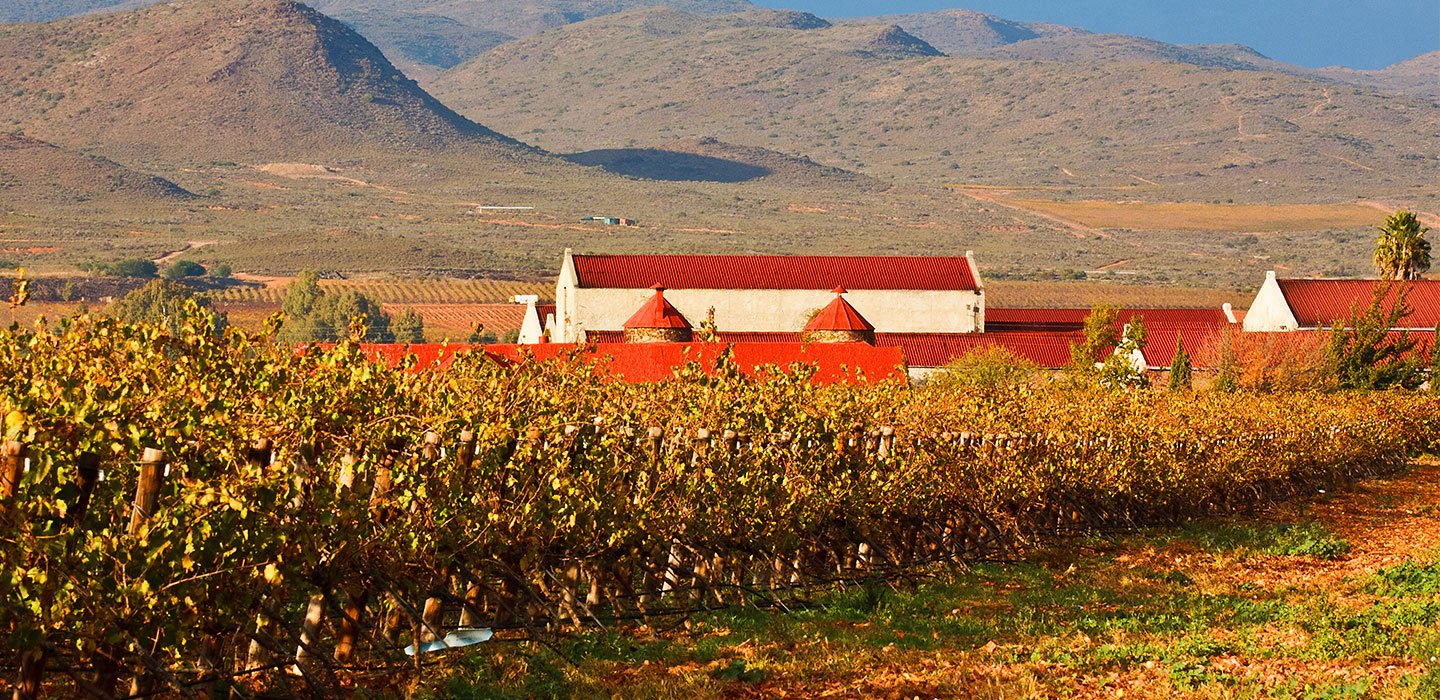
De Wetshof Estate reads as a terroir-first winery where the limestone soils and semi-arid valley set the tone. The writing foregrounds disciplined viticulture and structural Chardonnay, and the estate’s recent Pearl 2 Star Prestige recognition reinforces a polished, sophisticated character without overt flash. The landscape — pale, chalky floors and heat-retaining mountains — gives the place a scenic, quietly assured presence: it’s elegant and refined in its priorities, more about mineral-driven precision than showy production. Visitors encounter a winery that argues for place through its wines rather than marketing rhetoric.
Best For
This estate is best for visitors who want to understand how geology shapes wine: students of terroir, serious tasters and anyone drawn to Chardonnay that foregrounds structure and minerality. It suits educational visits where the conversation centers on limestone soils, water management and cellar decisions, and it also stands as a destination for special-occasion tastings given its award recognition. Solo explorers who appreciate focused, explanatory tastings will find plenty to study here; groups seeking photogenic vineyards can appreciate the settings, though the core draw is the wines’ sense of place.
Tasting Tips
When you visit, concentrate your tasting on the estate Chardonnays and any flagship bottlings that reference soil or site—the copy specifically highlights Chardonnay and the estate’s terroir-driven profile. Ask the host about the Breede River Valley’s calcareous soils, how water is managed in this semi-arid context, and what the 2025 Pearl 2 Star Prestige recognition signals about the lineup. Framing questions around vineyard sites, cellar decisions and vintage differences yields the most revealing pours; prioritize wines that explicitly reference limestone or single-site origin for the clearest expression of place.
Venue details
Ambiance
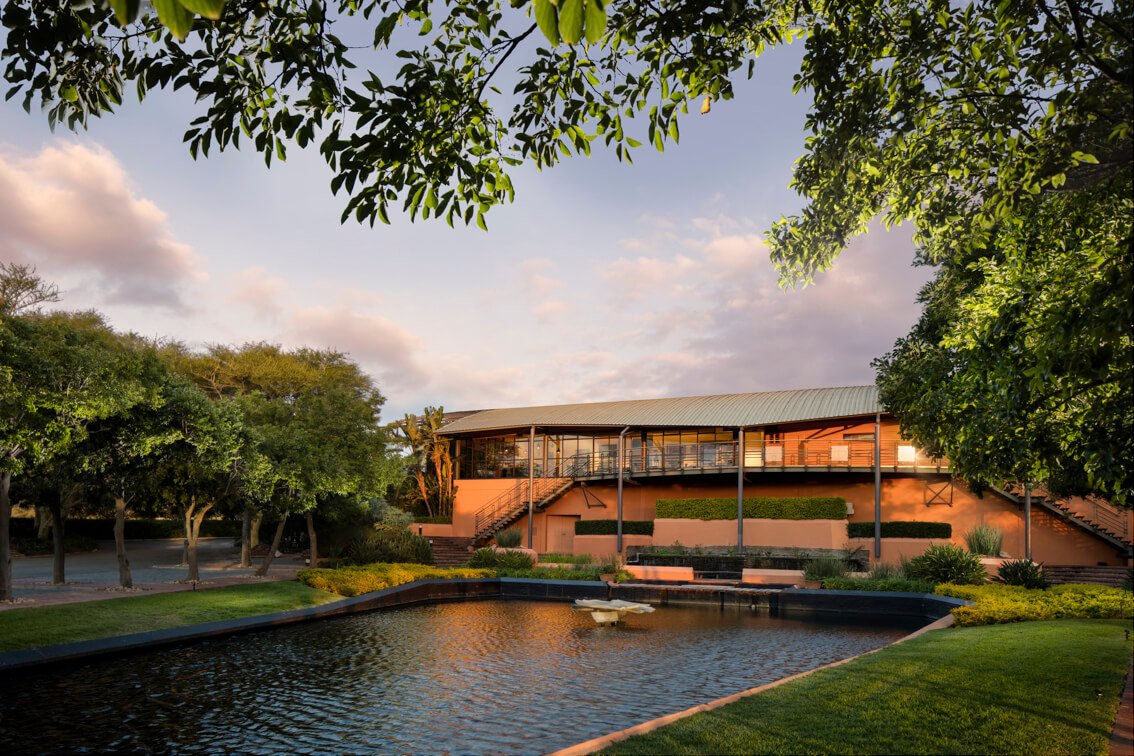
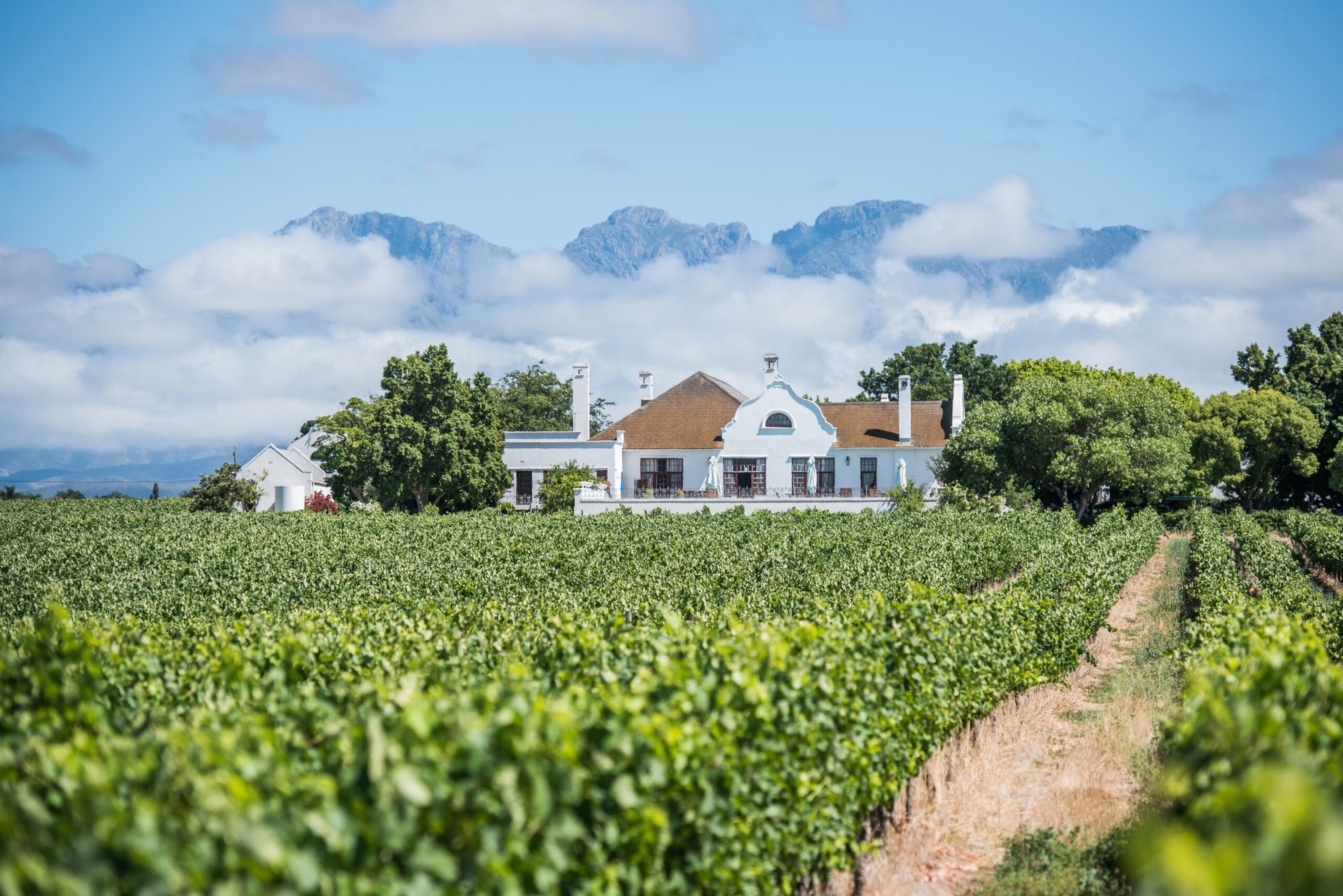
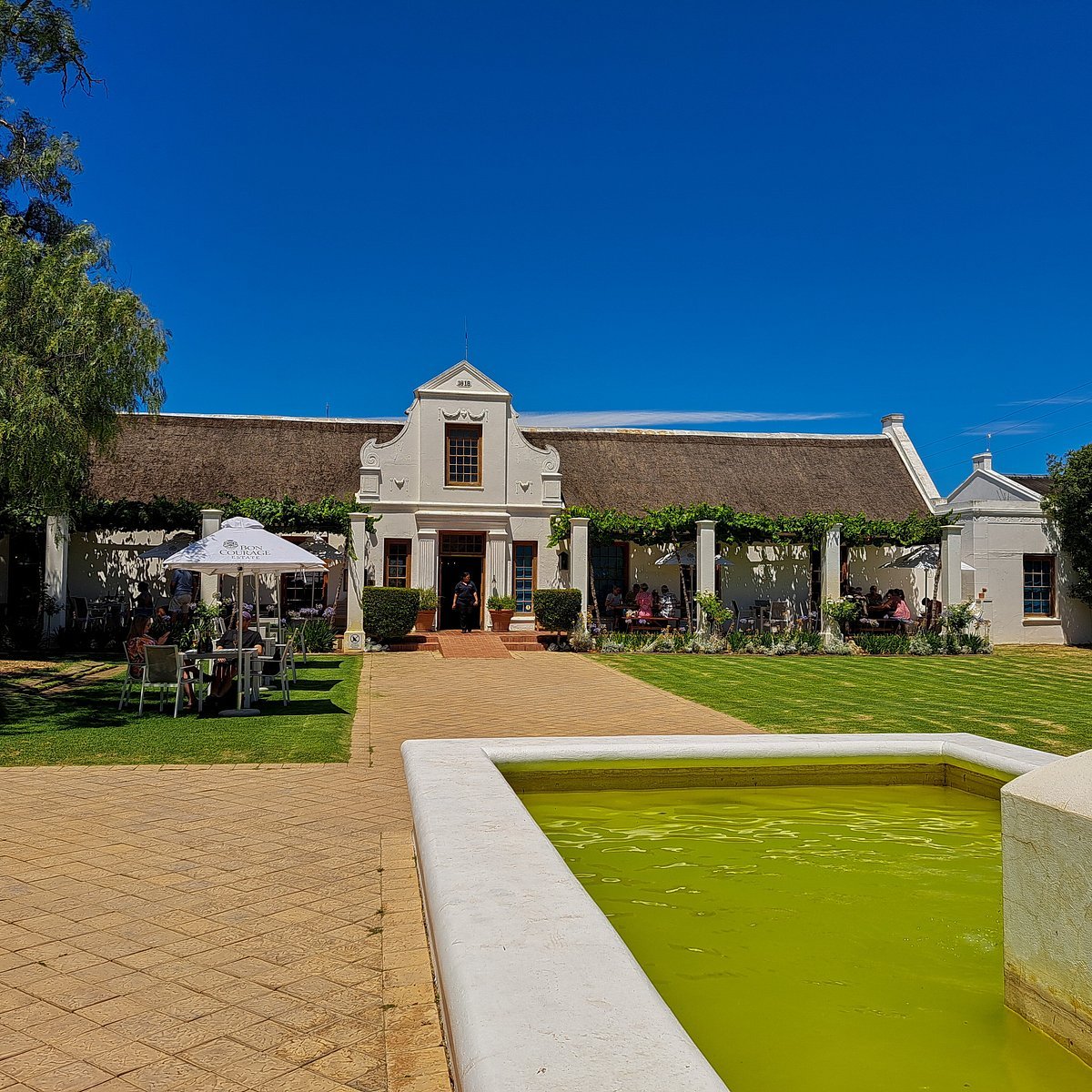
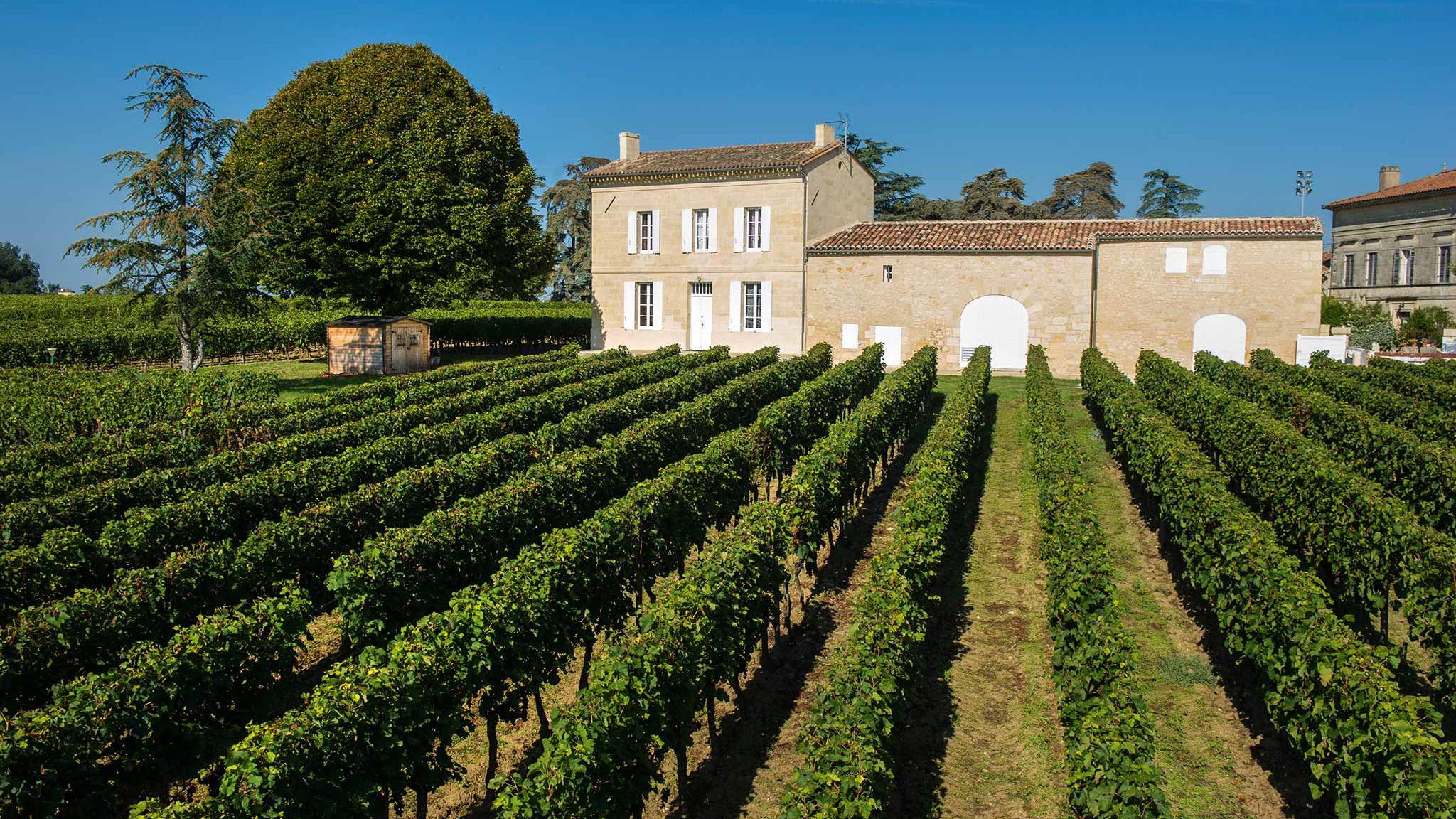
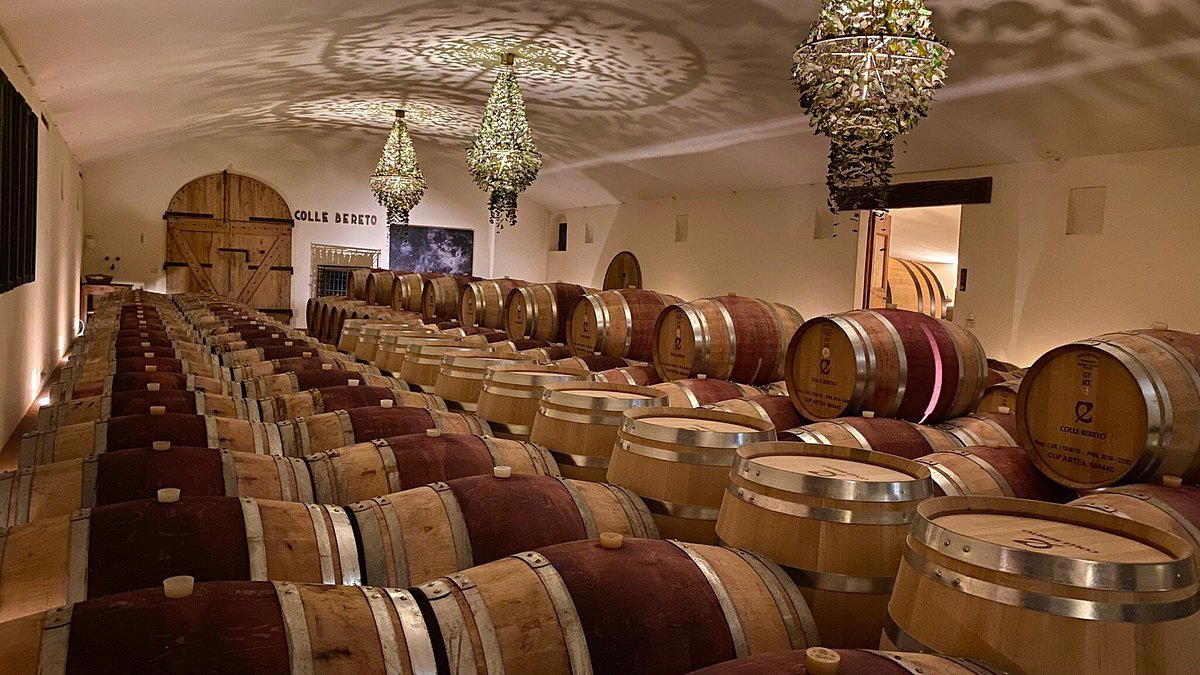
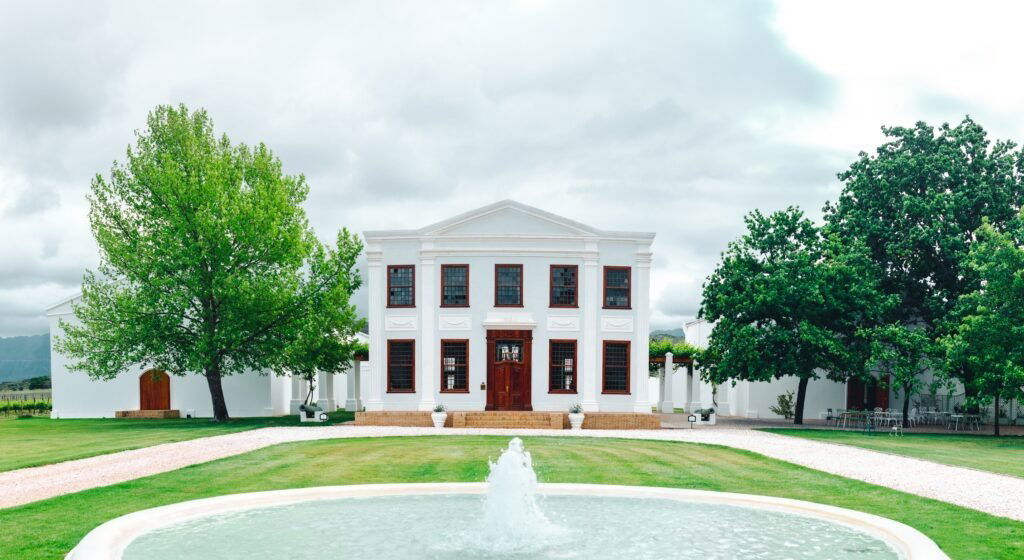
Elegant and historic with crisp white buildings, rose bushes, jacaranda trees, and stunning vineyard views.
Tags
Vibe
Best For
Experience
View
At the Vineyard
- Appellation
- Robertson
- Varietals
- Chardonnay, Pinot Noir
- Tour Duration
- 60-90 minutes
- Tour Languages
- English
- Visits
- By reservation
- Production
- Mid-size producer
- Wine Styles
- Still White, Sparkling, Still Rose
- Wine Club
- Not available
Know before you go
Know Before You Go
- Getting there
- R317 between Robertson & Bonnievale, Robertson, 6705
Planning details
Location
Recognition and awards

Also consider
If you cannot secure the right slot
Cross-shop Springfield Estate first for a similarly wine-focused Robertson plan. For a more flexible group day, use Van Loveren Family Vineyards as the fallback.
Winery context
How it compares in Robertson
Choose De Wetshof Estate when the brief is a serious wine stop with a quieter estate feel. Van Loveren Family Vineyards is the easier call for broader groups and a more relaxed outing, while Robertson Winery is better suited to visitors who want a simple, accessible tasting-room plan without making the whole day revolve around one producer.
For wine-focused travelers, Springfield Estate and Graham Beck Wines are the stronger cross-shops. Springfield makes sense if the group wants another estate-led wine stop; Graham Beck is the cleaner choice if sparkling wine is part of the agenda. If not everyone wants wine, Klipdrift Distillery gives the day a spirits-focused alternative and is the more practical pick for mixed palates.
Around this place
Discover more on Pearl
Unlock the full De Wetshof Estate guide in Pearl, including awards, comparisons, FAQs, planning details, and nearby places.
Compare De Wetshof Estate
| Venue | Location | Awards |
|---|---|---|
| De Wetshof Estate | Robertson | 2026 Falstaff Winery Guide |
| Van Loveren Family Vineyards | Robertson | No published awards |
| Springfield Estate | Robertson | 2026 Falstaff Winery Guide |
| Klipdrift Distillery | Robertson | No published awards |
| Robertson Winery | Robertson | 2026 Falstaff Winery Guide |
| Graham Beck Wines | Robertson | 2026 Falstaff Winery Guide |
How De Wetshof Estate Robertson: Pearl Prestige Guide compares with similar nearby venues.
FAQ
Frequently Asked Questions
Does De Wetshof Estate serve food?
Do not plan on De Wetshof Estate as a food stop unless you confirm current details directly with the venue. If food is important to the day, compare the route with other Robertson options and check official channels before you go.
Are wine-club or membership details available for De Wetshof Estate?
Do not make a decision based on assumed wine-club or membership benefits. The quality signal is Pearl 2 Star Prestige for 2025. Compare De Wetshof Estate with Robertson Winery and Graham Beck Wines, and confirm any membership terms directly before signing up.
When is the best time to visit De Wetshof Estate?
What other venues can I compare with De Wetshof Estate?
Robertson Winery, Graham Beck Wines, Van Loveren Family Vineyards, and Springfield Estate are useful comparisons when planning. Klipdrift Distillery is another option if you are comparing a different kind of stop.
How should I arrange shipping with De Wetshof Estate?
If shipping matters, contact De Wetshof Estate directly and compare the process with other venues before deciding.