

Cerro Chapeu (Carrau)
Rivera
Winery in Rivera, Uruguay
 Book with Pearl
The Read
Frontier Laterite Viticulture
Why go
Cerro Chapeu (Carrau) is a specialist Rivera pick for travellers who care more about Uruguayan wine depth than easy logistics. It is worth pursuing for a focused northern wine route, but less suitable as a casual add-on if the trip is centred on Montevideo, the coast, or a packed one-day itinerary.
About Cerro Chapeu (Carrau)
Cerro Chapeu (Carrau) is a Rivera venue with Pearl 2 Star Prestige recognition for 2025. It has a casual dress code, and travellers should confirm practical details such as format, service schedule, price, menu, and access policy directly with the venue before visiting.
For travellers deciding whether to include it, the key facts are simple: the venue is in Rivera, it has Pearl 2 Star Prestige recognition, and the dress code is casual. If you need fixed logistics, confirm the practical details before making it a central stop on the day.
Prioritise it for Rivera depth
The clearest reason to prioritise Cerro Chapeu (Carrau) is its recognition in Rivera. Consider it a high-interest Rivera listing rather than assuming a particular visit style or itinerary structure.
When comparing it with other notable Uruguay options, keep the comparison broad rather than local unless you have checked each route yourself. Useful reference points include Bodega Garzón, Bodega Juanicó (Familia Deicas), Bodega Marichal, Bodega Sacromonte, and Los Nadies.
How to decide if it belongs on your Uruguay route
Put Cerro Chapeu (Carrau) on the shortlist if a Pearl-recognised Rivera venue fits the trip you are building. Confirm services, reservations, offerings, and opening patterns directly before travelling.
If your itinerary depends on multiple confirmed stops, compare Cerro Chapeu (Carrau) with Bodega Garzón, Bodega Juanicó (Familia Deicas), Bodega Marichal, Bodega Sacromonte, and Los Nadies as separate planning options. The grounded recommendation is simple: consider Cerro Chapeu (Carrau) for its Rivera location and Pearl 2 Star Prestige recognition, then verify all operational details before committing.
Planning details
- Location
- Linea divisoria s/n, 40000 Rivera, Departamento de Rivera
- Website
- cerrochapeu.com
- Phone
- +598 98 844 944
The take
The Take
The Vibe
Cerro Chapeu reads as a terroir-first, quietly exceptional wine property. The copy emphasizes geographic specificity — a hilltop vineyard on the Rivera–Brazil border with granite and red laterite soils — so the impression is of a focused, place-driven producer rather than a flashy destination. It feels like a discovery for those who follow soils and microclimates: remote, rigorous and characterful. The writing positions the site as an understated standout whose identity is defined by climate and elevation rather than hospitality trappings, which lends a low-key, earnest charm to the visit.
Best For
This is a good stop for visitors who want to deepen their understanding of Uruguayan terroir and compare inland viticulture to the more familiar coastal expressions. The narrative highlights diurnal temperature swings, soil composition and a deliberate family decision to plant in Rivera, so it suits wine-education outings, small group tastings focused on site expression, and anyone curious about how altitude and continental climate shape phenolic development and acidity. It's less about flashy amenities and more about learning why this address matters.
Tasting Tips
When tasting at Cerro Chapeu, prioritize wines that showcase acidity and phenolic concentration — the description stresses diurnal swings and elevation as drivers of those traits. Ask the hosts about the granite and red laterite soils and how specific parcels on the hill translate to flavor and structure. If available, seek vertical or comparative pours that illustrate differences between Rivera and Uruguay's coastal zones; the copy makes that contrast central to the site's story. Avoid expecting elaborate on-site services — the emphasis is squarely on vineyard-driven expression.
Venue details
Ambiance
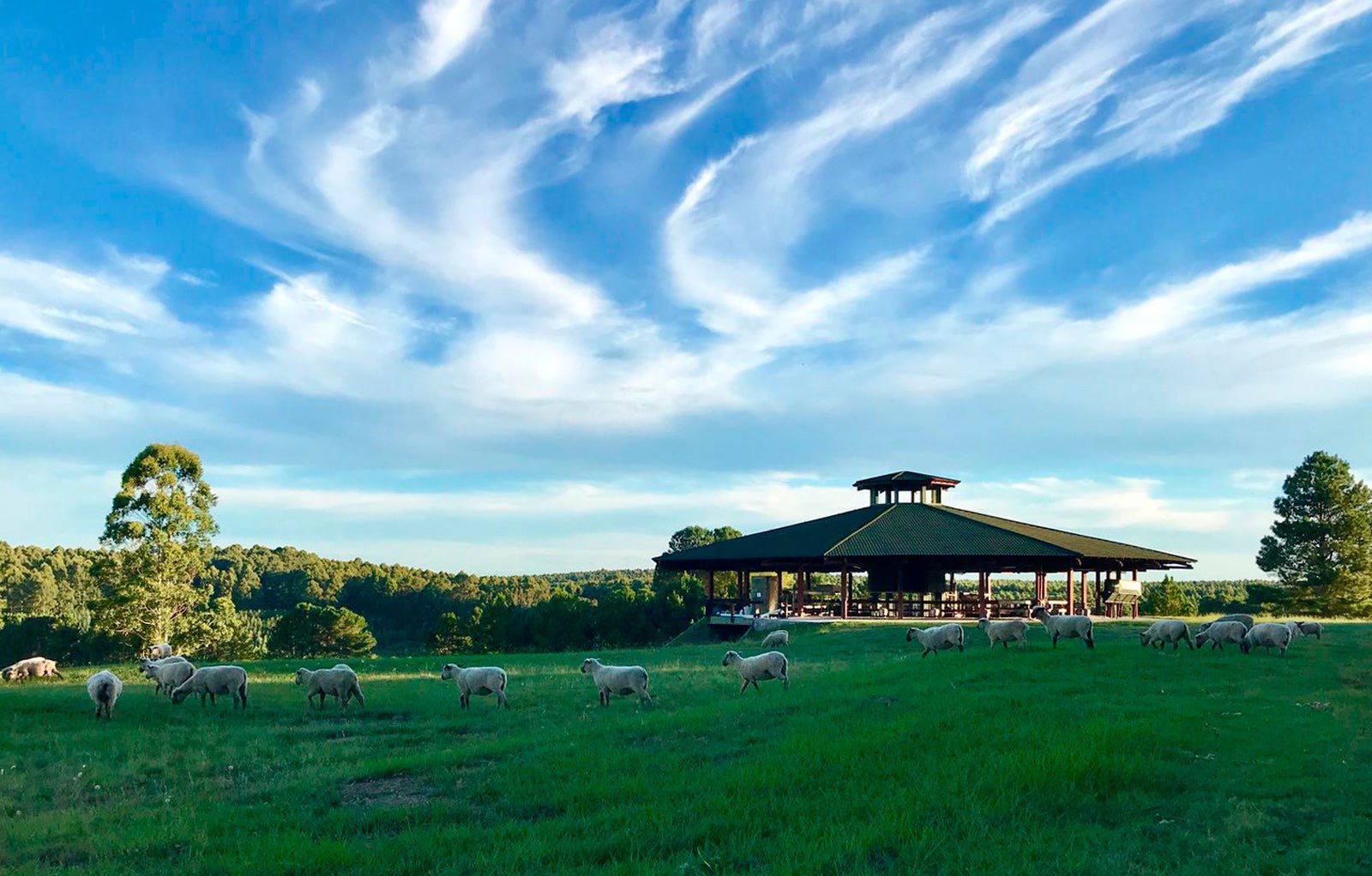
Modern, high-tech facility with an octagonal spaceship-like roof nestled in stunning, unspoiled countryside hills.
Tags
Vibe
Best For
Experience
Sourcing
View
Accessibility
At the Vineyard
- Appellation
- Cerro Chapeu
- Varietals
- Tannat, Cabernet Sauvignon, Petit Manseng, Viognier, Pinot Noir
- Tour Duration
- 60-90 minutes
- Tour Languages
- English, Spanish, Portuguese
- Visits
- By reservation
- Farming
- Sustainable
- Wine Styles
- Still Red, Still White, Sparkling
- Food Pairing
- Offered
- Shipping
- Available
- Wine Club
- Not available
Know before you go
Know Before You Go
- Getting there
- Linea divisoria s/n, 40000 Rivera, Departamento de Rivera
Planning details
Location
Linea divisoria s/n, 40000 Rivera, Departamento de Rivera · Directions
Also consider
Where to look if this is hard to arrange
If Rivera logistics do not work, start with Bodega Garzón for a more destination-oriented winery day. For a route that stays closer to Uruguay's traditional wine corridors, Bodega Juanicó (Familia Deicas) is the more practical cross-shop.
Winery context
How it compares in the Uruguay winery set
Cerro Chapeu (Carrau) is the more specialist choice if Rivera itself is part of the plan. Los Nadies and Bodega Sacromonte are better cross-shops for travellers who want a winery experience with less emphasis on northern Uruguay as the destination. Choose Cerro Chapeu (Carrau) for depth; choose the others if the itinerary needs easier pairing with broader leisure travel.
Bodega Garzón is the safer recommendation for visitors who want a polished, destination-style winery day with wider name recognition. Bodega Marichal and Bodega Juanicó (Familia Deicas) make more sense for travellers prioritising access from Uruguay's core wine corridors. Cerro Chapeu (Carrau) is the pick when scarcity and regional specificity matter more than convenience.
On value, the calculation is less about tasting fees and more about travel time. If the route already includes Rivera, this can be a high-value anchor. If it requires a major detour, Bodega Garzón or Bodega Juanicó (Familia Deicas) will suit more travellers because the surrounding itinerary is easier to build.
Explore Rivera
Around this place
Discover more on Pearl
Unlock the full Cerro Chapeu (Carrau) guide in Pearl, including awards, comparisons, FAQs, planning details, and nearby places.
Compare Cerro Chapeu (Carrau)
| Venue | Location | Awards |
|---|---|---|
| Cerro Chapeu (Carrau) | Rivera | No published awards |
| Los Nadies | Canelones | No published awards |
| Bodega Sacromonte | Maldonado | No published awards |
| Bodega Marichal | Canelones | No published awards |
| Bodega Garzón | Maldonado | 2026 Falstaff Winery Guide2025 World's 50 Best Vineyards · #42024 World's 50 Best Vineyards · #112023 World's 50 Best Vineyards · #62022 World's 50 Best Vineyards · #102021 World's 50 Best Vineyards · #42020 World's 50 Best Vineyards · #22019 World's 50 Best Vineyards · #2 |
| Bodega Juanicó (Familia Deicas) | Canelones | No published awards |


How Cerro Chapeu (Carrau) Rivera compares with similar nearby venues.
FAQ
Frequently Asked Questions
When is the best time to visit Cerro Chapeu (Carrau)?
The best time to visit is when you have confirmed the venue's current arrangements directly. Cerro Chapeu (Carrau) is in Rivera and has Pearl 2 Star Prestige recognition for 2025, but specific hours or visit formats should be confirmed before you go.
What other venues should I compare with Cerro Chapeu (Carrau)?
For broader planning, compare Cerro Chapeu (Carrau) with Bodega Garzón, Bodega Juanicó (Familia Deicas), Bodega Marichal, Bodega Sacromonte, and Los Nadies. Treat them as separate itinerary options unless you have independently confirmed travel times and access.
What is Cerro Chapeu (Carrau) known for?
Cerro Chapeu (Carrau) is known for being in Rivera, having a casual dress code, and holding Pearl 2 Star Prestige recognition for 2025. More specific claims about offerings or format should be confirmed directly.
Are memberships or special programs available at Cerro Chapeu (Carrau)?
What practical details should I confirm before visiting Cerro Chapeu (Carrau)?
Confirm any practical details that matter to your plans directly with Cerro Chapeu (Carrau). This venue is in Rivera, has a casual dress code, and holds Pearl 2 Star Prestige recognition for 2025.