

Bruno Paillard
South of Reims city centre, Reims
Winery in Reims, France
 Book with Pearl
The Read
Founder-Built Blanc de Blancs Precision
Why go
A strong Reims pick for Champagne drinkers who want a newer maison with a clear winemaking identity rather than a purely heritage-led cellar visit. Prioritise it if you can confirm plans in advance; cross-shop Charles Heidsieck, Taittinger, or Ruinart if you need a broader, more classic Reims-house experience.
About Bruno Paillard
In Reims, Bruno Paillard is a venue to consider when building a visit around essential details. Alice Paillard is listed as chef/owner, the dress code is smart casual, and Bruno Paillard holds 4 Star Prestige recognition for 2025. Beyond that, practical arrangements should be checked directly before planning the day around a visit.
The key decision is whether this belongs on a tight Reims itinerary. It can, especially if the appeal is a recognised Reims venue rather than a fully documented visitor programme. Published specifics such as pricing, opening hours, food service, shipping, group capacity, and visit format should be checked in advance rather than assumed.
A Reims venue for travellers who want a focused stop
The value case is strongest for visitors who want to compare Bruno Paillard with other recognised names in Reims. Charles Heidsieck, Piper-Heidsieck, Lanson, Taittinger, and Ruinart are useful reference points when deciding how to shape an itinerary, while Bruno Paillard remains the focus for anyone specifically interested in this venue.
For any purchase, membership, or allocation thinking, treat this as a research step rather than a guaranteed commercial programme. Without confirmed membership terms, pricing, or fulfillment details, the sensible move is to judge fit by information you can verify directly with the venue before committing travel time or budget.
How to place it in a Reims weekend
Plan Bruno Paillard as a Reims stop, not as filler between other plans. Reims has enough alternatives that an uncertain visit should not hold the whole day hostage: use broader Reims planning resources to build backups, then round out the trip with Our full Reims restaurants guide, Our full Reims hotels guide, Our full Reims bars guide, and other Reims experiences.
If the trip extends beyond Bruno Paillard, compare the experience with the other Reims names above or with other Reims dining and travel plans more generally. Keep the planning practical: confirm timing, access, and any on-site expectations directly, and dress smart casual unless the venue advises otherwise.
Planning details
- Location
- Av. de Champagne, 51100 Reims
- Website
- champagnebrunopaillard.com
- Phone
- +33 3 26 36 20 22
The take
The Take
The Vibe
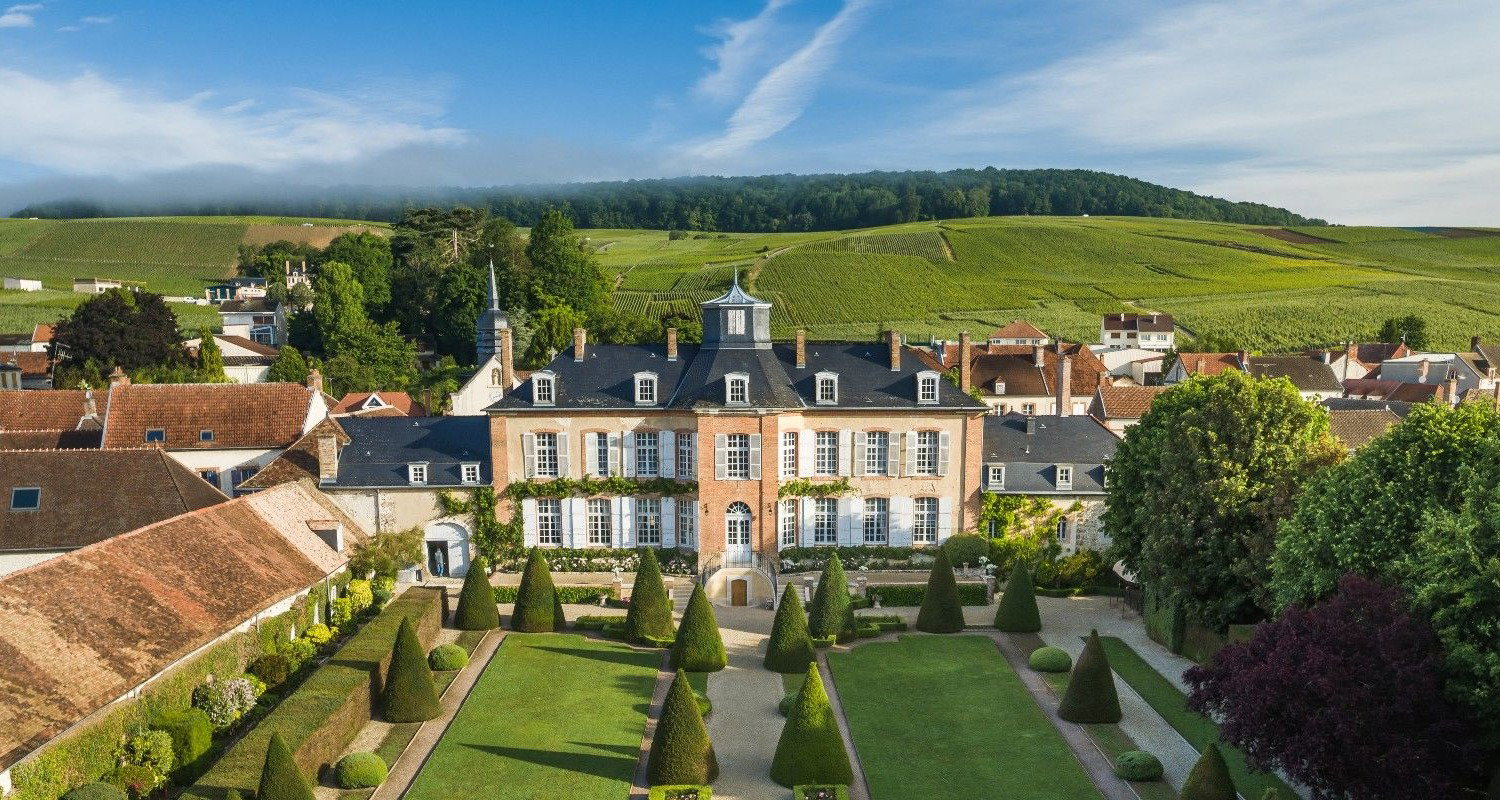
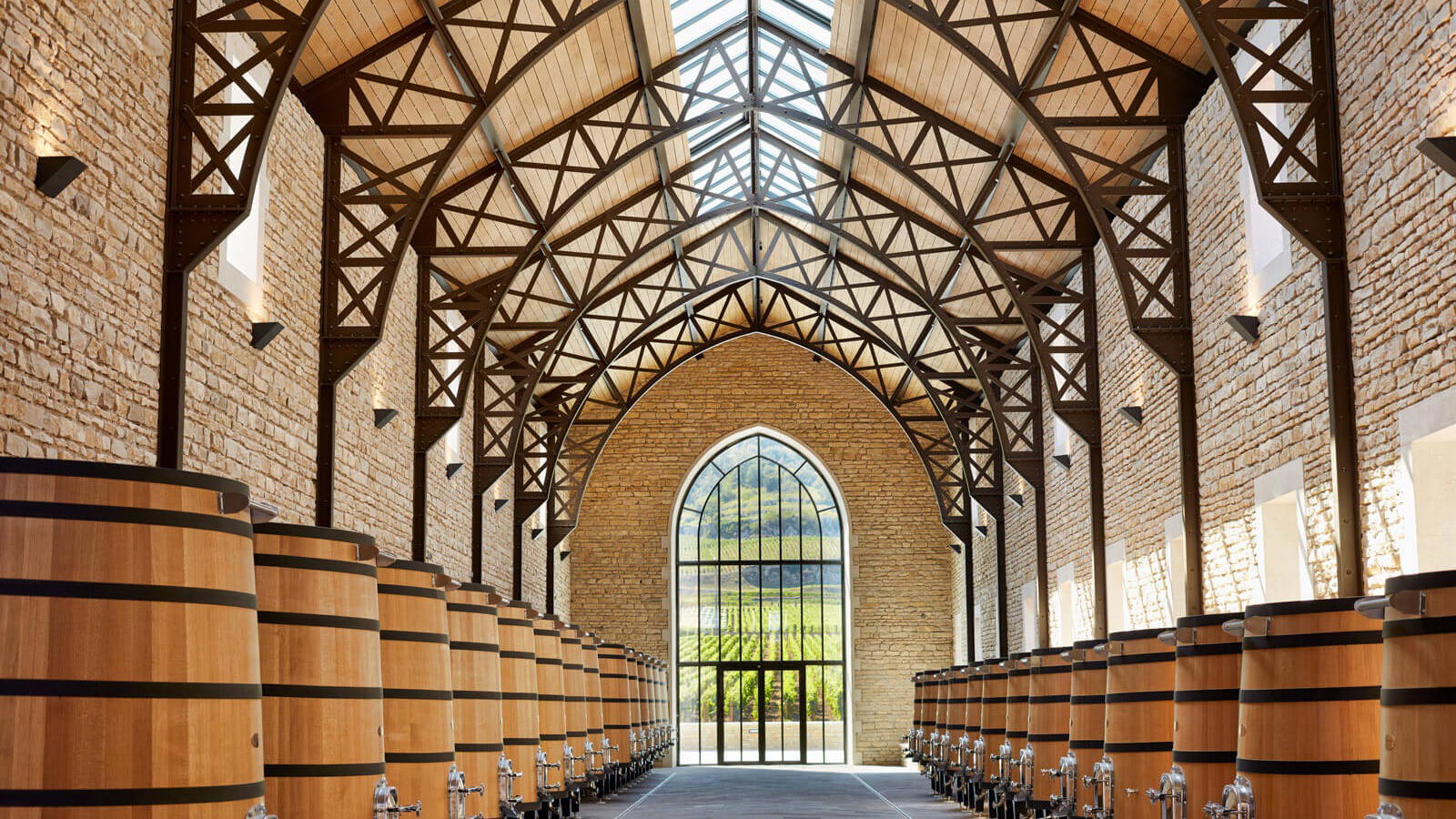
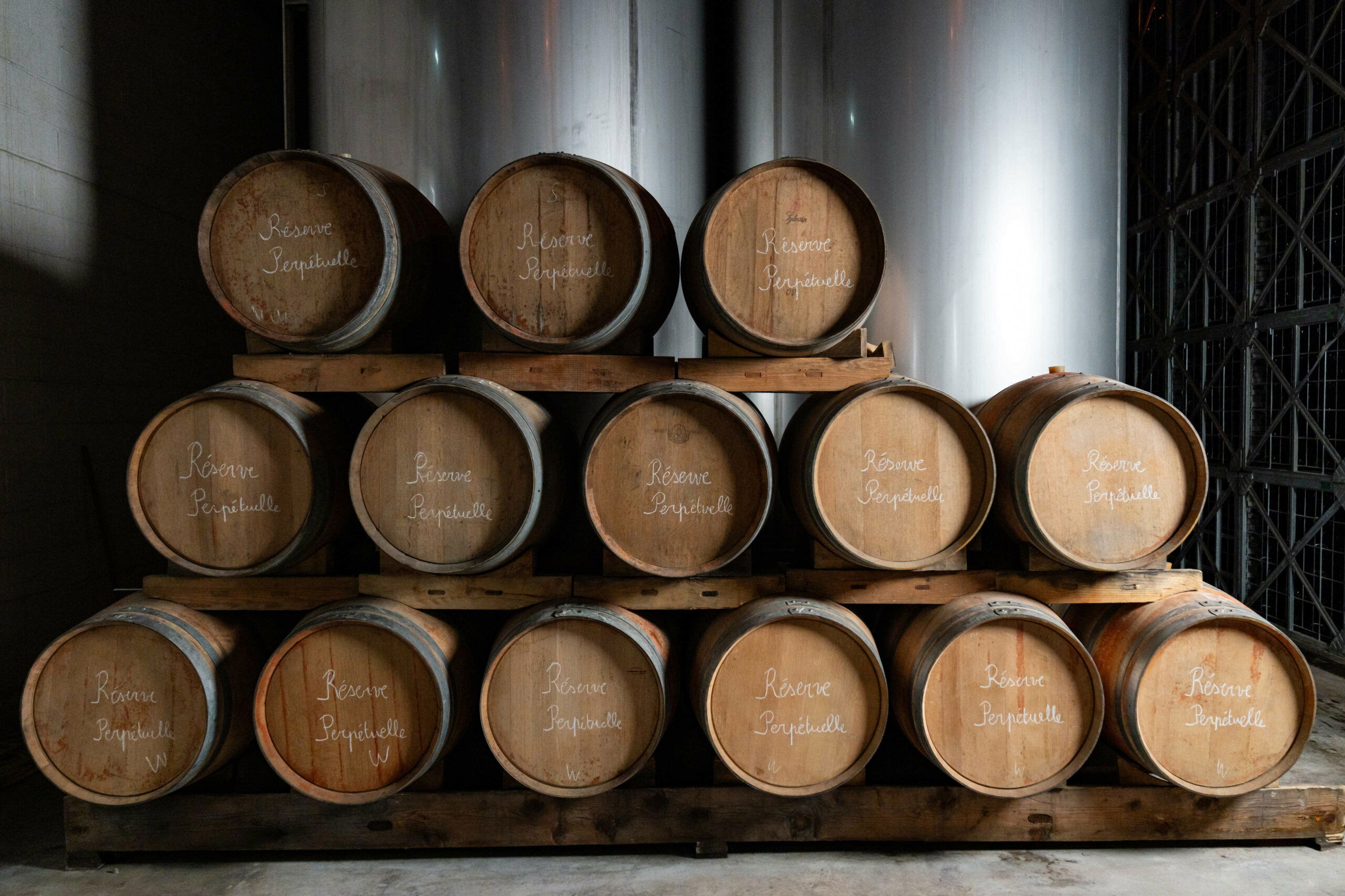
Bruno Paillard presents as a modern, technically minded Champagne house that pairs prestige with a clear, purposeful philosophy. Founded in 1981 as an independent operation, it reads as younger and more deliberately constructed than older négociants, and that intention informs everything from sourcing to bottling. The house foregrounds terroir through single-vineyard and single-variety cuvées and documents disgorgement dates on bottles, while its cellaring architecture leans toward the industrial and utilitarian. Winemaker Alice Paillard's emphasis on low dosage and parcel-level selection gives the wines a focused, terroir-driven profile rather than a blended house signature.
Best For
This is a house for visitors who care about provenance and technical detail: collectors, sommeliers, and anyone interested in how terroir and ageing shape Champagne. The clear disgorgement dates and parcel-level sourcing make Bruno Paillard especially useful for comparative tastings and cellar buys where ageing potential matters. Its standing as a prestige, independent producer also makes it appropriate for special-occasion purchases and educational visits focused on stylistic differences within Champagne. The write-up positions the house less as a tourist spectacle and more as a study in modern, documented winemaking.
Tasting Tips
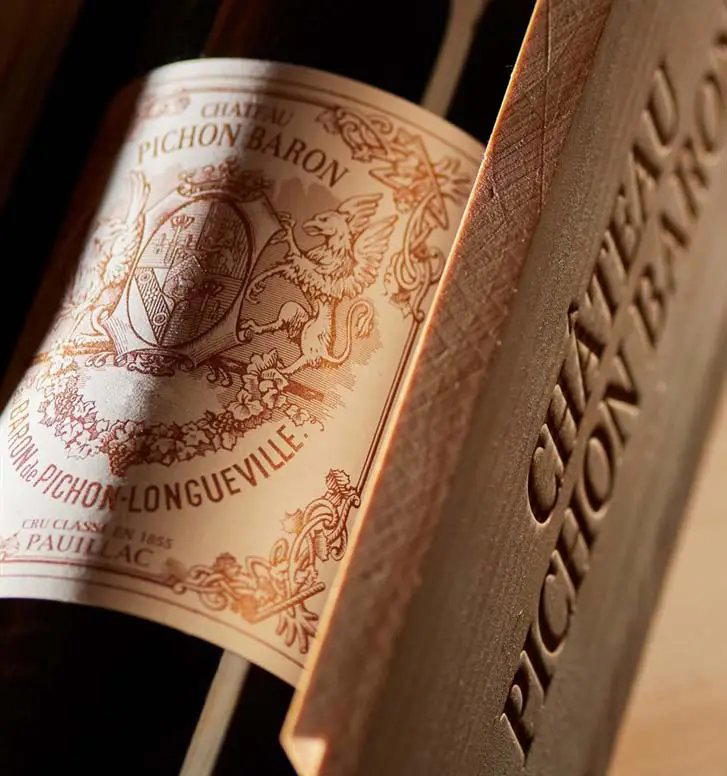
When choosing a Bruno Paillard bottle, look for the details on the label: the disgorgement date is printed on every bottle and tells you how long the wine has rested on its lees, which directly affects drinking window and cellaring strategy. Seek single-vineyard or single-variety cuvées if you want clearer terroir expression, and favour the house's lower-dosage bottlings for a more transparent sense of site. Because the house emphasizes parcel-level sourcing and ageing potential, consider buying with cellar time in mind rather than consuming immediately.
Venue details
Ambiance
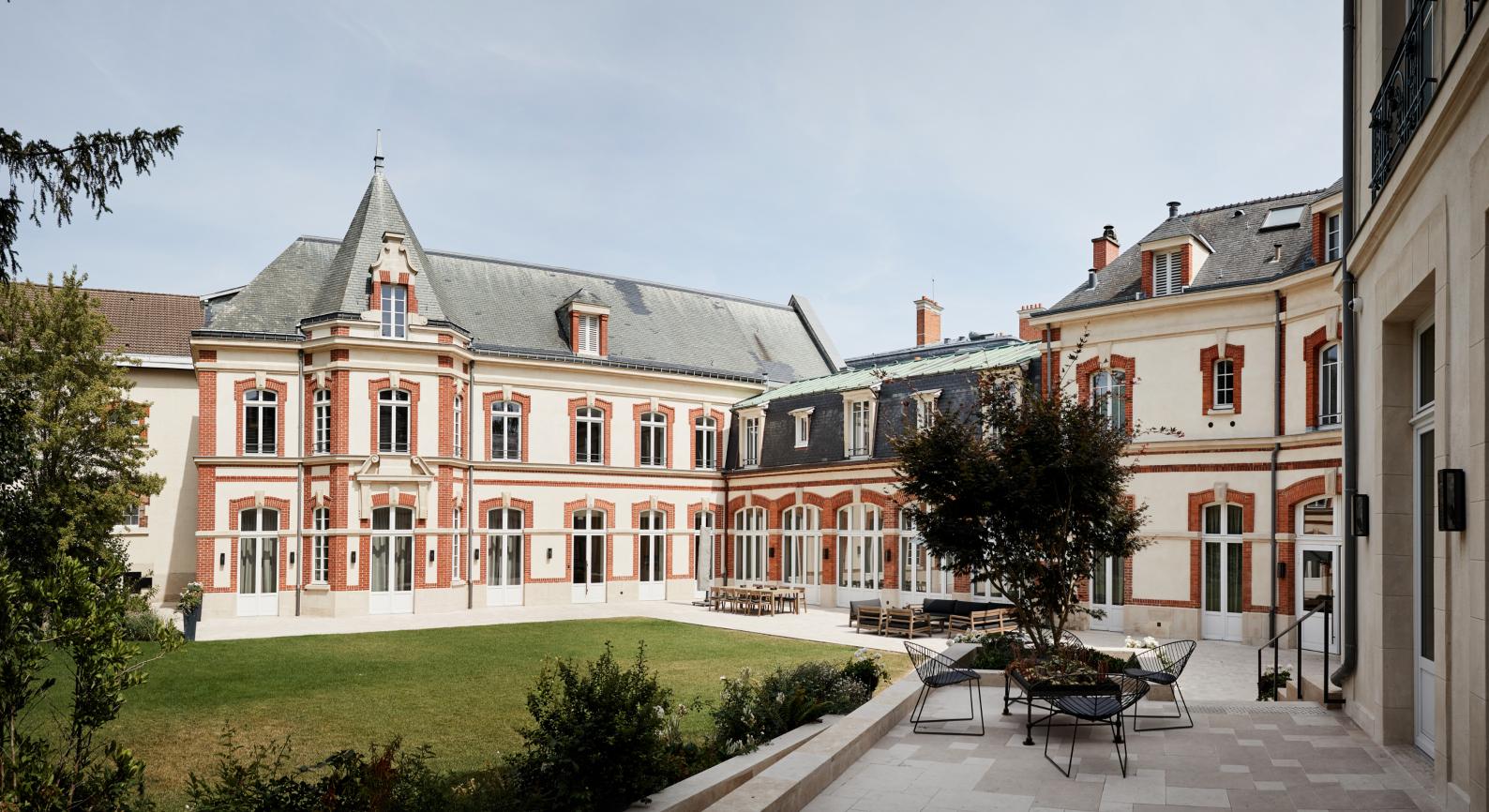
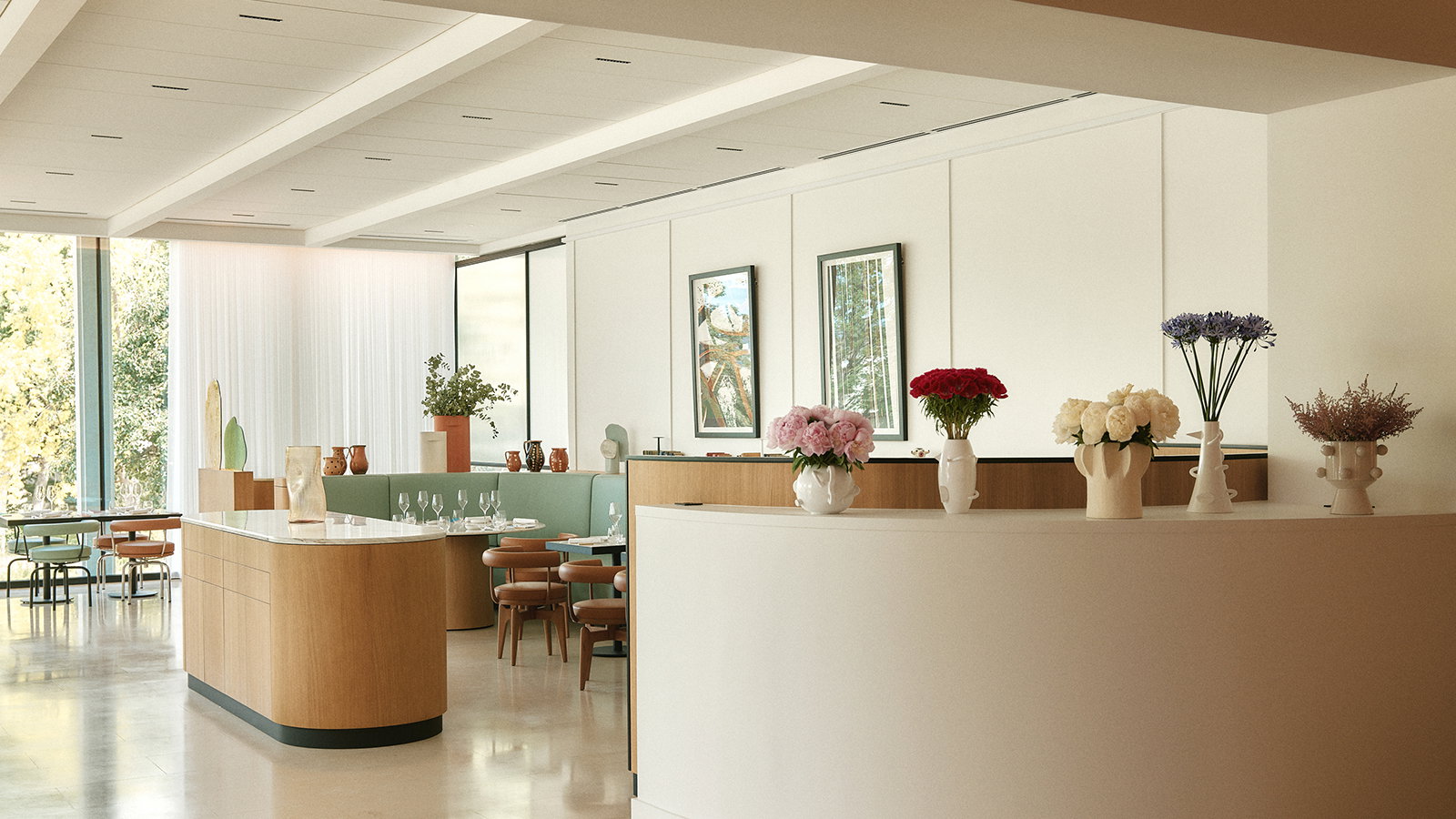
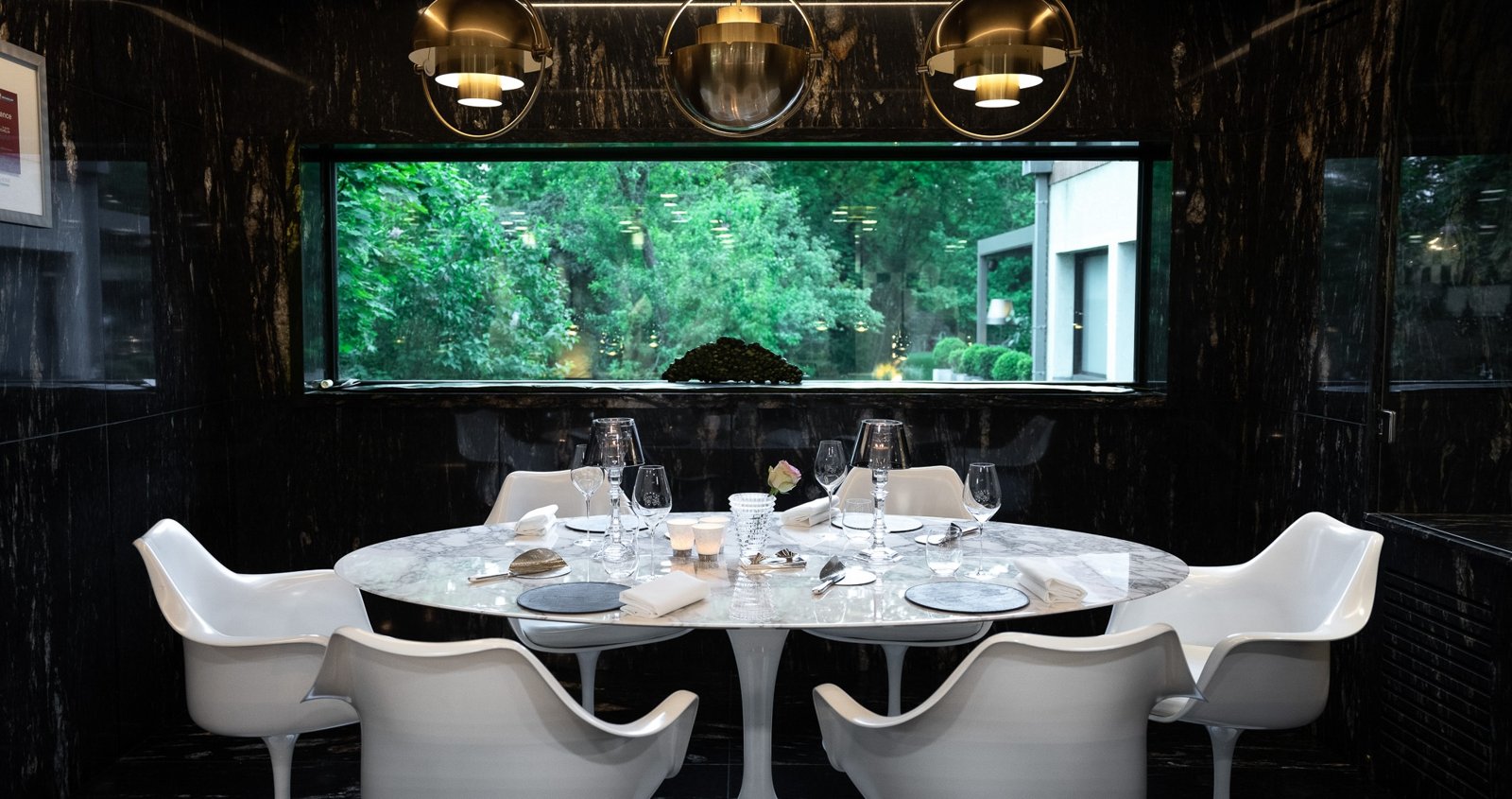
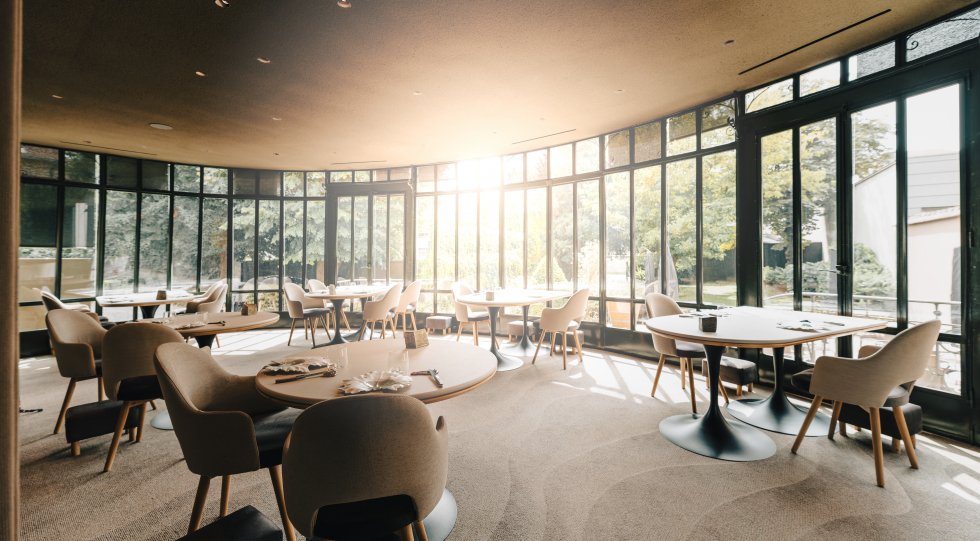
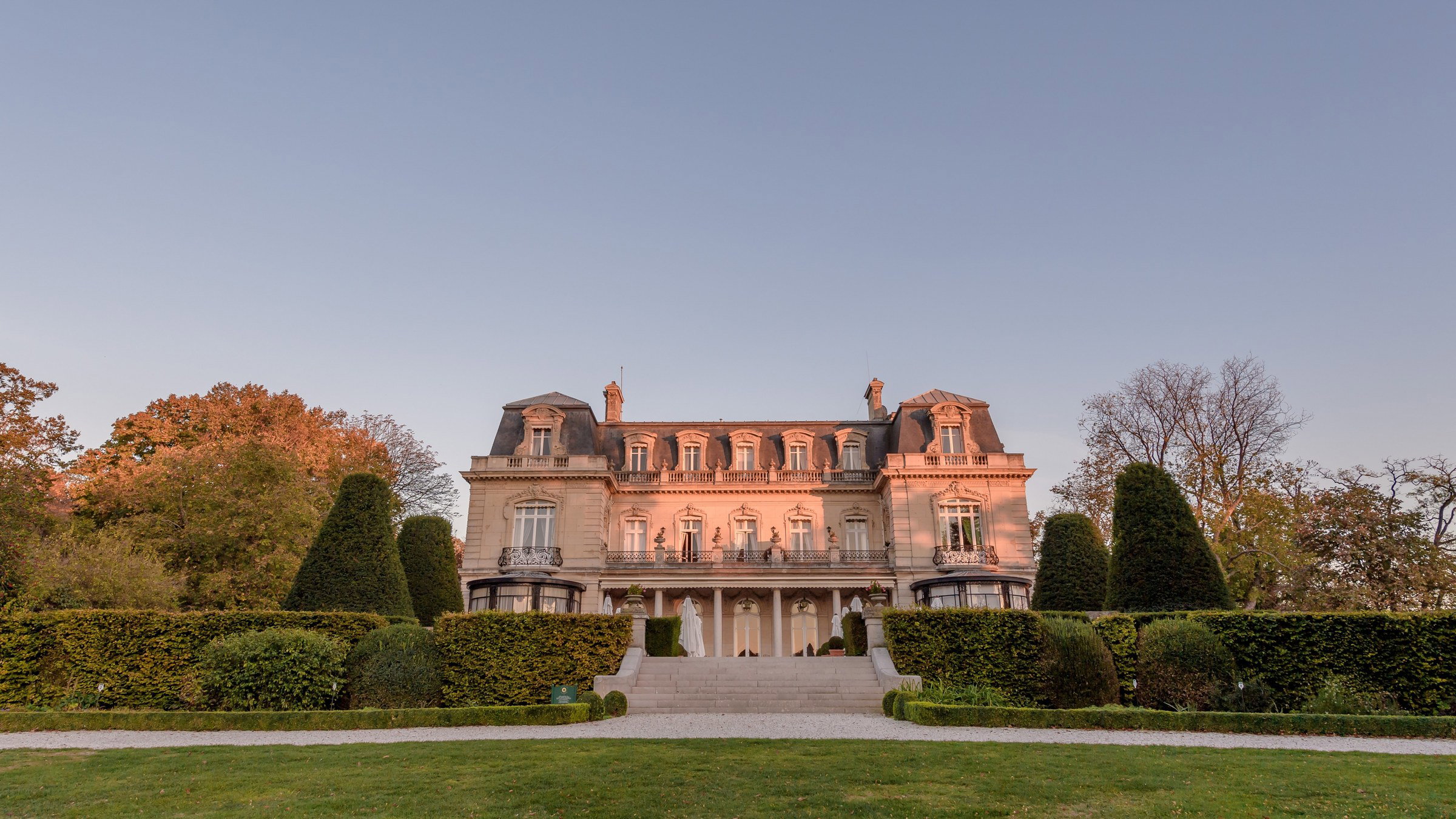
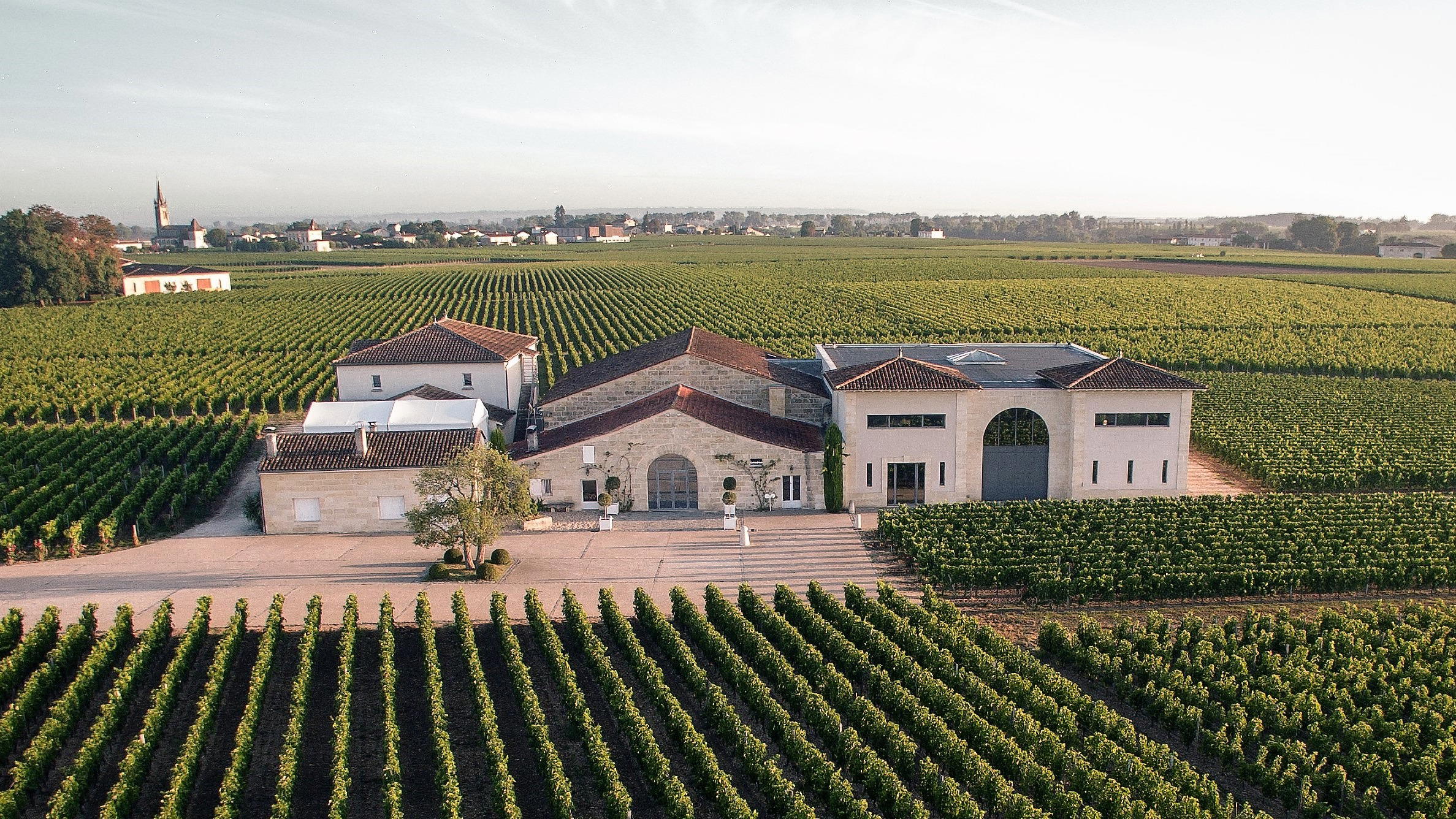
Modern winery with stainless steel, glass and wood architecture symbolizing Champagne production vessels; professional and educational atmosphere focused on quality and terroir expression.
Tags
Vibe
Best For
Experience
Sourcing
View
At the Vineyard
- Appellation
- Champagne AOC
- Varietals
- Chardonnay, Pinot Noir, Pinot Meunier
- Visits
- By appointment only
- Farming
- Sustainable
- Wine Styles
- Sparkling
- Wine Club
- Not available
Know before you go
Know Before You Go
- Getting there
- Av. de Champagne, 51100 Reims
Planning details
Location
Recognition and awards

Also consider
Where to go if this is full
Try Charles Heidsieck first if the goal is a serious Reims Champagne visit with comparable depth. For a more heritage-led alternative, Taittinger or Ruinart will suit travellers who want the classic cellar-house experience.
Winery context
How it compares in Reims
Choose Bruno Paillard over Piper-Heidsieck if the priority is a quieter, more producer-led Champagne visit rather than a broader house-brand experience. Piper-Heidsieck is the easier comparison for travellers who want recognisable name value and a more conventional stop; Bruno Paillard is the better fit for drinkers using the visit to decide whether deeper bottle access or allocation interest makes sense.
Charles Heidsieck is the stronger cross-shop for serious Champagne context, especially if the day is built around tasting depth rather than sightseeing. Taittinger and Ruinart make more sense for travellers who want a grander Reims cellar narrative and a more visibly historic setting. Bruno Paillard is the sharper choice when the appeal is a younger house with a distinct modern identity.
Lanson sits closer to the classic large-house lane and is useful if the group includes casual Champagne drinkers who want a recognisable visit without needing a collector angle. For a two-stop Reims day, pair Bruno Paillard with Charles Heidsieck for depth, or with Taittinger if the group wants one modern contrast and one heritage-led benchmark.
Around this place
Discover more on Pearl
Unlock the full Bruno Paillard guide in Pearl, including awards, comparisons, FAQs, planning details, and nearby places.
Compare Bruno Paillard
| Venue | Location | Awards |
|---|---|---|
| Bruno Paillard | Reims | 2026 Falstaff Winery Guide2025 Pearl 4 Star Prestige |
| Charles Heidsieck | Reims | 2026 Falstaff Winery Guide2025 Pearl 4 Star Prestige |
| Piper-Heidsieck | Reims | 2026 Falstaff Winery Guide2025 Pearl 4 Star Prestige |
| Lanson | Tours-sur-Marne | 2026 Falstaff Winery Guide2025 Pearl 3 Star Prestige |
| Taittinger | Reims | 2026 Falstaff Winery Guide2025 World's 50 Best Vineyards · #502025 Pearl 4 Star Prestige2022 World's 50 Best Vineyards · #152021 World's 50 Best Vineyards · #132020 World's 50 Best Vineyards · #28 |
| Ruinart | Reims | 2026 Falstaff Winery Guide2025 World's 50 Best Vineyards · #82025 Pearl 4 Star Prestige2024 World's 50 Best Vineyards · #62023 World's 50 Best Vineyards · #222022 World's 50 Best Vineyards · #332020 World's 50 Best Vineyards · #442019 World's 50 Best Vineyards · #46 |

How Bruno Paillard Reims compares with similar nearby venues.
FAQ
Frequently Asked Questions
When is the best time to visit Bruno Paillard?
The best time is not specified. Because Bruno Paillard has 4 Star Prestige recognition for 2025, treat it as a planned Reims stop and confirm current visit details directly before arranging the rest of your day.
What is the dress code at Bruno Paillard?
The confirmed dress code is smart casual. If you are planning for a specific occasion or format, confirm any current expectations directly with the venue before you go.
What other venues are useful comparisons for Bruno Paillard?
Charles Heidsieck, Piper-Heidsieck, Lanson, Taittinger, and Ruinart are useful comparisons when planning time in Reims. Bruno Paillard is the focus if you specifically want to include this 4 Star Prestige venue in your itinerary.
Is there a membership programme at Bruno Paillard?
If membership matters to your visit, ask Bruno Paillard directly about current terms, access, and benefits before making plans around it.
Can Bruno Paillard handle large groups?
Treat larger parties as something to arrange directly with the venue in advance rather than assuming walk-up availability.
Does Bruno Paillard serve food?
If food is part of the day, pair the visit with a separate meal in Reims unless Bruno Paillard confirms otherwise through official channels.