
Weingut Markus Huber
Reichersdorf
Winery in Reichersdorf, Austria
 Book with Pearl
The Read
Traisental Terroir Precision
Why go
Book Weingut Markus Huber if the goal is a serious Reichersdorf wine stop, not a casual walk-in tasting. The main reason to prioritize it is its Pearl 2 Star Prestige recognition in 2025; the main caution is that public details on hours, food, pricing, and booking format are sparse, so plan the wider day carefully.
About Weingut Markus Huber
Weingut Markus Huber is a Reichersdorf venue with smart casual dress and Pearl 2 Star Prestige recognition in 2025.
For travelers considering a stop, the safest approach is to confirm current arrangements directly before building a day around the venue. Check availability, timing, group suitability, purchases, and any hospitality elements before finalizing plans.
A Reichersdorf venue with a clear recognition signal
Weingut Markus Huber is in Reichersdorf, the dress code is smart casual, and it holds Pearl 2 Star Prestige recognition for 2025. That gives the venue a defined recognition marker without requiring unsupported claims about menu style, tasting structure, amenities, or service model.
Visitors should not assume food service, specific seating, walk-in access, delivery, shipping, allergy accommodations, or a particular visit length. Confirm directly through current official channels before making travel or group plans.
Plan the wider day around Reichersdorf, not just one venue
For context before committing, use broader Reichersdorf planning resources first, then check current information for restaurants, hotels, bars, and experiences separately. For broader comparison, consider venues such as Weingut Hutter Distillery, Weingut Ludwig Neumayer, Weingut Malat, Weingut Markus Huber, Weingut Petra Unger, and Winzerhof Dockner.
Reservations: confirm directly through current public channels before relying on availability. Dress: smart casual is the dress code. Budget: check pricing directly. Timing: leave enough margin around travel and any separately planned meal or activity.
Planning details
- Location
- Weinriedenweg 13, 3134 Reichersdorf
- Website
- weingut-huber.at
- Phone
- +43 2783 82999
The take
The Take
The Vibe
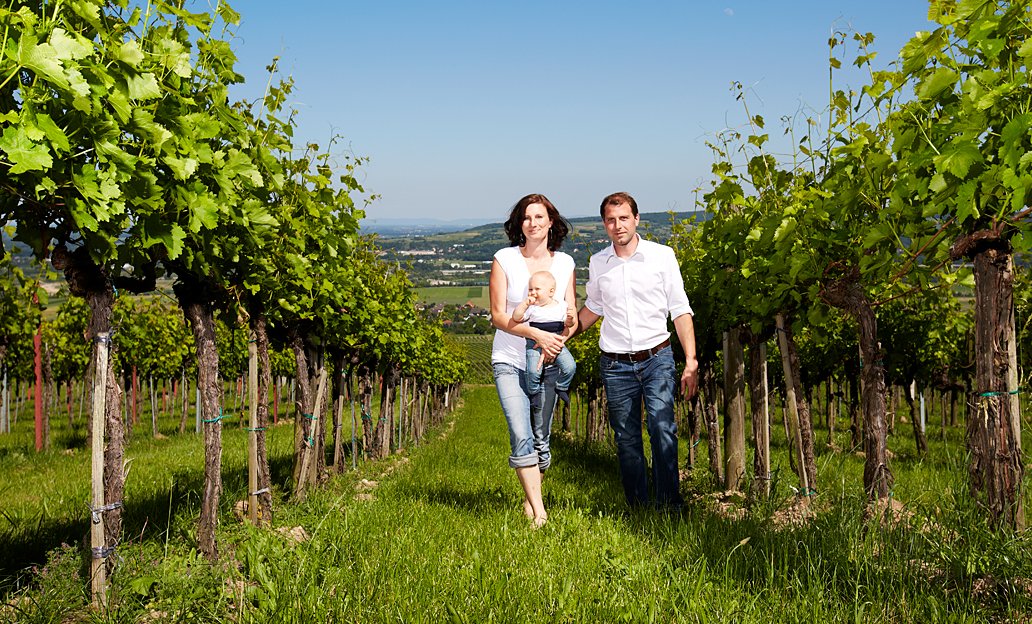
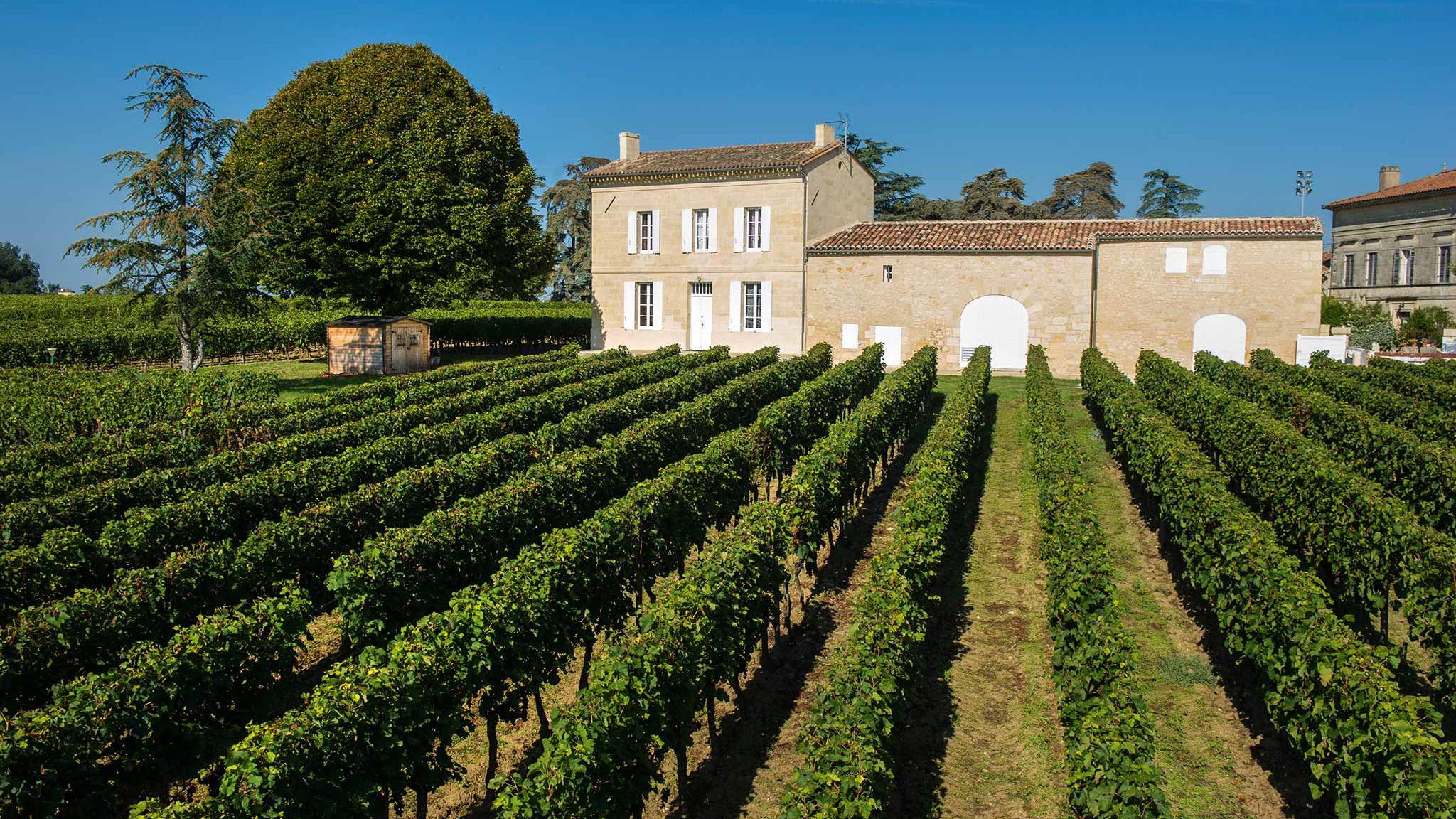
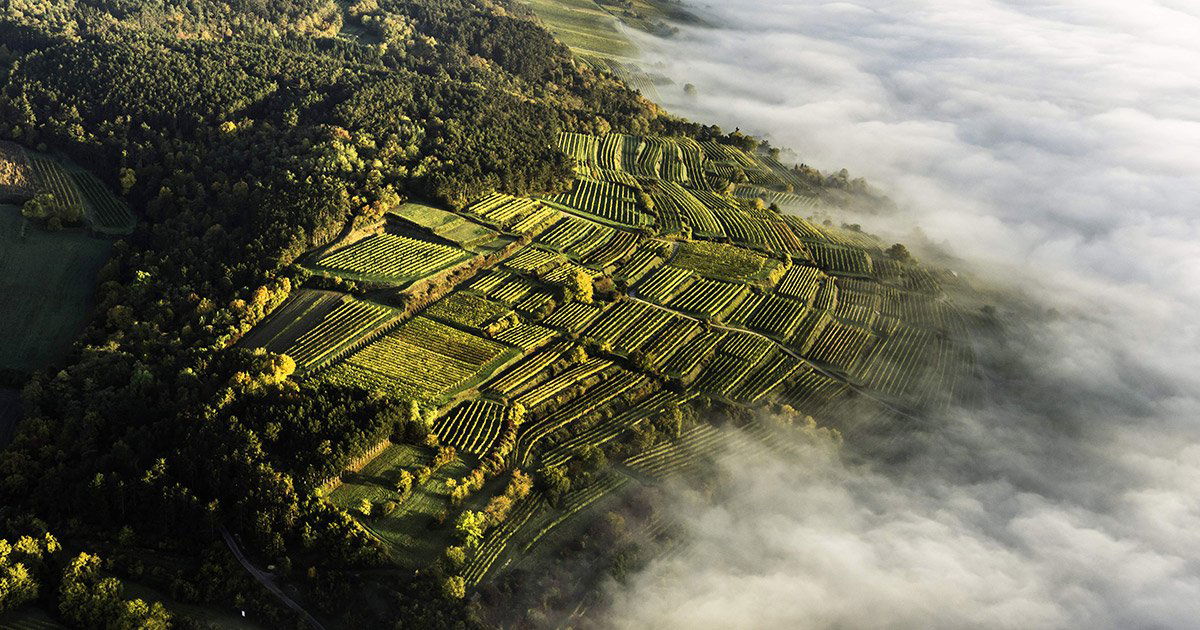
Weingut Markus Huber presents a restrained, terroir-forward presence in Traisental. The estate sits quietly within working vineyard country, offering a discovery-oriented visit that prioritizes geology and site expression over tourist-facing spectacle. The estate’s recent Pearl 2 Star Prestige recognition underscores a methodical, place-driven approach: wines that emphasize acid retention and ageworthiness rather than immediate, market-friendly richness. Expect a sophisticated, low‑key atmosphere where the land’s textures — from gneiss and granite to loess — are the central talking points and the wines act as clear, measured translations of that geology.
Best For
This estate is best for visitors who are focused on wines as expressions of place. Sommeliers, collectors and curious oenophiles arrive to study Traisental’s cooler climate and distinctive soils; the experience rewards attention to detail and patience. It’s also well suited to solitary exploration or small, quiet visits where the conversation centers on terroir, aging potential and stylistic restraint rather than on staging or entertainment. The Pearl 2 Star Prestige nod makes the house relevant to those tracking serious Central European producers and seeking wines that are built to evolve.
Tasting Tips
When engaging with Markus Huber’s wines, center questions on provenance and ageability rather than stylistic buzzwords. Ask which bottlings most clearly convey specific vineyard soils or the cooler Traisental profile and inquire about cellar maturity and recommended drinking windows. The estate’s recognition for terroir fidelity suggests that older vintages and single‑site expressions are particularly instructive; tasting or buying with an eye to aging will reveal the tension and acidity the region preserves. Avoid assumptions about lushness—these wines emphasize structure and place.
Venue details
Ambiance
Elegant and mineral-focused atmosphere reflecting the clarity and vibrancy of its Traisental terroir.
Tags
Vibe
Best For
Experience
Sourcing
View
At the Vineyard
- Appellation
- Traisental DAC
- Varietals
- Grüner Veltliner, Riesling, Sauvignon Blanc, Zweigelt, Gelber Muskateller
- Tour Duration
- 60-90 minutes
- Visits
- By appointment only
- Farming
- Organic
- Wine Styles
- Still White, Still Red, Still Rose, Sparkling
- Wine Club
- Not available
Know before you go
Know Before You Go
- Getting there
- Weinriedenweg 13, 3134 Reichersdorf
Planning details
Location
Recognition and awards

Also consider
Also Consider
- Weingut Ludwig Neumayer, Notable alternative
- Winzerhof Dockner, Notable alternative
- Weingut Malat, Notable alternative
- Weingut Petra Unger, Notable alternative
- Weingut Hutter Distillery, Notable alternative
Winery context
How it compares for a Reichersdorf wine day
Choose Weingut Markus Huber when recognition and producer focus matter more than convenience. Against Weingut Ludwig Neumayer and Winzerhof Dockner, the safer decision is not to assume one will be easier, cheaper, or more hospitality-led without checking current tasting access. For a tight itinerary, shortlist at least two of them before fixing transport.
Weingut Malat and Weingut Petra Unger are better cross-shops if the priority is comparing established Austrian producers in the same trip. Weingut Markus Huber is the pick when the day is built around a selective winery stop; the others are useful backups when access, group size, or timing becomes the deciding factor.
Weingut Hutter Distillery belongs on the list for readers open to a drinks-focused detour rather than a pure wine visit. If the goal is a calm, wine-led tasting, keep Weingut Markus Huber higher on the plan. If the group wants variety and a less formal drinks itinerary, compare Hutter first and confirm the format before traveling.
Explore Reichersdorf
Around this place
Discover more on Pearl
Unlock the full Weingut Markus Huber guide in Pearl, including awards, comparisons, FAQs, planning details, and nearby places.
Compare Weingut Markus Huber
| Venue | Location | Awards |
|---|---|---|
| Weingut Markus Huber | Reichersdorf | 2026 Falstaff Winery Guide |
| Weingut Ludwig Neumayer | Inzersdorf | 2026 Falstaff Winery Guide |
| Winzerhof Dockner | Höbenbach | 2026 Falstaff Winery Guide |
| Weingut Malat | Furth Bei Göttweig | 2026 Falstaff Winery Guide |
| Weingut Petra Unger | Furth | 2026 Falstaff Winery Guide |
| Weingut Hutter Distillery | Mautern an der Donau | No published awards |
How Weingut Markus Huber Reichersdorf compares with similar nearby venues.
FAQ
Frequently Asked Questions
Where is Weingut Markus Huber?
Weingut Markus Huber is in Reichersdorf.
How long should I plan for a visit to Weingut Markus Huber?
What is the dress code at Weingut Markus Huber?
The dress code for Weingut Markus Huber is smart casual.
What recognition does Weingut Markus Huber have?
Weingut Markus Huber holds Pearl 2 Star Prestige recognition for 2025.
Does Weingut Markus Huber serve food?
What other venues can I compare with Weingut Markus Huber?
Other venues to compare include Weingut Ludwig Neumayer, Winzerhof Dockner, Weingut Malat, Weingut Petra Unger, and Weingut Hutter Distillery. Confirm each venue's current format, access, and availability directly before planning a route.