Hidden Cellars Winery
Redwood Valley
Winery in Redwood Valley, United States
 Book with Pearl
The Read
Inland Mendocino Prestige
Why go
A plan-ahead Redwood Valley winery choice for guests who value a quieter, harder-to-secure tasting over published food-pairing detail. Hidden Cellars Winery makes the most sense for a small celebration or date, but confirm availability and any pairing options before building the day around it.
About Hidden Cellars Winery
Hidden Cellars Winery is a Redwood Valley venue with a casual dress code and Pearl 2 Star Prestige recognition for 2025. For the smoothest visit, confirm current arrangements directly before making plans.
The expectation reset: do not build an itinerary around assumptions such as a published food program, a named flagship bottle, group capacity, or a particular service format. Treat Hidden Cellars Winery as a Redwood Valley venue to evaluate on current details rather than assumptions.
A Redwood Valley winery for a simple, casual plan
The strongest use case is direct: Hidden Cellars Winery may suit visitors looking for a Redwood Valley stop where casual dress is appropriate. If food, timing, accessibility, group size, or other visit logistics are important, check those details through the venue's official channels before committing.
For planning around the area, compare Hidden Cellars Winery with other dining and venue options in Redwood Valley generically rather than assuming specific amenities are shared across venues.
Book this for confirmed fit, not assumed extras
The practical verdict is narrow but useful: consider Hidden Cellars Winery if you want a Redwood Valley venue with Pearl 2 Star Prestige recognition in 2025 and a casual dress code. Skip or delay committing if your decision depends on details such as a particular menu, wine list, reservation policy, group setup, shipping option, or tasting format.
For broader planning, keep the comparison centered on Hidden Cellars Winery and other Redwood Valley options, and confirm any time-sensitive or service-specific details directly before visiting.
Planning details
- Location
- Redwood Valley, United States
The take
The Take
The Vibe
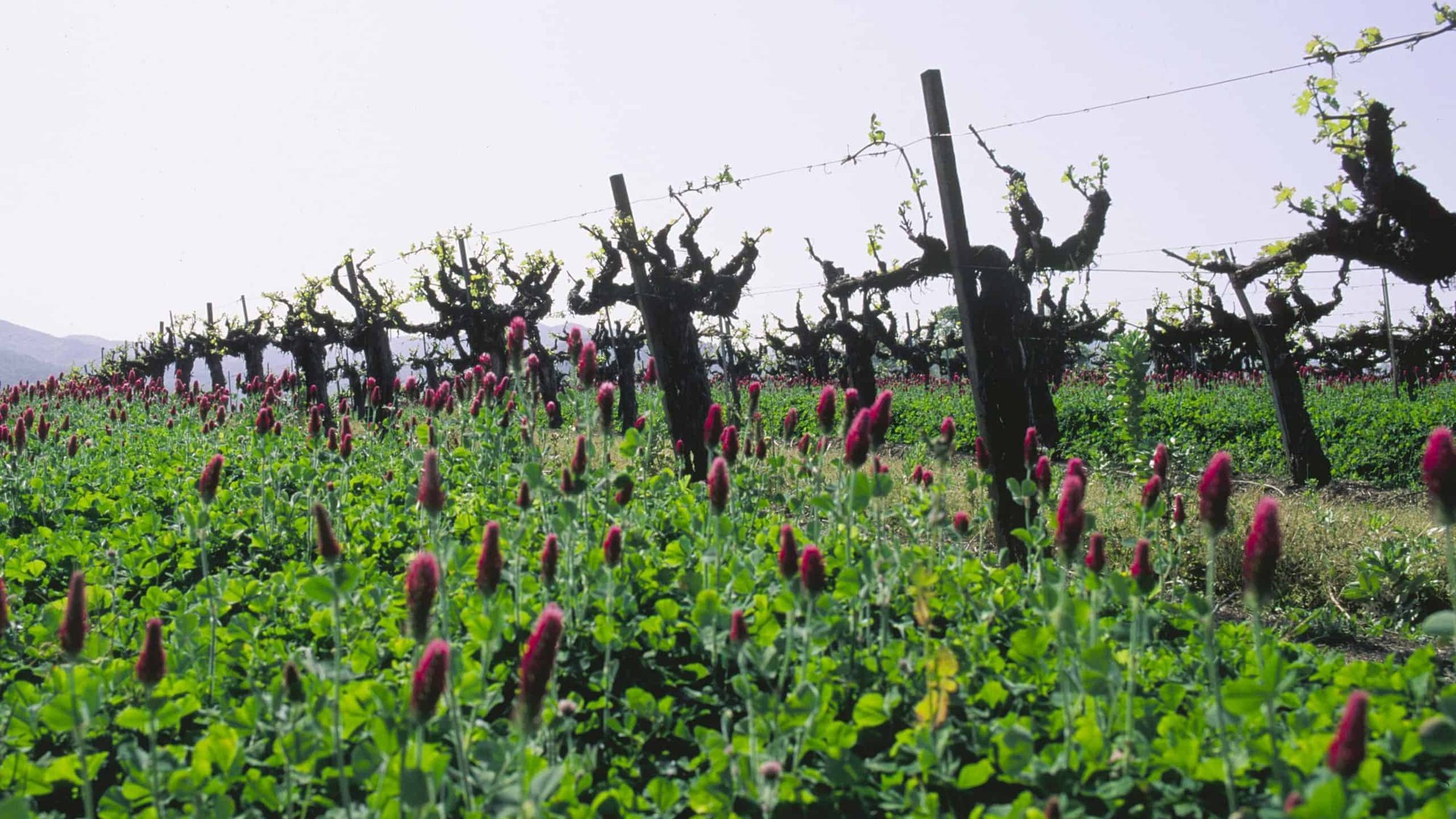
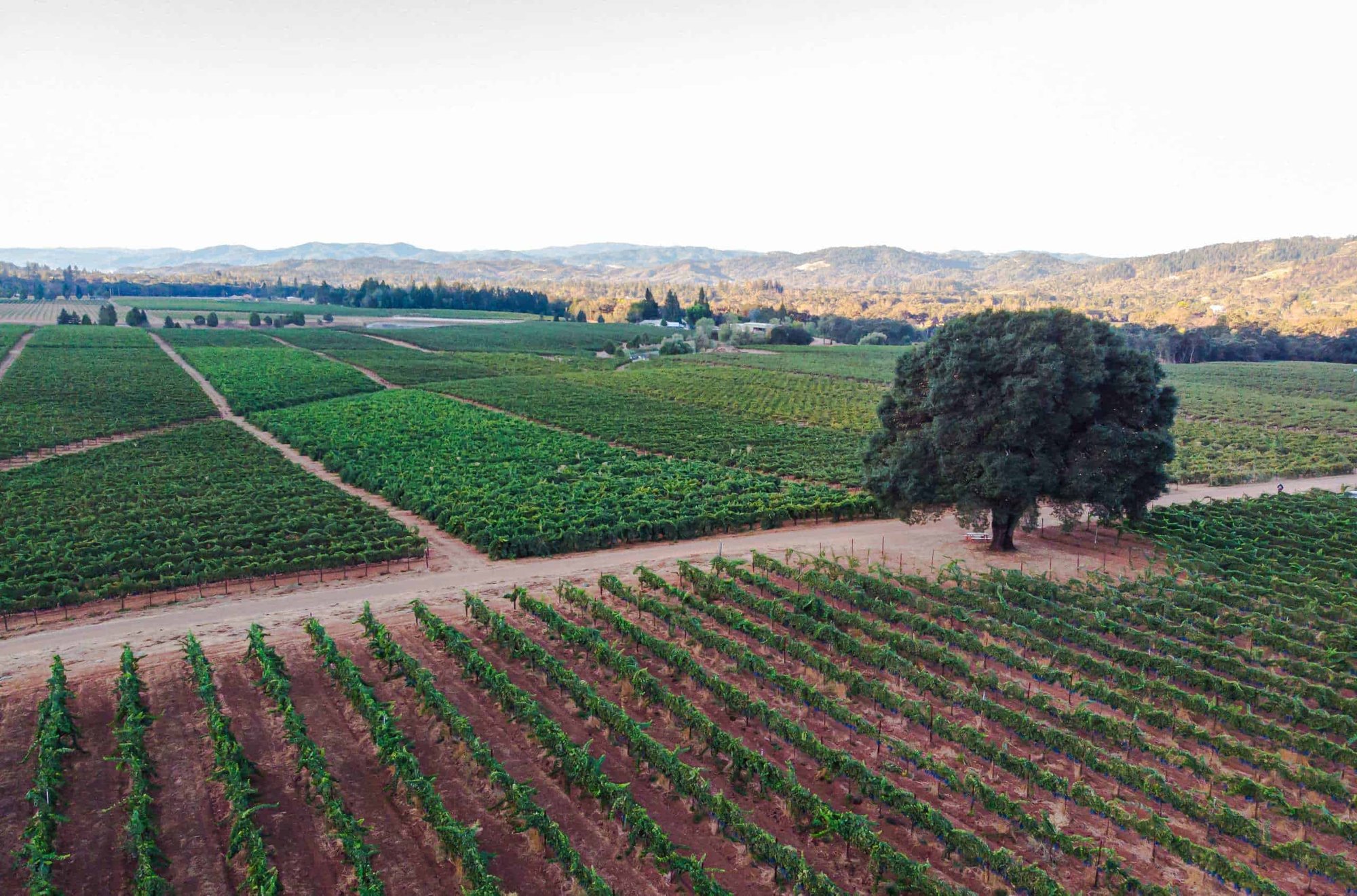
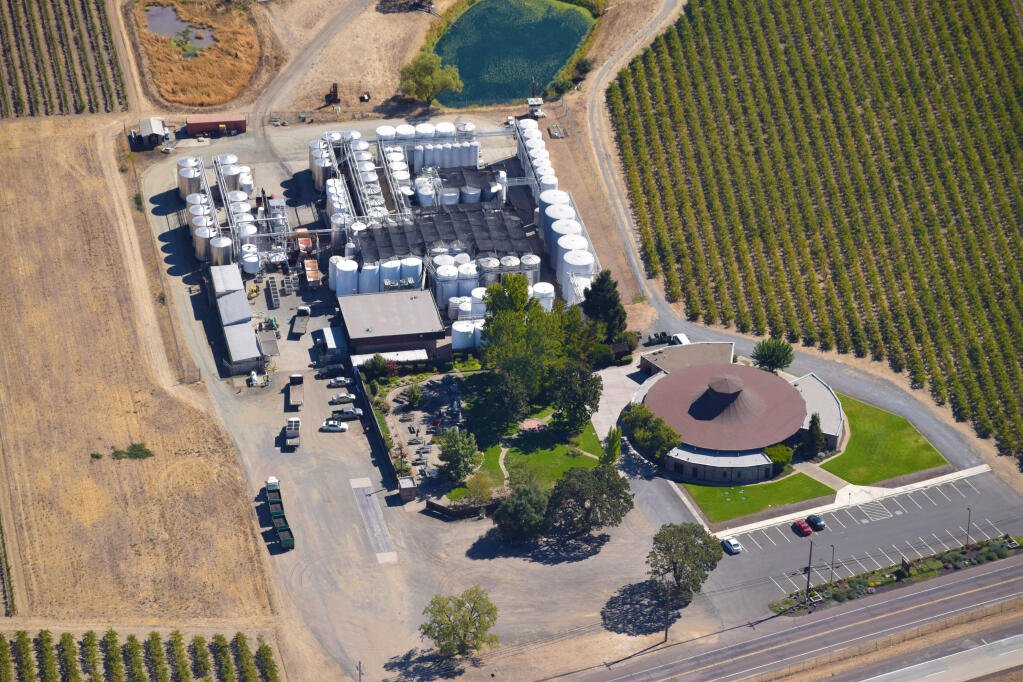
Hidden Cellars Winery presents a low-key, rustic personality rooted in Redwood Valley's quieter side of Mendocino County. The prose emphasizes small production runs, estate farming and a producer community that embraced organic and biodynamic practices long before they were marketing signals. That restraint translates into a calm, discovery-oriented visit—fewer crowds, a sense of working land rather than showy tasting-room theater, and wines that reflect attentiveness in the vineyard. The overall impression is of an intimate, rural producer where terroir and farming philosophy take center stage more than theatrics or high-traffic tourism.
Best For
This is a place for people who want to learn as much as they taste—wine-education visits and small group outings are natural fits. The winery’s Pearl 2 Star Prestige recognition signals consistent quality above the regional baseline, making it a smart stop for groups focused on comparative tasting or understanding estate-driven farming practices. Because the wines are described as suiting the table, gatherings that plan to pair bottles with food or that prioritize discussion of site and farming will get the most from a visit. It’s less about headline-making labels and more about context and craft.
Tasting Tips
When you visit, steer conversation toward vineyard sources and farming practices—this producer’s estate farming and biodynamic lineage are central talking points. Ask specifically about current Zinfandel and Petite Sirah bottlings; the write-up highlights how the valley’s thermal pattern pushes those varieties to ripeness while retaining acidity. If you’re visiting with others, consider focusing on a few estate-designated wines to compare structure and food-friendliness, and inquire whether they offer bottles or tasting flights that group well for sharing. Also mention the Pearl 2 Star Prestige note to prompt staff to showcase representative expressions.
Venue details
Ambiance
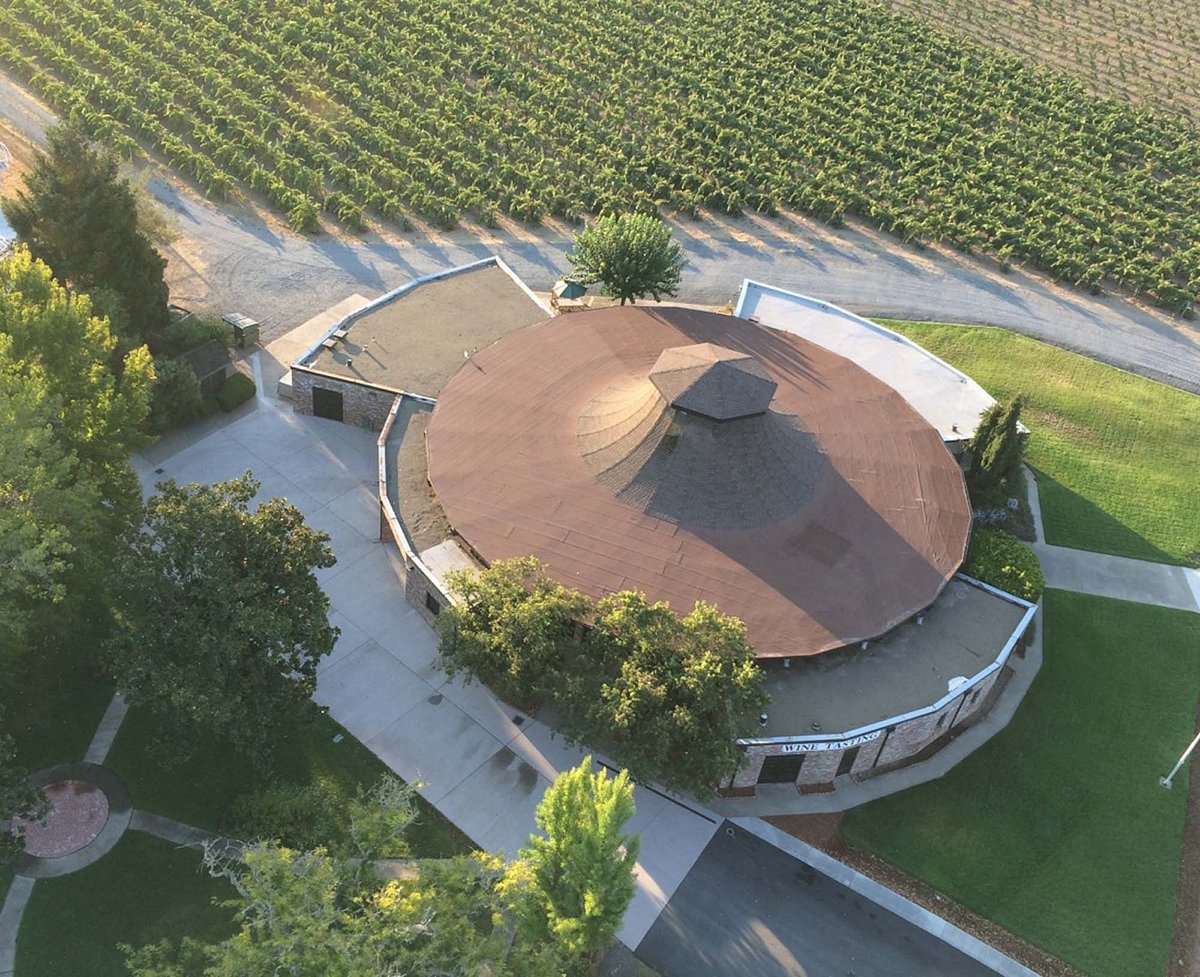
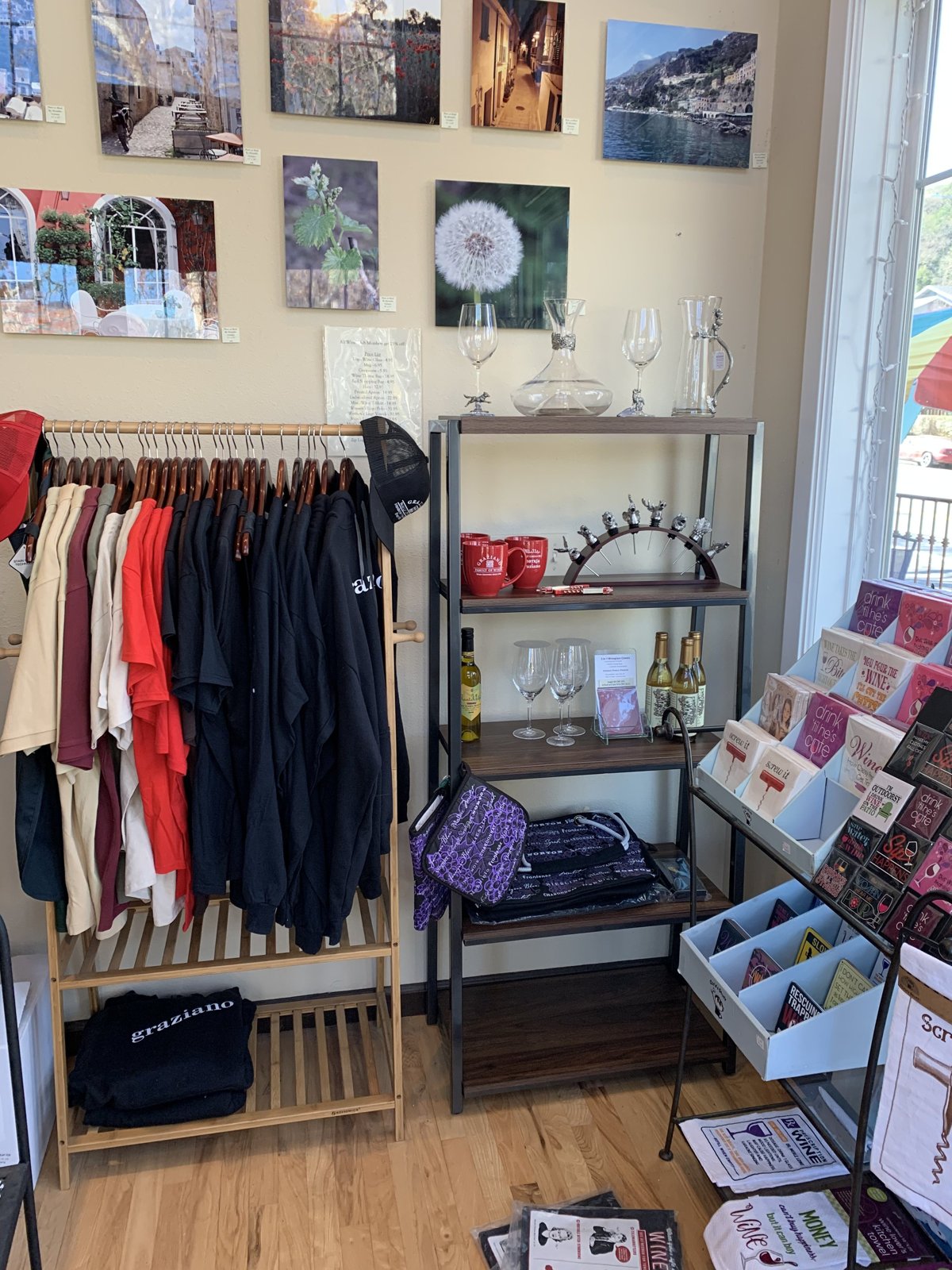
Peaceful, unpretentious tasting room with a focus on wine quality over architectural grandeur; welcoming and relaxed atmosphere.
Tags
Vibe
Best For
Experience
Sourcing
View
At the Vineyard
- Appellation
- Redwood Valley AVA
- Varietals
- Zinfandel, Carignane, Petite Sirah
- Tour Languages
- English
- Visits
- Walk-ins welcome
- Farming
- Organic
- Wine Styles
- Still Red
- Shipping
- Available
- Wine Club
- Available
Planning details
Location
Redwood Valley, United States
Explore Redwood Valley
Around this place
Discover more on Pearl
Unlock the full Hidden Cellars Winery guide in Pearl, including awards, comparisons, FAQs, planning details, and nearby places.
FAQ
Frequently Asked Questions
Does Hidden Cellars Winery offer membership?
Do not decide based on an assumed membership program. If membership matters to you, check Hidden Cellars Winery's official channels for current details before visiting Redwood Valley.
Can Hidden Cellars Winery handle large groups?
When is the best time to visit Hidden Cellars Winery?
Do I need a reservation at Hidden Cellars Winery?
Does Hidden Cellars Winery offer shipping?
If shipping matters, make that a question for Hidden Cellars Winery before you plan around a Redwood Valley visit.
What other venues are near Hidden Cellars Winery?
Use Redwood Valley as your filter and compare other nearby options generically. Confirm details directly before making Hidden Cellars Winery the anchor of your itinerary.
What is Hidden Cellars Winery known for?
Hidden Cellars Winery is in Redwood Valley, has a casual dress code, and holds Pearl 2 Star Prestige recognition for 2025. For menu, bottle, tasting format, or service details, check directly with the venue.