Frey Vineyards
Redwood Valley
Winery in Redwood Valley, United States
 Book with Pearl
The Read
Certified Organic Production
Why go
Frey Vineyards is worth targeting for a planned Redwood Valley wine stop, especially for a couple or small group building a special-occasion itinerary around Mendocino County wine. It is less suited to a spontaneous, multi-stop crawl; cross-shop Oster Wine Cellars, Masút Vineyard & Winery, Chance Creek Vineyards, or Lolonis Winery if flexibility matters more.
About Frey Vineyards
Frey Vineyards is a Redwood Valley venue with a casual dress code and a clearly confirmed Pearl 2 Star Prestige recognition for 2025. With limited public detail available here, the safest way to frame it is as a premium Redwood Valley stop to consider when the venue name, location, and recognition are the deciding factors.
A Redwood Valley pick with a confirmed recognition
The strongest trust signal for Frey Vineyards is its Pearl 2 Star Prestige recognition in 2025. Beyond that, the confirmed profile is deliberately simple: Frey Vineyards is in Redwood Valley, and the dress code is casual.
That makes this page most useful as a grounded starting point rather than a substitute for current venue information. If you are comparing options, consider Frey Vineyards alongside Chance Creek Vineyards, Lolonis Winery, Masút Vineyard & Winery, Mendocino Spirits (Tamar Distillery), and Oster Wine Cellars, then confirm the practical details directly with each venue.
Who should choose it over other options
Choose Frey Vineyards when you want a Redwood Valley venue with a casual dress code and a confirmed Pearl 2 Star Prestige recognition for 2025. If your decision depends on specific offerings, timing, policies, or formats, those details should be checked directly before you commit.
For comparison, Chance Creek Vineyards, Lolonis Winery, Masút Vineyard & Winery, Mendocino Spirits (Tamar Distillery), and Oster Wine Cellars are natural names to review in the same broader planning set. The right call depends on the current details each venue provides, not on assumptions.
Planning details
- Location
- 11700 West Rd, Redwood Valley, CA 95470
- Website
- freywine.com
- Phone
- +1 707-485-5177
The take
The Take
The Vibe
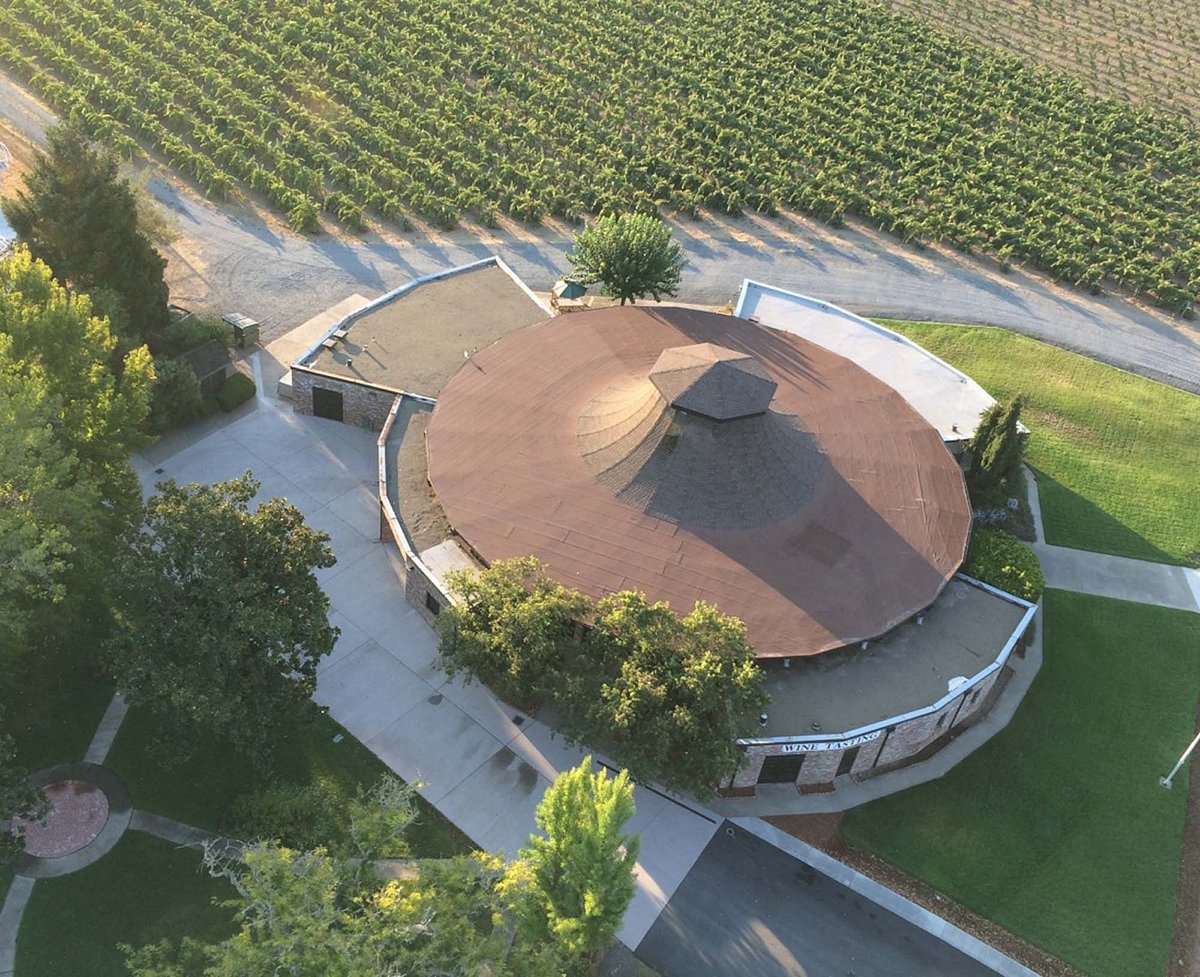
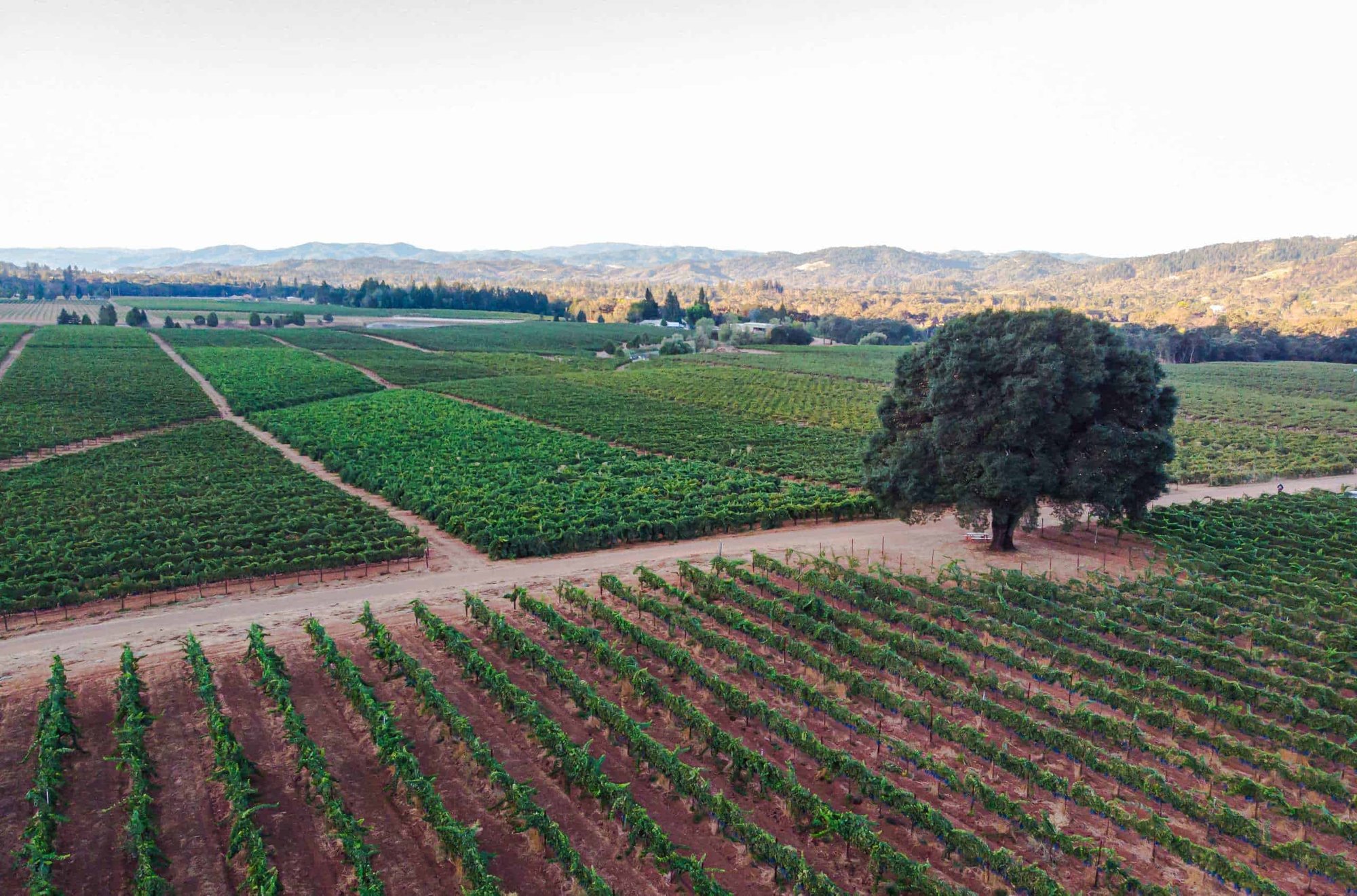
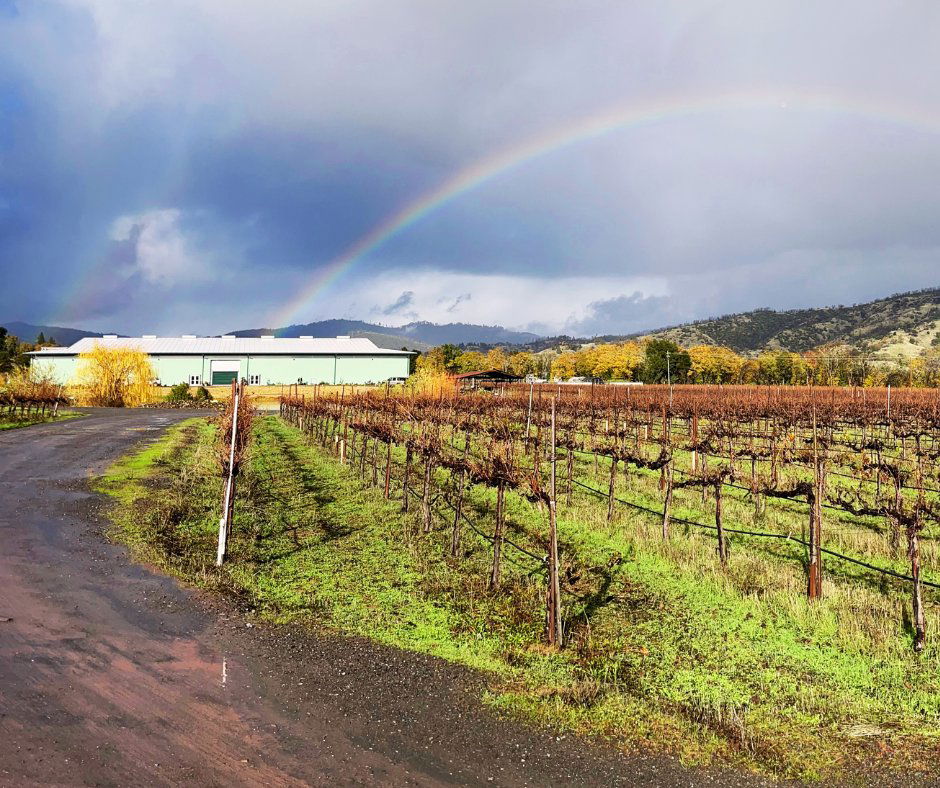
Frey Vineyards presents a measured, agricultural calm that feels intentionally removed from busy wine-country theatrics. The property sits amid working rows and oak-studded hillsides, so the emphasis is on viticultural logic rather than staged tourism. Visits feel substantive: the landscape and the winemaking rationale—not amenities or spectacle—anchor the experience. That quiet, slightly secluded quality gives the place a hidden-gem aura; tasting here is about understanding fruit, structure and site more than social display. The tone is contemplative and serious, appealing to people who come for the wine first and the scenery second.
Best For
Frey is best for wine enthusiasts and students who want to explore how altitude and diurnal swing shape flavors and structure. The write-up emphasizes Mendocino’s distinct thermal bands and the resulting wines’ structural grip, so it rewards visitors who are curious about vineyard-driven distinctions and tasting for phenolic and sugar development. It also suits independent travelers and those seeking a quieter, more focused tasting experience: people who prefer substantive visits driven by craftsmanship rather than tourism infrastructure.
Tasting Tips
When tasting at Frey, prioritize bottles and notes that speak to site and structure rather than novelty. The text highlights diurnal temperature swings and wines with structural grip, so ask staff to point out estate expressions that illustrate that character and any recent vintages tied to the award recognition. Look for opportunities to compare parcels or releases that showcase the valley’s warm days and cool nights. Framing your questions around altitude, ripeness and phenolic development will yield more informative pours than focusing on generic descriptors.
Venue details
Ambiance
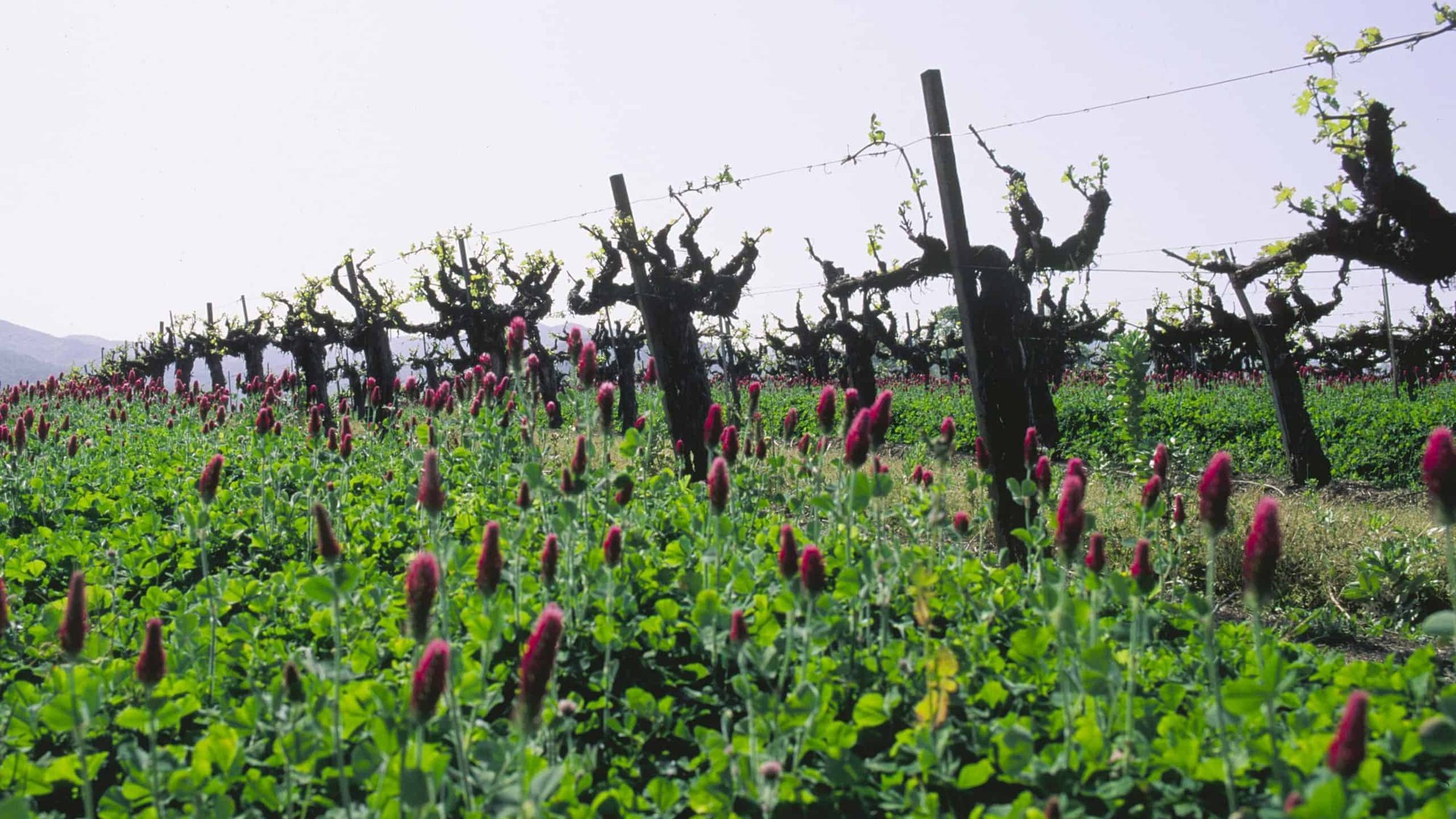
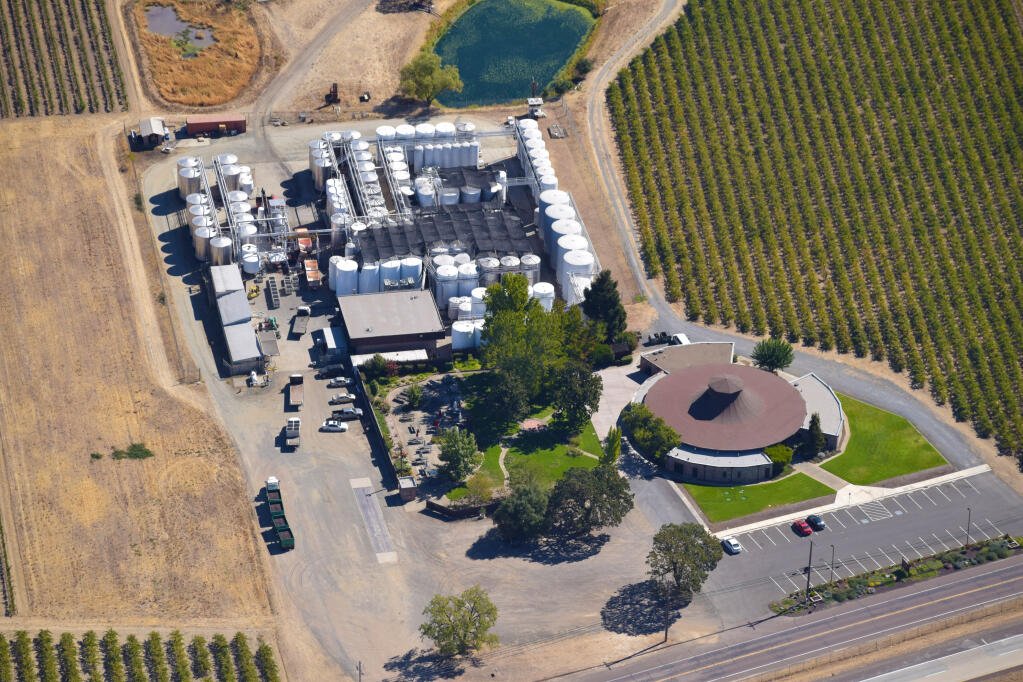
rustic family-owned setting amid organic vineyards and woodlands with a focus on sustainable, natural winemaking
Tags
Vibe
Best For
Experience
Sourcing
View
At the Vineyard
- Appellation
- Redwood Valley AVA
- Varietals
- Cabernet Sauvignon, Zinfandel, Chardonnay, Sauvignon Blanc, Syrah
- Tour Duration
- 60-90 minutes
- Visits
- By appointment only
- Farming
- Biodynamic
- Wine Styles
- Still Red, Still White
- Shipping
- Available
- Wine Club
- Available
Know before you go
Know Before You Go
- Getting there
- 11700 West Rd, Redwood Valley, CA 95470
Planning details
Location
Also consider
Where to look if this does not fit
If Frey Vineyards is not the right match, start with Chance Creek Vineyards for another Redwood Valley winery option. If the group wants a change of category, Mendocino Spirits (Tamar Distillery) is the better pivot because it shifts the itinerary toward spirits rather than another tasting-room comparison.
Winery context
How Frey Vineyards compares in Redwood Valley
Frey Vineyards is the better pick when the day is built around a serious winery stop and the group is comfortable planning ahead. Oster Wine Cellars, Masút Vineyard & Winery, Chance Creek Vineyards, and Lolonis Winery are better cross-shops if the goal is to compare several Redwood Valley producers in one day rather than anchor the itinerary around one address.
For value, the smart move is to decide by format rather than price, since comparable public pricing is not listed here. Pick Frey Vineyards for a focused wine-country stop; pick Chance Creek Vineyards or Lolonis Winery if the group wants a simpler local comparison within Redwood Valley. Masút Vineyard & Winery is the peer to consider when the group is prioritizing winery identity over breadth of stops.
Mendocino Spirits (Tamar Distillery) is the outlier: choose it only when the group wants a spirits break from winery tasting. For a celebration centered on wine, stay with Frey Vineyards or one of the Redwood Valley winery peers; for variety, add the distillery as a separate-style stop rather than treating it as a direct substitute.
Explore Redwood Valley
Around this place
Discover more on Pearl
Unlock the full Frey Vineyards guide in Pearl, including awards, comparisons, FAQs, planning details, and nearby places.
Compare Frey Vineyards
| Venue | Location | Awards |
|---|---|---|
| Frey Vineyards | Redwood Valley | No published awards |
| Oster Wine Cellars | Redwood Valley | No published awards |
| Masút Vineyard & Winery | Redwood Valley | No published awards |
| Chance Creek Vineyards | Redwood Valley | No published awards |
| Lolonis Winery | Redwood Valley | No published awards |
| Mendocino Spirits (Tamar Distillery) | Ukiah | No published awards |
How Frey Vineyards Redwood Valley compares with similar nearby venues.