    Winery in Redwood Valley, United States

    Eaglepoint Ranch

    250pts

    Mendocino Altitude Viticulture

    Eaglepoint Ranch, Winery in Redwood Valley

    About Eaglepoint Ranch

    Eaglepoint Ranch holds a Pearl 1 Star Prestige award (2025), placing it among Redwood Valley's recognised producers in a appellation that still flies well below the radar of Napa or Sonoma visitors. The ranch operates in one of Mendocino County's higher-elevation growing zones, where the diurnal range shapes wines of genuine structural interest. It earns attention from those who follow appellation-level quality rather than brand recognition.

    Redwood Valley at Altitude: Where Mendocino's Wilder Edge Shows Up in the Glass

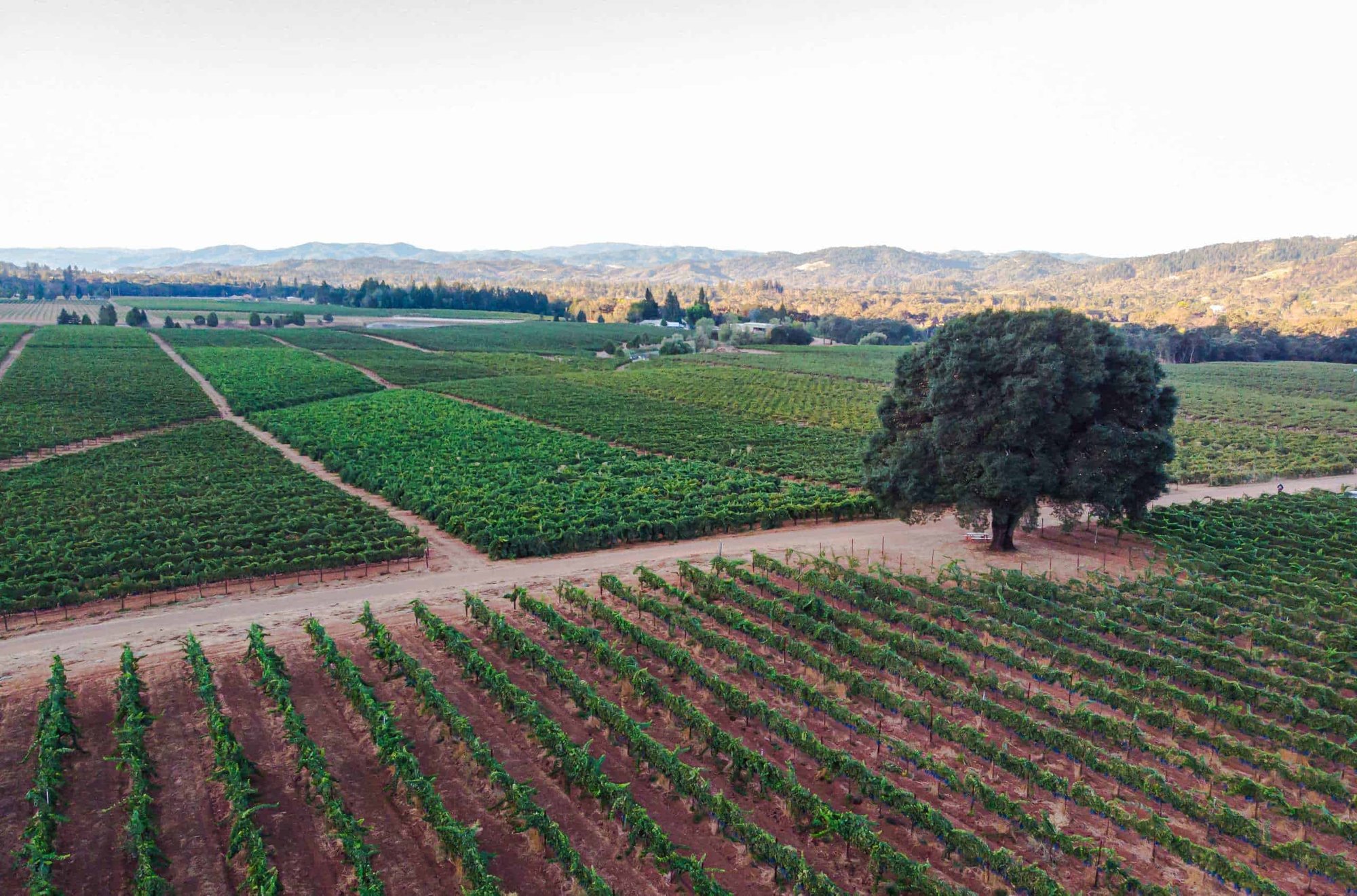
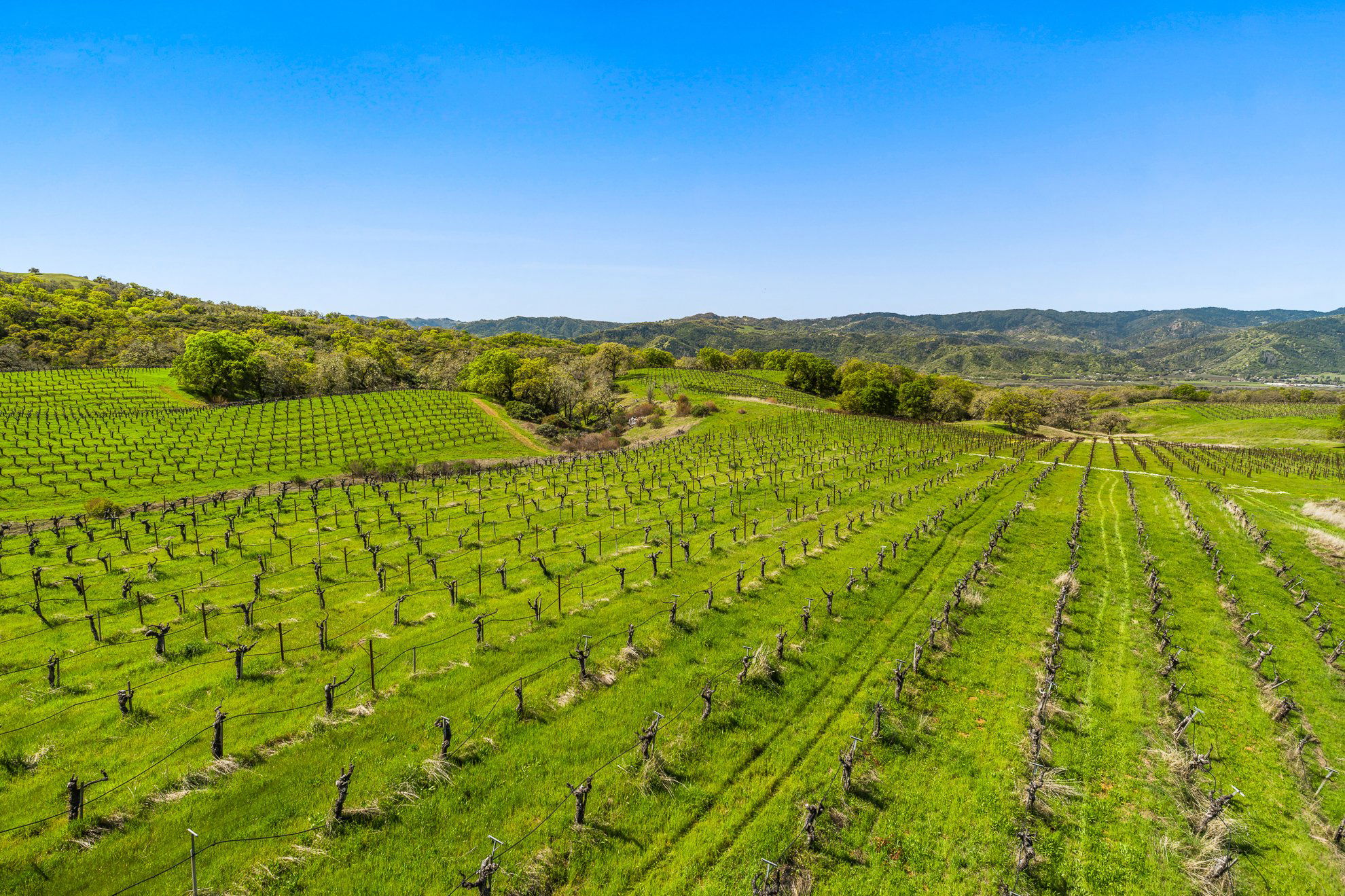
    Approach Redwood Valley from the south and the change in atmosphere is immediate. The corridor narrows, the Russian River shrinks to a creek, and the vineyards climbing the hillsides carry a different character than those spread across the broader Mendocino benchlands below. This is one of California's genuinely high-elevation wine districts, where afternoon heat is offset by cold Pacific air funnelled through the mountain gaps, and where the growing season runs longer and less forgiving than the valley floor appellations that tend to dominate conversations about California wine. Eaglepoint Ranch sits within this environment, and understanding that environment is the first step toward understanding what the wines represent.

    The ranch earned a Pearl 1 Star Prestige award in 2025, a trust signal that places it within a defined tier of recognised producers rather than the general pool. In a region that includes producers like Barra of Mendocino, Frey Vineyards, and Girasole Vineyards, that recognition carries weight. Redwood Valley is not short of serious growers, but it remains undercovered relative to its quality ceiling, which means producers earning formal recognition here tend to offer a different value proposition than equivalently awarded estates in Napa or the Sonoma Coast.

    The Tasting Experience: What Visiting Redwood Valley Actually Feels Like

    Tasting rooms in Redwood Valley operate differently from those in better-trafficked California wine country. There is no parade of tour buses, no choreographed hospitality theater. The format is closer to what wine travel used to feel like before the Napa Valley industrialized the experience: appointments made in advance, smaller groups, and staff whose knowledge tends to go deeper because they are speaking with visitors who sought the appellation out rather than stumbling across it. Producers like Graziano Family of Wines and Chance Creek Vineyards represent the range of experiences on offer across the valley, from multi-generational family estates to smaller-production focused operations.

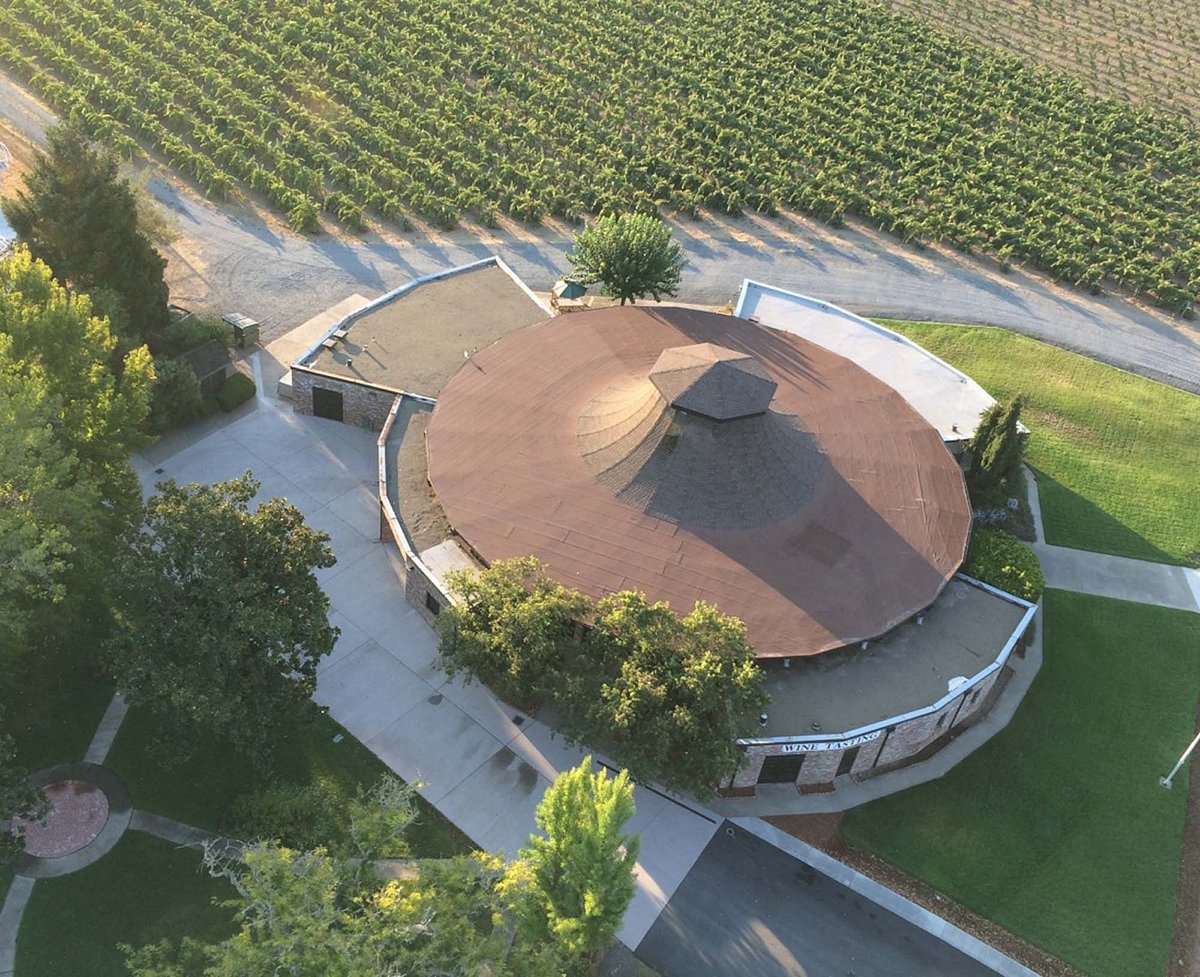
    At Eaglepoint Ranch specifically, the tasting format details are not publicly listed, which is itself a signal. Many of the valley's more serious producers operate by appointment or with intentionally limited public-facing infrastructure. This is not a gap in hospitality; it is a reflection of where the production priority sits. Visitors arriving with prior contact and confirmed access will almost always get more time, more context, and more depth than walk-in traffic receives at any comparable property. Given the elevation and relative remoteness of the ranch's position in the appellation, advance planning is not optional — it is how the visit is designed to work.

    Why the Redwood Valley Appellation Matters to This Producer

    California wine regions sorted themselves over the past two decades along fairly predictable prestige gradients: Napa Cabernet at the leading, followed by Sonoma Coast Pinot, with Central Coast Syrah carving its own specialist lane. Mendocino County, and Redwood Valley in particular, never fully integrated into that hierarchy, which left its serious producers in an interesting position. The appellation earned federal recognition as a distinct AVA, and its elevation profiles — Eaglepoint Ranch sits at one of the higher points in the region , generate the kind of thermal variation that translates into retained acidity and longer phenolic development in the fruit. These are technical advantages that show up in the glass regardless of how well-known the address is.

    Compare that to how elevation functions elsewhere in California. The higher-altitude sites of Adelaida Vineyards in Paso Robles or the hillside positioning of Accendo Cellars in St. Helena carry explicit marketing weight because those appellations are already famous. In Redwood Valley, the same site advantages operate largely without that amplification, which is why producers here tend to attract buyers who read technical detail rather than prestige labels. The Pearl 1 Star Prestige recognition for 2025 is one of the few external markers that names Eaglepoint Ranch explicitly within that tier.

    Placing Eaglepoint Ranch in the Broader California Picture

    Northern California wine beyond the Napa-Sonoma axis includes a range of producers who have made deliberate bets on appellations with less brand recognition but genuine site quality. Alban Vineyards in Arroyo Grande built its reputation on Rhône varieties in a region few people could locate on a map before the wines started winning critical attention. Adelsheim Vineyard in Newberg did similar work for Oregon Pinot Noir before the Willamette Valley became a standard itinerary stop. The pattern is consistent: appellation-level quality exists independently of appellation-level recognition, and the gap between the two tends to close over time.

    Redwood Valley is earlier in that cycle than the Willamette Valley or Arroyo Grande, but the structural conditions are in place. Producers like Eaglepoint Ranch, carrying formal award recognition, serve as reference points for the appellation's upper tier. Visitors exploring California wine beyond the familiar corridors will find that the valley rewards the same research-led approach that served early adopters of regions now considered established. For broader context on what the valley currently offers, see our full Redwood Valley guide.

    For Contrast: How Other Awarded Producers Position Themselves

    Understanding Eaglepoint Ranch's position also benefits from looking at how similarly recognised producers operate in other well-established regions. Alpha Omega Winery in Rutherford operates within one of Napa's most storied sub-appellations, where site reputation is baked into every price point. Alexander Valley Vineyards in Geyserville carries multi-decade institutional weight in a region that has been producing recognised Cabernet since the 1970s. Andrew Murray Vineyards in Los Olivos built its case on Santa Barbara's Rhône story. In each of these contexts, the formal recognition an estate carries is partly a product of the appellation's established credibility. At Eaglepoint Ranch, the award stands more independently , it is not reinforced by appellation prestige in the same way, which makes it a more specific signal about the producer itself.

    For reference, producers in entirely different geographic contexts , including Aberlour in Aberlour and Achaia Clauss in Patras , demonstrate that award-tier recognition operates across radically different production styles and traditions. What these producers share with Eaglepoint Ranch is not a style or a variety; it is the credentialing function of sustained recognition in a category where many producers operate without it.

    Planning Your Visit

    Redwood Valley sits approximately 10 miles north of Ukiah along the US-101 corridor. Visitors travelling from the San Francisco Bay Area face a drive of roughly two and a half to three hours, which places the valley within range of a serious day trip or a two-night stay. The area does not have the hotel infrastructure of Healdsburg or St. Helena, so accommodation planning typically involves Ukiah as a base or the smaller lodging options in and around Hopland to the south. Because specific booking details, hours, and contact information for Eaglepoint Ranch are not publicly listed, direct outreach to the winery or research through current channels is the reliable first step before planning a visit. Given the appointment-oriented nature of the valley's serious producers, arriving without advance contact is not a workable strategy.

    Frequently Asked Questions

    What's the must-try wine at Eaglepoint Ranch?
    Specific current release information is not publicly available for Eaglepoint Ranch. The most useful approach is to contact the winery directly to ask which wines are currently available and which the staff consider most representative of the estate's elevation-driven site characteristics. The 2025 Pearl 1 Star Prestige recognition suggests the range carries formal quality recognition, making the flagship red the logical starting point for a first tasting.
    What's the defining thing about Eaglepoint Ranch?
    The combination of Redwood Valley appellation positioning and a Pearl 1 Star Prestige award (2025) distinguishes Eaglepoint Ranch from the broader field of Mendocino County producers. The ranch occupies high-elevation terrain in one of California's least commercially developed serious wine appellations, which gives it a site profile that differs from both valley-floor Mendocino producers and the more densely visited appellations to the south.
    Do they take walk-ins at Eaglepoint Ranch?
    Walk-in access is not confirmed by any publicly available information. Redwood Valley's more recognised producers generally operate by appointment, and the absence of listed hours or a public booking system at Eaglepoint Ranch suggests the same pattern applies. Contacting the winery before travel is the correct approach; attempting an unannounced visit to a high-elevation ranch property in this appellation is unlikely to produce a productive tasting experience.
    What's Eaglepoint Ranch a strong choice for?
    Eaglepoint Ranch is worth seeking out for visitors who prioritise appellation-level specificity over brand familiarity. The Pearl 1 Star Prestige recognition (2025) places it within a defined quality tier in Redwood Valley, and the elevation profile of the ranch means the wines carry structural characteristics that distinguish them from lower-altitude Mendocino production. It is the kind of producer that rewards research-led wine travel over itinerary-following.
    Any tips before I go to Eaglepoint Ranch?
    Make contact before you travel. No public hours, phone number, or booking link are currently listed, which means arrival without confirmed access is a genuine risk. Plan Ukiah as a base if you are visiting multiple valley producers in a single trip, and allow time for the drive up into the higher appellation terrain. Cross-referencing with other Redwood Valley producers, including Barra of Mendocino and Frey Vineyards, allows you to build a coherent day across the appellation rather than treating Eaglepoint Ranch as an isolated stop.
    How does Eaglepoint Ranch's elevation affect its wines compared to other Redwood Valley producers?
    Eaglepoint Ranch sits at one of the higher elevation points within the Redwood Valley AVA, which translates into a longer, cooler growing season relative to valley-floor sites. That thermal range typically produces fruit with retained acidity and more gradual phenolic ripening, characteristics that show up as structural tension in the finished wines. The 2025 Pearl 1 Star Prestige recognition places the ranch among the appellation's acknowledged quality leaders, a category where site expression at altitude is one of the distinguishing factors separating the leading producers from the broader field.
    Keep this place

    Save or rate Eaglepoint Ranch on Pearl

    Keep this venue in your Pearl passport, rate it after you visit, and track it alongside every other place you collect.