

Winery in Radstadt, Austria
Jules Spirits Distillery
500Pearl PointsSpirits-first stop
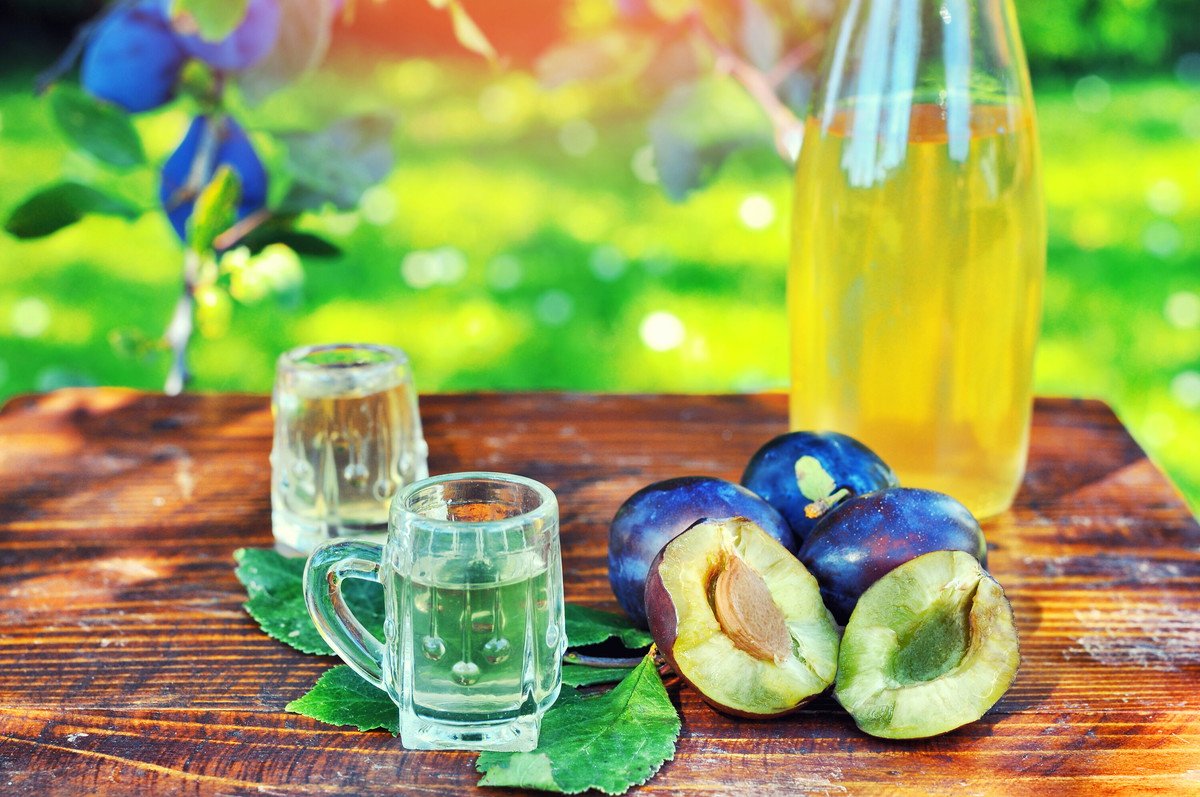
About Jules Spirits Distillery
Jules Spirits Distillery is worth considering for a spirits-focused Radstadt stop, but not as a guaranteed food-pairing or full-meal experience. Plan around limited public logistics, compare it with Mandlberggut Distillery for an easier local alternative, use nearby restaurants or bars to complete the itinerary.
Jules Spirits Distillery is a distillery in Radstadt with a casual dress code and Pearl 2 Star Prestige recognition for 2025. Because the verified public details are limited, plan the stop around the confirmed basics rather than assuming a particular tasting format, food service, pricing, hours, or group setup.
The clearest reason to consider it is its distillery focus. If spirits are the point of the trip, Jules Spirits Distillery can be considered as part of a Radstadt itinerary. If the group needs confirmed dining, pairing, or scheduling details before committing, check the venue's official channels directly before making plans.
Book for a spirits-focused stop, not a full food-pairing plan
The practical advice is simple: do not choose this venue because food is central to the experience. No cuisine style, menu, tasting structure, or dining format is verified here, so treat the distillery visit as the main reason to go and arrange meals separately if needed.
That approach keeps expectations clean. Jules Spirits Distillery is best approached as a Radstadt distillery listing with confirmed casual dress and 2025 Pearl 2 Star Prestige recognition, not as a guaranteed lunch, dinner, or pairing destination.
How to decide if it belongs on the itinerary
Choose Jules Spirits Distillery when the group is specifically interested in a distillery stop in Radstadt and is comfortable confirming practical details in advance. Skip it as the sole plan for visitors who need verified hours, food service, prices, or large-group handling before committing.
For comparison within a broader spirits-focused trip, consider other distillery options such as Mandlberggut Distillery, Hettegger Distillery, Brennerei Huetter, Siegfried Herzog Distillery, Grassl's Gentian Schnaps Distillery. Use those comparisons to decide whether Jules Spirits Distillery is the right fit for your route, rather than assuming all venues offer the same format.
Quick reference: consider it for a spirits-focused Radstadt stop, keep dress casual, note the 2025 Pearl 2 Star Prestige recognition, verify current visit details directly with the venue.
Frequently Asked Questions
What is the main reason to consider Jules Spirits Distillery?
Jules Spirits Distillery is listed as a distillery in Radstadt, so the main reason to consider it is a spirits-focused stop. No specific product, tasting format, or food pairing is verified here.
When is the best time to visit Jules Spirits Distillery?
Go when you can treat it as a focused distillery stop in Radstadt. Verified details include a casual dress code and Pearl 2 Star Prestige recognition for 2025, but current hours and visit formats should be checked directly with the venue.
What similar distillery options can I compare with Jules Spirits Distillery?
For a similar distillery-style comparison, look at Mandlberggut Distillery, Hettegger Distillery, Brennerei Huetter, Siegfried Herzog Distillery, Grassl's Gentian Schnaps Distillery. Confirm each venue's current visit details before building an itinerary around it.
Are there membership details for Jules Spirits Distillery?
Do not make the trip on the assumption that a membership program is the draw. The verified information identifies Jules Spirits Distillery as a Radstadt distillery with Pearl 2 Star Prestige recognition for 2025; no membership details are verified here. Check the venue's official channels for the latest information.
Do I need a reservation at Jules Spirits Distillery?
Reservation requirements are not verified here. If you are planning a serious visit to Jules Spirits Distillery in Radstadt, confirm current booking details directly with the venue before you go.
Does Jules Spirits Distillery serve food?
No verified food-service details are available here. If food is important to the plan, arrange a meal separately or confirm directly with Jules Spirits Distillery before visiting.
Can Jules Spirits Distillery handle large groups?
Large-group capacity is not verified here. Treat Jules Spirits Distillery as a call-ahead venue for bigger parties and confirm fit directly before sending a group.
Location
Flachauer Str. 224, 5542 Flachau
Radstadt, Austria
Compare Jules Spirits Distillery
| Venue | Location | Awards |
|---|---|---|
| Jules Spirits Distillery | Radstadt | Pearl 2 Star Prestige (2025) |
| Mandlberggut Distillery | Radstadt | , |
| Hettegger Distillery | St. Johann im Pongau | , |
| Brennerei Huetter | Zederhaus | , |
| Siegfried Herzog Distillery | Saalfelden | , |
| Grassl's Gentian Schnaps Distillery | Berchtesgaden | , |
How Jules Spirits Distillery Radstadt compares with similar nearby venues.
Also Consider
- Mandlberggut Distillery, Notable alternative
- Hettegger Distillery, Notable alternative
- Brennerei Huetter, Notable alternative
- Siegfried Herzog Distillery, Notable alternative
- Grassl's Gentian Schnaps Distillery, Notable alternative
How Jules Spirits Distillery compares in the Radstadt distillery set
Jules Spirits Distillery is the higher-effort choice in this group because the booking signal is demanding and public planning details are thin. That makes it better for travellers who specifically want a spirits-led stop, not for groups trying to lock in a low-risk afternoon. Mandlberggut Distillery is the first cross-shop for a Radstadt-based plan because it keeps the itinerary local and easier to build around.
If value means predictability, start with Hettegger Distillery or Brennerei Huetter before committing here. They make more sense when the group wants a simpler distillery visit without treating access as the main challenge. If the priority is a broader spirits route beyond Radstadt, Siegfried Herzog Distillery and Grassl's Gentian Schnaps Distillery are stronger comparison points for travellers willing to leave the immediate area.
Bottom line: choose Jules Spirits Distillery for a focused, harder-to-secure spirits stop; choose Mandlberggut for the cleaner Radstadt fit; choose the out-of-metro peers when the day is built around range rather than convenience. For non-specialist groups, the easier booking path usually wins.
Explore Radstadt
Save or rate Jules Spirits Distillery on Pearl
Keep this venue in your Pearl passport, rate it after you visit, and track it alongside every other place you collect.