

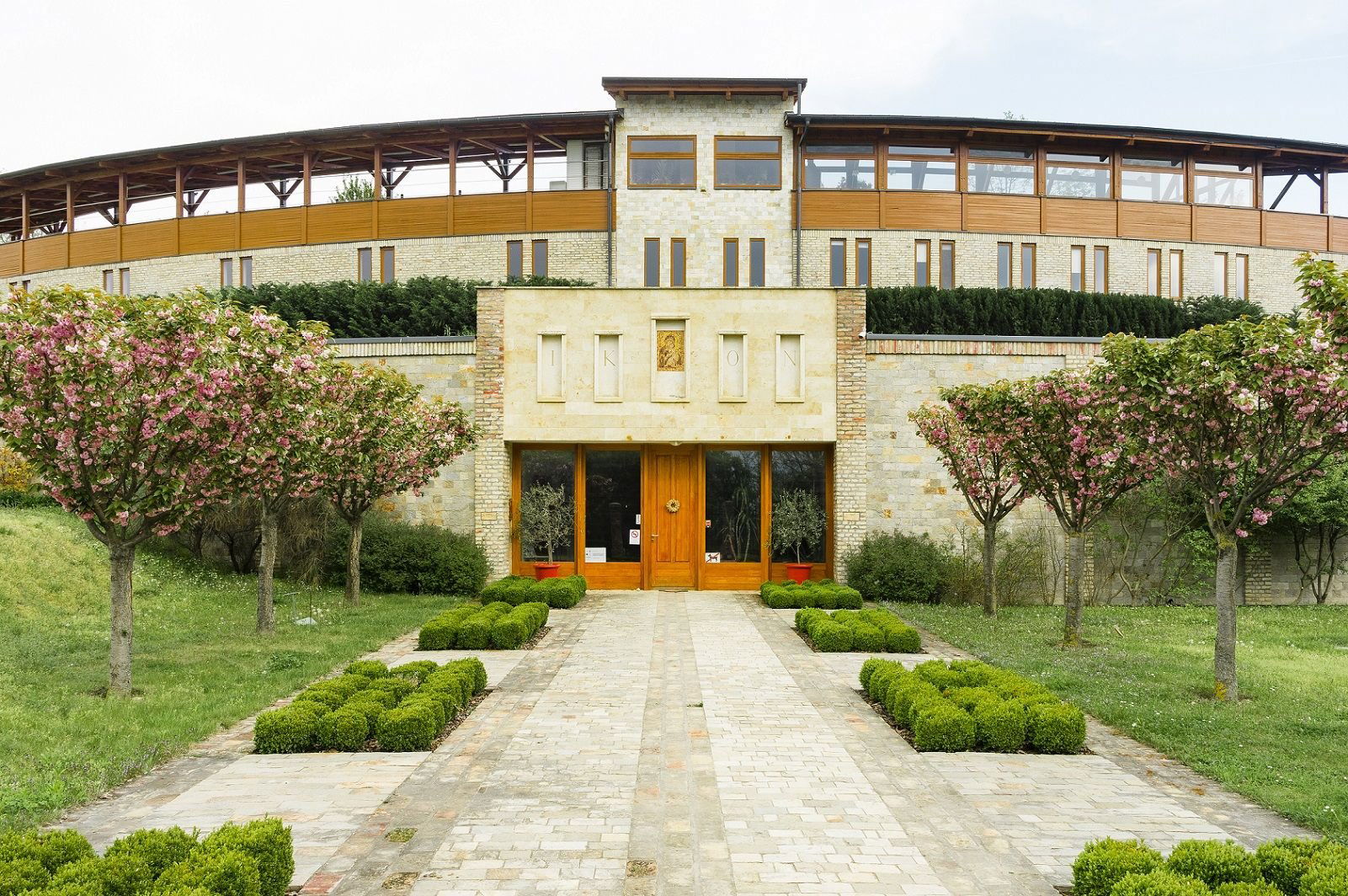
Ikon Winery
Rádpuszta
Winery in Rádpuszta, Hungary
 Book with Pearl
The Read
Somogy Prestige Production
Why go
Ikon Winery is worth targeting if the goal is a prestige-rated Rádpuszta estate visit rather than a fully mapped food-and-wine schedule. First-timers should plan ahead, keep the group small, and confirm arrangements before building the day around it. Choose it for setting and wine-country focus; cross-shop other nearby wineries if easier logistics matter more.
About Ikon Winery
Pearl 2 Star Prestige recognition for 2025 is the clearest signal for Ikon Winery in Rádpuszta. Treat this as a winery to research directly before making plans, rather than a venue with a fully documented public itinerary.
Rádpuszta is the location to plan around, and Ikon Winery is best assessed on the limited confirmed facts: it is a Rádpuszta winery with smart casual dress code guidance and Pearl 2 Star Prestige recognition in 2025. First-timers should use the confirmed profile as a starting point, then verify any practical details directly before committing to a visit. The decision here should be based on whether those details are enough for your trip, not on unconfirmed claims about food, tastings, or logistics.
Book for the winery profile, not a guaranteed dining agenda
The practical verdict is simple: consider Ikon Winery if a Rádpuszta winery with Pearl 2 Star Prestige recognition fits your plan. Do not assume a defined lunch, a published tasting list, drop-in availability, or a specific dining format unless you confirm it directly. The dress code is smart casual, but the available confirmed data does not establish hours or booking method, so the safer planning move is to check current arrangements before building transport around the visit.
Use Ikon Winery as the anchor only if the group is comfortable planning from a small set of confirmed details. For comparison, consider Bujdosó Winery, Garamvári Vineyard, Konyári Winery, Légli Ottó Pincészet, or Varga Pincészet. Those names are useful benchmarks, but Ikon Winery should still be judged on its own Rádpuszta profile.
Who should make the effort
The best fit is a visitor who is comfortable confirming practical details in advance and does not need a fully documented dining or tasting program before deciding. Larger groups, travelers with strict timing, and anyone planning around food should be more cautious unless the needed arrangements are confirmed directly. The strongest reasons to keep Ikon Winery on the list are its Rádpuszta location, smart casual dress code, and Pearl 2 Star Prestige recognition for 2025.
If the plan extends beyond Rádpuszta, compare Ikon Winery with other winery options such as Bujdosó Winery, Garamvári Vineyard, Konyári Winery, Légli Ottó Pincészet, and Varga Pincészet. The smart move is to avoid assuming details that are not confirmed in the venue profile and to verify the essentials before committing the day.
Planning details
- Location
- Látrány, 8681
- Website
- ikonboraszat.hu
- Phone
- +36 30 454 9431
The take
The Take
The Vibe
Ikon Winery presents an understated, contemplative presence in Somogy County. The prose frames the estate as a quieter alternative to Hungary’s better-known, publicity-driven regions: it quietly argues for terroir-driven quality rather than courting high-profile auction attention. The setting reads as low-key and discovery-oriented, with production and place taking center stage over spectacle. Visitors should expect a modest, rural sensibility where tasting notes and soil stories matter more than glamorous amenities—an experience built around regional character and measured confidence rather than flash.
Best For
Ikon is best for visitors who want to dig into terroir and regional character. The coverage highlights the estate’s role in making a case for Látrány and Somogy County, so it suits curious drinkers, wine students and travelers who prioritize learning over nightlife or large-group socializing. The winery’s recent Pearl 2 Star Prestige recognition signals quality that rewards focused tasting and study, making Ikon particularly apt for solo exploration or small, attentive visits aimed at understanding how local soils and varieties shape the wines.
Tasting Tips
When you visit, prioritize tastings that foreground terroir and the estate’s signature expressions. The profile calls out Ikon’s 2025 Pearl 2 Star Prestige recognition as an independent signal of the producer’s direction, so seek out pours tied to that accolade or those described as terroir-driven. Ask the staff about local varieties and how Somogy’s loess and clay soils influence style; framing your tasting around soil and varietal discussion yields the most insight given the winery’s emphasis on regional identity rather than international stylistic norms.
Venue details
Tags
Vibe
Best For
Experience
View
At the Vineyard
- Appellation
- Balatonboglár
- Varietals
- Cabernet Franc, Merlot, Cabernet Sauvignon, Grüner Veltliner, Blaufränkisch
- Wine Club
- Not available
Know before you go
Know Before You Go
- Getting there
- Látrány, 8681
Planning details
Location
Also consider
Also Consider
- Bujdosó Winery, Notable alternative
- Garamvári Vineyard, Notable alternative
- Konyári Winery, Notable alternative
- Légli Ottó Pincészet, Notable alternative
- Varga Pincészet, Notable alternative
Winery context
How Ikon Winery compares in the Rádpuszta set
Ikon Winery is the higher-effort choice in this group: worth prioritizing if the estate atmosphere is central to the day, less convenient if the group wants a simpler, lower-friction tasting plan. Bujdosó Winery and Garamvári Vineyard are the more sensible cross-shops for travelers who want to compare winery visits without making one estate carry the whole itinerary.
For ambiance, Ikon Winery is the pick when the grounds are part of the value calculation. Konyári Winery and Légli Ottó Pincészet are better alternatives to check if the decision is more producer-led than setting-led, especially for visitors building a multi-stop wine day. Varga Pincészet is the practical backup to consider when availability and ease matter more than a prestige-led estate choice.
Value depends on what the visit replaces. If this is the main wine stop of the day, Ikon Winery makes sense because the recognition signal supports the extra planning. If it is one of several stops, choose the peer with the easiest confirmed logistics and save Ikon Winery for a trip where the estate itself is the point.
Explore Rádpuszta
Around this place
Discover more on Pearl
Unlock the full Ikon Winery guide in Pearl, including awards, comparisons, FAQs, planning details, and nearby places.
Compare Ikon Winery
| Venue | Location | Awards |
|---|---|---|
| Ikon Winery | Rádpuszta | No published awards |
| Bujdosó Winery | Balatonlelle | No published awards |
| Garamvári Vineyard | Balatonlelle | No published awards |
| Konyári Winery | Balatonlelle | No published awards |
| Légli Ottó Pincészet | Balatonboglár | No published awards |
| Varga Pincészet | Badacsonytomaj | No published awards |
How Ikon Winery Rádpuszta compares with similar nearby venues.
FAQ
Frequently Asked Questions
Does Ikon Winery serve food?
The venue details for Ikon Winery in Rádpuszta do not list a cuisine type or dining format. Treat any food plans as unconfirmed unless you verify them directly before visiting.
What is the flagship wine at Ikon Winery?
No single flagship wine is identified in the venue details. Treat Ikon Winery in Rádpuszta as a winery with Pearl 2 Star Prestige recognition for 2025, not as a place documented around one listed label.
How long should I plan for a visit to Ikon Winery?
Plan only after checking current arrangements directly with the venue.
Is the wine club at Ikon Winery worth joining?
Do not make plans around a club offering unless Ikon Winery confirms one directly.
When is the best time to visit Ikon Winery?
Choose a time only after confirming current availability with Ikon Winery in Rádpuszta.