Blue Pyrenees Estate
Avoca, Pyrenees
Winery in Pyrenees, Australia
 Book with Pearl
The Read
Granite-Country Viticulture
Why go
Blue Pyrenees Estate is the right call for a focused Pyrenees wine stop, especially if the trip is about understanding the region rather than filling a full hospitality day. The safest plan is to confirm food, shipping, and group details before building an itinerary around it. Cross-shop Dalwhinnie or Taltarni Vineyards if you want a broader regional comparison.
About Blue Pyrenees Estate
Blue Pyrenees Estate is a Pyrenees venue with a casual dress code and Pearl 3 Star Prestige recognition for 2025. Practical details should be checked directly before planning a visit.
Details such as food service, group arrangements, booking requirements, timing, and visit format are not provided, so they should not be assumed.
A Pyrenees venue for a careful shortlist
For travellers comparing venue options, Blue Pyrenees Estate can sit alongside names such as Dalwhinnie or Taltarni Vineyards as part of a more deliberate shortlist. The venue is in Pyrenees, the dress code is casual, and it holds Pearl 3 Star Prestige recognition for 2025.
The main caution is expectation-setting. Do not build the day around assumed food service, group capacity, or walk-in flexibility. The safer plan is to confirm the key details through official channels, then use broader Pyrenees planning resources to fill in the rest of the day.
Who should put it on the route
Blue Pyrenees Estate is best considered by visitors who want a Pyrenees stop with Pearl 3 Star Prestige recognition and a casual dress code. It is less direct for anyone who needs dining, group logistics, or a tightly timed schedule, as those details should be checked directly with the venue.
Quick reference: choose Blue Pyrenees Estate for a Pyrenees venue with a casual dress code and Pearl 3 Star Prestige recognition; check directly before relying on food, timing, group, or booking details.
Planning details
- Location
- 656 Vinoca Rd, Avoca VIC 3467
- Website
- bluepyrenees.com.au
- Phone
- +61 3 5465 1111
The take
The Take
The Vibe
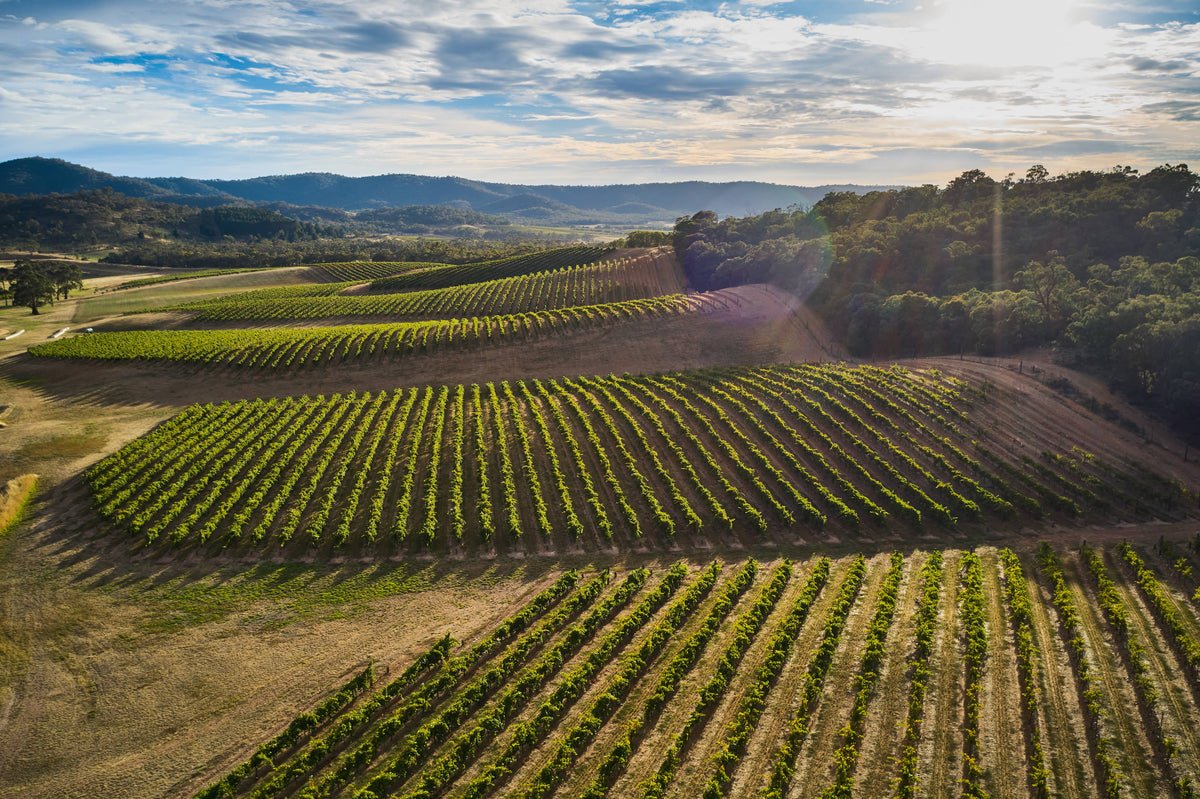
Blue Pyrenees Estate presents a quietly contemplative mood anchored in landscape rather than decoration. The property sits on the Pyrenees plateau and opens onto slabs of granite and weathered volcanic country, so the sense of place is immediate and unshowy. That restrained, spacious character frames visits: the focus is on geological texture, altitude and the way cooler nights preserve acidity. The overall impression is calm and studious rather than flashy—an environment where the terrain reads plainly in the glass and encourages close attention to what makes these Central Victorian wines distinct.
Best For
This estate is best for visitors who come to learn about place and process. The description emphasizes the region’s altitude, east-facing aspects and diurnal temperature swings, so the property suits wine-focused visits and travelers interested in cool-climate expression. It rewards people who want to understand how site and geology shape flavor rather than those seeking a purely social or nightlife-driven outing. The tone and setting make it appropriate for considered tastings and those who travel the Pyrenees to compare individual site expressions across a small, terroir-driven region.
Tasting Tips
When you taste here, steer conversations toward site-driven elements: ask about elevation, east-facing aspects and the influence of warm days and cool nights on acidity. The text highlights a grey-brown mineral palette of weathered volcanic and granitic rock, so look for wines that show minerality, clarity and preserved acidity. Approach bottlings or flights with an eye to how vintages and sites differ rather than chasing varietal signatures; comparative sips across years or vineyard blocks will illuminate the Pyrenees’ cooler-climate signatures more clearly than single-bottle sampling.
Venue details
Ambiance
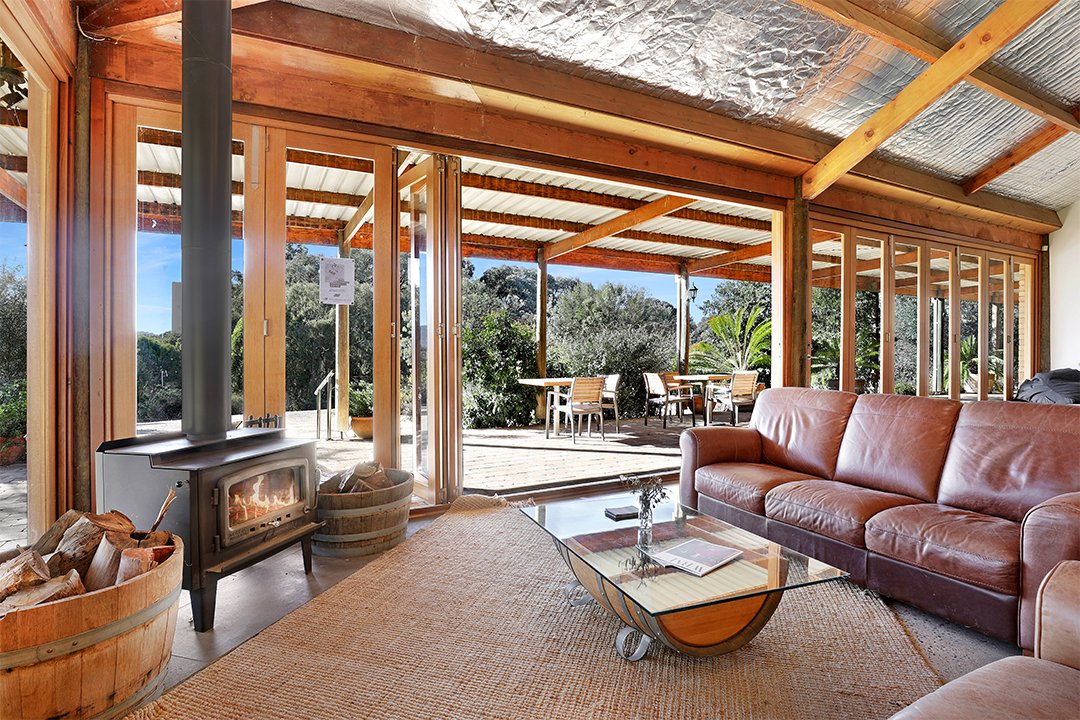
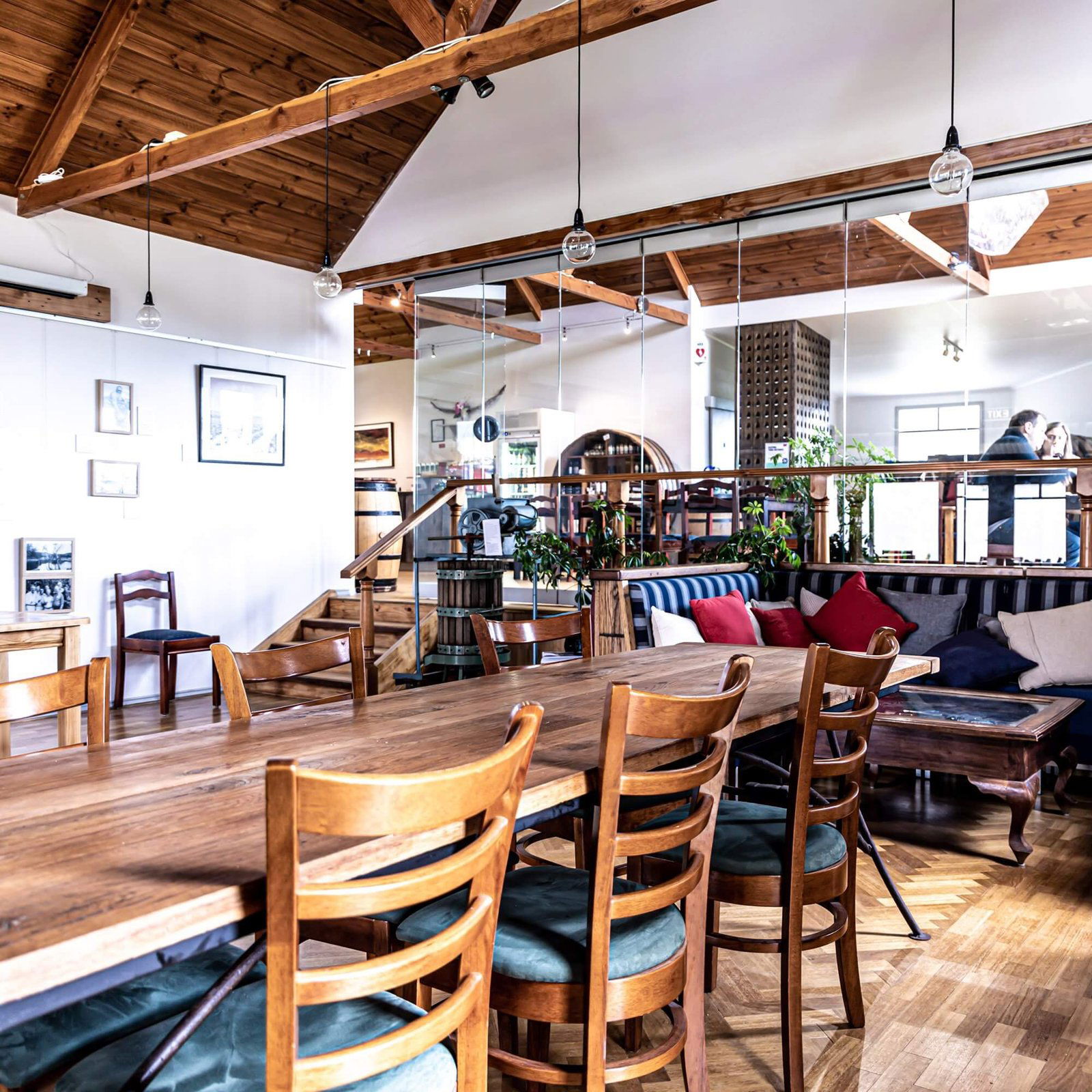
Relaxed and welcoming cellar door with gorgeous vineyard and hill views, cozy indoor fire in winter, and alfresco lawn seating in warmer months.
Tags
Vibe
Best For
Experience
Sourcing
View
Accessibility
At the Vineyard
- Appellation
- Pyrenees
- Varietals
- Shiraz, Cabernet Sauvignon, Chardonnay, Merlot, Pinot Noir
- Visits
- Walk-ins welcome
- Farming
- Sustainable
- Wine Styles
- Still Red, Still White, Sparkling
- Food Pairing
- Offered
- Wine Club
- Available
Know before you go
Know Before You Go
- Getting there
- 656 Vinoca Rd, Avoca VIC 3467
Planning details
Location
Also consider
Where to look if this does not fit the plan
If Blue Pyrenees Estate does not suit the timing or group needs, start with Taltarni Vineyards for another Pyrenees option, then compare Dalwhinnie if the goal is a tighter, wine-led route. For a broader western Victorian itinerary, consider Seppelt Great Western instead.
Winery context
How it compares in the Pyrenees set
Blue Pyrenees Estate is the practical pick when the day needs a serious regional anchor rather than a long list of extras. Taltarni Vineyards and Dalwhinnie are the closest cross-shops for a Pyrenees-focused itinerary: choose Taltarni if you want another established regional name, and Dalwhinnie if the plan is to compare a smaller set of high-intent tastings rather than rush between stops.
Mount Langi Ghiran, Eastern Peake, and Seppelt Great Western make more sense as broader Victorian wine comparisons than same-day Pyrenees substitutes. They are better for readers building a regional road trip across western and central Victoria, not for someone trying to keep the day tight around Avoca and the immediate Pyrenees.
For value, the deciding factor is logistics rather than headline price. Blue Pyrenees Estate is worth the effort if the visit is wine-led; Taltarni Vineyards or Dalwhinnie may be easier to slot beside it for a clean two-stop Pyrenees plan. If the priority is ambiance or a longer touring day, compare all five before committing to a route.
Explore Pyrenees
Around this place
Discover more on Pearl
Unlock the full Blue Pyrenees Estate guide in Pearl, including awards, comparisons, FAQs, planning details, and nearby places.
Compare Blue Pyrenees Estate
| Venue | Location | Awards |
|---|---|---|
| Blue Pyrenees Estate | Pyrenees | No published awards |
| Taltarni Vineyards | Pyrenees | No published awards |
| Dalwhinnie | Pyrenees | 2026 Falstaff Winery Guide |
| Mount Langi Ghiran | Grampians | 2026 Falstaff Winery Guide |
| Eastern Peake | Ballarat | No published awards |
| Seppelt Great Western | Grampians | No published awards |

How Blue Pyrenees Estate compares with similar nearby venues.
FAQ
Frequently Asked Questions
Does Blue Pyrenees Estate serve food?
Food service details are not provided. Blue Pyrenees Estate is a Pyrenees venue with casual dress and Pearl 3 Star Prestige (2025) recognition; confirm any dining details directly before visiting.
What is Blue Pyrenees Estate known for?
Specific offerings are not provided. Blue Pyrenees Estate is a Pyrenees venue with a casual dress code and Pearl 3 Star Prestige (2025) recognition.
Does Blue Pyrenees Estate offer memberships or visitor programs?
Membership and visitor-program details are not provided. If that is important to your visit, confirm the current offer directly and compare your plans with other options such as Taltarni Vineyards or Dalwhinnie.
When is the best time to visit Blue Pyrenees Estate?
Specific opening times and best-visit timing are not provided. Confirm current hours and booking requirements directly before travelling to Pyrenees, especially if you are also considering Mount Langi Ghiran or Eastern Peake.