Laphroaig
Port Ellen
Winery in Port Ellen, United Kingdom
 Book with Pearl
The Read
Kildalton Peat Provenance
Price
$20–30tasting
Why go
Laphroaig is worth prioritizing if the trip is built around serious Islay whisky rather than a food-led stop. Plan it as an anchor visit near Port Ellen, then compare it with Lagavulin, Ardbeg, or Port Ellen Distillery depending on how deep the group wants to go.
About Laphroaig
Should you visit Laphroaig while staying in Port Ellen? Laphroaig is a Port Ellen venue with Pearl 4 Star Prestige (2025), and the dress code is casual. Beyond that, details about formats, menus, timing, group capacity, or services should be confirmed directly before you plan around them.
Evaluate Laphroaig as a named Port Ellen stop based on its merits. If you are comparing options, the natural reference set includes Ardbeg, Bowmore, Bruichladdich, Lagavulin, Laphroaig, and Port Ellen Distillery, along with other dining options in Port Ellen considered generically.
Focus on the venue details
Details on food service, menu format, pricing, hours, seating, or a specific drinks program are not provided. Laphroaig is in Port Ellen, carries Pearl 4 Star Prestige (2025), and has a casual dress code.
If your plan depends on a particular service, confirm it through the venue's official channels before arranging the rest of the day. For lodging logistics in the area, use our full Port Ellen hotels guide.
How to use it in a Port Ellen day
For itinerary planning, consider Laphroaig a Port Ellen venue with recognized prestige. If you are choosing between several recognizable names, compare it with Ardbeg, Bowmore, Bruichaddich, Lagavulin, and Port Ellen Distillery based on the current details each venue publishes directly.
Hours, booking requirements, group size, or service format are not included, so avoid building a tight schedule from assumptions. Confirm the practical details first, then place Laphroaig into the day around confirmed timing and logistics.
For broader planning, keep any comparison to other Port Ellen options general unless you have current, venue-published information for the specific service you need.
Planning details
- Location
- Laphroaig, Isle of Islay PA42 7DU, UK
- Website
- laphroaig.com
- Phone
- +44 1496 302418
The take
The Take
The Vibe
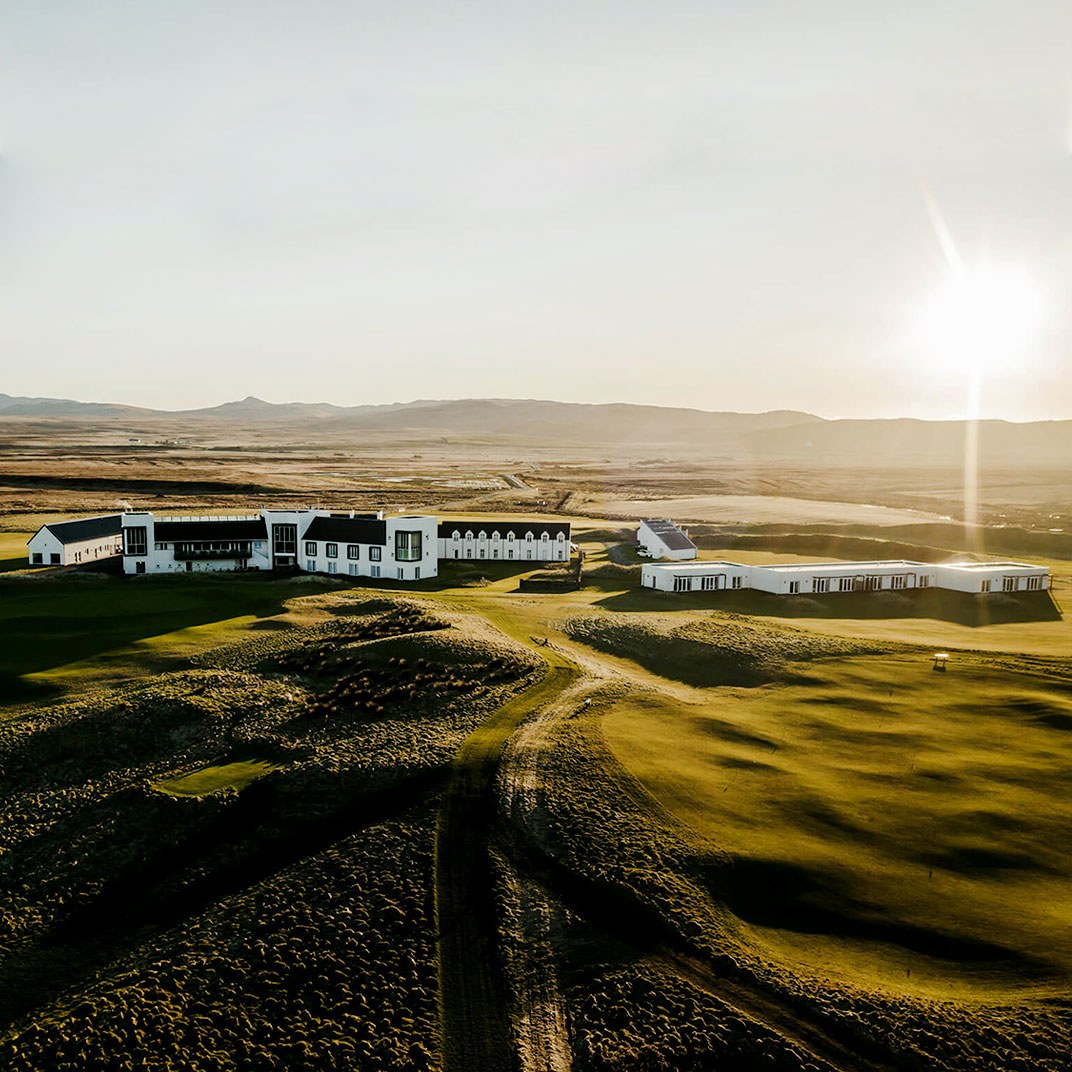
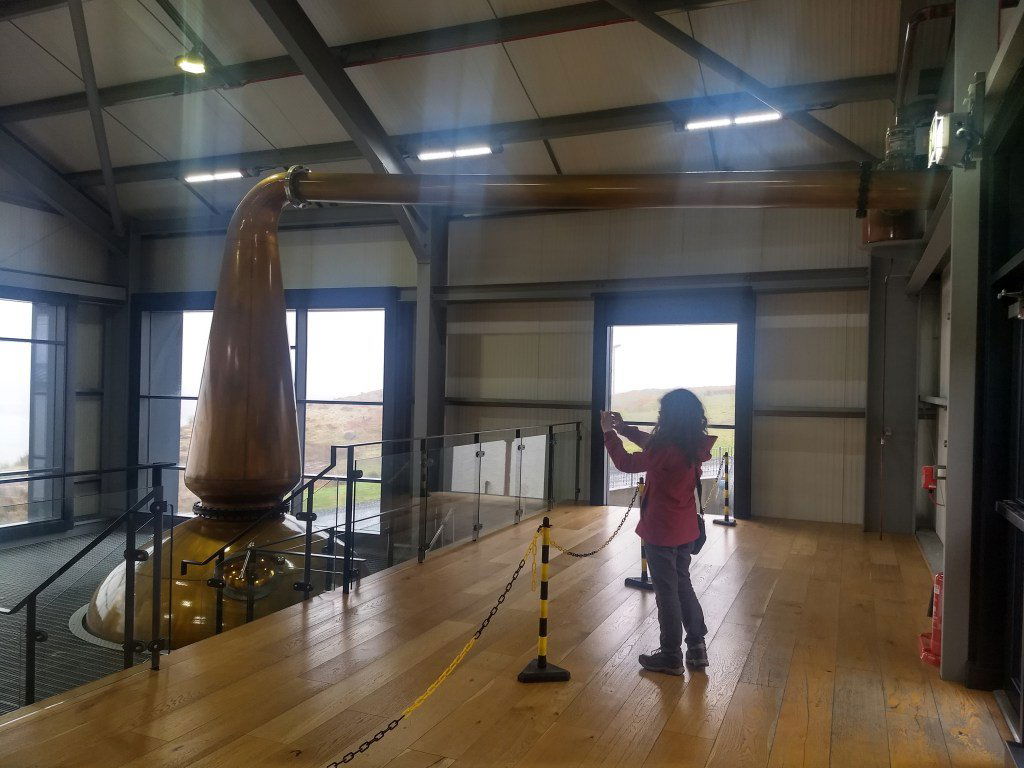
Laphroaig reads like an elemental distillery: the Atlantic and exposed shoreline are part of the dram’s DNA, and the whitewashed warehouses and peat-rich bogs underline a long, place-driven tradition. The house is known for a medicinal, iodine-forward smoke that sits at the assertive end of Islay’s spectrum, and that uncompromising profile breeds both fierce loyalty and clear opinions. Visits feel deliberate and elevated—this is a classic, historically rooted operation that leans into its distinctive, sophisticated identity rather than smoothing edges for mass appeal.
Best For
This is an essential stop for anyone focused on whisky education and tasting-centered travel: the visitor centre and tasting room foreground format and depth of knowledge, making it well suited to solo explorers, small groups, and dedicated whisky fans. It’s also a good fit for people who want to understand how coastal peat and local production shape flavor—those who favor big, smoky, iodine-rich malts will be in their element. Visitors seeking light, easy-going whiskies should be prepared for a bolder profile that divides opinion.
Tasting Tips
Approach tastings here as an educational progression: ask the staff in the visitor centre for a guided flight that illustrates Laphroaig’s peat and iodine character so you can compare expressions and understand the distillery’s signature. Because the medicinal smoke can be polarizing, start with smaller pours or an introductory expression before moving to the more assertive bottlings. Take advantage of the guided format and the team’s knowledge—this venue emphasizes depth and context, so staff explanations will meaningfully shape your appreciation of what’s in the glass.
Venue details
Ambiance
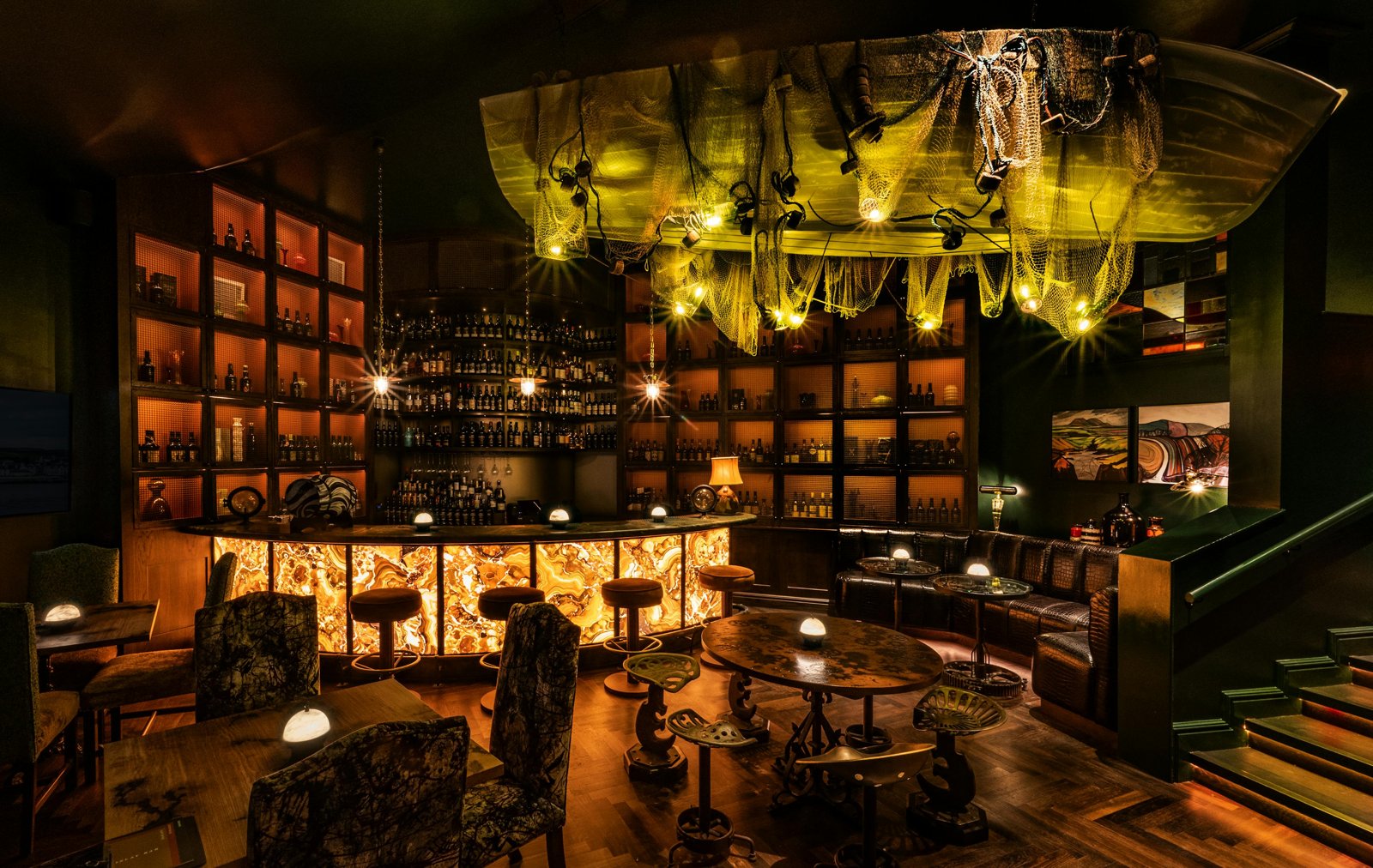
Rustic coastal atmosphere with earthy, peaty aromas and a historic, working distillery feel enhanced by sea breezes.
Tags
Vibe
Best For
Experience
Sourcing
View
At the Vineyard
- Appellation
- Islay
- Tour Duration
- 60-90 minutes
- Tour Languages
- English
- Visits
- By reservation
- Production
- Mid-size producer
- Shipping
- Available
- Wine Club
- Available
Know before you go
Know Before You Go
- Getting there
- Laphroaig, Isle of Islay PA42 7DU, UK
Planning details
Location
Also consider
Also Consider
- Lagavulin, Notable alternative
- Port Ellen Distillery, Notable alternative
- Ardbeg, Notable alternative
- Bowmore, Notable alternative
- Bruichladdich, Notable alternative
Winery context
How it compares on the Port Ellen whisky circuit
Choose Laphroaig when the priority is a defining Islay distillery experience with strong coastal context. Lagavulin is the closest like-for-like cross-shop for visitors who want another serious south-shore name, while Ardbeg is the better alternative when the group wants a less formal-feeling stop in the same general circuit.
Port Ellen Distillery is the more collector-minded comparison, so it suits whisky-focused travelers who care about rarity and distillery lore. Laphroaig is the safer anchor for a first or second Islay trip because it gives the day a clear identity without requiring the group to be deep collectors.
If the plan extends beyond Port Ellen, Bowmore and Bruichladdich work better as island-wide itinerary choices than direct replacements. Pick them when the day is built around exploring more of Islay; stay with Laphroaig, Lagavulin, or Ardbeg when the schedule is centered on Port Ellen and the south coast.
Explore Port Ellen
Around this place
Discover more on Pearl
Unlock the full Laphroaig guide in Pearl, including awards, comparisons, FAQs, planning details, and nearby places.
Compare Laphroaig
| Venue | Location | Awards |
|---|---|---|
| Laphroaig | Port Ellen | No published awards |
| Lagavulin | Port Ellen | No published awards |
| Port Ellen Distillery | Port Ellen | No published awards |
| Ardbeg | Port Ellen | No published awards |
| Bowmore | Bowmore | No published awards |
| Bruichladdich | Bruichladdich | No published awards |
How Laphroaig Port Ellen compares with similar nearby venues.
FAQ
Frequently Asked Questions
When is the best time to visit Laphroaig?
Opening hours or visit timing are not included. Plan only after confirming current availability directly with the venue, especially if you are comparing the day with Ardbeg, Lagavulin, Bowmore, Bruichaddich, or Port Ellen Distillery.
How long should I plan for a visit to Laphroaig?
A typical visit length is not included. Leave the schedule flexible until you have confirmed the current format and timing directly with Laphroaig.