

Ardbeg
Port Ellen
Winery in Port Ellen, United Kingdom
 Book with Pearl
The Read
Southern Islay Peat Intensity
Why go
Public venue details are withheld because Ardbeg is a whisky distillery, not a winery.
About Ardbeg
Ardbeg in Port Ellen is best approached with a simple, carefully checked plan rather than assumptions about format, services, pricing, menus, or booking rules. The dress code is casual, and Ardbeg holds Pearl 5 Star Prestige (2025).
Plan the practical details
Use the recognition as a reason to take Ardbeg seriously when planning time in Port Ellen, but do not infer specific services from that alone. Before committing your schedule, check practical details directly, including availability, visit format, pricing, and what is currently offered.
For comparison planning, Ardbeg can be considered alongside Lagavulin, Laphroaig, Bowmore, Bruichladdich, and Port Ellen Distillery, depending on the shape of your trip. Keep the decision grounded in current information rather than assumptions about dining, drinks, tours, or add-ons.
Timing matters more than the itinerary suggests
Timing should be handled cautiously. Build flexibility into any Port Ellen plan and check the latest arrangements before travelling.
For value, focus on fit: choose Ardbeg if a Pearl 5 Star Prestige (2025) venue in Port Ellen suits your plans, and compare it with Port Ellen Distillery or other nearby options if logistics are the deciding factor.
Who should choose it over another option
Choose Ardbeg if you want a casual-dress venue in Port Ellen with Pearl 5 Star Prestige (2025) recognition. If you need specific food service, detailed pricing, particular availability, or a defined visit format, check those points before making it central to the day.
For a wider comparison, consider Ardbeg alongside Bowmore, Bruichladdich, Lagavulin, Laphroaig, and Port Ellen Distillery, while also leaving room for other dining in Port Ellen if meals are part of the plan.
Planning details
- Location
- Port Ellen, Isle of Islay PA42 7EA, United Kingdom
- Website
- ardbeg.com
- Phone
- +44 1496 302244
The take
The Take
The Vibe
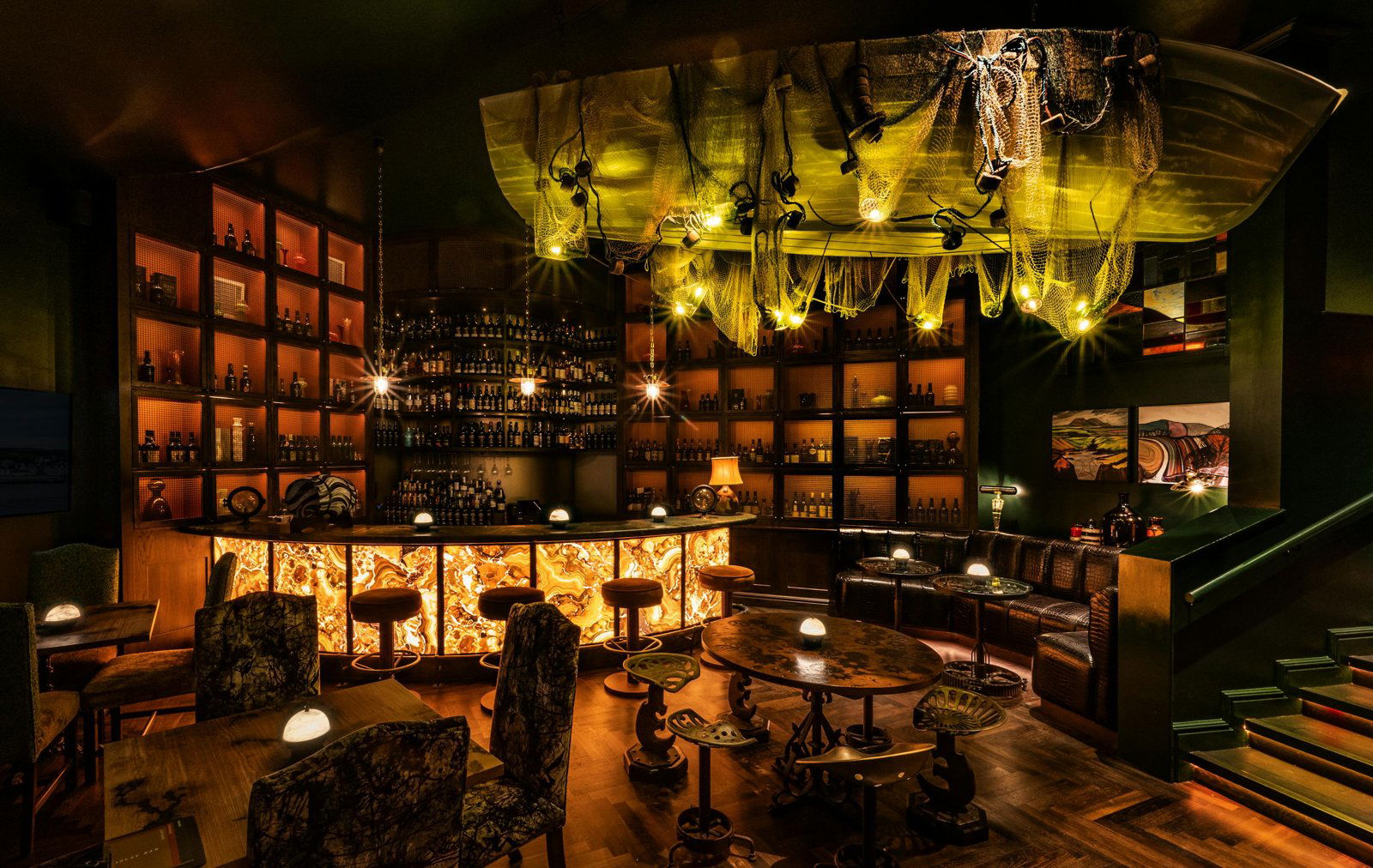
Ardbeg presents a rugged coastal drama rather than a polished tasting-room gloss. The distillery’s whitewashed buildings sit low against the Islay shoreline, and the Atlantic wind and surrounding peat bogs register in every tasting note. The copy places the site within a tight cluster of southern-Islay producers, emphasising elemental influences — sea air, iodine, deep peat — that shape the spirit. At the same time, a recent specialist award positions Ardbeg among Scotland’s better-regarded single-malt makers, so the overall tone is simultaneously raw, elemental, and quietly accomplished.
Best For
Ardbeg is best for visitors focused on whisky education and sensory exploration. The write-up foregrounds the geological and peat-driven reasons behind Islay’s distinctive phenolic signatures, so anyone curious about how terroir, peat and coastal exposure translate into smoke, brine and medicinal notes will get the most from a visit. The setting also suits solo explorers who want to absorb place-driven context, and it pairs naturally with a group outing that circuits the southern-Islay distilleries to compare different expressions born of the same landscape.
Tasting Tips
When choosing expressions at Ardbeg, prioritise bottlings that showcase the island’s peat and maritime character: look for high-phenol, heavily peated releases that foreground smoke, iodine and brine. The profile described — smoke, brine and medicinal depth — rewards focused nosing and pacing; sip slowly to trace kilning and phenol through the palate. Also note the distillery’s recent recognition — references to its 2025 Pearl 5 Star Prestige award suggest asking staff about award-winning or flagship expressions to sample the house style at its most highly regarded.
Venue details
Ambiance
Rustic historic distillery atmosphere with maritime coastal vibes and peaty, smoky character.
Tags
Vibe
Best For
Experience
View
At the Vineyard
- Appellation
- Islay
- Tour Duration
- 60-90 minutes
- Tour Languages
- English
- Visits
- By reservation
- Shipping
- Available
- Wine Club
- Available
Know before you go
Know Before You Go
- Getting there
- Port Ellen, Isle of Islay PA42 7EA, United Kingdom
Planning details
Location
Also consider
If Ardbeg is not workable
Try Lagavulin first if the goal is another serious south-coast distillery without leaving the Port Ellen area. Laphroaig is the other practical substitute for a compact Islay day.
If the trip can stretch beyond Port Ellen, compare against Bowmore or Bruichladdich for a broader island itinerary rather than a single-cluster whisky day.
Winery context
How Ardbeg compares in Port Ellen
Against Lagavulin and Laphroaig, Ardbeg is the right pick for travellers who want a focused, high-recognition Islay distillery stop and are willing to plan around demand. Lagavulin is the stronger cross-shop if the group wants another classic south-coast name with a similarly serious whisky pull; Laphroaig is the more obvious alternative for visitors building a compact Port Ellen distillery day.
Port Ellen Distillery is the local comparison for travellers who care about rarity and place as much as tasting format. If the decision is value for money, treat Ardbeg as a quality-over-flexibility choice: it earns the slot when whisky depth matters more than ease of booking or a broad hospitality setup.
Bowmore and Bruichladdich make more sense if the itinerary is already stretching beyond Port Ellen. Choose them when the day is about seeing more of Islay; choose Ardbeg when the south-coast cluster is the point of the trip.
Explore Port Ellen
Around this place
Discover more on Pearl
Unlock the full Ardbeg guide in Pearl, including awards, comparisons, FAQs, planning details, and nearby places.
Compare Ardbeg
| Venue | Location | Awards |
|---|---|---|
| Ardbeg | Port Ellen | No published awards |
| Lagavulin | Port Ellen | No published awards |
| Laphroaig | Port Ellen | No published awards |
| Port Ellen Distillery | Port Ellen | No published awards |
| Bowmore | Bowmore | No published awards |
| Bruichladdich | Bruichladdich | No published awards |
How Ardbeg Port Ellen compares with similar nearby venues.
FAQ
Frequently Asked Questions
Do I need a reservation at Ardbeg?
When is the best time to visit Ardbeg?
Plan flexibly and check current details before travelling to Ardbeg in Port Ellen.
Does Ardbeg serve food?
What recognition does Ardbeg have?
Ardbeg holds Pearl 5 Star Prestige (2025).