

Lark
Pontville
Winery in Pontville, Australia
 Book with Pearl
The Read
Cool-Climate Terroir Focus
Price
$30–50tasting
Why go
Lark is worth prioritising for a drinks-led Pontville itinerary, especially if the trip is built around Tasmanian wine and spirits rather than a full meal. Treat food details as something to verify before committing the day, and keep Stefano Lubiana, Pooley, Tolpuddle Vineyard, Old Kempton Distillery, or Killara Distillery as practical backups.
About Lark
Plan Lark as a Pontville stop with a cautious brief: confirm current arrangements directly before building a day around it. Lark is in Pontville, has a casual dress code, and carries Pearl 2 Star Prestige (2025) recognition.
The recommendation is therefore conditional but useful. Prioritise Lark if that confirmed recognition and the Pontville setting make it relevant to your itinerary, but do not assume specific food, drinks, booking, pricing, or service details unless the venue confirms them. If any specific visit format or purchase option is central to the plan, verify those details first and keep another option in reserve.
Use Pontville as the base, not a side trip
Pontville works best as a planning anchor when the itinerary leaves room to compare more than one option rather than depending on one stop to provide every part of the day. If Lark is not the right fit for your timing, Stefano Lubiana, Pooley, Tolpuddle Vineyard, Old Kempton Distillery, and Killara Distillery are natural names to consider for a broader regional plan.
For planning beyond this single stop, use broader Pontville guides carefully and confirm current details directly with each venue. Travellers comparing wider Australian routes should keep those comparisons general unless current details are confirmed directly by each venue.
The food question should shape the decision
Do not choose Lark purely on the assumption of a full food program. Treat food as a detail to verify, not the main reason to go, because a menu, dining format, or meal service is not established.
That is also where Lark's planning value sits: it is a Pontville venue with Pearl 2 Star Prestige (2025) recognition and a casual dress code, but the specifics of the visit should be checked before arrival. For a group that needs a confirmed meal component, cross-shop first. For a traveller building a flexible Pontville day, keep it on the list and protect the schedule with a backup.
Planning details
- Location
- 76 Shene Rd, Pontville TAS 7030
- Website
- larkdistillery.com/blogs/venues-and-experience/pontville-distillery
- Phone
- +61 3 6231 9088
The take
The Take
The Vibe
Lark presents a quietly assured personality rooted in Pontville’s low-key Tasmanian landscape. The writing emphasizes a restrained, place-driven character: cool-climate conditions that favor precision and acidity over weight. That measured approach extends to the winery’s reputation — a 2025 Pearl 2 Star Prestige rating places Lark among producers judged on fidelity to site rather than scale or flash. Visitors encounter an atmosphere defined by the region’s silvery-olive light and slow-moving seasonality, where the sense of calm and focus underpins both the wines and the wider producer conversation.
Best For
Lark is best suited to visitors who come for the wine and the landscape: small groups exploring Pontville’s producer scene, celebratory tastings tied to a notable release, or anyone interested in cool-climate expression. The rural setting and the editorial focus on terroir make it a destination for purposeful visits rather than casual drop-ins; people who appreciate technical precision, acidity-driven styles, and the story of place will get the most from a stop here. It reads as a winery that rewards slower, attentive engagement.
Tasting Tips
When tasting at Lark, prioritize the estate wines that illustrate Tasmanian cool-climate traits: wines showing preserved acidity, clarity, and structural precision. The text flags a 2025 Pearl 2 Star Prestige rating — make a point of trying that bottling or current-release wines that exemplify the producer’s relation to place. Approach the tasting with an eye toward balance and acidity rather than weight; compare bottlings side by side to appreciate how the region’s diurnal range influences freshness and detail.
Venue details
Ambiance
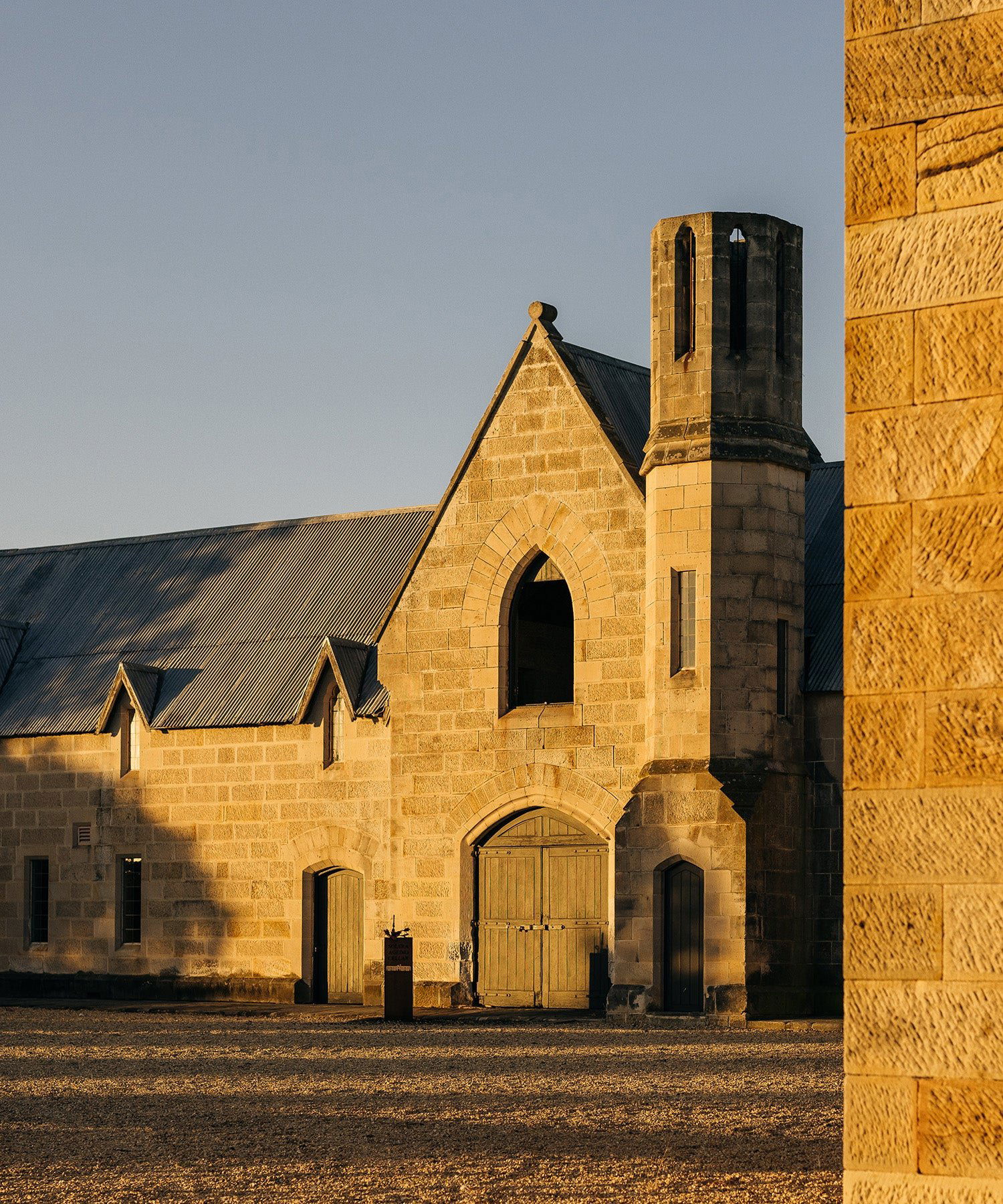
Historic and immersive, with a warm, relaxed feel in restored 1800s buildings that create a strong sense of place and craftsmanship.
Tags
Vibe
Best For
Experience
View
At the Vineyard
- Tour Duration
- 45 minutes
- Tour Languages
- English
- Visits
- By reservation
- Production
- Large producer
- Founded
- 2022
- Wine Club
- Not available
Know before you go
Know Before You Go
- Getting there
- 76 Shene Rd, Pontville TAS 7030
Planning details
Location
76 Shene Rd, Pontville TAS 7030 · Directions
larkdistillery.com/blogs/venues-and-experience/pontville-distillery
Also consider
If Lark is unavailable
For a wine-led replacement, try Stefano Lubiana or Pooley. For a spirits-led backup, Old Kempton Distillery and Killara Distillery are the more direct substitutes.
Winery context
How Lark compares in Pontville
Lark is the more drinks-led choice for travellers who want Pontville to feel like a focused Tasmanian tasting stop rather than a standard cellar-door crawl. Stefano Lubiana and Pooley are better fits if the priority is wine structure and a winery-led itinerary, while Tolpuddle Vineyard makes more sense for visitors who want a recognised vineyard name anchoring the day.
For spirits-focused travellers, the closer comparison is Old Kempton Distillery and Killara Distillery. Choose Lark when the experience itself is the draw and the itinerary can absorb tougher availability. Choose Old Kempton Distillery or Killara Distillery when the plan needs a simpler distillery backup with less pressure on one booking.
On value, Lark is strongest when it replaces multiple casual stops with one higher-priority anchor. If the group wants a food-led afternoon, Stefano Lubiana or Pooley may be easier to shape into a broader winery day. If the group wants spirits, keep Old Kempton Distillery and Killara Distillery in the same shortlist rather than treating Lark as the only workable option.
Explore Pontville
Around this place
Discover more on Pearl
Unlock the full Lark guide in Pearl, including awards, comparisons, FAQs, planning details, and nearby places.
Compare Lark
| Venue | Location | Awards |
|---|---|---|
| Lark | Pontville | No published awards |
| Stefano Lubiana | Granton | No published awards |
| Tolpuddle Vineyard | Richmond | 2026 Falstaff Winery Guide |
| Old Kempton Distillery | Kempton | No published awards |
| Pooley | Richmond | No published awards |
| Killara Distillery | Richmond | No published awards |

How Lark Pontville compares with similar nearby venues.
FAQ
Frequently Asked Questions
Do I need a reservation at Lark?
Confirm directly with Lark before you go. Lark is known for its Pontville location, casual dress code, and Pearl 2 Star Prestige (2025) recognition, so reservation requirements should not be assumed. If your day also includes Stefano Lubiana or Tolpuddle Vineyard, check timing with each venue before finalising the route.
Does Lark offer shipping or purchase options?
Use the venue directly to confirm any shipping or purchase options before you go. Details on shipping or purchase options are not confirmed, so it is not worth assuming. If buying logistics matter, compare your options with Pooley and ask each venue for current details.
Are there membership benefits at Lark?
Membership terms are not available, so do not join or plan around benefits without checking them directly. Pearl 2 Star Prestige (2025) recognition makes Lark worth attention, but it does not confirm inclusions, pricing, or availability. If you want a broader benchmark, compare current offers directly with Tolpuddle Vineyard and Pooley before committing.
Does Lark serve food?
Do not choose Lark for food first unless the venue confirms the current offering. A menu, dining format, or meal service is not established. If eating is central to the day, verify Lark's current details and consider other Pontville dining options as a backup.
What other venues are useful to compare with Lark?
Stefano Lubiana, Tolpuddle Vineyard, Pooley, Old Kempton Distillery, and Killara Distillery are useful names to compare when planning a broader day around Lark. Check each venue's current visiting details directly before assuming hours, tasting formats, food, or booking requirements.
How long should I plan for a visit to Lark?
A visit length is not specified, so plan conservatively and confirm with Lark directly. If you are pairing it with other stops such as Pooley, Tolpuddle Vineyard, or Old Kempton Distillery, build in enough flexibility for each venue's current arrangements.
Is there a signature item to plan around at Lark?
A signature item is not specified, so do not plan around a named product or dish. If that matters to you, ask Lark directly before or during your visit. That is a better approach than guessing, even for a venue carrying Pearl 2 Star Prestige (2025).