
Château de Pommard
Pommard
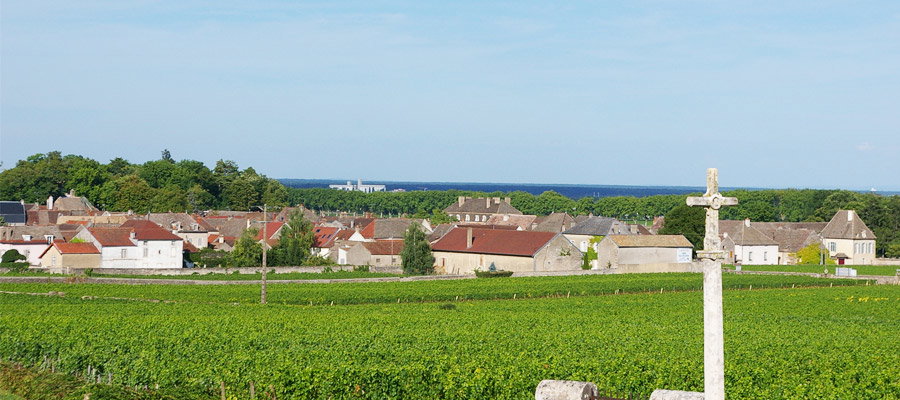
Winery in Pommard, France
 Book with Pearl
The Read
Enclosed-Estate Burgundy
Price
$50–100tasting
Why go
Château de Pommard is worth targeting if you want a polished, place-driven introduction to Pommard rather than a narrow grower appointment. It suits first-time Burgundy visitors, mixed-knowledge groups, and travelers building a Côte de Beaune day around context, setting, and regional orientation.
About Château de Pommard
Château de Pommard is a Pommard venue with a smart casual dress code and Pearl 3 Star Prestige recognition for 2025. Travelers comparing options in and around Pommard can also look at Domaine Comte Armand, Domaine de Courcel, or Domaine Parent.
A Pommard venue with confirmed recognition
Château de Pommard is in Pommard, carries a smart casual dress code, and has Pearl 3 Star Prestige recognition for 2025. Those are the firm facts to rely on when planning. Avoid assuming a particular tasting format, food service, group capacity, price point, opening hours, or appointment policy unless confirmed directly by the venue.
For comparison planning, use Château de Pommard as one reference point and compare it with other named regional options such as Domaine Anne-Françoise Gros, Domaine Comte Armand, Domaine de Courcel, Domaine Parent, and Domaine Marquis d'Angerville. If your plans depend on a specific experience type, confirm the current offering before you build the day around it.
Who should prioritize it
Prioritize Château de Pommard if you are looking for a recognized Pommard venue with a smart casual standard and confirmed Pearl 3 Star Prestige status in 2025. If your plans require a specific format, timing, price, group arrangement, or food component, verify those details directly before committing. For broader planning, use Our full Pommard restaurants guide, Our full Pommard hotels guide, and other Pommard resources alongside regional comparisons with Domaine Comte Armand, Domaine de Courcel, Domaine Parent, Domaine Anne-Françoise Gros, and Domaine Marquis d'Angerville.
Planning details
- Location
- 15 Rue Marey Monge, 21630 Pommard
- Website
- chateaudepommard.com
- Phone
- +33 3 80 22 07 99
The take
The Take
The Vibe
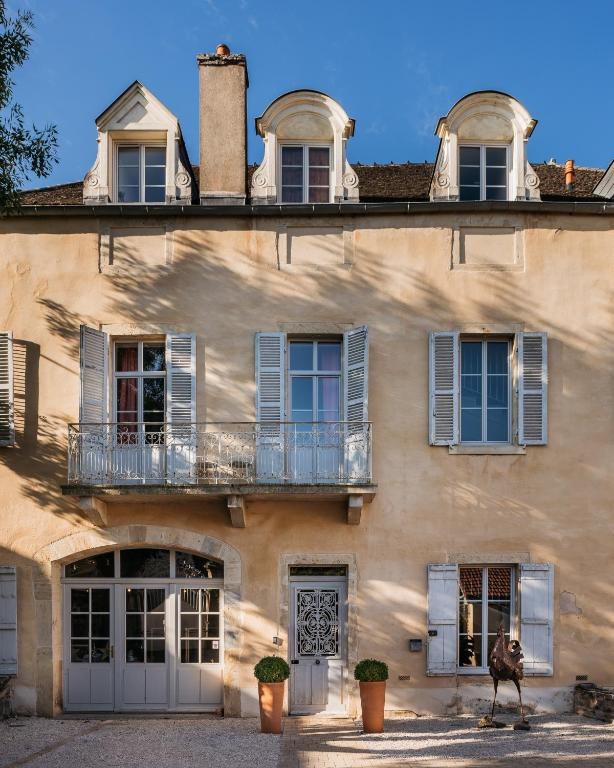
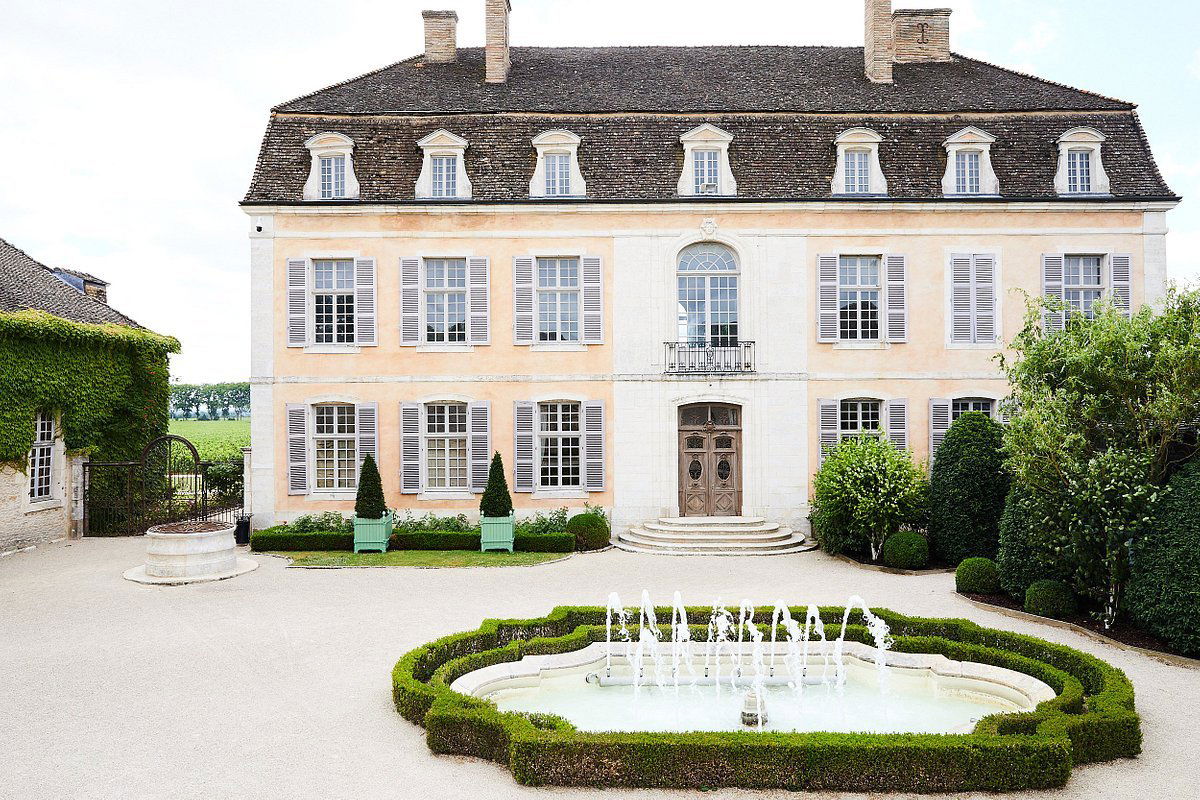
Château de Pommard presents as a refined, historically grounded Burgundy estate where geology and viticulture take visual and intellectual precedence. The prose foregrounds slopes, thin topsoil and iron-rich limestone, anchoring the property in a terroir-first sensibility that feels both scholarly and quietly grand. Recognition as a Pearl 3 Star Prestige estate reinforces a sophisticated aura without resorting to flash; instead, the place projects the composed authority of long-lived Pinot Noir and an estate rooted in the village centre. Visitors encounter a poised, heritage-rich atmosphere that privileges substance and site over spectacle.
Best For
This estate is best for collectors, serious Pinot Noir enthusiasts and curious students of terroir who want to probe the stylistic distinctions of Pommard. The write-up emphasizes site-driven wines—notably Les Rugiens and Les Epenots—and situates the château among the appellation’s upper tier, so visitors who appreciate structured, age-worthy Burgundy will find it particularly rewarding. It also suits small special-occasion visits where the focus is on wine quality and vineyard pedigree rather than casual socializing. The narrative rewards those who come prepared to engage with geology and cellar practice.
Tasting Tips
When engaging with Château de Pommard, focus questions and tastings on site expression and age-worthiness: ask about bottlings from Les Rugiens and Les Epenots and how their differing soils influence tannin and structure. The description underscores a terroir-led approach, so request notes on vinification and cellar aging that contribute to longevity. Make the cellar door your starting point and prioritize estate or single-site cuvées that illustrate Pommard’s grippy, tannic register—these are the wines most likely to repay cellaring or serious collection.
Venue details
Ambiance
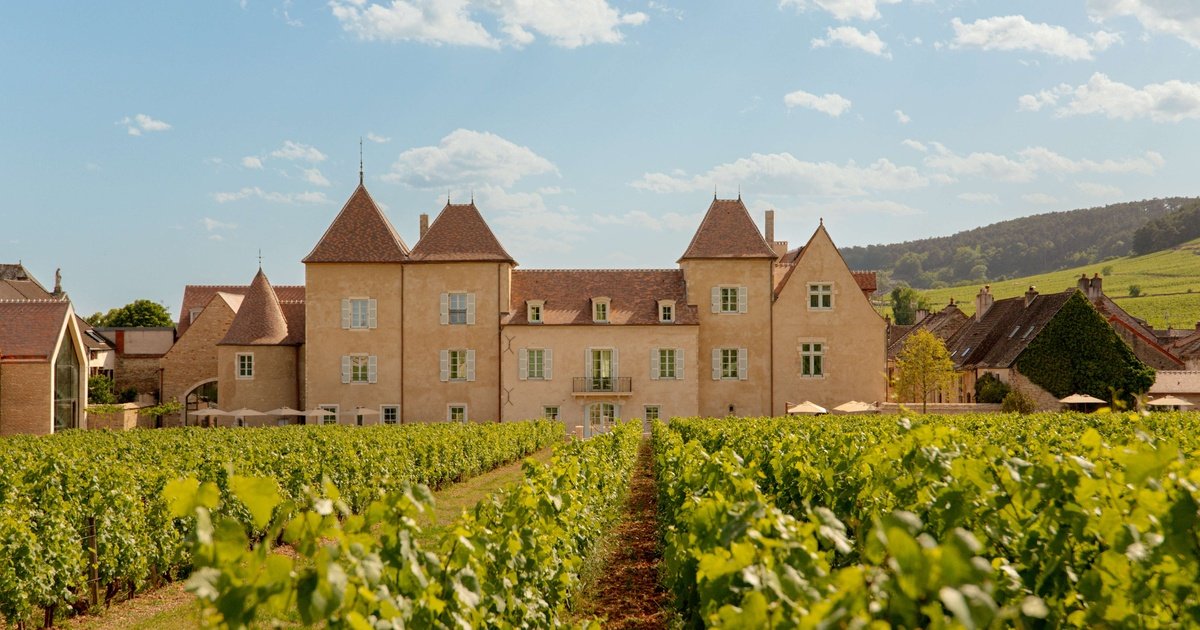
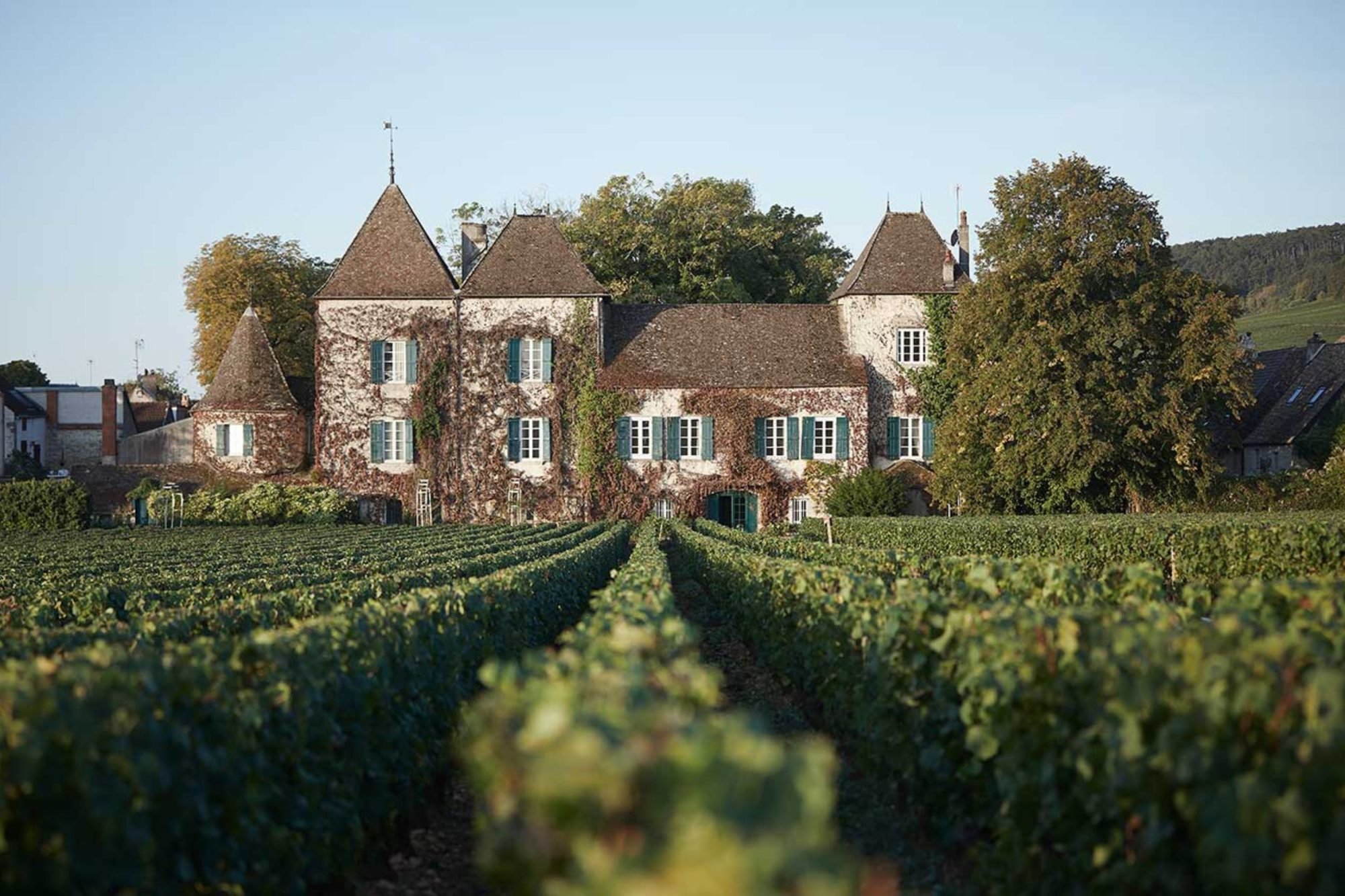
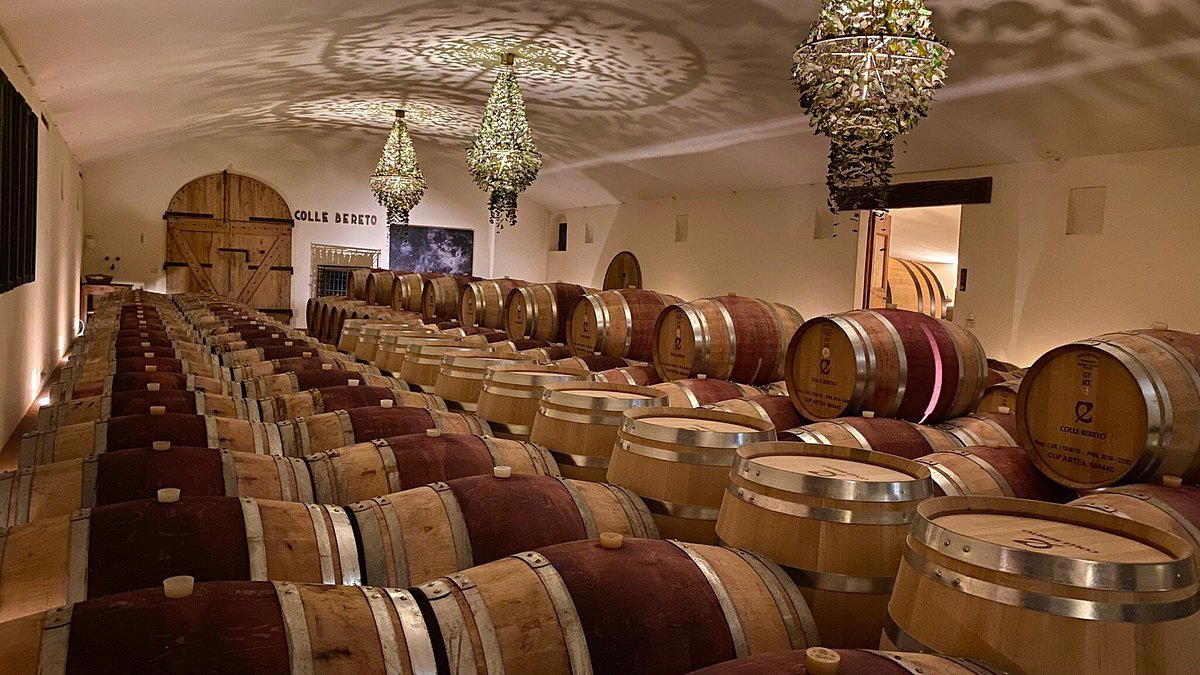
Historic château with old-world charm blended with contemporary winemaking facilities; elegant cellar with oak barrel aging; serene vineyard setting conducive to wine education and contemplation.
Tags
Vibe
Best For
Experience
Sourcing
View
At the Vineyard
- Appellation
- AOC Pommard
- Varietals
- Pinot Noir, Chardonnay
- Tour Duration
- 90-120 minutes
- Tour Languages
- English, French
- Visits
- By appointment only
- Farming
- Biodynamic
- Wine Styles
- Still Red, Still White
- Shipping
- Available
- Wine Club
- Available
Know before you go
Know Before You Go
- Getting there
- 15 Rue Marey Monge, 21630 Pommard
Planning details
Location
Recognition and awards

Also consider
Where to look if this is not available
If Château de Pommard is difficult to schedule, start with Domaine Anne-Françoise Gros for another Pommard option, then check Domaine Comte Armand or Domaine de Courcel if the goal is a more producer-led visit. Outside the local frame, 00 Wines in Carlton and 1310 Spirit of the Country Distillery in Sierning are broader cellar-door references rather than Pommard substitutes.
Winery context
How it compares in Pommard
Château de Pommard is the more setting-led choice in this Pommard group. Choose it when the visit needs to work for mixed company, especially travelers who want visual context and a clear village anchor. Domaine Comte Armand and Domaine de Courcel are stronger cross-shops for visitors who want the appointment to feel more producer-specific and wine-led.
Domaine Parent and Domaine Anne-Françoise Gros make more sense if the priority is comparing domaine perspectives within Pommard rather than choosing a château-format visit. Château de Pommard is easier to recommend for a first Burgundy stop; the smaller domaine options are better for travelers who already know the appellation and want more granular producer context.
Domaine Marquis d'Angerville sits outside the immediate Pommard set, so treat it as a Côte de Beaune comparison rather than a direct village substitute. If availability is tight, build the day around one Pommard anchor and one nearby contrast instead of trying to force multiple serious appointments into the same afternoon.
Explore Pommard
Around this place
Discover more on Pearl
Unlock the full Château de Pommard guide in Pearl, including awards, comparisons, FAQs, planning details, and nearby places.
Compare Château de Pommard
| Venue | Location | Awards |
|---|---|---|
| Château de Pommard | Pommard | 2026 Falstaff Winery Guide |
| Domaine Anne-Françoise Gros | Pommard | No published awards |
| Domaine Comte Armand | Pommard | 2026 Falstaff Winery Guide |
| Domaine Parent | Pommard | No published awards |
| Domaine de Courcel | Pommard | 2026 Falstaff Winery Guide |
| Domaine Marquis d'Angerville | Volnay | 2026 Michelin 1 Grape - Burgundy2026 Falstaff Winery Guide |
How Château de Pommard compares with similar nearby venues.
FAQ
Frequently Asked Questions
Can Château de Pommard handle large groups?
Château de Pommard is confirmed as a Pommard venue with Pearl 3 Star Prestige recognition for 2025, but party size, private arrangements, and booking requirements should be checked directly with the venue. For comparison planning, Domaine de Courcel is another named regional option to consider.
How long should I plan for a visit to Château de Pommard?
Plan only around the confirmed facts: Château de Pommard is in Pommard, has a smart casual dress code, and holds Pearl 3 Star Prestige recognition for 2025. Confirm the current format and timing directly before arranging the rest of your itinerary.
What other venues are useful comparisons for Château de Pommard?
Domaine Anne-Françoise Gros, Domaine Comte Armand, Domaine Parent, Domaine de Courcel, and Domaine Marquis d'Angerville are useful named comparisons. Check each venue directly for current availability, format, and visit requirements before planning around them.
Are purchasing or membership options available at Château de Pommard?
Château de Pommard's location in Pommard, smart casual dress code, and Pearl 3 Star Prestige recognition for 2025 are the confirmed facts. If purchasing options matter to you, confirm them directly with the venue and compare with Domaine Comte Armand if helpful.
Does Château de Pommard serve food?
If you need a food-led stop, plan that separately through current Pommard dining information and verify details before you go.
Do I need a reservation at Château de Pommard?
Because plans can depend on timing, format, and party size, confirm directly with Château de Pommard before visiting. Domaine Anne-Françoise Gros and Domaine Parent are other named options to compare when shaping a broader itinerary.