


Chateau Petrus
Pomerol
Winery in Pomerol, France
 Book with Pearl
The Read
Blue Clay Allocation Wine
Why go
Pétrus is a wine estate in Pomerol, Bordeaux.
About Chateau Petrus
Chateau Petrus is a Pomerol venue. Olivier Berrouet is chef/owner, a smart casual dress code is noted, and it lists Pearl 5 Star Prestige recognition for 2025. For planning, visitors should confirm details about visits, menus, pricing, hours, or services directly.
Cuisine, food program, hours, tasting format, or visitor-service details are not available. Do not build an itinerary around assumptions such as lunch, a pairing experience, or a standard public visit. Use Chateau Petrus as a Pomerol reference point, then confirm any practical arrangements directly through official or trusted channels before making plans.
Use this as a Pomerol reference
Chateau Petrus is in Pomerol, Olivier Berrouet is chef/owner, the dress code is smart casual, and the venue holds Pearl 5 Star Prestige for 2025. Beyond those points, a menu, cuisine, price level, seat count, hours, tasting structure, or visitor access model are not available.
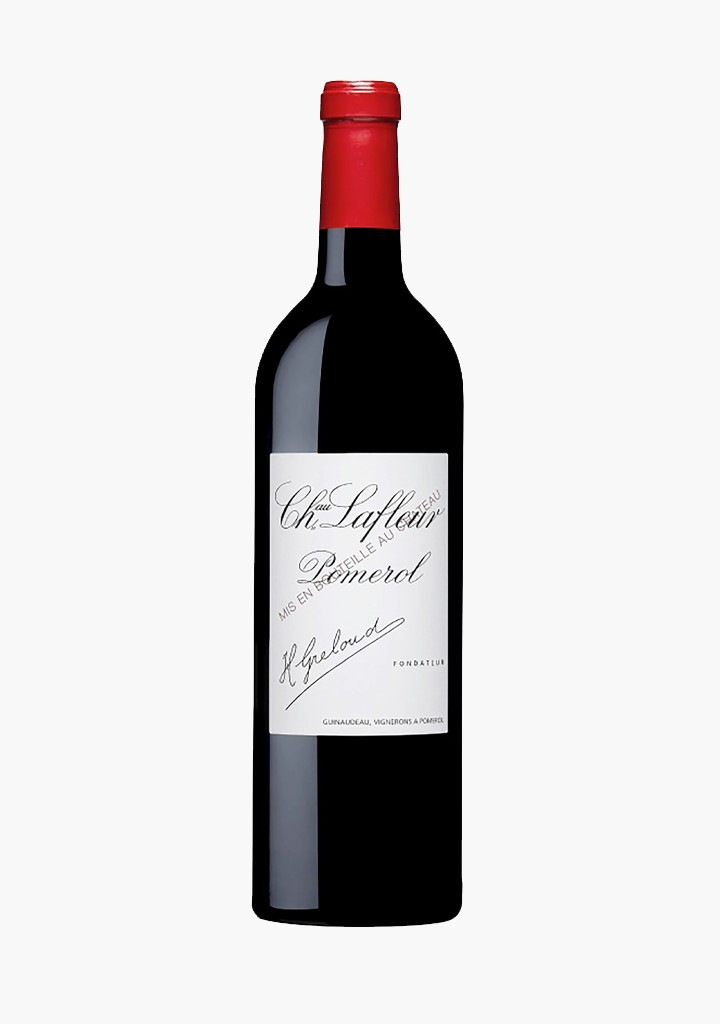
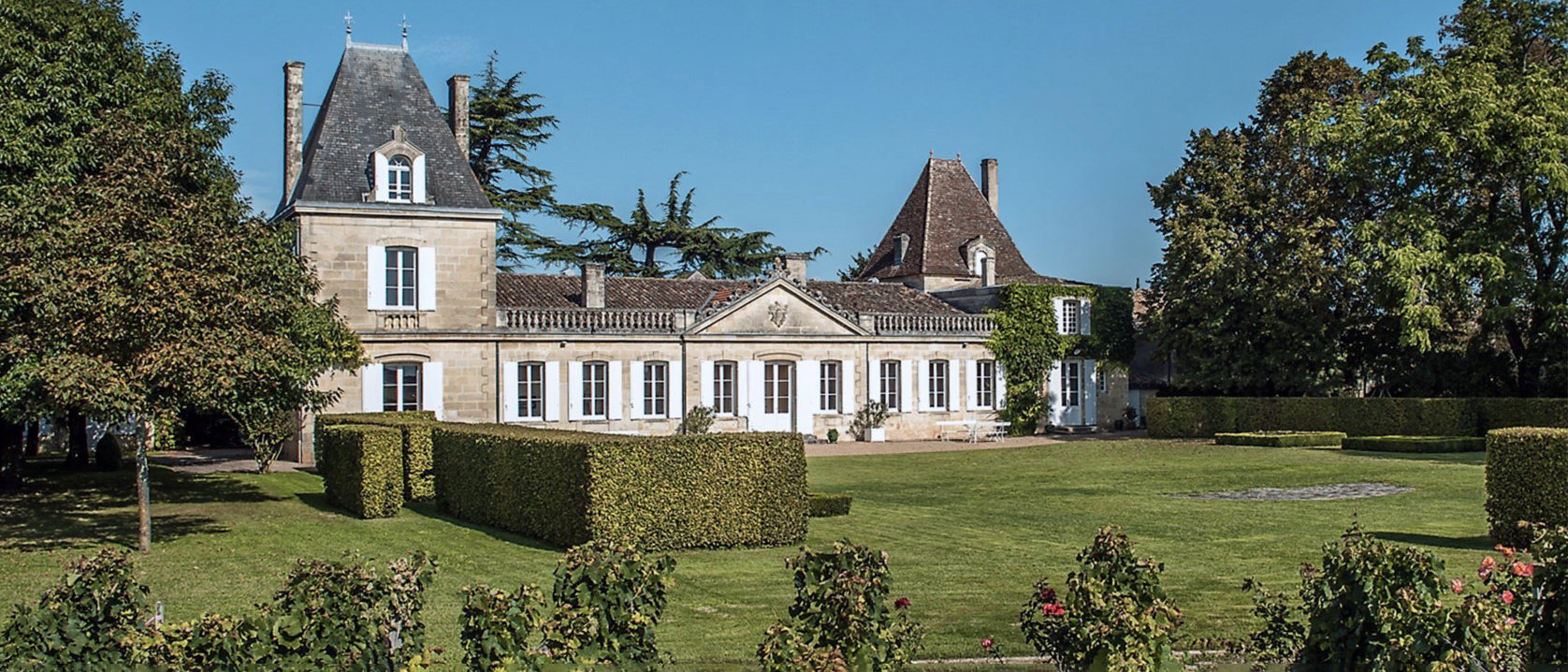
For a Pomerol-focused shortlist, it can be considered alongside Château La Fleur Petrus, Vieux Château Certan, Château L'Eglise Clinet, Château Clinet, and Château Le Gay. Use Our full Pomerol guide to build the route, then separate food decisions into Our full Pomerol restaurants guide, Our full Pomerol hotels guide, Our full Pomerol bars guide, and Our full Pomerol experiences guide.
The right traveler is a Pomerol completist
This is most useful for travelers who want to understand Chateau Petrus as a Pomerol reference point and are comfortable confirming practical details independently. A relaxed tasting bar, a visible menu, lunch service, or any particular hospitality format cannot be promised.
It is best to plan around available facts. Keep Chateau Petrus on the Pomerol map, compare it with other Pomerol venues where appropriate, and confirm any appointment, service, dining, or access details before building the day around it.
Planning details
- Location
- 7 Rue de Tropchaud, 33500 Pomerol
- Website
- moueix.com
- Phone
- +33 5 57 51 78 96
The take
The Take
The Vibe
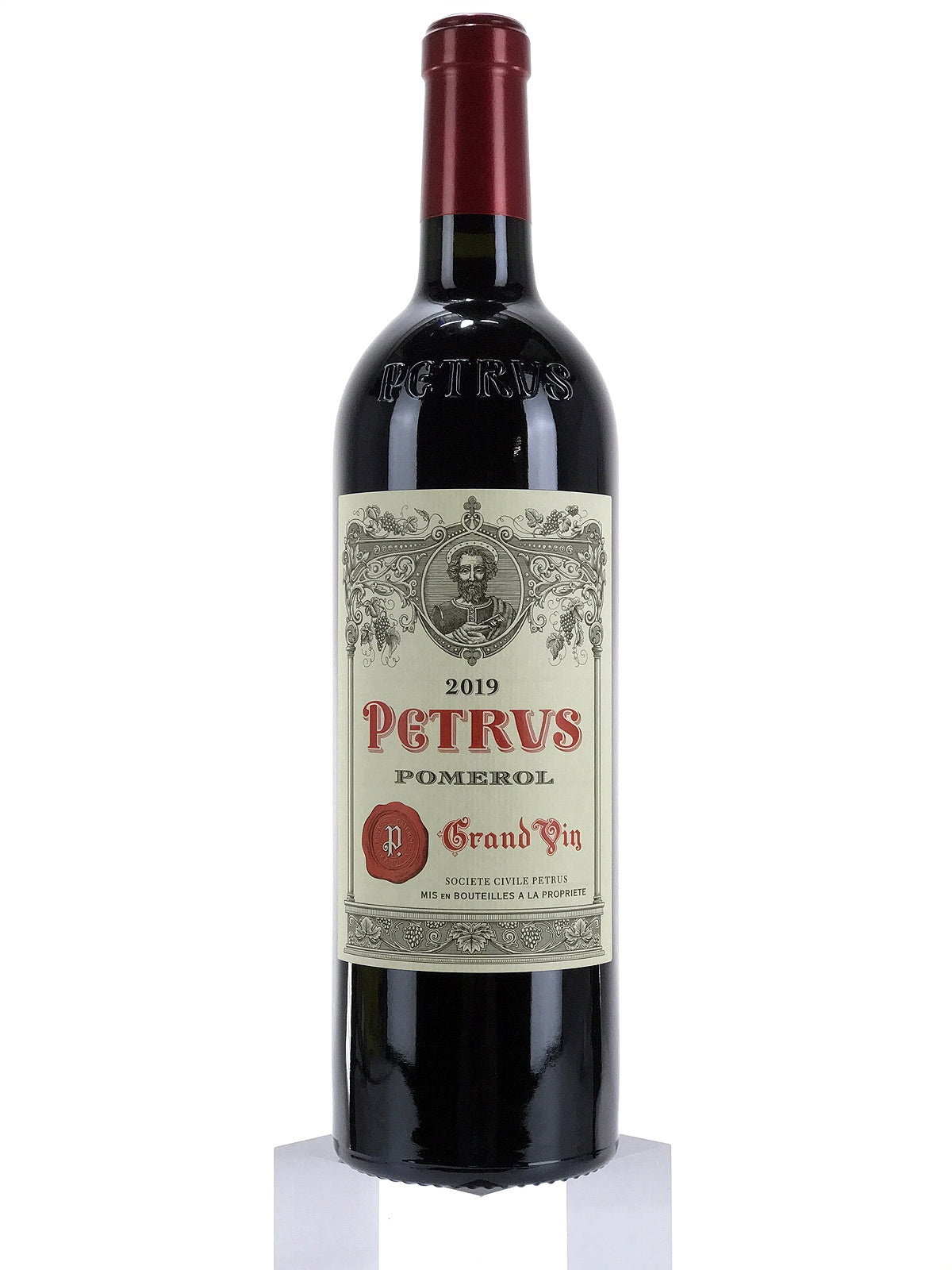
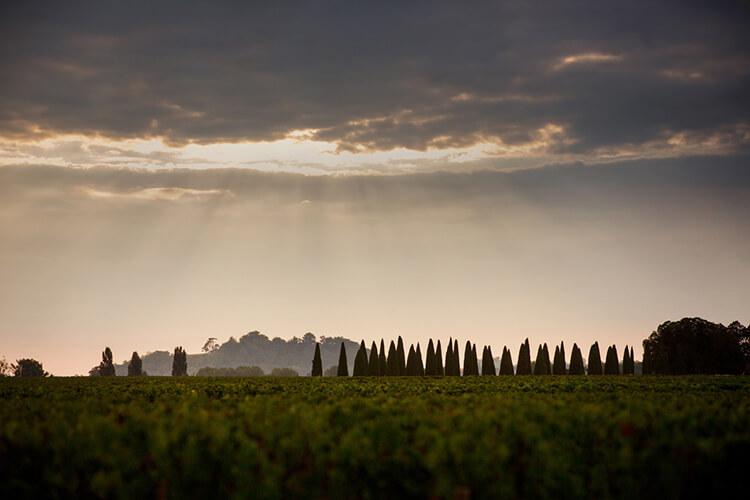
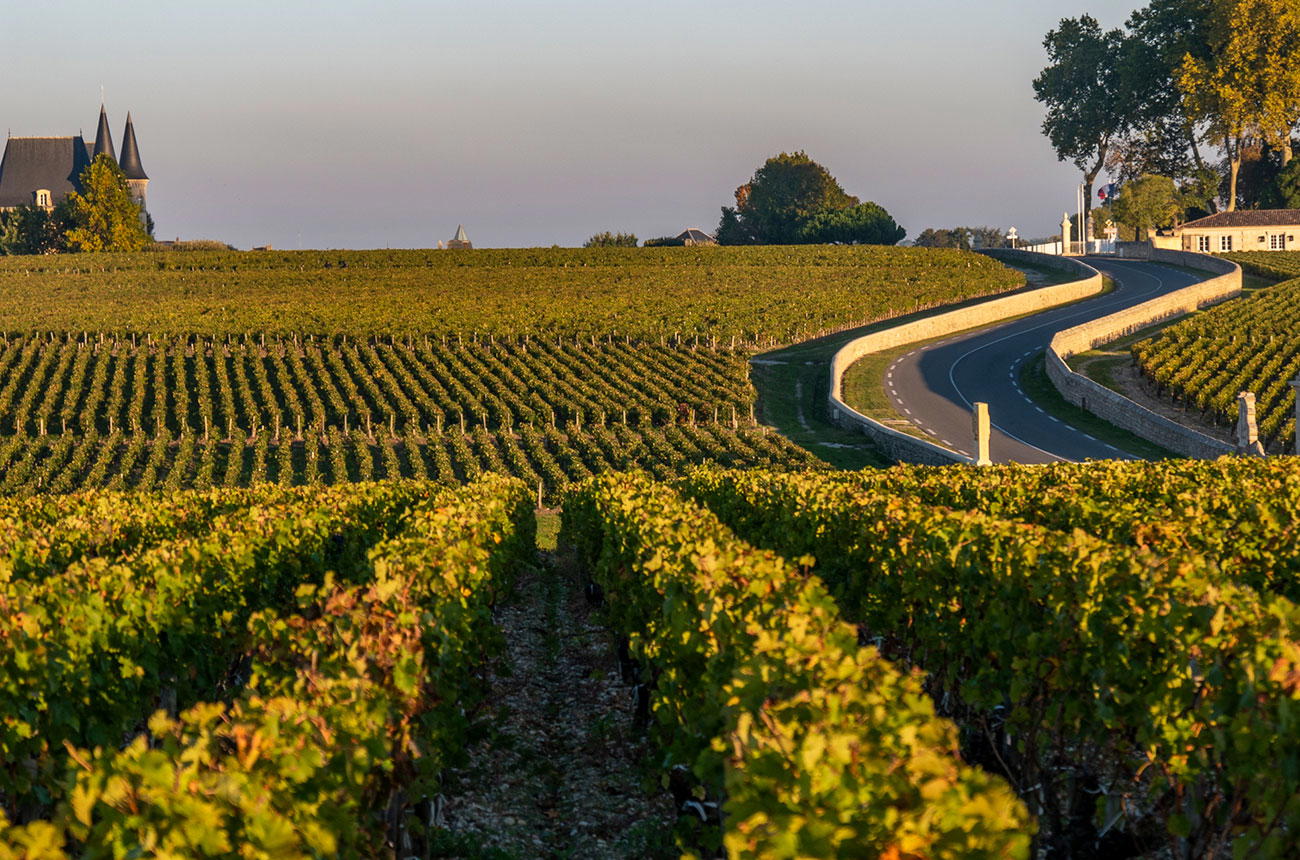
Pétrus reads like the touchstone estate of Pomerol: elegant, iconic and steeped in history. The house sits on a refined plateau defined by a near-continuous seam of blue-grey clay, and that specific geology is central to the estate’s identity. The text emphasizes generational continuity in the cellar, a long commercial history dating back to 1929, and wines known for weight and aromatic complexity. Overall the impression is of a storied, scenic property whose reputation is built as much on place and lineage as on the bottles themselves.
Best For
Pétrus is best for collectors, serious students of Bordeaux and anyone treating a tasting as an educational occasion. The estate’s prominence is framed through allocation scarcity, critic scores and secondary-market pricing, so visits and tastings are likely to appeal to people who want to study Merlot-driven Pomerol and compare vintages. It also suits special occasions—its prestige and history make it a natural choice when a bottle or a visit is meant to mark something significant.
Tasting Tips
When engaging with Pétrus-focused tasting or research, concentrate on the estate’s Merlot expression and on how the blue-grey clay influences weight and aromatics across vintages. Ask about winemaker continuity and any changes in cellar practice under the Berrouet family, and use vintage comparisons to track the clay’s moderating effect in dry and wet years. Because the estate’s place in the market is tied to allocation and secondary pricing, prioritize tasting notes and technical context over casual menu choices.
Venue details
Tags
Vibe
Best For
Experience
View
At the Vineyard
- Appellation
- Pomerol AOC
- Varietals
- Merlot
- Wine Club
- Available
Know before you go
Know Before You Go
- Getting there
- 7 Rue de Tropchaud, 33500 Pomerol
Planning details
Location
Recognition and awards

Also consider
Where to Look If Access Does Not Work
Start with Château La Fleur Petrus or Vieux Château Certan if the goal is still a high-seriousness Pomerol day. For a broader route, add Château Clinet or Château L'Eglise Clinet rather than depending on one difficult appointment.
Winery context
How It Compares
Chateau Petrus is the hardest recommendation in Pomerol because the appeal is obvious but access is the obstacle. Compared with Château La Fleur Petrus and Vieux Château Certan, it is the choice for travelers who care about prestige and collector context more than a smooth visitor itinerary. If the goal is a confirmed tasting day, start with the peers before making this the centerpiece.
Château L'Eglise Clinet and Château Le Gay make more sense for travelers trying to understand Pomerol across multiple estates rather than focusing on one label. Château Clinet is another practical cross-shop for a Pomerol route, especially if the day needs more than one realistic appointment.
For value for money, the better move is not to chase prestige alone. Build the day around the estate where access, timing, and hospitality are actually confirmed, then use Chateau Petrus as the benchmark for why the appellation carries such weight. For ambiance, expect Pomerol to be quiet and appointment-led rather than energetic or social.
Explore Pomerol
Around this place
Discover more on Pearl
Unlock the full Chateau Petrus guide in Pearl, including awards, comparisons, FAQs, planning details, and nearby places.
Compare Chateau Petrus
| Venue | Location | Awards |
|---|---|---|
| Chateau Petrus | Pomerol | 2026 Michelin 3 Grapes - Bordeaux2026 Falstaff Winery Guide2025 Pearl 5 Star Prestige |
| Château La Fleur Petrus | Pomerol | No published awards |
| Vieux Château Certan | Pomerol | 2026 Michelin 2 Grapes - Bordeaux2026 Falstaff Winery Guide2025 Pearl 4 Star Prestige |
| Château L'Eglise Clinet | Pomerol | 2026 Falstaff Winery Guide2025 Pearl 3 Star Prestige |
| Château Le Gay | Pomerol | 2026 Falstaff Winery Guide2025 Pearl 3 Star Prestige |
| Château Clinet | Pomerol | 2026 Falstaff Winery Guide2026 Michelin 1 Grape - Bordeaux2025 Pearl 3 Star Prestige |


How Chateau Petrus Pomerol compares with similar nearby venues.
FAQ
Frequently Asked Questions
Are shipping or purchasing details available for Chateau Petrus?
Shipping and purchasing details are not available. Treat them as direct-arrangement questions and confirm current logistics through official or trusted channels before making plans.
What details are available for Chateau Petrus?
Chateau Petrus is a venue in Pomerol, Olivier Berrouet is chef/owner, it has a smart casual dress code, and Pearl 5 Star Prestige recognition for 2025. Menu, product, bottle, service, or visitor-access details are not available.
What other Pomerol venues are useful comparisons?
For Pomerol comparisons, start with Château La Fleur Petrus, then look at Vieux Château Certan and Château L'Eglise Clinet. Château Le Gay and Château Clinet are also useful reference points if you are building a Pomerol shortlist.
Are membership or allocation details available for Chateau Petrus?
Membership, allocation, and purchasing details are not available. Treat Chateau Petrus as a Pomerol reference point and confirm any practical arrangements through official or trusted channels.
Does Chateau Petrus serve food?
Cuisine, menu, hours, or food service details are not available. Plan separately for dining in Pomerol unless you have confirmed current arrangements directly.