
Winery in Plymouth, United Kingdom
Plymouth Gin
750ptsHarbour-Side Historic Distilling
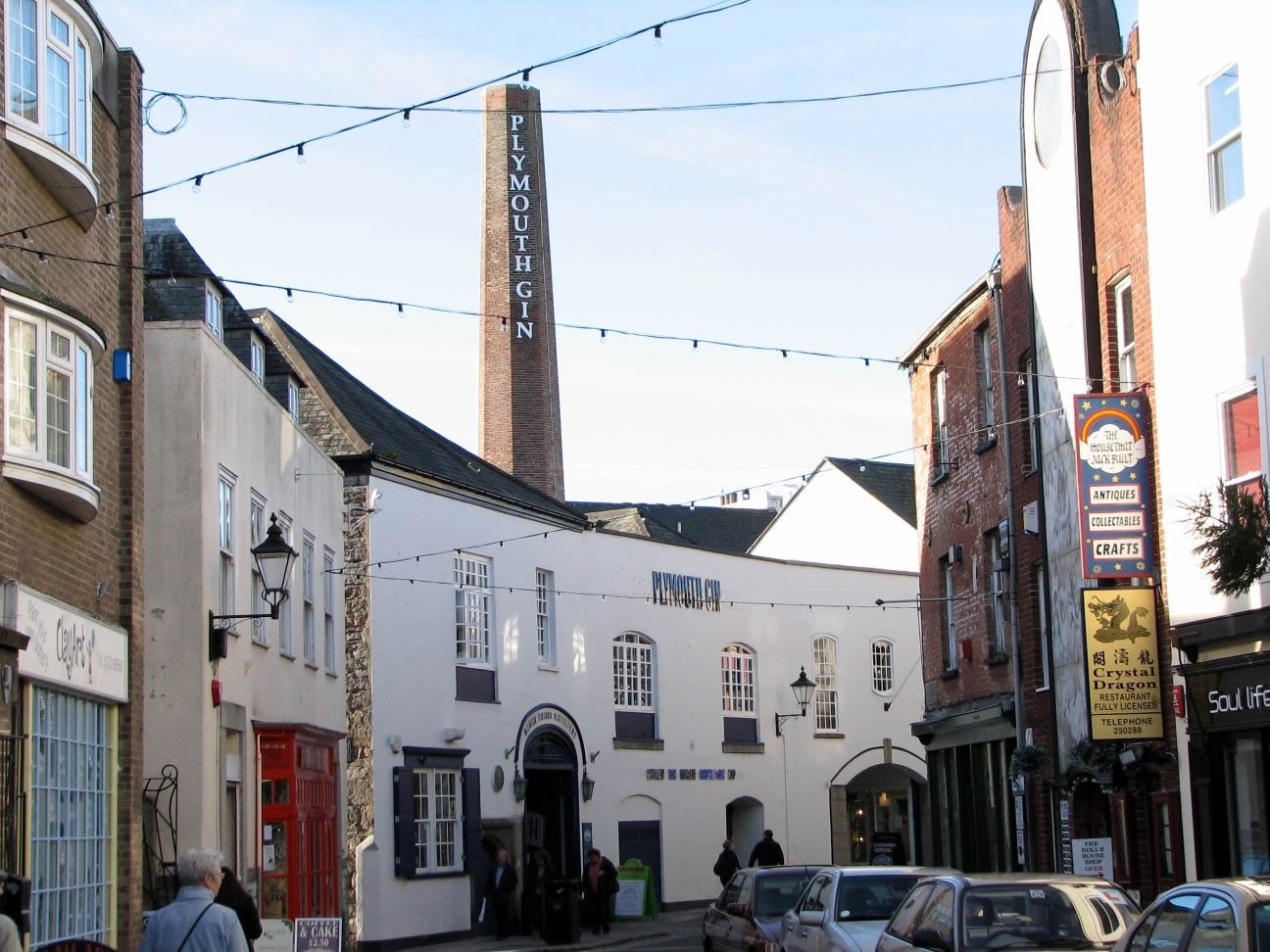
About Plymouth Gin
One of England's oldest working distilleries, Plymouth Gin operates from a 15th-century Dominican friary on Southside Street in the Barbican district. Awarded Pearl 3 Star Prestige in 2025, the site connects the city's maritime history to a protected geographical indication that, until recently, made Plymouth Gin a legally distinct category. The distillery tour and tasting room draw visitors into that layered industrial and naval heritage.
Where the Harbour Meets the Still
Approach 60 Southside Street from the Barbican waterfront and the building announces itself before any signage does. The stonework dates to the 15th century, when the structure served as a Dominican friary, and the weight of that history sits in the thick walls and low archways. This is not a distillery that was designed to look atmospheric — the atmosphere is simply what 600 years of continuous occupation produces. The cobbled street outside is part of Plymouth's oldest surviving quarter, a district that once provisioned merchant fleets and Royal Navy ships heading into the Atlantic. The gin made here was, for a long period, as much a product of geography as of recipe.
That geographical anchoring is not a marketing angle — it has legal standing. Plymouth Gin held a protected geographical indication that defined it as a category distinct from London Dry, requiring production within the city limits using specific botanical proportions. That status gave the spirit a terroir argument unusual for gin: the water drawn from Dartmoor, the botanical ratios established by the distillery's documented history, and the naval supply chain that kept Plymouth Gin on Royal Navy wardrooms for generations. Understanding the place is, in this case, inseparable from understanding the product.
A Distillery in Its Historical Peer Set
British distilling has diversified considerably over the past two decades. Scotland's single malt industry, represented by producers from Aberlour in Aberlour to Ardnahoe in Port Askaig, operates on a different register , long maturation cycles, terroir expressed through peat and regional water profiles, and a collector market that assigns premium value to age statements. Lowland producers like Auchentoshan Distillery in Clydebank or Highland operations such as Balblair Distillery in Edderton and Clynelish Distillery in Brora each make a locational argument through the specific character of their output. Plymouth Gin belongs to a parallel tradition: a spirit that made a geographical claim when gin was not broadly expected to do so.
Among English gin producers, that heritage is relatively rare. Most contemporary craft gin distilleries, even well-regarded ones, work from botanical experimentation rather than protected formula and place. Plymouth Gin's 2025 Pearl 3 Star Prestige award from EP Club places it in the upper tier of prestige recognition , a designation that reflects depth of heritage, product consistency, and destination value rather than novelty. The comparison set for a site like this is less the wave of new English distilleries and more the historic operations: the established names in Scotch such as Cardhu in Knockando or Deanston in Deanston, which similarly trade on long institutional histories.
Terroir in the Botanical Register
The editorial angle on terroir usually belongs to wine , to the limestone soils of Burgundy, the volcanic basalt of Santorini, the fog-belt Chardonnay of coastal California. Producers like Accendo Cellars in St. Helena or Achaia Clauss in Patras make locational arguments through soil composition and microclimate. For gin, the parallel argument runs through water chemistry and botanical sourcing. Dartmoor water , soft, low in minerals , is the liquid base that carries Plymouth Gin's botanical signature, and the distillery has drawn from that source since the 19th century.
The botanical formula itself reflects a particular moment in British naval and commercial history: juniper-forward but with a pronounced earthiness from root botanicals that distinguishes Plymouth Gin from the sharper, citrus-led profile that became standard for London Dry. That distinction matters to anyone approaching this as more than a cocktail ingredient. The earthiness and softness align with the Dartmoor water source in ways that make a genuine terroir case , one that the protected geographical indication, while now lapsed in active enforcement, historically codified.
For comparison, the way Terre Rouge and Easton Wines makes a locational argument through Sierra Nevada Foothills elevation, or the way Dornoch Distillery in Dornoch situates itself within a specific Highland grain tradition, Plymouth Gin's terroir argument is one of water source, botanical ratio, and institutional continuity. These are not invented retrospectively , they are documented through the naval supply records and the distillery's own production history stretching back to 1793.
The Barbican District Context
Plymouth's Barbican is the kind of neighbourhood that resists easy categorisation. It is not a preserved historic quarter kept pristine for tourism, nor is it a gentrified eating district with rotating restaurant tenants. The fish market operates alongside craft breweries and independent galleries. The Mayflower Steps , from which the Pilgrim Fathers departed in 1620 , are a two-minute walk from the distillery entrance. This geography matters: Plymouth Gin was part of the provisioning infrastructure of a working port city, not a boutique spirit produced for the leisure economy. The Barbican preserves that mixed-use, working character, and the distillery sits within it without incongruity.
Visitors arriving by rail disembark at Plymouth Station, roughly 20 minutes on foot through the city centre to the Barbican, or a short taxi ride. The distillery at 60 Southside Street is accessible from the waterfront promenade, making it a natural stop within a longer Barbican circuit that includes the surrounding independent food and drink businesses. Our full Plymouth restaurants guide covers the broader Barbican food scene for those building a full-day itinerary.
Scottish Distilling as a Reference Frame
British spirits tourism has developed most visibly around Scotland, where distillery visits are now a structured tourism category with dedicated trail infrastructure. Producers across the Highlands and Islands , from Glen Garioch Distillery in Oldmeldrum to Dunphail Distillery in Dunphail , have built visitor centres that combine production transparency with tasting education. Bladnoch Distillery in Bladnoch, Scotland's most southerly, offers a further point of comparison: a historic site that has navigated multiple ownership changes while maintaining production continuity.
Plymouth Gin sits within this broader British distilling conversation as one of England's counterparts to that Scottish heritage model. Where Scotch distilleries argue terroir through peat levels, maturation warehouse conditions, and regional water, Plymouth argues it through botanical formula, Dartmoor water chemistry, and an urban port history that shaped the product's character as directly as any Highland glen. The 2025 Pearl 3 Star Prestige recognition signals that this argument has been received at the level of formal assessment , placing the distillery in a prestige tier that few English gin producers occupy.
Planning a Visit
The distillery occupies a Grade I listed building, which imposes certain constraints on how the visitor experience is structured , the architecture is not a backdrop but a condition of the visit. Tours of the production space and the historic building are the primary format, with tasting components built into the itinerary. Given the building's listed status and the relatively compact production environment, capacity is limited and pre-booking is advisable, particularly across summer months when Barbican foot traffic increases significantly. The address , 60 Southside Street, Plymouth PL1 2LQ , places it at the heart of the Barbican conservation area, directly accessible from the waterfront.
For visitors constructing a broader itinerary around British distilling heritage, Plymouth Gin offers a southern English anchor point that complements rather than duplicates the Scottish distillery circuit. The two traditions share a commitment to place-specific production but operate through distinct historical and botanical logics. The Pearl 3 Star Prestige designation earned in 2025 provides a reliable external benchmark for where the distillery sits within the prestige tier of UK spirits destinations.
Frequently Asked Questions
- What is the atmosphere like at Plymouth Gin?
- The distillery occupies a 15th-century Dominican friary on Southside Street in Plymouth's Barbican district , one of the city's oldest surviving quarters. The atmosphere derives from the building itself: thick stone walls, low archways, and a working port neighbourhood rather than a purpose-built visitor attraction. The 2025 Pearl 3 Star Prestige award reflects this combination of heritage depth and production credibility. Pricing and booking details are leading confirmed directly with the distillery.
- What is the main draw of Plymouth Gin?
- The distillery's primary draw is the convergence of place, history, and a legally documented botanical tradition that once gave Plymouth Gin its own protected geographical indication, distinct from London Dry. Situated in Plymouth's Barbican, the city's maritime district, the site connects 19th-century naval provisioning history to a still-operating production environment. The Pearl 3 Star Prestige recognition in 2025 confirms its standing as one of England's most significant gin heritage sites.
- What is the leading gin to try at Plymouth Gin?
- Plymouth Gin's core expression is the product most directly shaped by the distillery's protected formula and Dartmoor water source , an earthier, softer profile than London Dry that reflects both the botanical ratios established in the distillery's documented history and the mineral-light character of its water supply. For context on how regional water and botanical sourcing shape spirit character across British producers, the distillery's own tasting programme provides the most grounded introduction to the house style.
Related editorial
- Best Fine Dining Restaurants in ParisFrom three-Michelin-star icons to the next generation of Parisian chefs pushing boundaries, these are the restaurants that define fine dining in the world's culinary capital.
- Best Luxury Hotels in RomeFrom rooftop terraces overlooking ancient ruins to Michelin-starred hotel dining, these are the luxury hotels that make Rome unforgettable.
- Best Cocktail Bars in KyotoFrom sleek lounges to hidden speakeasies, Kyoto's cocktail scene blends Japanese precision with global influence in ways you won't find anywhere else.
Save or rate Plymouth Gin on Pearl
Keep this venue in your Pearl passport, rate it after you visit, and track it alongside every other place you collect.