
Winery in Plomari, Greece
Ouzo Giannatsis Distillery
500ptsTraditional Lesvos Distillation
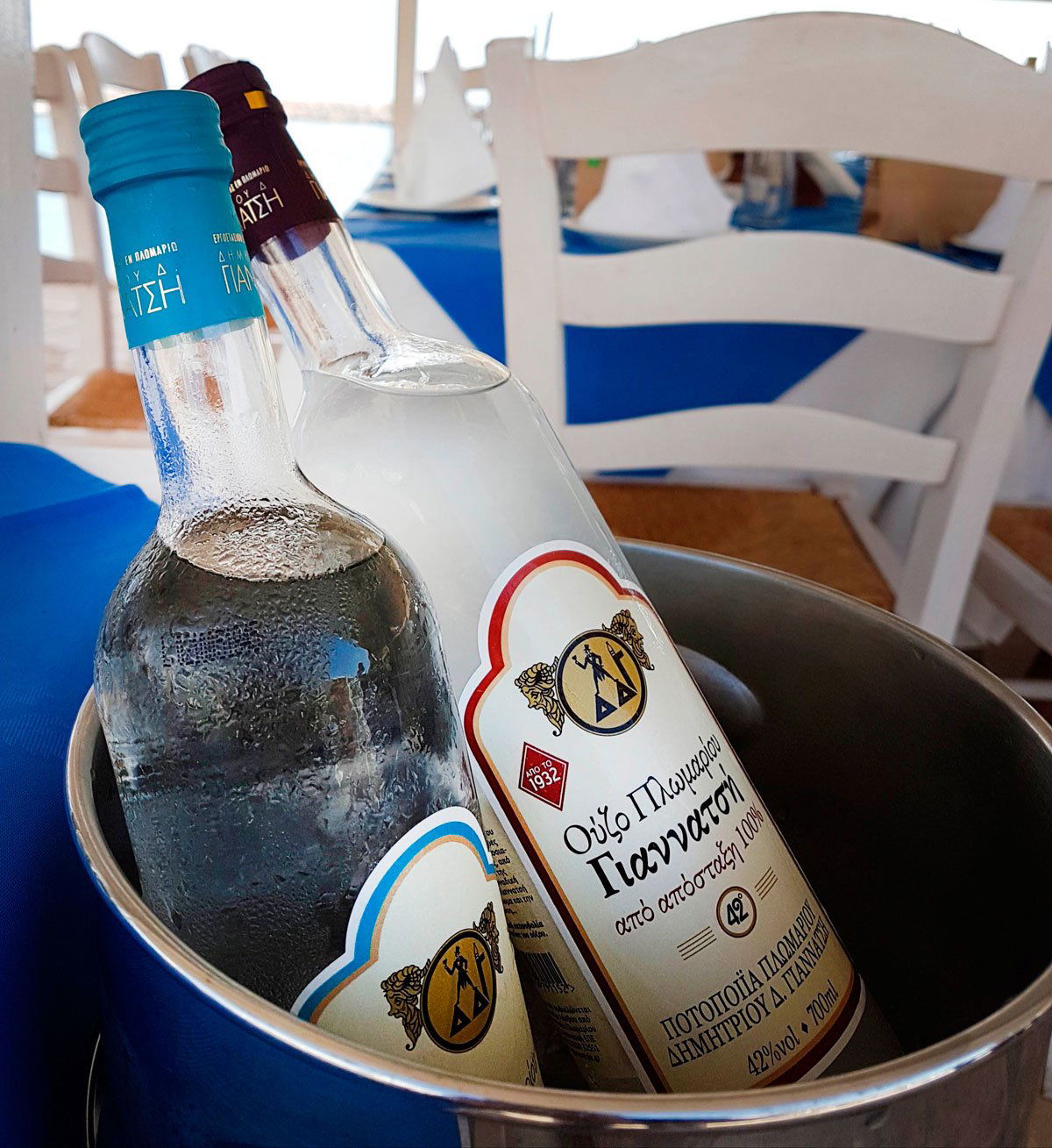
About Ouzo Giannatsis Distillery
Ouzo Giannatsis Distillery operates in Plomari, Lesvos, the town that more than anywhere else shaped the modern identity of Greek ouzo. Holding a Pearl 2 Star Prestige award for 2025, it occupies a specific tier within Plomari's concentrated distillery scene, where production heritage and tasting room experience both carry weight. Visitors come to understand ouzo production at a working scale, not simply to sample a bottle.
Plomari and the Geography of Greek Ouzo
Greece produces ouzo across several regions, but Plomari, on the southern coast of Lesvos, has the strongest claim to being the production heartland. The town's relationship with ouzo is industrial as well as cultural: distilleries have operated here for generations, drawing on Anatolian distilling knowledge that arrived with Greek communities from the opposite shore of the Aegean. The result is a concentrated cluster of working producers, each occupying a distinct position in the local hierarchy. Where Barbayannis Ouzo Museum & Distillery leans into heritage tourism with a formal museum format, and Isidoros Arvanitis Distillery represents a smaller family operation, Giannatsis occupies its own niche within that same street-level production tradition. For context on the broader Plomari experience, the full Plomari restaurants guide maps how distillery visits fit within a day in the town.
Arriving at a Working Distillery
Plomari is not a polished wine tourism destination in the way that, say, the Nemea corridor or Santorini's caldera villages have become. The streets are compact, the waterfront modest, and the distilleries are embedded in the fabric of the town rather than set apart on scenic estates. Approaching Giannatsis, the physical environment signals production rather than performance: copper still equipment, the faint botanical sharpness of anise in the air, and the functional architecture of a site where making the spirit takes precedence over staging the visitor experience.
That working-distillery character is the point. Greece's ouzo production is governed by strict appellation rules: ouzo can only be produced in Greece, must be distilled from a base of agricultural origin with anise as the dominant botanical, and the Lesvos designation carries specific geographic weight. Visiting a Plomari producer means encountering the spirit at its source, in a context where the production process is still visible rather than abstracted into a branded tasting room aesthetic. The contrast with, say, the highly designed visitor experience at Aberlour in Aberlour or the estate formality of Accendo Cellars in St. Helena is instructive about how differently spirits and wine producers around the world handle public access.
The Tasting Format and What It Reveals
The tasting experience at a Plomari distillery operates on different terms than the structured, multi-flight formats common at premium wine producers. Ouzo is consumed with water, which triggers the louche, the characteristic clouding caused by the anethole in anise becoming insoluble as the spirit is diluted. That transformation is worth understanding before you visit: the spirit you taste neat at the distillery and the spirit you drink diluted at a Greek table are, in effect, different sensory objects. A working distillery setting is one of the few places where that chemistry can be discussed with people who understand it from the production side.
Giannatsis holds a Pearl 2 Star Prestige award for 2025, which places it in a recognised tier within EP Club's assessed portfolio. That rating reflects a combination of prestige and experience quality, positioning the distillery above entry-level producer visits. Within the Plomari peer set, this signals that the visit offers more than a cursory bottle shop encounter, though the format remains grounded in the town's working-producer character rather than refined into a luxury hospitality product.
The specific format of the Giannatsis tasting, including duration, guided versus self-directed options, and what expressions are available to sample, is leading confirmed directly with the distillery before visiting. Plomari producers vary significantly in how they structure visitor access, and arrival without advance contact can mean encountering a production facility not oriented around walk-in tourism.
Plomari in the Context of Greek Spirits Tourism
Greek spirits tourism has expanded considerably alongside the growth in interest in indigenous Greek producers across all categories. Wine has led that expansion: operations like Alpha Estate in Amyntaio and Artemis Karamolegos Winery in Santorini have developed visitor programs that meet international standards for premium estate tourism. The Aegean islands have their own wine identity, with Lesvos producing Muscat and other varieties alongside its distilling tradition. But Plomari's draw for serious visitors remains the ouzo producers, and Giannatsis sits within a distillery cluster that has no real equivalent elsewhere in Greece.
Comparison with other Greek distilling producers is instructive. Apostolakis Distillery in Volos represents the mainland tradition, where tsipouro rather than ouzo is the primary product. The botanical and production differences between the two spirits shape entirely different tasting room encounters. Understanding where Giannatsis sits within the Plomari cluster requires placing it against Lesvos-specific competition rather than the broader Greek spirits category. The island's ouzo identity, built over more than a century of production, gives local producers a geographic coherence that mainland distillers cannot replicate.
For those building a wider Greek producer itinerary, the range is substantial. Achaia Clauss in Patras offers a very different scale of heritage site, with 19th-century cellars and a wine rather than spirits focus. Smaller operations like Abraam's Vineyards in Komninades, Acra Winery in Nemea, and Anatolikos Vineyards in Xanthi illustrate how Greek producer visits span from polished estate formats to intimate, working-farm encounters. Aoton Winery in Peania and Aiolos Winery in Palaio Faliro sit closer to Athens and attract a different visitor profile than the island producers. Akrathos Newlands Winery in Panagia adds northern Greek context to round out that map.
Planning a Visit to Giannatsis
Plomari is accessible from Mytilene, Lesvos's capital, by road, roughly 40 kilometres south. The town is leading visited as a deliberate day trip or as part of a longer Lesvos itinerary rather than a quick detour. Lesvos itself is reached by ferry from Piraeus or by direct flights from Athens and several European cities, with frequency varying significantly by season. Summer months bring more direct connections but also more visitors to the island generally; shoulder season travel in May or October offers better conditions for a focused distillery visit without competing with peak tourist flows.
The address for Giannatsis is Plomari 812 00, Greece. As with most Plomari distilleries, contacting the producer in advance to confirm visiting hours and tasting formats is advisable. The town's scale means that two or three distillery visits can be combined in a single half-day, with Giannatsis sitting within a walkable cluster that includes the other established producers. The Plomari guide covers how to sequence that kind of visit alongside the town's eating options.
Frequently Asked Questions
- What do visitors recommend trying at Ouzo Giannatsis Distillery?
- The core draw at any Plomari distillery is the opportunity to taste ouzo in the context of its production, which means sampling the spirit both neat and with water to observe how the character shifts. Giannatsis holds a Pearl 2 Star Prestige rating for 2025, which places it in a quality tier within the Plomari peer set. For comparison, Barbayannis offers the most formal tasting structure in the town, while Isidoros Arvanitis represents a more intimate, family-scale encounter. Specific expressions available at Giannatsis should be confirmed with the distillery directly before visiting.
- What is the standout thing about Ouzo Giannatsis Distillery?
- Its position in Plomari, the town with the greatest concentration of ouzo production heritage in Greece, gives the visit a geographic specificity that no mainland distillery can offer. The 2025 Pearl 2 Star Prestige award from EP Club confirms it as a producer worth seeking out within that context, not simply a name on a map in a town of distilleries. Visiting Giannatsis alongside the other Plomari producers allows for direct comparison that is impossible to replicate from a retail shelf.
Related editorial
- Best Fine Dining Restaurants in ParisFrom three-Michelin-star icons to the next generation of Parisian chefs pushing boundaries, these are the restaurants that define fine dining in the world's culinary capital.
- Best Luxury Hotels in RomeFrom rooftop terraces overlooking ancient ruins to Michelin-starred hotel dining, these are the luxury hotels that make Rome unforgettable.
- Best Cocktail Bars in KyotoFrom sleek lounges to hidden speakeasies, Kyoto's cocktail scene blends Japanese precision with global influence in ways you won't find anywhere else.
Save or rate Ouzo Giannatsis Distillery on Pearl
Keep this venue in your Pearl passport, rate it after you visit, and track it alongside every other place you collect.