

Fundo Los Nichos
Pisco Elqui
Winery in Pisco Elqui, Chile
 Book with Pearl
The Read
High-Altitude Terroir Production
Price
$1–10tasting
Why go
Fundo Los Nichos is worth prioritizing if you want a focused Pisco Elqui pisco-country stop rather than a broad, visitor-center-style tasting day. Plan ahead, keep the group small, and confirm practical details before building the itinerary around it. If you need the safer in-town option, cross-shop Destilería Pisco Mistral.
About Fundo Los Nichos
Recognition: Pearl 2 Star Prestige (2025). Dress code: casual. Other practical details should be checked directly with the venue before planning a visit.
Book this for a focused Pisco Elqui stop, not a full-day agenda
Use Fundo Los Nichos as a focused Pisco Elqui stop if it fits your route. Do not build the itinerary around assumptions regarding visit format, food service, retail availability, pricing, or group capacity. Confirm the current visit options directly before you go.
If the plan also includes meals, lodging, or drinks in Pisco Elqui, arrange those details separately rather than assuming every detail can be solved on arrival.
Where it sits in the planning decision
Choose Fundo Los Nichos when you specifically want to include this Pisco Elqui venue in your plans. If you are comparing other regional stops, consider options such as Capel Pisco Plant, Destilería Kappa, Destilería Pisco Mistral, Doña Josefa de Elqui (Pisco), and Pisquera ABA.
Reservations: confirm directly with the venue before relying on a visit. Timing: check current availability before finalizing your route. Budget: confirm any costs in advance, as prices may vary. Group size: confirm capacity directly. Food: plan meals separately unless food service is confirmed by the venue.
If the visit is part of a longer regional route, avoid relying on assumptions. The safest approach is to confirm the practical details first, then build the rest of the day around confirmed plans.
Planning details
- Location
- D-485 24500 Los Nichos S/N, Paihuano, Coquimbo
- Website
- fundolosnichos.cl
- Phone
- +56 51 245 1085
The take
The Take
The Vibe
Fundo Los Nichos sits in a rugged, high-altitude pocket of the Elqui Valley where the landscape reads as clearly as the bottle. The approach tightens as valley walls close in and the intense, clear light highlights stone, scrub and rows of vines that have adapted to near-desert conditions. Winemaking here is a focused response to altitude, UV exposure and minimal rainfall; the result reads as purposeful and refined rather than ornamental. Critical recognition — a Pearl 2 Star Prestige rating in 2025 — underlines a quietly sophisticated sensibility: this is a place where terroir is the principal aesthetic.
Best For
This is a destination for people who come to learn as much as to taste. The write-up is all about Elqui’s distinctive diurnal swings, concentrated fruit and aromatic precision, so educators, keen wine students and solo explorers who value terroir-first narratives get the most out of a visit. Photographers and travelers seeking dramatic, uncrowded landscapes find much to admire in the valley’s light and landforms. The estate scale also makes it suitable for low-key family visits that are oriented around the landscape and product rather than nightlife or dining frills.
Tasting Tips
When engaging with Los Nichos’ output, focus on the varieties and structural signatures the copy highlights: Muscat of Alexandria (Moscatel Rosada) and Pedro Jiménez are singled out, and the narrative stresses floral, mineral aromas and concentrated skins. Taste with attention to texture and aromatic lift rather than jammy fruit; ask about how altitude and UV exposure influenced the vintage and vinification. If pisco is available, compare it alongside the wines to understand how the same terroir expresses itself across spirits and still wine.
Venue details
Ambiance
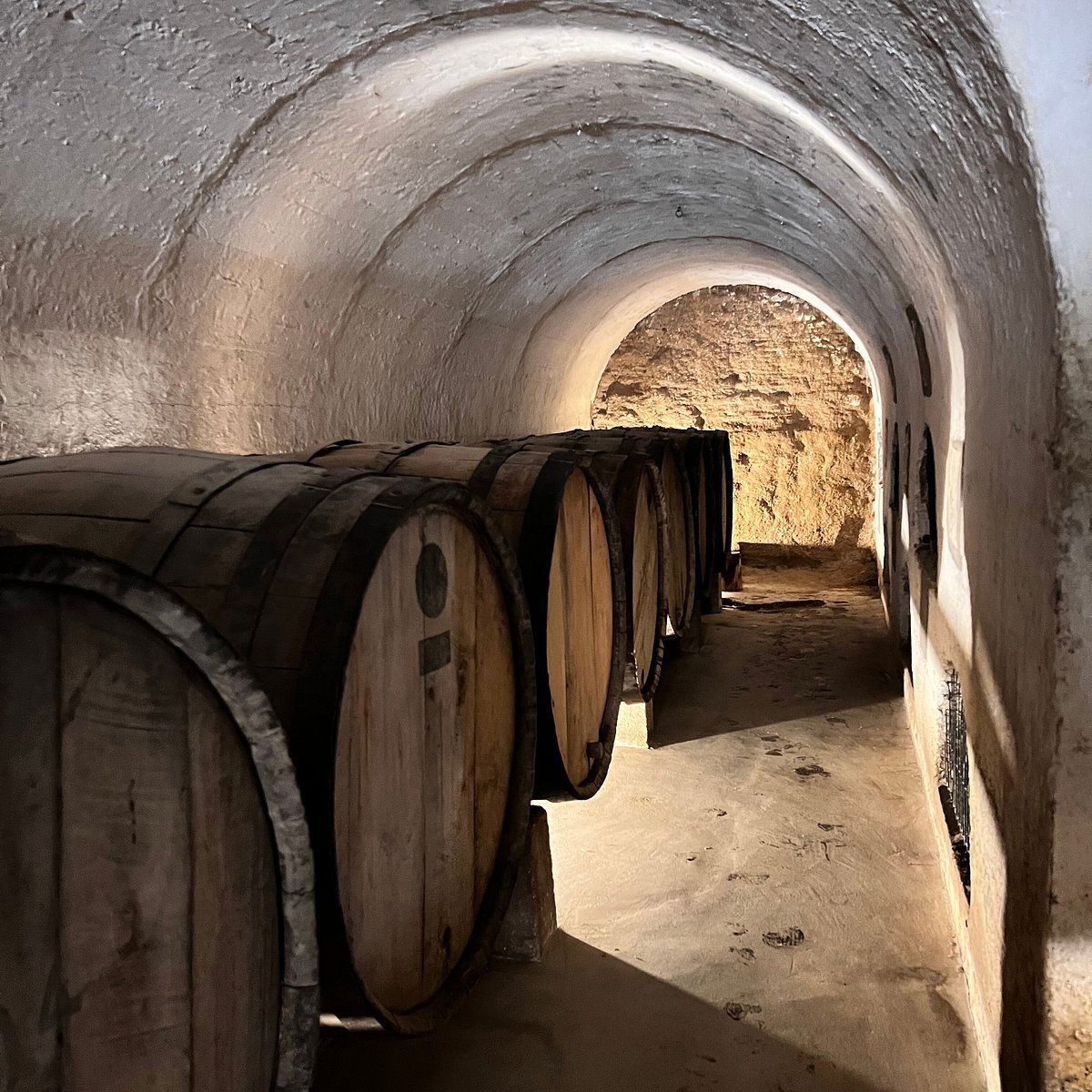
Historic adobe structure with a nostalgic, traditional atmosphere evoking 19th-century craftsmanship amid serene valley vineyards.
Tags
Vibe
Best For
Experience
View
At the Vineyard
- Appellation
- Elqui Valley
- Varietals
- Moscatel, Torontel, Pedro Jiménez
- Tour Duration
- 40 minutes
- Tour Languages
- Spanish
- Visits
- Walk-ins welcome
- Wine Styles
- Fortified
- Wine Club
- Not available
Know before you go
Know Before You Go
- Getting there
- D-485 24500 Los Nichos S/N, Paihuano, Coquimbo
Planning details
Location
Also consider
If you cannot get in
Try Destilería Pisco Mistral first if staying in Pisco Elqui is the priority. It is the cleaner substitute for readers who want to keep the day local.
If the itinerary can stretch beyond town, Capel Pisco Plant is the more practical regional fallback, especially when the day already includes Vicuña.
Winery context
How Fundo Los Nichos compares in Pisco Elqui
Fundo Los Nichos is the stronger pick for travelers who want a more focused Pisco Elqui stop and are willing to plan around harder access. Destilería Pisco Mistral is the safer backup inside Pisco Elqui if the priority is a more predictable visitor setup. For a return visitor, choose Fundo Los Nichos first; for a first-timer who wants fewer logistics, choose Pisco Mistral.
Doña Josefa de Elqui (Pisco), Destilería Kappa, Pisquera ABA, and Capel Pisco Plant make more sense when the day is already built around a wider Elqui or Coquimbo-region route. Fundo Los Nichos is the better fit when staying close to Pisco Elqui matters more than checking off several producers.
Value depends on what kind of experience you want. If you want convenience and a smoother fallback plan, Destilería Pisco Mistral is easier to justify. If you want a more selective stop and can tolerate uncertainty around availability, Fundo Los Nichos is the more interesting booking to chase.
Explore Pisco Elqui
Around this place
Discover more on Pearl
Unlock the full Fundo Los Nichos guide in Pearl, including awards, comparisons, FAQs, planning details, and nearby places.
Compare Fundo Los Nichos
| Venue | Location | Awards |
|---|---|---|
| Fundo Los Nichos | Pisco Elqui | No published awards |
| Doña Josefa de Elqui (Pisco) | Vicuña | No published awards |
| Destilería Kappa | Paihuano | No published awards |
| Destilería Pisco Mistral | Pisco Elqui | No published awards |
| Pisquera ABA | Vicuña | No published awards |
| Capel Pisco Plant | Vicuña | No published awards |
How Fundo Los Nichos Pisco Elqui compares with similar nearby venues.
FAQ
Frequently Asked Questions
What other venues can I research alongside Fundo Los Nichos?
Other venues to research include Doña Josefa de Elqui (Pisco), Destilería Pisco Mistral, Pisquera ABA, Destilería Kappa, and Capel Pisco Plant. Confirm each venue's current visit details directly before planning around it.
Does Fundo Los Nichos offer shipping?
How long should I plan for a visit to Fundo Los Nichos?
Does Fundo Los Nichos offer memberships or club benefits?
Recognition: Pearl 2 Star Prestige (2025). Any membership or club benefits should be confirmed directly with Fundo Los Nichos.
Do I need a reservation at Fundo Los Nichos?
Contact Fundo Los Nichos directly to confirm reservation requirements before planning your visit.